
The allure of Hawaii is undeniable. With its volcanic landscapes, pristine beaches, vibrant culture, and the warm embrace of the Aloha spirit, it consistently ranks high on the bucket lists of travelers worldwide. Millions flock to its shores each year, seeking everything from thrilling Travel adventures to serene relaxation. However, amidst the dream-like images of surfing and sunsets, a practical question often arises for potential visitors: “Is Hawaii safe?”
The short answer is yes, Hawaii is generally a very safe destination for tourists. As a state within the United States, it benefits from established infrastructure, emergency services, and legal frameworks. However, like any travel destination, it’s not without its unique considerations, both in terms of human factors and its powerful natural environment. Understanding these aspects, from petty crime in bustling urban centers to the majestic yet sometimes unpredictable forces of nature, is key to ensuring a secure and unforgettable Hawaiian experience. This comprehensive guide will delve into various facets of safety in Hawaii, providing insights and practical tips for every kind of traveler, integrating themes of Accommodation, Tourism, Landmarks, Hotels, and diverse Lifestyle approaches to travel.
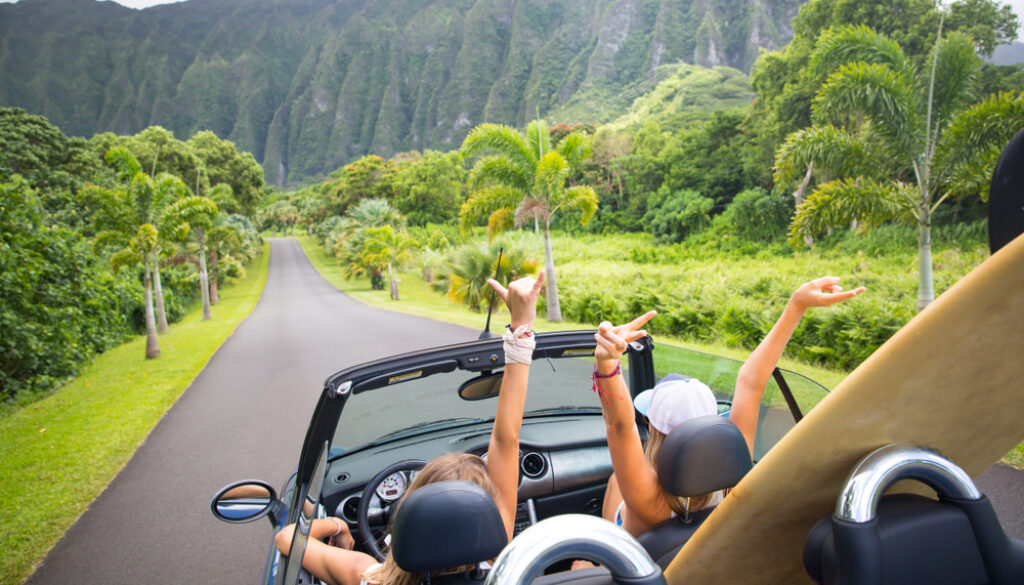
Understanding Hawaii’s Safety Landscape
Hawaii’s reputation for safety stems largely from its low violent crime rates compared to many mainland cities. The islands foster a sense of community, and the pervasive “Aloha spirit” often translates into a welcoming and harmonious environment. Nevertheless, visitors should always remain vigilant and informed, especially concerning certain localized issues and the ever-present natural elements.
General Crime and Personal Safety
While violent crime is relatively rare against tourists, petty theft is a more common concern, particularly in high-traffic tourist areas. This often manifests as car break-ins, especially at popular beaches, hiking trailheads, and Landmarks where rental cars are easily identifiable. Tourists may leave bags, cameras, or other valuables visible, inadvertently creating an enticing target.
- Vehicle Security: Always lock your car doors and never leave valuables in plain sight. It’s best to take all important items with you or secure them out of view in the trunk before arriving at your destination. Avoid leaving anything in your vehicle overnight.
- Personal Belongings: When at the beach, consider using waterproof bags for essentials if you plan to swim, or have a trusted member of your party watch your items. Be mindful of your phone, wallet, and camera in crowded areas, just as you would in any major city.
- Accommodation Choices: When selecting your Hotels, resorts, or vacation rentals, consider the neighborhood. Reputable Hotels like the Grand Hyatt Kauai Resort & Spa or the Hilton Hawaiian Village Waikiki Beach Resort offer secure environments and amenities such as in-room safes. For those opting for apartments or villas, always check reviews related to safety and ensure the property has secure entry points. Booking platforms often provide valuable insights from previous guests concerning safety.
- Urban Caution: In bustling areas like downtown Honolulu or parts of Waikiki Beach on Oahu, exercise the same caution you would in any urban environment late at night. Stick to well-lit areas, avoid walking alone if possible, and be aware of your surroundings. While generally safe, isolated incidents can occur.
For families or those on a Lifestyle of luxury travel, these precautions ensure that your focus remains on enjoyment rather than concern. Budget travelers, too, should prioritize secure Accommodation and sensible storage of valuables.
Navigating Natural Wonders and Potential Hazards
Hawaii’s very beauty is a result of its powerful natural forces, which require respect and awareness. The islands are home to active volcanoes, are susceptible to tropical storms, and lie within a tsunami zone.
- Volcanic Activity: Primarily centered on the Big Island, active volcanoes like Kilauea offer a unique natural spectacle. While eruptions can be breathtaking, they also pose risks from lava flows, vog (volcanic smog), and sulfur dioxide gases. Visitors should always adhere to official warnings, follow park ranger instructions, and stay on marked trails. The US Geological Survey provides up-to-date information on volcanic activity.
- Hurricanes and Tropical Storms: Hawaii has a hurricane season, typically from June to November, with peak activity between August and October. While direct hits are rare, tropical storms can bring heavy rains, high winds, and dangerous surf. It’s crucial to monitor weather forecasts from the National Weather Service and follow local advisories. Most Hotels and resorts have emergency plans in place, and major airlines will issue travel waivers if significant weather events are forecasted.
- Flash Flooding: Especially on islands like Kauai and Maui, heavy rainfall can lead to sudden and dangerous flash floods, particularly in valleys, gulches, and stream beds. Never cross flooded roads or streams, and always check weather conditions before embarking on hikes, especially in remote areas. Some Landmarks or attractions may close during heavy rain for safety reasons.
- Tsunamis: Though infrequent, Hawaii is in the middle of the Pacific Ocean and vulnerable to tsunamis generated by distant earthquakes. Coastal areas have clearly marked evacuation routes and siren warning systems. Familiarize yourself with these upon arrival, especially if your Accommodation is near the coast.
Adventure Travel enthusiasts seeking to explore the dramatic landscapes of Hawaii should educate themselves thoroughly on these natural phenomena. Even for those enjoying a more relaxed Lifestyle, awareness is a key component of responsible Tourism.
Ocean Safety: Respecting the Pacific’s Power
The turquoise waters surrounding Hawaii are undeniably one of its biggest draws, offering unparalleled opportunities for swimming, snorkeling, surfing, and diving. However, the Pacific Ocean is a powerful entity, and underestimating its forces can lead to dangerous situations. Ocean safety is paramount for any visitor.
Currents, Marine Life, and Beach Awareness
- Rip Currents: These narrow, powerful channels of water flowing rapidly away from shore are the leading cause of drownings in Hawaii. Always swim at lifeguarded beaches, such as Waikiki Beach on Oahu or Hapuna Beach on the Big Island, and heed all warning signs (flags, posted notices). If caught in a rip current, don’t fight it; swim parallel to the shore until you are out of the current, then swim back to land.
- Shorebreak: Waves that break directly on the shore can be deceptively powerful, causing serious injuries, especially to the neck and spine. This is particularly prevalent on certain beaches like Makapu’u Beach on Oahu or Big Beach on Maui. Always enter the water feet first and be mindful of wave size and power.
- Marine Life Encounters:
- Sharks: While shark attacks are exceedingly rare, they do occur. Avoid swimming at dawn or dusk, in murky waters, or near river mouths. Do not swim alone. If an attack occurs, fight back aggressively.
- Jellyfish: Box jellyfish and Portuguese man-of-war can deliver painful stings. Local newspapers and websites often publish “jellyfish calendars” to predict their appearance, usually 8-10 days after a full moon. Always check for posted warnings on beaches. Lifeguards can provide treatment for stings.
- Sea Urchins (Wana): Stepping on these spiky creatures can be painful. Wear water shoes, especially in shallow, rocky areas or tide pools.
- Reef Safety: Hawaii’s coral reefs are fragile living ecosystems. Avoid touching, standing on, or collecting coral. Not only is it illegal, but it can also cause cuts and scrapes that can easily become infected. When snorkeling or diving, maintain a safe distance and observe marine life respectfully.
- Sun Protection: The Hawaiian sun is intense, even on cloudy days. Sunburns can ruin a vacation. Use reef-safe sunscreen (required by law), wear hats, sunglasses, and rash guards, and seek shade during peak sun hours (10 am to 4 pm). Dehydration is also a risk; drink plenty of water.
For a family trip, choosing beaches with calm waters and lifeguard supervision is a sensible approach. Those pursuing a Lifestyle focused on adventure sports like surfing or diving should ensure they have proper training, equipment, and consider hiring local guides who are familiar with specific conditions at Landmarks like the Na Pali Coast on Kauai or Molokini Crater off Maui.
Health, Emergency Preparedness, and Responsible Tourism
Beyond immediate environmental and crime concerns, a safe trip to Hawaii also encompasses health considerations, preparedness for unforeseen events, and an understanding of how responsible Tourism contributes to overall island well-being.
Medical Facilities and Environmental Health
- Medical Care: Hawaii boasts modern medical facilities and highly trained professionals, especially on Oahu (home to several major hospitals in Honolulu) and Maui. Smaller clinics and urgent care centers are available on other islands. Visitors should ensure their travel insurance covers medical emergencies, as healthcare costs can be substantial.
- Mosquito-borne Illnesses: While rare, dengue fever and Zika virus have had isolated outbreaks in Hawaii in the past. These are transmitted by mosquitoes. The best defense is prevention: use insect repellent, especially during dawn and dusk, and wear long sleeves and pants when in lush, vegetated areas.
- Food and Water Safety: Tap water in Hawaii is generally safe to drink. Food safety standards are consistent with the United States mainland. Enjoy local cuisine from reputable establishments.
- COVID-19 and Other Illnesses: Stay informed about current public health guidelines. While many restrictions have eased, practicing good hygiene (handwashing, sanitizing) and being mindful of your health is always advisable. If you feel unwell, seek medical advice promptly. Many Hotels and resorts continue to maintain enhanced cleaning protocols.
Regardless of your Lifestyle or Travel plans, having access to good medical care is a cornerstone of safety. Checking in advance on your Accommodation’s proximity to medical facilities can provide peace of mind, especially for older travelers or families.
Embracing Aloha: Cultural Sensitivity and Community Safety
The “Aloha spirit” isn’t just a marketing slogan; it’s a way of life in Hawaii. This spirit of kindness, respect, and compassion extends to how locals interact with visitors and each other, contributing significantly to the islands’ overall safe atmosphere.
- Respect for Aina (Land) and Culture: Demonstrating respect for the land, its resources, and Hawaiian culture is crucial for being a good visitor. This means adhering to “leave no trace” principles, not disturbing sacred sites, and being mindful of noise levels in residential areas. Engaging respectfully with local communities fosters positive relationships and contributes to a safer environment for everyone.
- Support Local: Choosing local businesses, farmers’ markets, and authentic cultural experiences not only enriches your trip but also supports the local economy, which in turn helps maintain community well-being and stability. This directly relates to responsible Tourism.
- Understanding Local Dynamics: While the Aloha spirit is prevalent, remember that locals live and work on the islands. Be patient, courteous, and understanding, particularly with traffic or service. A positive attitude can go a long way in ensuring pleasant interactions.
For those interested in the cultural aspect of Tourism, delving into the rich history of Polynesia and Hawaii can deepen your appreciation and encourage responsible behavior that naturally enhances safety.
Practical Tips for a Secure and Enjoyable Hawaiian Experience
A safe and enjoyable trip to Hawaii is largely a matter of proactive planning and informed decision-making. By incorporating a few key practices into your Travel preparations and on-the-ground activities, you can mitigate most potential risks.
- Travel Insurance: This cannot be stressed enough, especially if you’re on a Lifestyle that includes adventure sports or if traveling with family. Comprehensive Travel insurance should cover medical emergencies, trip cancellations, lost luggage, and potential evacuations due to natural disasters. Given the cost of medical care and potential flight disruptions, it’s a wise investment for peace of mind.
- Stay Informed: Before and during your trip, monitor local news, weather forecasts from the National Weather Service, and advisories from the Hawaii Department of Health. Reputable Hotels and Accommodation providers often provide guests with local safety information upon check-in. Websites and apps dedicated to Hawaiian safety and alerts are also excellent resources.
- Emergency Contacts: Program essential numbers into your phone: 911 for emergencies, your Hotels or Accommodation front desk, your travel insurance provider, and your country’s local embassy or consulate if you are an international traveler.
- Transportation Safety: If renting a car, choose a reputable company and ensure the vehicle is in good condition. Be aware that many local roads, especially in rural areas or near popular Landmarks like the road to Hana on Maui or up to Mauna Kea on the Big Island, can be winding, narrow, and challenging. Drive cautiously and be mindful of local drivers. For those using ride-sharing services or taxis, always confirm the driver and vehicle before getting in.
- Hiking Safety: Hawaii offers incredible hiking opportunities, from the slopes of Diamond Head to the trails of Kauai’s interior. Always hike with a buddy, inform someone of your itinerary, stay on marked trails, and bring plenty of water, snacks, and appropriate gear. Weather conditions can change rapidly, making trails slippery and dangerous. Heed warnings about falling rocks or unstable ground.
- Secure Accommodation: Whether you’re staying in a luxury resort, a budget-friendly apartment, or a cozy villa, ensure your chosen Accommodation offers adequate security features. Read Reviews carefully, especially regarding safety, before Booking. Use in-room safes for passports, cash, and valuables.
In conclusion, Hawaii is undeniably a safe and welcoming destination for visitors from all walks of life. The occasional need to ask, “Is Hawaii safe?”, arises not from inherent danger, but from a responsible desire to understand and prepare for any potential challenges. By understanding the local nuances, respecting the powerful natural environment, exercising common-sense personal safety measures, and embracing the Aloha spirit through responsible Tourism, your trip to these enchanting islands will be not only safe but truly transformative. From exploring famous Landmarks like Pearl Harbor and Lanikai Beach to enjoying the comfort of world-class Hotels or experiencing local culture, your journey will be filled with the magic and serenity that only Hawaii can offer.