
The allure of the open road, the spontaneity of travel, and the promise of unexpected encounters – hitchhiking has long been romanticized as the ultimate freedom in travel. For many, it evokes images of classic American road trips, the wind in their hair, and a trust in the kindness of strangers. However, as with many forms of travel, especially those that skirt the edges of conventional methods, understanding the legality and practicalities is crucial. This is particularly true when considering a journey through a state as vast and diverse as California. The question on the minds of many aspiring thumb-wielders is clear: Is hitchhiking illegal in California?

The answer, like many legal questions, is not a simple yes or no. While there isn’t a blanket statewide ban on hitchhiking in California, its legality is nuanced and heavily dependent on where and how you choose to “thumb it.” Understanding these distinctions is key to avoiding legal trouble and ensuring a safer, more enjoyable travel experience. This article will delve into the specifics of hitchhiking laws in California, explore the practical considerations for travelers, and offer insights relevant to the broader themes of travel, accommodation, and lifestyle on the California coast.
Navigating the Legal Landscape of Hitchhiking in California
While the image of a lone traveler by the roadside is iconic, the reality of hitchhiking in California is governed by a patchwork of state, county, and city ordinances. It’s crucial to understand that simply standing by the side of a road with your thumb out might be permissible in some areas, but could quickly become problematic depending on your location and the specific regulations in place.
Statewide Considerations and the Nuance of Public Roadways
At the state level, California Vehicle Code Section 21954 addresses pedestrians on roadways. It generally states that pedestrians must not walk along or on a highway when a sidewalk is available, or if there is no sidewalk, they must walk only on the left side of the roadway, facing oncoming traffic. This section, while not explicitly mentioning hitchhiking, can be interpreted in ways that impact it. The core issue often revolves around whether a hitchhiker is impeding traffic or creating a hazard.
Generally, hitchhiking is not prohibited on the state’s public highways as long as the individual is not obstructing traffic, is not on a freeway (a significant distinction), and is not within city limits where specific ordinances might apply. The spirit of the law, at a broad level, aims to keep roadways safe and flowing. Therefore, standing in the middle of a lane, on a blind curve, or in an area where your presence causes vehicles to brake abruptly could certainly lead to a citation for impeding traffic or creating a hazard.
Local Ordinances: The Key to Understanding Restrictions
The most significant restrictions on hitchhiking in California often come from local ordinances enacted by cities and counties. Many urban centers, particularly those with high traffic volumes or safety concerns, have specific laws prohibiting soliciting rides or standing on a roadway for the purpose of soliciting rides.
For example, cities like Los Angeles, San Francisco, and San Diego often have stricter regulations. You might find that hitchhiking is expressly forbidden on freeways, on-ramps, off-ramps, and even within certain designated zones of the city. These ordinances are typically put in place to manage traffic flow, prevent loitering, and address safety concerns that can arise from people soliciting rides in busy areas.
It’s imperative for anyone considering hitchhiking in California to research the specific laws of the cities and counties they plan to travel through. A quick online search for “[City Name] hitchhiking laws” or “[County Name] pedestrian ordinances” can often provide the necessary information. Failing to do so could result in fines, being asked to move along by law enforcement, or even being detained.
Freeways: A Strict No-Go Zone
One of the most consistent and universally enforced rules across California is the prohibition of hitchhiking on freeways. California Vehicle Code Section 21950.5 explicitly prohibits pedestrians from standing on or walking along any freeway, including the shoulder. This is for obvious safety reasons. Freeways are designed for high-speed vehicular traffic, and the presence of pedestrians is incredibly dangerous for both the pedestrian and the drivers. Violating this rule can lead to significant fines and is treated with zero tolerance by law enforcement. This means that while you might find success on state highways or rural roads, attempting to hitchhike on or near a freeway entrance or exit is highly discouraged and illegal.
Beyond Legality: Practical Considerations for Hitchhikers in California
Even where hitchhiking is technically legal, a host of practical considerations come into play. These extend beyond simply avoiding a ticket and delve into the realms of safety, efficiency, and the overall travel experience. For travelers exploring California, whether seeking budget accommodation or luxury resorts, understanding these practicalities can make a significant difference.
Safety First: Prioritizing Your Well-being
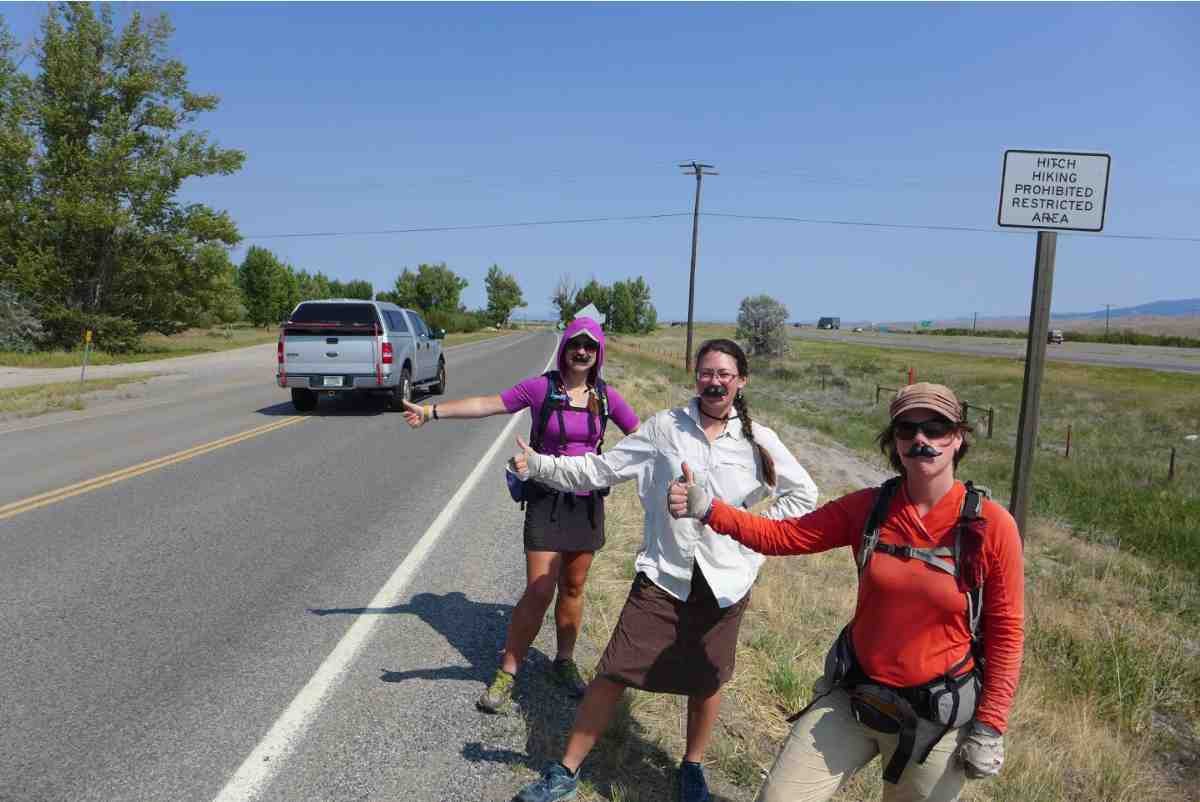
The primary concern for any hitchhiker is personal safety. California is a diverse state with varying levels of perceived safety in different regions. While many people are kind and willing to offer rides, it’s crucial to be aware of the potential risks.
- Trust Your Gut: If a situation feels uncomfortable or a driver seems suspicious, it is always best to politely decline the ride. Your intuition is your most important tool.
- Inform Someone of Your Plans: Let a friend or family member know your general travel route and expected timeline. Check in with them periodically.
- Travel in Daylight: Visibility is better, and there are generally more people around, which can contribute to a greater sense of security.
- Be Aware of Your Surroundings: Choose well-lit, visible locations to wait for rides. Avoid isolated spots, especially at night.
- Have a Backup Plan: Always have a plan for what you will do if you don’t get a ride, such as access to public transportation, funds for a bus ticket, or a pre-booked budget hotel.
Choosing the Right Spots: Maximizing Your Chances
Where you stand can significantly impact your success rate and safety. While freeways are out, some highway shoulders are better than others.
- On-Ramps and Off-Ramps (with caution): While directly on freeways is illegal, sometimes people find success on the access roads leading to them, before the freeway proper begins. This is a gray area and depends heavily on local ordinances. It’s often safer to find a spot just off the main thoroughfare where drivers can clearly see you and have ample space to pull over safely without disrupting traffic.
- Busy Intersections: Locations where traffic slows down or stops, such as at the end of an exit ramp before a major intersection, can be good spots. Drivers have more time to assess you and decide if they want to offer a ride.
- Town Exits and Entrances: When leaving or entering smaller towns, the roads often transition from local streets to state highways. These can be good places to catch a ride heading out of town or to find one entering.
- Designated Rest Stops: While not for hitchhiking from, rest stops can be good places to ask people directly if they are traveling in your direction. However, be mindful of the general rules of the rest stop itself.
Understanding the “Culture” of Hitchhiking in California
California has a long, albeit sometimes controversial, history with hitchhiking. While it was more commonplace in previous decades, societal attitudes and increased safety concerns have made it less prevalent. However, it still occurs, and understanding the unspoken rules can be beneficial.
- Be Presentable: A clean appearance and a friendly demeanor can go a long way. People are more likely to offer a ride to someone who looks put-together and approachable.
- Have a Clear Destination: Be able to clearly articulate where you are going. A sign with your general direction can be helpful.
- Be Prepared for Conversation: Most drivers will want to chat. Be ready to engage in friendly conversation.
- Offer to Contribute: While not always expected, offering to chip in for gas, especially on longer rides, is often appreciated.
- Respect the Driver’s Rules: Every driver has their own preferences (e.g., no smoking, music volume). Be respectful of their car and their rules.
Hitchhiking and Your California Travel Experience
For travelers on a budget, hitchhiking can be a compelling way to see California without incurring significant transportation costs. This can free up funds for other aspects of your trip, such as exploring unique accommodations or experiencing the local lifestyle.
Budget Travel and Accommodation Strategies
The ability to hitchhike can open up possibilities for more immersive and budget-friendly travel. Imagine exploring the diverse landscapes from the beaches of Southern California to the redwood forests of the north.
- Saving on Transportation: The most obvious benefit is saving money on bus tickets, train fares, or car rentals. This allows for a longer stay or the ability to explore more destinations.
- Accessing Unique Stays: With saved money, a hitchhiker might opt for more affordable yet characterful accommodations. This could include quirky motels along historic routes like Route 66, charming guesthouses in wine country, or even unique apartment rentals in vibrant cities like Oakland or Sacramento. The freedom from a rigid itinerary can also lead to discovering impromptu stays.
- Embracing Local Culture: Hitchhiking often puts you in direct contact with locals, offering a more authentic glimpse into California’s diverse culture than a typical tourist experience. You might get insider tips on the best local eateries, hidden landmarks, or community events.

The Lifestyle of the Open Road
Hitchhiking is intrinsically linked to a lifestyle that values freedom, adventure, and human connection. It’s a way of traveling that forces you to be present, adaptable, and open to the unexpected.
- Spontaneity and Serendipity: The beauty of hitchhiking lies in its unpredictability. You never know who you’ll meet or where you’ll end up. This can lead to unforgettable experiences and a deeper appreciation for the journey itself.
- Connecting with People: More than just transportation, hitchhiking is about human interaction. You’ll likely encounter a wide range of people, from seasoned travelers to families on vacation, each with their own stories and perspectives. This can enrich your understanding of California and its people.
- Challenges and Rewards: It’s not always easy. There will be long waits, potentially uncomfortable rides, and the need for constant vigilance. However, the rewards – the freedom, the connections, and the stories you’ll gather – can be immense.
In conclusion, while hitchhiking is not explicitly illegal across the entirety of California, its practice is subject to significant regulation, particularly concerning safety and traffic flow. Understanding the nuances of state and local laws, prioritizing personal safety, and choosing strategic locations are paramount for anyone considering this form of travel. For those who embrace the challenge, hitchhiking can offer an unparalleled sense of freedom and a unique perspective on the Golden State, allowing for more budget-friendly explorations and genuine cultural immersion.