
Embarking on a journey through the Golden State often conjures images of scenic drives along the Pacific Coast Highway, exploring vibrant cities like San Francisco and Los Angeles, or delving into the natural wonders of national parks such as Yosemite. For many travelers, especially those seeking a more adventurous or budget-conscious experience, the question of hitchhiking legality often arises. While the romanticized notion of thumbing a ride might appeal to the intrepid explorer, understanding the legal landscape is crucial for a safe and compliant adventure in California. This article delves into the specifics of hitchhiking laws in California, exploring the nuances, practical considerations, and safer alternatives for exploring this diverse state.

The Legalities of Hitchhiking in California
California stands out among many U.S. states for its relatively permissive approach to hitchhiking. Unlike some states that outright ban it, California generally allows individuals to solicit rides from the side of the road. However, this permission comes with specific restrictions designed to ensure public safety and traffic flow. It’s not a free-for-all, and understanding these limitations is paramount.
Where You Can (and Cannot) Hitchhike
The primary distinction in California law hinges on the type of roadway. Hitchhiking is generally permitted on the right-hand side of a roadway, where it is safe to stand without obstructing traffic. This typically means on the shoulder of freeways and highways, or on the side of local roads.
However, there are critical exceptions and prohibitions:
-
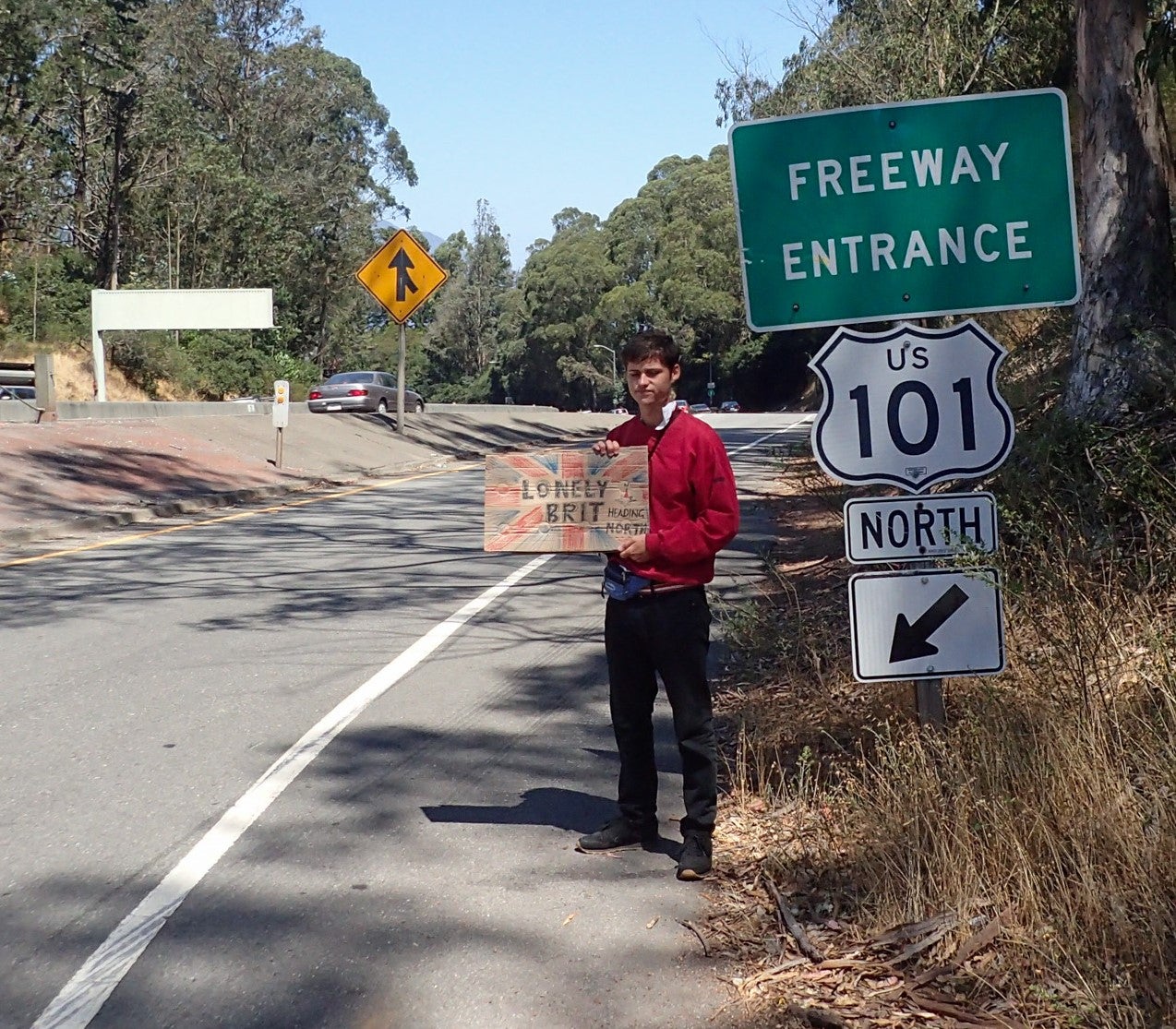
Freeways and Interstates: While you might see people hitchhiking near freeway on-ramps or off-ramps, it’s important to understand that standing on the actual traveled portion of a freeway or interstate is illegal. The law typically prohibits pedestrians from being on the roadway itself where vehicles are traveling at high speeds. Hitchhikers are usually permitted to stand on the shoulder or in an adjacent area, provided they are visible and not impeding traffic. This often means near entrance or exit ramps, but not directly on the ramp itself where it merges with or diverges from the freeway.
-
Prohibited Areas: Hitchhiking is explicitly forbidden in several scenarios to prevent hazards. This includes:
- The median strip of a divided highway: These areas are often dangerous due to high-speed traffic in both directions.
- In the middle of an intersection: This obstructs traffic and creates a significant safety risk.
- Within a marked crosswalk or pedestrian crossing: These areas are designated for pedestrian movement and should not be used for soliciting rides.
- In a position that obstructs the normal flow of traffic: This is a general rule that applies broadly. If your presence is causing cars to swerve or brake unexpectedly, it’s likely illegal and dangerous.
- On toll bridges or within toll plazas: These areas have specific regulations due to their operational nature.
- Private property without permission: While less common for typical hitchhiking scenarios, it’s a reminder that soliciting rides on private land is generally not permitted.
-
State vs. Local Ordinances: It’s also important to note that while California state law permits hitchhiking under certain conditions, individual cities or counties may have their own local ordinances that further restrict or prohibit it within their jurisdiction. For instance, a busy tourist area or a downtown district might have specific rules against loitering or soliciting rides in certain zones. Always be aware of your surroundings and any posted signage.
The “Safe Place” Clause
A key element of California‘s hitchhiking laws is the emphasis on safety. Hitchhikers are expected to position themselves in a way that is visible to approaching drivers and does not pose a hazard to themselves or others. This means being well off the main travel lanes and in a place where a driver can safely pull over to pick you up without endangering themselves or other traffic. Standing in a blind curve, a narrow shoulder, or an area with limited visibility is not only illegal but extremely dangerous.
Beyond Legality: Safety and Practicality of Hitchhiking
While California may permit hitchhiking in many areas, the decision to engage in this mode of travel involves significant considerations beyond just the legal framework. The realities of hitchhiking, even in a relatively permissive state, can be unpredictable and carry inherent risks.
Understanding the Risks
Hitchhiking has always been associated with a degree of uncertainty and potential danger. Travelers should be acutely aware of the following:
-
Personal Safety: The most significant concern is personal safety. You are entering a vehicle with a stranger. While many people who offer rides are kind and helpful, there’s always a risk of encountering someone with malicious intent. This can range from harassment to more severe forms of harm. It is crucial to trust your instincts; if a situation feels unsafe, do not get in the vehicle.
-
Unpredictability of Rides: Rides can be infrequent, especially in less populated areas. You might spend hours waiting, which can be disheartening and time-consuming, especially if you have a schedule to keep. The destination of the ride may also not align with your own, requiring further planning and potentially more hitchhiking.
-
Weather Conditions: California offers diverse climates, from the scorching deserts of the Mojave Desert to the foggy coastlines of San Francisco. Waiting for a ride in extreme weather can be uncomfortable and even dangerous, especially if you’re unprepared.
-
Limited Luggage Capacity: Hitchhiking is generally not conducive to carrying large amounts of luggage. Most drivers are not equipped to store substantial baggage, so you’ll likely need to travel light.
-
Legal Ambiguity and Enforcement: While California permits hitchhiking, enforcement of the laws can vary. Law enforcement officers may still approach hitchhikers if they are perceived as a nuisance or a safety concern, even if they are technically within the legal boundaries. This can lead to confusion, warnings, or even citations.
Navigating Your Journey Safely
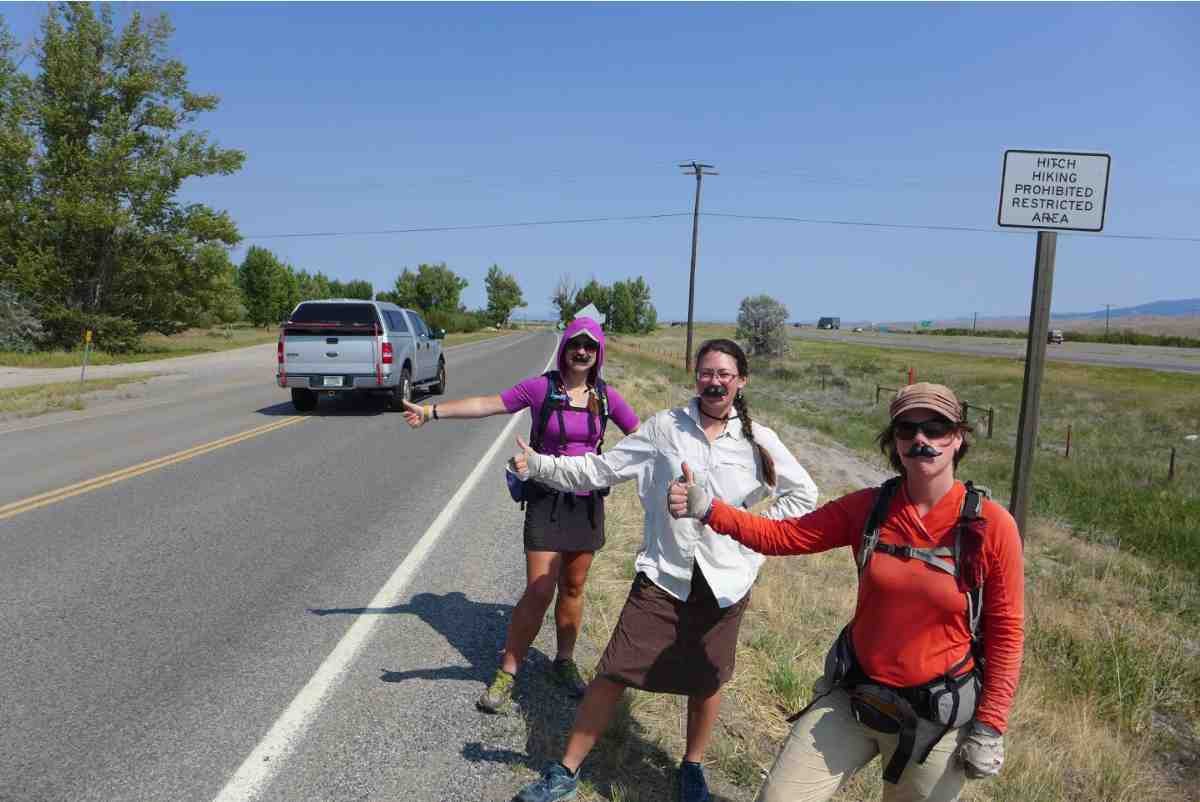
For those who choose to hitchhike in California, certain precautions can mitigate some of the risks:
-
Travel in Pairs or Groups: This is often the safest approach. Having a companion can deter potential threats and provide a sense of security.
-
Choose Your Location Wisely: Opt for well-lit areas with good visibility, preferably near service stations or rest stops where drivers are accustomed to stopping. Avoid desolate stretches of road, blind curves, and areas with high-speed traffic where drivers cannot easily stop.
-
Be Presentable and Approachable: Look clean and friendly. Carry a clear sign with your destination. This helps drivers make a quick decision and understand your needs.
-
Trust Your Gut: If a potential driver or the vehicle seems off, do not accept the ride. It’s better to wait for another opportunity than to put yourself in a dangerous situation. Pay attention to the driver’s demeanor, the condition of the car, and any passengers.
-
Inform Someone of Your Plans: Let a friend or family member know your intended route, your starting point, and your expected destination. Check in with them regularly.
-
Carry Identification and Some Cash: This is always a good practice when traveling.
Alternatives to Hitchhiking for Exploring California
Given the inherent risks and the unpredictable nature of hitchhiking, California offers numerous safer and more reliable alternatives for travelers looking to explore its vast landscapes and vibrant cities. These options cater to various budgets and travel styles, ensuring a more comfortable and secure journey.
Budget-Friendly Travel Options
For the budget-conscious traveler, California provides several excellent alternatives to hitchhiking:
-
Public Transportation: Major cities like Los Angeles, San Francisco, and San Diego boast extensive public transportation networks. BART (Bay Area Rapid Transit) is excellent for navigating the Bay Area, while Metro serves Los Angeles. Intercity train services like Amtrak also connect many California cities, offering a scenic and relaxing way to travel. Bus companies like Greyhound and FlixBus also provide affordable cross-state travel.
-
Ride-Sharing Services: Services like Uber and Lyft operate throughout California. While they might not be as cheap as hitchhiking for very long distances, they offer a significant level of safety and convenience, especially for shorter trips within cities or between nearby towns. You know who your driver is, have their contact information, and the trip is tracked.
-
Carpooling: Websites and apps dedicated to carpooling can connect you with drivers already heading in your direction. This can be a cost-effective way to travel, often sharing fuel expenses. It’s a more structured and often safer form of informal ride-sharing.
Exploring California’s Destinations
Whether you’re seeking a luxurious escape or a budget-friendly adventure, California has an incredible array of destinations and experiences:
-
National Parks: Explore the majestic granite cliffs of Yosemite National Park, the giant sequoia trees in Sequoia National Park and Kings Canyon National Park, or the otherworldly landscapes of Death Valley National Park. For access, consider renting a car or utilizing park shuttles where available.
-
Coastal Adventures: Drive the iconic Pacific Coast Highway (PCH), stopping at charming towns like Carmel-by-the-Sea and Santa Barbara. Enjoy the beaches of Malibu or the rugged beauty of Big Sur. Renting a car is ideal for this experience, allowing you to stop at numerous viewpoints and attractions.
-
City Exploration: Immerse yourself in the diverse cultures of Los Angeles, with its entertainment industry in Hollywood and world-class museums. Discover the unique character of San Francisco, from the Golden Gate Bridge to Alcatraz Island. Explore the historic missions and vibrant food scene of San Diego. Public transportation and ride-sharing are excellent for getting around these urban centers.
-
Accommodation Choices: California offers a vast range of accommodation options. From luxury resorts like the Ritz-Carlton, Laguna Niguel to charming boutique hotels in Napa Valley, and budget-friendly motels or hostels, there’s something for every traveler. Vacation rentals and apartments booked through platforms like Airbnb or VRBO also provide flexibility, especially for longer stays or family trips.
-
Unique Experiences: Consider guided tours that take the stress out of navigation and provide insightful commentary on local culture, history, and landmarks. Whether it’s a wine tour in Napa Valley, a historical walking tour of San Francisco, or a wildlife excursion along the coast, tours can enhance your travel experience significantly.
In conclusion, while hitchhiking is technically legal in many parts of California under specific conditions, the potential risks often outweigh the benefits. For a safe, enjoyable, and memorable journey through the Golden State, exploring the numerous alternative travel options, from efficient public transport to convenient ride-sharing and well-planned car rentals, is highly recommended. These alternatives not only ensure your safety but also allow you to fully immerse yourself in the incredible diversity and beauty that California has to offer, from its stunning natural landmarks to its bustling city life and diverse culinary scene.
LifeOutOfTheBox is a participant in the Amazon Services LLC Associates Program, an affiliate advertising program designed to provide a means for sites to earn advertising fees by advertising and linking to Amazon.com. Amazon, the Amazon logo, AmazonSupply, and the AmazonSupply logo are trademarks of Amazon.com, Inc. or its affiliates. As an Amazon Associate we earn affiliate commissions from qualifying purchases.