
The question “Is Hollywood Los Angeles?” might seem straightforward to many, conjuring images of glittering movie stars, iconic signs, and sprawling studio lots. Yet, for the uninitiated traveler, or even for those who have only experienced its cinematic portrayals, the precise relationship between Hollywood and the vast metropolis of Los Angeles can be a source of confusion. Hollywood, as a concept, is deeply intertwined with the identity of Los Angeles, but it is also a distinct entity, a legendary district that has captured the global imagination. This article will delve into the multifaceted nature of Hollywood, exploring its geographical boundaries, its historical significance, its cultural impact, and how it fits within the broader tapestry of Los Angeles, offering insights for travelers, accommodation seekers, and anyone fascinated by this famed corner of California.
Understanding the Hollywood District: More Than Just a Dream Factory
When people refer to “Hollywood,” they often speak of it as a singular entity, the epicenter of the film industry. However, within the sprawling urban landscape of Los Angeles, Hollywood is, in fact, a specific neighborhood, a district with its own unique character and history. Its geographical footprint, while often perceived as extending far and wide, is more precisely defined. Understanding these boundaries is key to appreciating its role within the larger city.
The Geographical Heartbeat of the Entertainment Industry
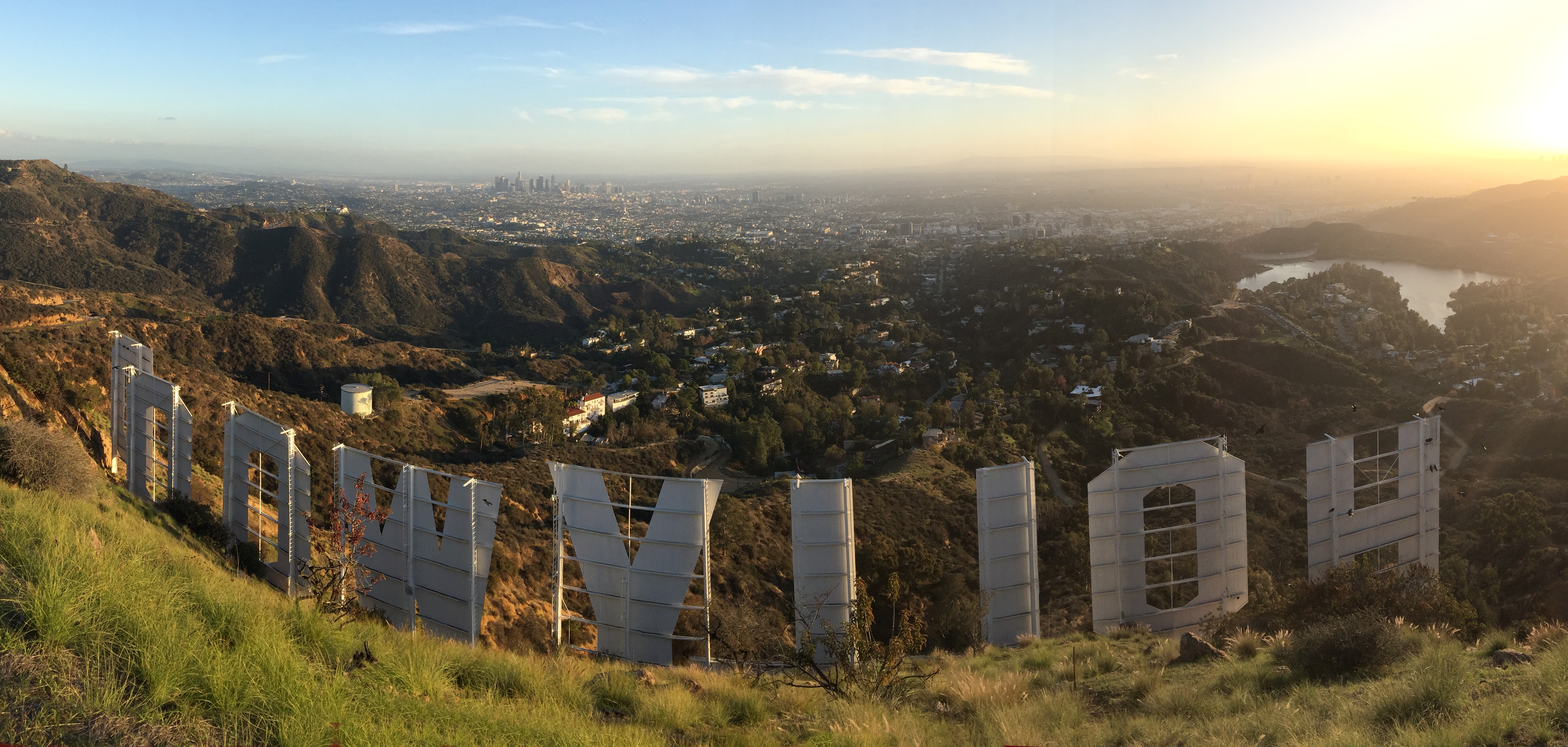
Hollywood is officially recognized as a district within the city of Los Angeles, California. It is located northwest of Downtown Los Angeles and is bordered by other well-known Los Angeles neighborhoods such as East Hollywood, Silver Lake, and the affluent enclaves of the Hollywood Hills, which are home to many celebrity residences and offer breathtaking views of the cityscape, including the iconic Hollywood Sign. The physical boundaries can be somewhat fluid in popular perception, but for navigational and administrative purposes, it’s a defined area. This geographical concentration of studios, theaters, and entertainment-related businesses is what cemented Hollywood’s global reputation.
From its early days, the dream of filmmaking drew talent and investment to this sun-drenched region. Pioneers of the silent film era, like Charlie Chaplin and the brothers Warner, established their studios here, attracted by the diverse landscapes and the favorable climate. This initial migration laid the foundation for what would become the undisputed capital of the American film industry. The legacy of these early pioneers is palpable as you explore the streets, with many historical buildings and studios still standing, testament to the enduring power of this creative hub.
The development of Hollywood was not merely organic; it was often strategically planned. Developers recognized the potential of this area to become a cultural and economic powerhouse. The establishment of major studios like Paramount Pictures, Warner Bros. Studios (though now in Burbank, its historical roots are intrinsically linked), and others in close proximity created a self-sustaining ecosystem. This concentration of resources and talent fueled innovation and solidified Hollywood’s dominance. Today, while some production has shifted to other locations, the heart of the industry still beats strongly in this district, with many major studios maintaining a significant presence.
Beyond the Studios: Hollywood’s Cultural Landmarks and Attractions
While the production of films is its raison d’être, the Hollywood district itself is a treasure trove of attractions that draw millions of tourists each year. These landmarks offer a tangible connection to the glitz, glamour, and history of the silver screen, making a visit to Hollywood a quintessential Los Angeles experience.
The most iconic symbol, undoubtedly, is the Hollywood Sign. Perched high in the Santa Monica Mountains, this landmark has become synonymous with the American dream of stardom. While access to the sign itself is restricted, numerous vantage points offer spectacular views, from Griffith Observatory to various hiking trails. The Griffith Observatory, in particular, offers not only a prime spot for viewing the sign but also panoramic vistas of the entire Los Angeles basin, making it a must-visit attraction for any traveler.
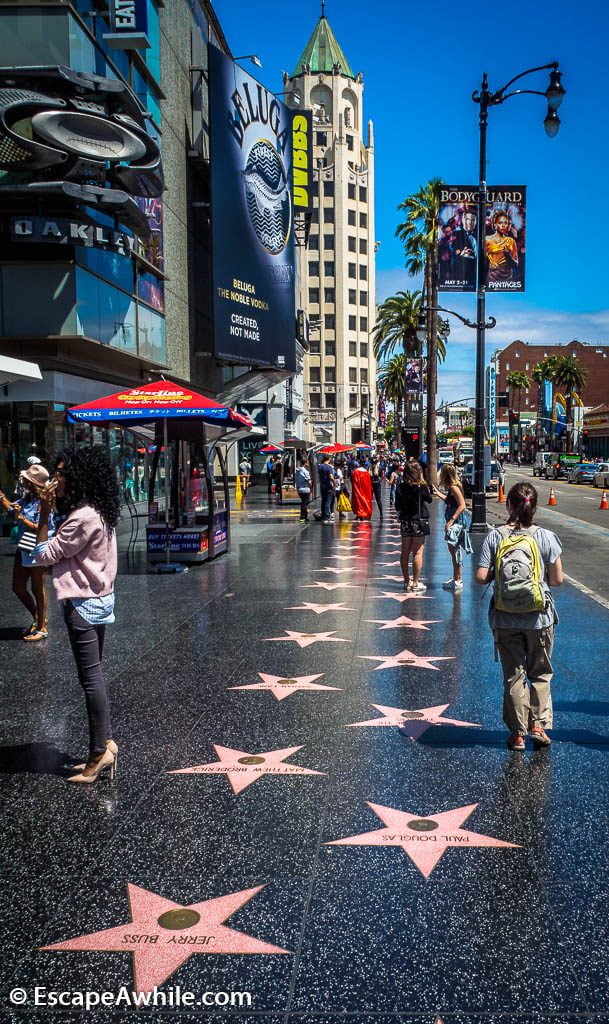
The Hollywood Walk of Fame stretches for blocks along Hollywood Boulevard and Vine Street, honoring legendary figures of the entertainment industry with terrazzo and brass stars embedded in the sidewalks. A stroll along the Walk of Fame is a journey through entertainment history, a chance to trace the footsteps of icons. Adjacent to this, the historic TCL Chinese Theatre (formerly Grauman’s Chinese Theatre) is famous for its forecourt, where countless movie stars have left their handprints and footprints in cement. Nearby, the Dolby Theatre hosts the annual Academy Awards ceremony, adding another layer of prestige to this vibrant area.
Beyond these marquee attractions, Hollywood boasts a rich architectural heritage. The El Capitan Theatre, a beautifully restored movie palace, offers a glimpse into the golden age of cinema. The historic buildings that once housed early studios and production companies contribute to the district’s unique atmosphere. For music lovers, the Hollywood Bowl, an iconic outdoor amphitheater, has been a venue for legendary performances for decades, nestled within the natural beauty of the hills.
Hollywood as a Gateway to Los Angeles Experiences

While Hollywood is a distinct district, its fame and popularity make it a natural starting point or a central hub for exploring the wider wonders of Los Angeles. The ease of access and the sheer density of attractions within Hollywood mean that many visitors will find themselves spending significant time within its confines, even as they venture out to discover other parts of this sprawling metropolis.
Navigating Accommodation Options: From Boutique Hotels to Luxury Resorts
For travelers planning a visit, understanding accommodation options in and around Hollywood is crucial. The district and its immediate surroundings offer a diverse range of lodging, catering to various budgets and preferences, from budget-friendly hostels to ultra-luxury hotels.
For those seeking an immersive Hollywood experience, staying within the district itself is often preferred. Many hotels line Hollywood Boulevard, offering easy access to the Walk of Fame, theaters, and restaurants. These range from modern boutique hotels that capture the district’s trendy vibe to more established names offering comfortable stays. For instance, the W Hollywood Hotel offers a stylish, modern base with a popular rooftop pool and bar, providing stunning city views. Closer to the legendary studios, one might find a range of options catering to film buffs and business travelers alike.
Further afield, but still within easy reach of Hollywood’s attractions, are the upscale neighborhoods of Beverly Hills and West Hollywood, which boast some of the world’s most renowned luxury hotels and resorts. The Beverly Hills Hotel, a pink palace steeped in history and celebrity lore, offers an unparalleled experience of classic Hollywood glamour. For those seeking a more contemporary luxury experience, hotels like The London West Hollywood provide spacious suites and impeccable service.
For travelers on a budget, or those looking for a more local experience, the surrounding neighborhoods offer a wider array of guesthouses, apartments, and smaller hotels. Websites dedicated to accommodation comparison and reviews can be invaluable in finding the perfect fit, whether it’s a short stay to soak in the Hollywood atmosphere or a longer-term rental for those who wish to immerse themselves more deeply in the Los Angeles lifestyle. Many of these options offer amenities that cater to families, business travelers, and solo adventurers alike.
Culinary Delights and Local Culture: Beyond the Red Carpet
The culinary scene in Hollywood is as diverse and vibrant as the entertainment industry itself. While you might expect an abundance of themed restaurants catering to tourists, Hollywood offers a sophisticated dining landscape that reflects the multicultural makeup of Los Angeles.
From trendy cafes and bistros along Hollywood Boulevard to upscale restaurants in the nearby hills, there’s something to satisfy every palate. You can find everything from authentic Mexican food and delicious Italian cuisine to innovative farm-to-table dining experiences. Exploring the local food scene is an integral part of any travel itinerary, providing a taste of the city’s diverse cultural influences. Many restaurants in the area draw inspiration from their glamorous surroundings, offering unique ambiances that enhance the dining experience.
Beyond dining, Hollywood is a hub for arts and culture. Live music venues, comedy clubs, and small independent theaters offer a glimpse into the thriving local arts scene. The Hollywood Bowl continues to host world-class musicians, while smaller venues showcase emerging talent. Experiencing a live performance is a fantastic way to connect with the artistic pulse of the city.
Furthermore, the historical significance of Hollywood as the birthplace of cinema is never far away. Visiting museums like the Hollywood Museum, housed in the historic Max Factor Building, allows visitors to delve into the costumes, props, and memorabilia that tell the story of Hollywood’s golden age. These cultural institutions provide a deeper understanding of the industry’s evolution and its impact on global culture.
Hollywood and Los Angeles: A Symbiotic Relationship
In conclusion, to ask “Is Hollywood Los Angeles?” is to acknowledge a nuanced reality. Hollywood is not a separate country or an independent city; it is a vibrant and integral district within the vast expanse of Los Angeles. Its name carries immense global recognition, often overshadowing the broader identity of the city it belongs to. However, its influence, its attractions, and its very essence are deeply woven into the fabric of Los Angeles.
For travelers, understanding this relationship is key to planning a fulfilling trip. Hollywood serves as a powerful symbol, a magnet for tourists drawn by the allure of the film industry. It offers a concentrated dose of iconic landmarks, entertainment history, and a lively atmosphere. Yet, it is just one piece of the much larger puzzle that is Los Angeles. From the beaches of Santa Monica to the cultural institutions of Downtown Los Angeles, the city boasts an incredible diversity of experiences.
Ultimately, Hollywood is Los Angeles, but Los Angeles is so much more than just Hollywood. It is a dynamic, multicultural metropolis with a rich history, diverse landscapes, and a unique lifestyle. By exploring Hollywood, visitors gain a deeper appreciation for the city’s iconic image, and by venturing beyond, they uncover the true breadth and depth of what makes Los Angeles such an unforgettable destination. Whether you’re seeking the magic of movie history, a place to stay, or a gateway to countless adventures, the Hollywood district offers an unparalleled introduction to the City of Angels.