
In today’s hyper-connected world, reliable Wi-Fi is no longer a luxury; it’s a necessity. Whether you’re a business traveler needing to send urgent emails from your hotel room in New York City, a family updating vacation photos from a resort in the Maldives, or a solo explorer researching the best local eateries in Tokyo, the hotel Wi-Fi network is often your first port of call. But as convenient as it is, have you ever paused to consider the safety and security of that seemingly innocuous network? The question, “Is Hotel Wifi Safe?”, is a critical one that deserves careful consideration, especially when you’re away from the familiar security of your home network.
The allure of free Wi-Fi is undeniable. It allows us to stay in touch with loved ones, keep up with work, plan our next day’s adventure, and even stream our favorite shows. However, public networks, including those found in hotels, can be a breeding ground for cyber threats. These networks are inherently less secure than private ones, and their open nature makes them an attractive target for malicious actors looking to exploit unsuspecting users. Understanding the risks is the first step towards mitigating them, allowing you to enjoy the convenience of hotel Wi-Fi without compromising your digital security.
The Hidden Dangers of Hotel Wi-Fi
While most hotel Wi-Fi networks are designed to be functional, their primary focus is often on providing access rather than robust security. This can lead to several vulnerabilities that expose your data to potential compromise. It’s crucial to be aware of these risks so you can take appropriate precautions.
Unsecured Networks and Man-in-the-Middle Attacks
Many hotel Wi-Fi networks are “open,” meaning they don’t require a password for access. While this is convenient, it also means that any data transmitted over these networks is not encrypted by default. This lack of encryption is like sending postcards through the mail; anyone who intercepts them can easily read the contents.
More insidiously, cybercriminals can set up fake Wi-Fi hotspots that mimic legitimate hotel networks. These malicious hotspots are often given names that sound official, such as “Grand Hyatt Hotel WiFi” or “Marriott Guest Network.” When you connect to such a network, a cybercriminal can position themselves “in the middle” between your device and the internet. This is known as a Man-in-the-Middle (MITM) attack. Through this position, they can intercept, read, and even alter the data you send and receive. This could include login credentials for your email, social media accounts, banking portals, and any other sensitive information you transmit. Imagine trying to book a flight from Paris using your credit card details over such a network; your financial data could be stolen in an instant.
Malware Distribution and Phishing Scams
Hotel Wi-Fi networks can also be used to distribute malware. Attackers might exploit vulnerabilities in your device’s operating system or applications to install malicious software without your knowledge. This malware can then steal your personal information, track your online activity, or even hold your data hostage for ransom.
Furthermore, attackers can use compromised networks to launch phishing scams. They might redirect you to fake login pages that look identical to legitimate websites. For example, you might be trying to log into your airline account to check your flight details for a trip to Hawaii, only to be presented with a convincing replica of the airline’s login page. Entering your username and password on this fake page directly feeds your credentials to the attacker. The ease with which these scams can be executed on unsecured networks makes them a persistent threat to travelers.
Snooping and Data Theft
Even without sophisticated MITM attacks or malware, basic snooping is a significant risk on shared Wi-Fi networks. Other users on the same network, if they have the right tools and knowledge, can potentially monitor the traffic of other connected devices. This means that if you’re accessing non-HTTPS websites or sending unencrypted messages, your activities could be visible to others. While most hotel Wi-Fi connections should theoretically be isolated, in practice, poorly configured networks can allow for such breaches. This is particularly concerning if you are accessing work-related documents or communicating sensitive business information from your hotel in London.
Safeguarding Your Digital Presence on Hotel Wi-Fi
The good news is that the risks associated with hotel Wi-Fi don’t mean you have to disconnect entirely. By implementing a few smart security practices, you can significantly reduce your exposure and enjoy your stay with peace of mind.
The Power of a Virtual Private Network (VPN)
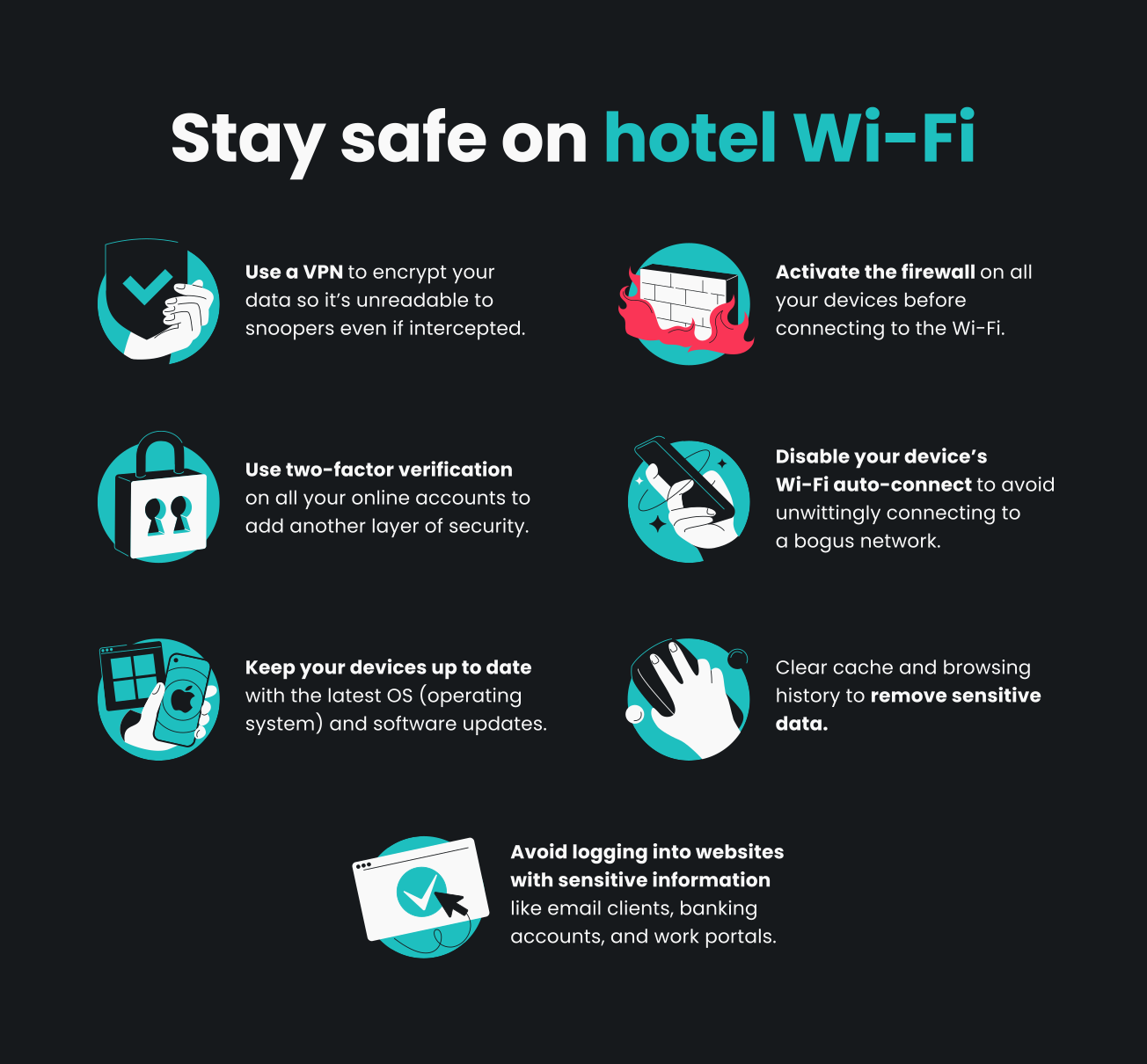
The single most effective tool for enhancing your security on any public Wi-Fi network, including hotel Wi-Fi, is a Virtual Private Network (VPN). A VPN encrypts your internet traffic, creating a secure tunnel between your device and the VPN server. All your online activity is routed through this encrypted tunnel, making it unreadable to anyone trying to snoop on the network.

When you connect to a VPN, it masks your IP address and encrypts your data, effectively shielding you from Man-in-the-Middle attacks, snooping, and even some forms of malware distribution. Whether you’re browsing the web, checking emails, or accessing sensitive work files from a hotel in Singapore, a VPN provides a crucial layer of protection. It’s like sending your sensitive information through a private, armored courier instead of an open postcard. Many reputable VPN services offer subscription plans that cover multiple devices, making it a convenient and cost-effective solution for all your travel needs, from booking a tour of the Great Wall of China to making a restaurant reservation.
Device and Network Hygiene
Beyond using a VPN, maintaining good digital hygiene is paramount. This includes ensuring your devices are up-to-date with the latest operating system and application security patches. These updates often contain fixes for known vulnerabilities that attackers can exploit.
Furthermore, it’s wise to disable automatic Wi-Fi connection on your devices. This prevents your phone or laptop from automatically connecting to any available Wi-Fi network, including potentially malicious ones. Always manually select the network you wish to connect to and verify its authenticity, perhaps by asking hotel staff or checking the hotel’s official website.
When connecting to the hotel’s network, consider turning off file sharing on your device. This prevents other users on the same network from accessing your files. Also, be cautious about the information you share and the websites you visit. Avoid accessing highly sensitive accounts, such as online banking or cryptocurrency exchanges, on public Wi-Fi if possible. If you must, ensure you are using a VPN and that the websites you visit are using HTTPS encryption (look for the padlock icon in your browser’s address bar). For example, if you’re staying at the Burj Al Arab and need to access your bank, double-checking for HTTPS is a critical step.
Alternative Connectivity Options
While hotel Wi-Fi is often the most convenient option, it’s not the only one. Depending on your travel plans and the destinations you visit, other connectivity solutions can offer enhanced security and reliability.
Mobile Hotspots and Local SIM Cards
Using your mobile phone as a Wi-Fi hotspot is a secure and reliable alternative. Most mobile plans allow you to tether your devices, effectively turning your phone into a personal Wi-Fi router. This connection is usually encrypted by your mobile carrier, offering a much higher level of security than a public hotel network. If you’re traveling internationally, consider purchasing a local SIM card upon arrival in a country like Japan. This provides you with local data at competitive rates and a secure connection through the local carrier’s network. This is especially useful when exploring cities like Kyoto or visiting landmarks like Kinkaku-ji.
Secure Wired Connections
Some hotel rooms, particularly in higher-end establishments or business-oriented hotels, may offer an Ethernet port for a wired internet connection. A wired connection is generally more secure than Wi-Fi, as it’s more difficult for unauthorized individuals to intercept the signal. If security is a top priority and you have the necessary adapter, opting for a wired connection when available can be a wise choice, especially if you are working on sensitive projects in a hotel like the Four Seasons Hotel George V Paris.
Understanding Hotel Network Security Practices
While individual precautions are essential, it’s also worth noting that reputable hotel chains are increasingly aware of the security concerns surrounding their Wi-Fi networks. Many are investing in better infrastructure and security protocols to protect their guests. For example, major chains like Marriott International and Hilton Worldwide often implement measures such as network segmentation, which isolates guest traffic from internal hotel systems, and robust encryption standards for their networks.
However, the implementation and effectiveness of these measures can vary significantly between properties, even within the same brand. Smaller, independent hotels might not have the same resources or expertise to dedicate to network security as large international chains. Therefore, it’s always prudent to assume that any public Wi-Fi network requires a degree of caution, regardless of the hotel’s reputation. When staying at a charming boutique hotel in Florence or a rustic lodge in the Canadian Rockies, the same security principles apply.
Making Informed Choices for Secure Travel
The question “Is Hotel Wifi Safe?” doesn’t have a simple “yes” or “no” answer. It’s a nuanced issue where convenience often clashes with security. While hotels provide a valuable service by offering Wi-Fi, users must remain vigilant and proactive in protecting their digital information. By understanding the potential risks and employing the right security measures, you can navigate the digital landscape of your travels with confidence.
From planning your next adventure in Rome to checking out of your hotel in Dubai, your online security is an integral part of a smooth and enjoyable travel experience. A VPN, diligent device hygiene, and awareness of alternative connectivity options are your best allies. Remember, a little preparation goes a long way in ensuring that your online interactions while traveling are as secure as they are seamless, allowing you to focus on the incredible experiences and discoveries that travel offers, whether it’s exploring the ancient ruins of Machu Picchu or enjoying the vibrant nightlife of Berlin. Safe travels, both online and off.