
The rumble of tires on asphalt, the anticipation of reaching a breathtaking vista, or the simple necessity of getting from point A to point B – travel along Colorado’s Interstate 70 (I-70) is a cornerstone for many journeys, whether for leisure or business. This vital artery slices through the heart of the Rocky Mountains, connecting Denver to the famed ski resorts of the Western Slope and offering access to some of the most spectacular natural landscapes in the United States. However, the very grandeur of the Colorado mountains also presents inherent challenges, and the question, “Is I-70 closed in Colorado today?” is a frequent and critical one for any traveler planning their route.
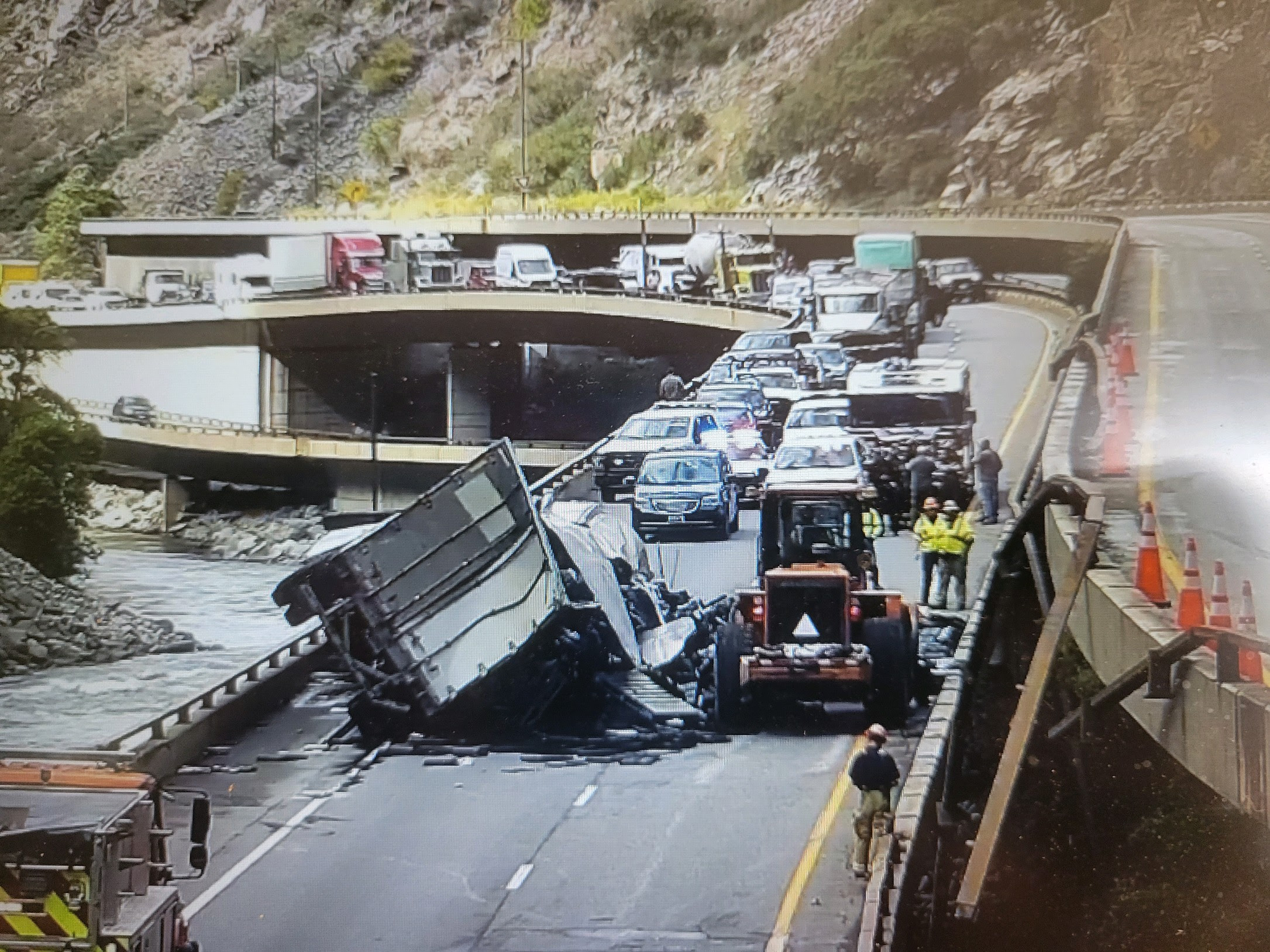
The mountainous terrain, while stunning, is susceptible to a myriad of conditions that can impact the safety and accessibility of I-70. From the dusting of early autumn snow to the full-blown blizzards of winter, and even the occasional rockslide or mudslide during warmer months, the road’s status can change with little notice. For those venturing towards destinations like Vail, Aspen, Breckenridge, or the geological wonders of Glenwood Canyon, understanding how to ascertain the current condition of I-70 is paramount to a smooth and safe trip. This guide will equip you with the knowledge to check for closures, understand the reasons behind them, and navigate your way through the magnificent, and at times unpredictable, Colorado Rockies.
Understanding the Dynamics of I-70 Closures in Colorado
The Interstate 70 corridor in Colorado is not just a highway; it’s a lifeline connecting urban centers with world-class ski resorts, national parks, and charming mountain towns. Its strategic importance cannot be overstated for tourism and local lifestyle alike. The sheer volume of traffic, coupled with the extreme weather patterns characteristic of the Rocky Mountains, makes I-70 a dynamic and sometimes challenging route to navigate.
The Spectrum of Potential Disruptions
The reasons for I-70 closures are as varied as the Colorado landscape itself. While winter weather is often the primary culprit, travelers must remain vigilant year-round.
Winter Weather: The Most Common Adversary
From October through April, Colorado experiences significant snowfall. This can lead to:
- Whiteout Conditions: Extreme snowfall reduces visibility to near zero, making driving exceptionally dangerous.
- Accumulated Snow and Ice: Even with plows, snow and ice can build up on the roadway, creating slick surfaces and impassable conditions, especially on steep grades.
- Avalanche Danger: In certain mountain passes, the risk of avalanches, triggered by heavy snow accumulation and specific meteorological conditions, can necessitate closures for safety. This is particularly relevant in areas like the Eisenhower Tunnel.
Beyond Winter: Other Factors Affecting I-70
While snow and ice are the most frequent disruptors, other natural phenomena can also lead to I-70 closures:
- Rockslides and Mudslides: The steep slopes bordering I-70 are prone to rockfalls and mudslides, especially after heavy rains or during spring thaw. These events can block lanes, damage infrastructure, and pose immediate safety risks. Glenwood Canyon, known for its dramatic scenery, is also susceptible to these geological events.
- Wildfires: During drier seasons, wildfires can pose a threat not only by directly impacting the road with flames and smoke but also by increasing the risk of mudslides in burned areas due to loss of vegetation.
- Construction and Maintenance: Like any major highway, I-70 undergoes regular maintenance and construction projects. While often scheduled to minimize disruption, these can lead to lane closures, reduced speeds, and temporary detours, sometimes requiring full closures for critical work.
- Accidents: The mountainous terrain, coupled with varying weather conditions, can contribute to accidents. A significant crash, particularly involving large commercial vehicles, can lead to lengthy closures as emergency services clear the scene and assess damage.
Real-Time Information and Resources for I-70 Status
In the age of instant information, staying updated on the status of I-70 is easier than ever. Proactive checking is the key to avoiding unexpected delays and potential hazards. For travelers planning luxury travel or a budget travel adventure, this information is crucial.
Essential Tools for Checking I-70 Conditions
Several reliable resources provide up-to-the-minute information on road conditions and closures:
- Colorado Department of Transportation (CDOT) Website and App: This is the most authoritative source. The official CDOT website (often found via searches like “CDOT road conditions”) offers an interactive map that displays real-time traffic information, camera feeds, and closure alerts. Their mobile app, typically named “CDOT,” provides similar functionality on the go, making it an indispensable tool for any driver in Colorado. Look for specific sections dedicated to “Travel Alerts” or “Road Conditions.”
- 511 Colorado: Dialing 511 from within Colorado (or 1-800-511-4100 from outside the state) connects you to the Colorado Department of Transportation’s automated road information system. This phone service provides spoken updates on highway conditions, closures, and traffic incidents.
- Local News and Radio Stations: Many local news outlets in Denver, Colorado Springs, and mountain towns provide regular traffic updates, especially during severe weather events. Tuning into a local radio station can offer live commentary and detailed information.
- Social Media: CDOT actively uses social media platforms like Twitter to disseminate timely information about closures, construction, and weather-related issues. Following their official accounts can provide quick alerts.
- Navigation Apps: Popular navigation apps like Google Maps and Waze often integrate real-time traffic data, including reported closures and accidents. While generally reliable, it’s always best to cross-reference with official CDOT information.
Navigating the CDOT Resources

When using the CDOT website or app, pay attention to:
- Color-Coded Alerts: Typically, closures are indicated by specific colors on the map, with red often signifying a full closure and yellow indicating restrictions or delays.
- Camera Feeds: Many locations along I-70 are equipped with traffic cameras. Viewing these live feeds can give you a direct visual of road conditions, allowing you to assess visibility and road surface.
- Specific Exit Information: Alerts are usually detailed enough to specify the exact mile marker or exit where a closure begins or ends, helping you plan alternative routes.
Planning Your Trip with I-70 Status in Mind
When planning a trip that involves I-70, especially a journey to a resort or a remote attraction, incorporating a check of road conditions into your pre-travel routine is essential.
Pre-Trip Checks
- The Night Before: Check the CDOT website for any scheduled maintenance or early weather advisories.
- The Morning Of: Before departing, conduct a final check of the status. This is crucial, as conditions can change rapidly overnight.
During Your Journey
- Regular Updates: If your trip is lengthy, consider pulling over at a safe rest stop to check for updates periodically.
- Listen to Local Broadcasts: If traveling through areas with intermittent cell service, local radio can be a vital source of information.
Alternative Routes and Travel Strategies
In the event of an I-70 closure, having a plan for alternative routes and travel strategies can save you significant time and frustration. This is particularly relevant for family trips where keeping children entertained during unexpected delays can be challenging.
Exploring Alternate Pathways
Depending on the specific section of I-70 that is closed, there may be alternative routes available. These can often involve other state highways and US routes, though they are typically slower and may not be as well-maintained during severe weather.
- US Highway 6: In some areas, US-6 runs parallel to or near I-70 and can serve as a viable detour, especially between Glenwood Springs and Loma.
- State Highways: Various state highways offer alternative connections, but their suitability depends heavily on the location of the closure and current weather conditions on those routes. Always verify the status of these smaller roads before relying on them.
Considerations for Detours
- Time: Detours are almost always significantly longer in terms of travel time.
- Fuel: Ensure your vehicle has adequate fuel, as services may be more spaced out on alternate routes.
- Vehicle Capability: Some state highways in the mountains can be steep and winding, requiring a vehicle with good handling and braking capabilities.
- Services: Amenities like gas stations and restaurants might be less frequent on alternate routes.

Adapting Your Travel Plans
When I-70 is closed, flexibility is key. Consider these strategies:
- Delay Your Departure: If the closure is due to a temporary weather event, waiting it out might be the most practical solution. This allows road crews time to clear the highway.
- Re-route and Wait in a Town: If the closure is expected to be prolonged, consider re-routing to a nearby mountain town such as Georgetown or Idaho Springs and spending time exploring local attractions or enjoying a meal while waiting for updates. Many towns along the corridor offer charming hotels and unique experiences.
- Consider Alternative Transportation: For some, especially those traveling without their own vehicle, exploring train services or shuttle buses that operate independently of highway conditions might be an option, though availability varies greatly.
- Adjust Your Destination: In cases of severe, long-term closures, it may be necessary to adjust your travel plans entirely, perhaps opting for a different destination within Colorado or postponing the trip.
For those seeking long-term stays or business stays in mountain communities, a closed I-70 can significantly impact logistics. Pre-booking accommodation that allows for flexibility or has excellent communication channels is advisable. Understanding the potential for disruptions allows for better planning, ensuring that your journey through the majestic Colorado mountains remains a highlight, rather than a hurdle, of your travel experience.