
For anyone planning an unforgettable road trip or seeking a true alpine escape in the Rocky Mountains, the question “Is Independence Pass in Colorado open?” is often the first, and most crucial, inquiry. Independence Pass, a majestic high mountain pass spanning the Continental Divide at an astounding elevation of 12,095 feet (3,687 meters), is not just a road; it’s an experience. This iconic stretch of Highway 82 connects the vibrant resort town of Aspen in the Roaring Fork Valley to the historic mining town of Leadville and the serene community of Twin Lakes on the eastern side. Its breathtaking vistas, challenging curves, and proximity to some of Colorado’s most revered natural wonders make it a premier destination for adventurers, photographers, and nature enthusiasts alike.

However, due to its extreme elevation and the harsh winter conditions characteristic of the Colorado Rockies, Independence Pass is a strictly seasonal road. Its annual opening and closing directly dictate whether this spectacular route is accessible, transforming it from a bustling artery of exploration to an impenetrable, snow-covered wilderness. Understanding its operational schedule, preparing for the journey, and knowing what to expect along the way are key to planning a seamless and unforgettable adventure through this remarkable Colorado landmark. This guide delves deep into everything you need to know about navigating Independence Pass, from its seasonal rhythms to the incredible experiences it offers and the best ways to integrate it into your wider Colorado travel plans.
Navigating the Seasons: When Independence Pass Opens and Closes
The operational status of Independence Pass is the single most important piece of information for any prospective traveler. Unlike lower elevation roads that might experience temporary closures, Independence Pass undergoes a complete seasonal shutdown for several months each year. This is not merely a convenience; it’s a necessity driven by safety concerns due to heavy snowfall, avalanche danger, and the sheer logistical challenge of maintaining such a high-altitude thoroughfare in winter.
Understanding the Annual Cycle and Factors Affecting Opening
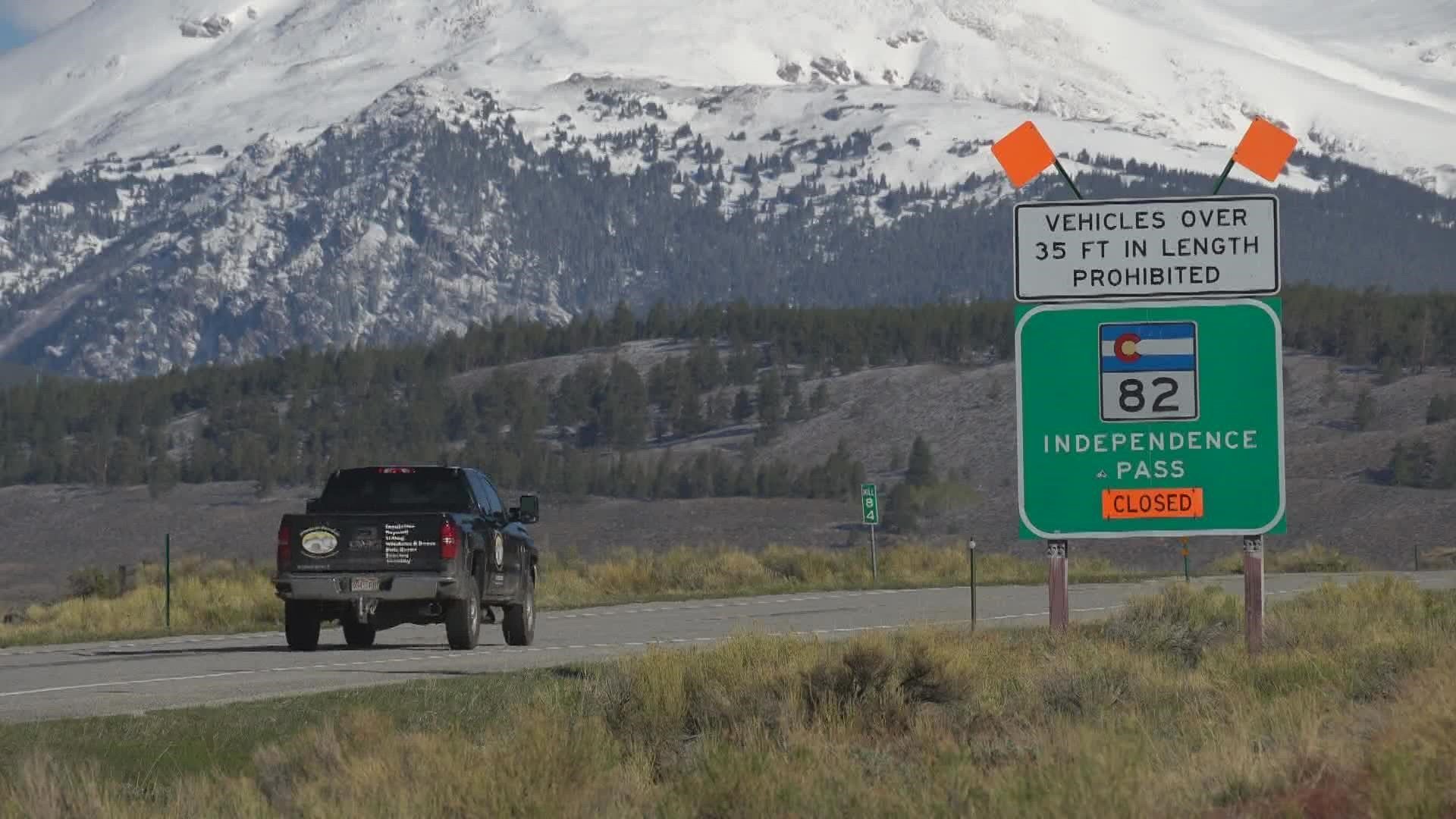
Historically, Independence Pass typically opens for vehicular traffic around Memorial Day weekend in late May and usually closes in early to mid-November, often around Veterans Day. These dates, however, are merely guidelines. The precise timing of the opening and closing is entirely dependent on prevailing weather conditions, snowpack levels, and the extensive work required by the Colorado Department of Transportation (CDOT) to plow and prepare the road for safe travel.
In years with exceptionally heavy snowfall, the opening can be delayed well into June, as plowing through drifts that can exceed 20 feet (6 meters) takes considerable time and effort. Similarly, an early heavy snowstorm in the fall can force an early closure, sometimes stranding travelers if conditions deteriorate rapidly. CDOT crews work tirelessly to clear the road, repair any damage from winter, and ensure guardrails and signage are in place before deeming it safe for public use. The journey over the pass is also subject to specific vehicle restrictions; commercial vehicles and vehicles over 35 feet in length are generally prohibited due to the road’s steep grades, narrow sections, and hairpin turns.
Checking Current Conditions: Essential Resources for Travelers
Given the variability of the pass’s operational status, relying on historical averages is insufficient. Before embarking on any trip that involves Independence Pass, it is absolutely essential to verify its current open/closed status. The most reliable sources for this information include:
- Colorado Department of Transportation (CDOT) Website: CDOT maintains an up-to-date road conditions website (COtrip.org) and a dedicated information line. This is the definitive source for real-time status updates, construction alerts, and any unforeseen closures due to weather or incidents.
- Local Visitor Centers: Tourist information centers in Aspen, Leadville, and Twin Lakes are excellent resources for local insights, current conditions, and travel advice.
- Weather Forecasts: Always check the mountain weather forecast for the Independence Pass area. Conditions at 12,000 feet can change dramatically and rapidly, even in summer, bringing sudden snow, hail, or heavy rain.
By diligently checking these resources, you can ensure your travel plans align with the pass’s availability, allowing you to experience this majestic route safely and without unexpected detours. Being prepared for sudden weather shifts, even if the pass is open, is also crucial for a smooth journey.
What Makes Independence Pass a Must-Visit Colorado Destination?
Once the gates are open, Independence Pass transforms into one of Colorado’s most spectacular scenic drives and a gateway to unparalleled natural beauty and outdoor adventure. It’s more than just a shortcut between two valleys; it’s a destination in itself, offering a diverse range of experiences for every type of traveler.
The Scenic Drive: A Journey Above the Clouds
Driving Independence Pass is an adventure from start to finish. The road, which features incredibly steep grades and dramatic switchbacks, climbs thousands of feet, offering panoramic views that continuously expand and evolve with every turn. As you ascend, the landscape transitions from dense aspen groves and pine forests to a treeless alpine tundra above the timberline. At the summit, you’re literally above the clouds, with expansive vistas of the surrounding Rocky Mountains, including several of Colorado’s famous “14ers” (mountains over 14,000 feet).
The journey over the pass offers numerous pull-offs and viewpoints where you can safely stop to soak in the scenery, take photographs, or simply breathe in the crisp mountain air. The raw, untamed beauty of the high alpine environment is awe-inspiring, characterized by rugged peaks, delicate wildflowers (in summer), and an immense sense of solitude, despite the road’s popularity. Crossing the actual Continental Divide marker at the summit is a highlight, signifying the point where waters flow either to the Pacific Ocean or the Atlantic Ocean. The drive itself is often cited as one of the most beautiful in the United States, a testament to Colorado’s unparalleled natural grandeur.
Activities and Attractions Along the Pass
The appeal of Independence Pass extends far beyond the scenic drive. The area surrounding the pass is a playground for outdoor enthusiasts.
- Hiking: Numerous trailheads dot the landscape, offering everything from easy strolls to challenging climbs. The Grottos Trail, located a short drive east of Aspen, is a popular, family-friendly option featuring ice caves, unique rock formations, and a beautiful waterfall. More strenuous hikes lead into the vast wilderness of the White River National Forest, offering opportunities for solitude and incredible views.
- Photography: With its dramatic landscapes, changing light, and diverse flora and fauna, the pass is a paradise for photographers. Autumn, when the aspen trees turn a brilliant gold, is particularly stunning, though summer wildflowers and crisp blue skies also offer endless opportunities.
- Picnicking: There are several designated picnic areas and countless spots to pull over and enjoy a meal amidst unparalleled natural beauty.
- Independence Ghost Town: Just below the summit on the Aspen side lies the historic remnants of Independence Ghost Town. Founded in 1879 during the Colorado Gold Rush, this fascinating site offers a tangible link to the region’s pioneering past. Visitors can explore the ruins of cabins and commercial buildings, gaining insight into the harsh lives of early miners and settlers. Interpretive signs provide context, making it a compelling stop for history buffs.
- Devil’s Punchbowl: A natural swimming hole and waterfall attraction, though visitors should exercise extreme caution due to cold temperatures and swift currents. It’s more often enjoyed for its scenic beauty than for actual swimming.
These attractions provide diverse ways to engage with the natural and historical fabric of Independence Pass, making every visit a rich tapestry of exploration and discovery.
Beyond the Summit: Exploring Aspen and Twin Lakes
The strategic location of Independence Pass connects two distinct and captivating areas of Colorado, each offering its own unique charm and attractions.
On the western side, nestled at a lower elevation in the Roaring Fork Valley, is the world-renowned town of Aspen. Famous for its luxury ski resorts, high-end boutiques, vibrant arts scene, and gourmet dining, Aspen offers a sophisticated complement to the rugged beauty of the pass. Visitors can enjoy a plethora of activities, from hiking and biking in the summer to skiing and snowboarding in the winter (when the pass is closed). Aspen is also a cultural hub, home to the Aspen Music Festival and School and the Aspen Art Museum, offering a rich array of experiences before or after your alpine journey.

To the east of the pass, the landscape transforms into a more rustic and historically rich environment. The pristine glacial lakes known as Twin Lakes provide a serene backdrop for fishing, boating, and camping. This tranquil area, often overlooked in favor of Aspen’s glamour, offers breathtaking views of Mount Elbert and Mount Massive, Colorado’s two highest peaks. Further east, the historic city of Leadville, sitting at 10,152 feet (3,094 meters) and the highest incorporated city in North America, immerses visitors in the Silver Boom era. Its well-preserved Victorian architecture, mining museums, and charming downtown offer a step back in time, providing a stark contrast to the modern luxury of Aspen. Together, these communities frame the Independence Pass experience, providing diverse starting and ending points for an unforgettable Colorado adventure.
Planning Your Trip: Accommodation and Logistics for a High-Altitude Experience
A successful trip over Independence Pass involves more than just knowing if it’s open. Careful planning, especially concerning accommodation and high-altitude readiness, is crucial for an enjoyable and safe journey. The pass traverses both Pitkin County and Lake County, offering diverse lodging and dining options.
Where to Stay: Hotels and Resorts Near Independence Pass
The choice of accommodation largely depends on your travel style and budget, with options ranging from luxurious resorts to quaint inns and rustic campgrounds.
- Aspen: The Epitome of Luxury and Style
If your preference leans towards luxury travel and world-class amenities, Aspen is the ideal base. Here, you’ll find an array of five-star resorts and boutique hotels catering to discerning travelers. Iconic establishments like The Little Nell, known for its unparalleled service and ski-in/ski-out access, and the historic Hotel Jerome, a Marriott Autograph Collection property blending Victorian charm with modern elegance, offer exquisite experiences. Other notable options include the St. Regis Aspen Resort and the contemporary Limelight Hotel Aspen. These properties often provide luxury suites, exceptional dining, spa services, and concierge assistance for planning local activities. - Twin Lakes & Leadville: Historic Charm and Budget-Friendly Stays
For travelers seeking a more authentic Colorado experience, or those on a budget, the eastern side of the pass offers charming alternatives.- Twin Lakes: Accommodation here is typically more rustic, featuring historic cabins, small inns, and abundant camping opportunities around the lakes themselves. The setting is ideal for nature lovers looking for a serene escape.
- Leadville: This historic mining town boasts a range of accommodation options, from cozy bed and breakfasts to budget-friendly motels. The Delaware Hotel, a beautifully preserved Victorian hotel, offers a glimpse into the town’s rich past with comfortable rooms and a central location. For a unique stay, consider the Inn the Clouds Hostel & Inn, providing a communal atmosphere and affordable lodging for hikers and backpackers.
- Vacation Rentals: Throughout the region, vacation rentals (apartments, cabins, and homes) are also a popular choice, offering flexibility and often more space, particularly for families or longer stays.
- Camping: For the ultimate connection with nature, numerous campgrounds are available in the White River National Forest and near Twin Lakes. Reservations are highly recommended, especially during peak season.
Essential Tips for Safe Travel and High-Altitude Acclimatization
Traveling to such high elevations requires specific precautions to ensure safety and comfort.
- High-Altitude Sickness: The sudden change in elevation can cause acute mountain sickness (AMS). Symptoms include headache, nausea, dizziness, and fatigue. To mitigate this, acclimatize slowly. Spend a day or two at a lower elevation (e.g., Denver or Colorado Springs) before ascending to the pass. Stay hydrated by drinking plenty of water, avoid alcohol and excessive caffeine, and eat light meals. If symptoms worsen, descend immediately.
- Vehicle Preparation: Ensure your vehicle is in good working order. Check tires, brakes, and fluid levels. The grades are steep, and the turns are sharp. A full tank of gas is advisable as services are limited on the pass itself.
- Weather Variability: Mountain weather is notoriously unpredictable. Pack layers of clothing, even in summer, including a waterproof jacket, hat, and gloves. Be prepared for sudden drops in temperature, rain, or even snow, regardless of the forecast.
- Sun Protection: At high altitudes, the sun’s UV rays are significantly more intense. Use high-SPF sunscreen, wear sunglasses, and a wide-brimmed hat.
- Leave No Trace: Practice responsible tourism. Pack out everything you pack in, stay on marked trails, and respect wildlife. The fragile alpine ecosystem depends on mindful visitors.
- Limited Cell Service: Expect spotty to no cell service on much of the pass. Download maps and essential information offline.
Dining and Local Experiences Around the Pass
The culinary scene surrounding Independence Pass mirrors the diverse character of its gateway towns.
- Aspen: Known for its upscale dining, Aspen boasts a Michelin-star restaurant and numerous establishments offering international cuisine, farm-to-table dishes, and vibrant nightlife. You can find anything from elegant fine dining at Element 47 in The Little Nell to casual yet gourmet options and lively bars.
- Leadville: Offering a stark contrast, Leadville’s dining scene is more down-to-earth, reflecting its mining heritage. Expect hearty comfort food, classic American fare, and charming local eateries. The city also features unique cafes and historic saloons that serve as a social hub for locals and visitors alike.
- Twin Lakes: Dining options here are limited but authentic, usually centered around rustic cafes or general stores offering basic provisions. It’s the perfect spot for a scenic picnic by the lake with provisions brought from a larger town.
Beyond dining, engage with local culture through events, artisan shops, and the vibrant arts communities in Aspen or the rich historical tours available in Leadville. These local experiences enrich your understanding and appreciation of the Colorado high country, making your journey over Independence Pass a truly holistic travel experience.
A Landmark Journey: The Historical and Natural Significance of Independence Pass
Independence Pass is not just a geological marvel or a scenic route; it is deeply woven into the fabric of Colorado’s history and stands as a testament to the enduring power of nature. Its existence and the efforts to traverse it tell a compelling story of human endeavor and environmental preservation.
A Glimpse into Colorado’s Mining History
The history of Independence Pass is inextricably linked to the fervor of the Colorado Gold Rush and Silver Boom of the late 19th century. Long before it became a popular scenic drive, the pass was a critical artery for prospectors and miners seeking their fortune in the rich mineral deposits of the Rocky Mountains.
In 1879, a group of prospectors discovered gold near the pass, leading to the rapid establishment of the town of Independence. This boomtown, though short-lived due to the harsh conditions and the discovery of richer lodes elsewhere, symbolized the rugged determination of early settlers. The pass itself provided the most direct route between the booming mining camps of Leadville and the nascent settlement that would become Aspen, which thrived on silver mining. Miners, merchants, and mules laden with supplies and ore braved the treacherous conditions of the pass, battling deep snows and dangerous terrain.
The construction of the modern road, Highway 82, was a monumental feat of engineering, slowly evolving from a rudimentary wagon trail to the paved highway we know today. It stands as a legacy to the pioneers who dared to conquer the formidable mountain landscape, shaping the economic and cultural development of Colorado’s high country. Exploring the remnants of Independence Ghost Town offers a tangible connection to this adventurous and often arduous period of history, allowing visitors to walk among the echoes of a bygone era.
Preserving Nature: The White River National Forest
Beyond its historical significance, Independence Pass is a critical component of the ecological landscape of Colorado. Much of the pass traverses through the White River National Forest, the most visited national forest in the United States. This vast expanse of protected land encompasses a stunning diversity of ecosystems, from dense coniferous forests at lower elevations to the fragile alpine tundra near the summit.
The forest is home to a wide array of wildlife, including elk, deer, moose, marmots, pikas, and various bird species. The delicate balance of this high-altitude environment is meticulously managed by the U.S. Forest Service, aiming to preserve its natural integrity while allowing for responsible public access. Visitors to Independence Pass are encouraged to adhere to “Leave No Trace” principles to minimize their impact on this sensitive ecosystem. This includes staying on marked trails, packing out all trash, and refraining from disturbing wildlife or natural features.
The pass also offers unparalleled views of some of Colorado’s most iconic peaks. From the summit, one can often spot the majestic Mount Elbert (14,433 ft / 4,399 m) and Mount Massive (14,421 ft / 4,396 m), the two highest points in the state. These peaks are not only geological titans but also vital watersheds and habitats. The commitment to preserving areas like the White River National Forest ensures that future generations can continue to marvel at the pristine beauty and ecological richness that defines Independence Pass and the surrounding Colorado Rockies.
In conclusion, Independence Pass is far more than a seasonal road; it is a gateway to adventure, a living museum of history, and a sanctuary of unparalleled natural beauty. Its opening signifies the dawn of summer and fall exploration in the Colorado high country, inviting travelers to embark on a journey that promises breathtaking scenery, rich historical insights, and a profound connection to the wild heart of the Rocky Mountains. By staying informed about its seasonal status and planning thoughtfully, you can ensure your visit to this magnificent landmark is safe, enriching, and truly unforgettable.
LifeOutOfTheBox is a participant in the Amazon Services LLC Associates Program, an affiliate advertising program designed to provide a means for sites to earn advertising fees by advertising and linking to Amazon.com. Amazon, the Amazon logo, AmazonSupply, and the AmazonSupply logo are trademarks of Amazon.com, Inc. or its affiliates. As an Amazon Associate we earn affiliate commissions from qualifying purchases.