
For many prospective travelers and locals alike, understanding the legal landscape of entertainment options is a key part of planning their lifestyle and travel experiences. When it comes to internet gambling, the question of its legality in Texas is frequently raised, particularly given the state’s significant size, diverse population, and burgeoning tourism industry. For those accustomed to the digital conveniences of modern life, the ability to engage in online betting can seem like a natural extension of their leisure activities. However, the reality in the Lone Star State presents a much more conservative picture regarding online wagering.
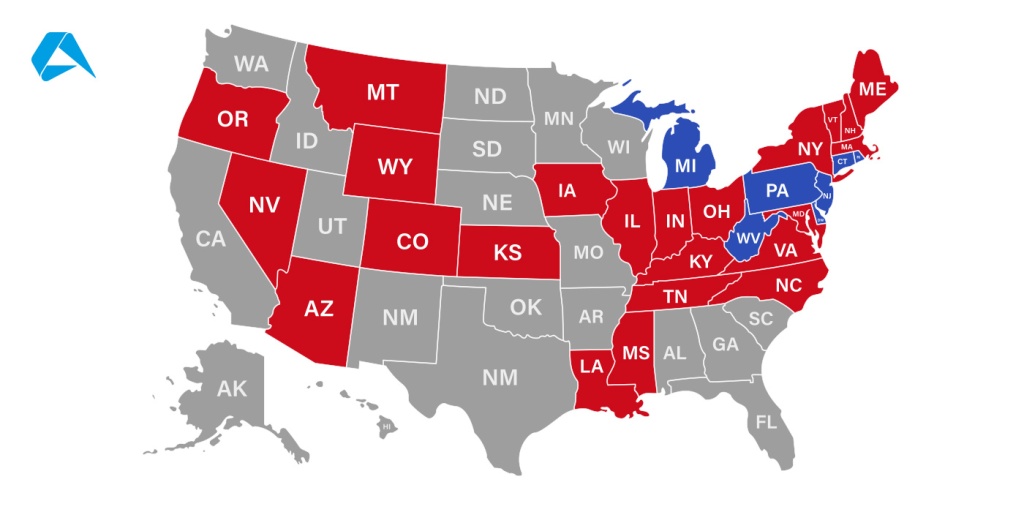
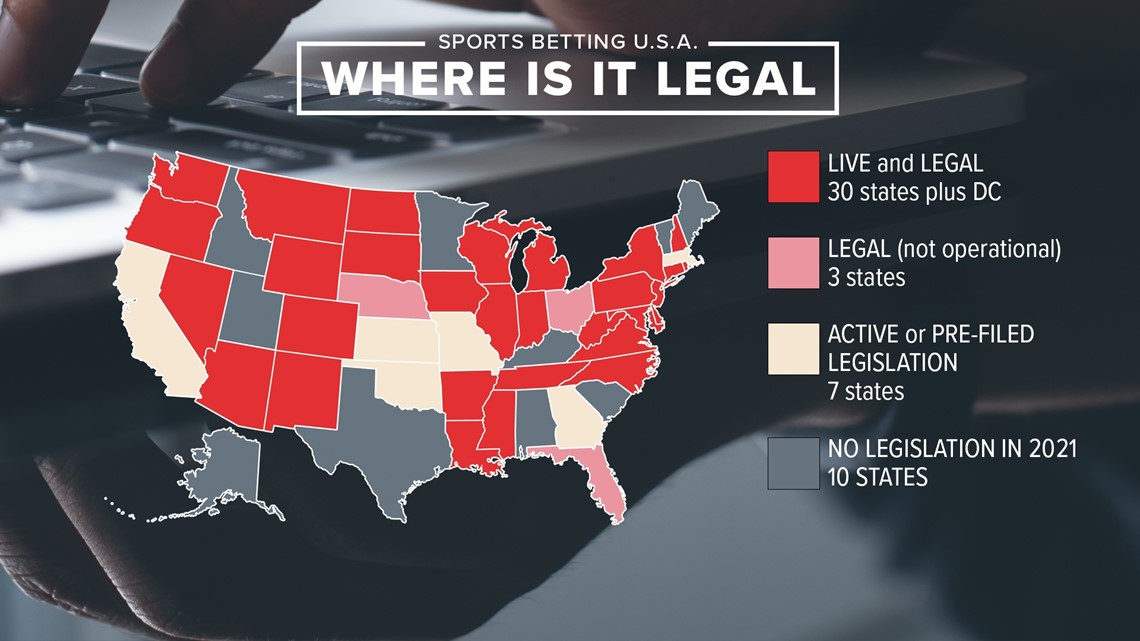
Currently, internet gambling is not legal in Texas. The state maintains some of the most stringent anti-gambling laws in the United States, and this strict stance extends unequivocally to online casinos, sports betting platforms, and other forms of digital wagering. While many other states have moved to legalize and regulate various forms of online gambling, Texas has held firm, primarily due to a strong cultural and political resistance to expanding gambling opportunities. This legal framework significantly shapes the tourism, lifestyle, and accommodation choices available to visitors and residents, dictating the types of entertainment experiences one can pursue within the state’s borders.
The Current Legal Landscape of Gambling in Texas
Understanding the nuances of gambling laws in Texas is crucial for anyone planning a visit or considering a long-term stay. The state’s approach is rooted in a historical aversion to most forms of wagering, creating a unique environment compared to more gambling-friendly destinations like Nevada or Louisiana.
A Strict Stance on Online Wagering
The primary reason internet gambling remains illegal in Texas is the state’s constitution, which broadly prohibits most forms of gambling. Any activity not explicitly permitted by law is considered illegal. Since there is no specific legislation authorizing or regulating online gambling, it falls squarely into the prohibited category. This means that engaging in online casino games, poker, or sports betting from within Texas jurisdiction, even on offshore sites, carries legal risks, although enforcement against individual players is rare. The focus of law enforcement tends to be on those operating illegal gambling enterprises rather than individual participants.
For travelers, this implies that you won’t find advertisements for regulated online sportsbooks or casino apps when you land at Dallas Fort Worth International Airport or are enjoying the vibrant nightlife of Austin. Accommodation providers, from luxury resorts to budget-friendly apartments, also adhere to these regulations, ensuring their offerings do not facilitate illegal gambling activities. This contrasts sharply with states where hotels often partner with sportsbooks or offer in-room gaming options.
Limited Forms of Legal Gambling
Despite the overarching prohibition, a few specific forms of gambling are legally permitted in Texas, primarily as exceptions carved out by law. These include:
- The Texas Lottery: Operated by the state, the Texas Lottery offers various draw games and scratch-off tickets. Proceeds benefit public education and veterans’ programs, making it a socially accepted form of light gambling that contributes to state services. Travelers can easily find lottery retailers in convenience stores, gas stations, and supermarkets across the state, offering a casual and legal way to try their luck.
- Horse Racing and Dog Racing (Pari-mutuel Wagering): Texas allows pari-mutuel betting on live horse races at licensed racetracks, such as Lone Star Park in Grand Prairie or Sam Houston Race Park in Houston. Greyhound racing was once legal but has since ceased operations. These venues offer a unique travel experience, combining the thrill of the race with dining, entertainment, and a vibrant social atmosphere, making them popular attractions for tourists interested in equestrian sports and a touch of traditional wagering.
- Charitable Bingo and Raffles: Non-profit organizations are permitted to host bingo games and raffles to raise funds for their causes. These activities are heavily regulated to ensure their charitable purpose and prevent commercial exploitation.
- Native American Casinos: Texas is home to a few tribal lands that operate gaming facilities under federal law, despite the state’s general prohibition. The Kickapoo Traditional Tribe of Texas operates Kickapoo Lucky Eagle Casino Hotel near Eagle Pass, offering Class II gaming machines (which resemble slot machines but are technically based on bingo). The Alabama-Coushatta Tribe of Texas also operates Naskila Gaming near Livingston, and the Tigua Indian Tribe runs Speaking Rock Entertainment Center in El Paso. These establishments offer a unique blend of entertainment, dining, and sometimes resort-style accommodation, providing a destination for those seeking a casino experience within the state. However, they are few and far between, requiring specific travel plans, unlike the ubiquitous online options in other regions.
These limited options highlight the careful balance Texas strikes, allowing some forms of regulated gambling while firmly rejecting the expansion into online platforms. This legal framework significantly influences the types of travel, tourism, and lifestyle experiences available to visitors.
Implications for Travelers and Tourists in Texas
The absence of legal internet gambling in Texas means that visitors and residents alike must adjust their expectations regarding leisure activities. Instead of online gaming, the focus shifts to the state’s rich cultural heritage, natural beauty, and vibrant urban centers.
Navigating Texas’s Unique Entertainment Scene
For those traveling to Texas, the entertainment landscape is dominated by diverse experiences rather than casino floors or online betting apps. Tourists will find themselves immersed in a culture that prides itself on its history, music, food, and outdoor adventures.
Cities like Austin are renowned for their live music scene, hosting major festivals like South by Southwest (SXSW) and Austin City Limits Music Festival. Dallas and Houston boast world-class museums, performing arts venues, and sophisticated dining experiences. San Antonio offers historical landmarks such as The Alamo and the picturesque Riverwalk, perfect for leisurely strolls and al fresco dining.
This emphasis on tangible, in-person experiences defines the travel lifestyle in Texas. Rather than retreating to a hotel room for online poker, visitors are encouraged to explore the local culture, engage with communities, and discover the unique charm of each destination. This creates a different kind of luxury travel or budget travel experience, one focused on authentic engagement with the locale.
Alternative Leisure and Lifestyle Activities
With online gambling off the table, Texas shines brightly with its vast array of alternative leisure activities. For those seeking thrill and excitement, there are amusement parks, waterparks like Schlitterbahn Waterpark on the Gulf Coast, and professional sports events featuring teams like the Dallas Cowboys, Houston Texans, and San Antonio Spurs. These events provide a communal sense of excitement and entertainment that often surpasses the solitary experience of online betting.
Outdoor enthusiasts will find endless opportunities, from hiking and camping in Big Bend National Park or Palo Duro Canyon State Park to relaxing on the beaches of South Padre Island. Wine tasting tours in the Fredericksburg Hill Country offer a sophisticated lifestyle experience, showcasing local vineyards and culinary delights. These activities cater to various interests and travel styles, from family trips to romantic getaways or solo adventures.
Accommodation Choices and Their Offerings
Hotels and accommodation providers in Texas have adapted to this legal environment by focusing on amenities and services that enhance guests’ overall stay without incorporating gambling. Luxury hotels in Dallas, Houston, and Austin often feature opulent spas, gourmet restaurants, rooftop pools, and exclusive lounges that provide high-end lifestyle experiences. Resorts, whether in urban settings or scenic natural locales, emphasize wellness programs, golf courses, tennis courts, and diverse recreational activities.
Boutique hotels and unique apartments cater to those seeking local culture, offering proximity to landmarks, arts districts, and culinary hotspots. Even budget-friendly hotels prioritize comfort, convenience, and access to local attractions. The absence of gambling means that these establishments concentrate on providing genuine hospitality, immersive local experiences, and a wide array of amenities that foster relaxation and enjoyment, rather than relying on the allure of a casino. For instance, a family might choose Moody Gardens in Galveston for its aquariums and adventure park rather than a resort with a casino floor. This focus on traditional hospitality and entertainment experiences reinforces the distinct Texan approach to tourism.
The Potential Future: What if Online Gambling Comes to Texas?
While current laws are restrictive, the debate over legalizing internet gambling in Texas is an ongoing one, with various stakeholders advocating for change. Were the state to shift its stance, the implications for tourism, hotels, and the overall lifestyle could be transformative.
Economic Impact on Tourism and Hotel Industry
The legalization of online gambling could unleash a significant economic boom for Texas. States that have legalized online sports betting and casinos have reported substantial tax revenues, which could be channeled into public services, infrastructure, and tourism initiatives. For the hotel industry, this could mean increased occupancy rates, particularly for hotels that might partner with online gambling operators or that are located near potential brick-and-mortar casino developments, if those were also to follow.
Imagine luxury suites in Dallas or Houston offering seamless access to regulated online sportsbooks, or resorts in San Antonio hosting poker tournaments with digital components. This could attract a new demographic of travelers who seek integrated entertainment options, potentially leading to the development of new resorts and entertainment complexes, much like those seen in Las Vegas or Atlantic City. The competition for tourist dollars from neighboring states like Louisiana and Oklahoma (home to WinStar World Casino and Resort, one of the world’s largest casinos, which draws heavily from the Texas market) would also be lessened.
New Attractions and Lifestyle Experiences
Legalized online gambling would not only bring economic benefits but also introduce new lifestyle experiences for residents and visitors. Imagine dedicated sports bars in Fort Worth and Austin where patrons could legally place bets on games while enjoying local craft beers and gourmet food. High-end resorts could offer “stay and play” packages combining luxurious accommodation with access to exclusive online gaming promotions. This would diversify the leisure landscape, offering more choices for entertainment and enhancing Texas’s appeal as a comprehensive travel destination.
For digital nomads or business travelers who often integrate work and leisure, the ability to engage in online gambling could be an added perk, making their stays more enjoyable. It could also spur innovation in the hospitality sector, with hotels and resorts developing new technologies and services to cater to this expanded market.
Regulatory Challenges and Opportunities
The path to legalization is fraught with regulatory challenges, from establishing robust licensing frameworks and responsible gaming measures to addressing potential social impacts. However, it also presents significant opportunities. A well-regulated market could protect consumers, generate substantial tax revenue, and create thousands of jobs within the technology, hospitality, and service sectors. It would also allow Texas to have greater control over an activity that many residents already engage in through unregulated channels.
The discussion continues in the state legislature, with proponents highlighting economic benefits and increased tourist appeal, while opponents emphasize social concerns. The outcome will undoubtedly shape the future of entertainment and leisure for millions, fundamentally altering the fabric of travel and lifestyle within the state.
Exploring Texas Beyond the Card Table: A Guide for Visitors
Even without legal internet gambling, Texas remains an incredibly appealing destination, offering a wealth of experiences that cater to every type of traveler. Its unique blend of history, culture, and natural beauty ensures a fulfilling and memorable visit.
Iconic Landmarks and Cultural Experiences
Texas is dotted with iconic landmarks that tell the story of its rich past and vibrant present. In San Antonio, a visit to The Alamo and the San Antonio Missions National Historical Park is a journey back in time, reflecting the state’s Spanish colonial heritage. The bustling Riverwalk offers dining and entertainment in a picturesque setting.
Houston is home to Space Center Houston, a must-see for space enthusiasts, and the impressive Museum of Fine Arts, Houston. In Dallas, the Sixth Floor Museum at Dealey Plaza offers a poignant historical perspective, while the Dallas Arts District boasts world-class museums and performance venues. Fort Worth provides an authentic Western experience at the Fort Worth Stockyards National Historic District, alongside exceptional art museums like the Kimbell Art Museum and the Amon Carter Museum of American Art. These destinations are cornerstones of tourism and offer deep dives into local culture.
Diverse Accommodation Options for Every Lifestyle
From charming bed and breakfasts in the Texas Hill Country town of Fredericksburg to luxurious beachfront resorts in Galveston and South Padre Island, Texas offers an array of accommodation choices to suit any travel budget or lifestyle. Travelers can find family-friendly hotels with extensive amenities, romantic boutique stays, or expansive resorts perfect for a lavish escape. For those seeking adventure, camping and glamping options are available near natural wonders like Big Bend National Park and Enchanted Rock State Natural Area.
Business travelers will find modern suites and conference facilities in major cities like Plano and Corpus Christi, while those on a budget can access a wide selection of hotels and vacation rentals. The focus remains on comfort, convenience, and access to local attractions, ensuring that every stay is an integral part of the overall travel experience.
Travel Tips for a Fulfilling Texas Adventure
To make the most of your Texas adventure, consider these tips:
- Plan Ahead: Texas is vast, so research your destinations and activities to optimize your travel time.
- Embrace the Outdoors: From state parks to coastal beaches, take advantage of the diverse natural landscapes for hiking, biking, swimming, or simply relaxing.
- Savor the Cuisine: Don’t miss out on authentic Texas BBQ, Tex-Mex, and diverse international dining options in major cities. Food tourism is a significant part of the Texas experience.
- Experience Local Culture: Attend a rodeo, visit a honky-tonk, or explore a local art gallery to truly immerse yourself in the Texan lifestyle.
- Stay Informed: While online gambling is off-limits, always check for any updates on state laws, as legislative discussions are ongoing.
In conclusion, while internet gambling remains illegal in Texas, the state offers an unparalleled wealth of attractions, experiences, and accommodation options that ensure a rich and memorable travel experience. From its bustling cities and historical landmarks to its breathtaking natural beauty and vibrant cultural scene, Texas provides a unique and fulfilling journey for every traveler seeking adventure, relaxation, or cultural immersion, all without needing to place a single online bet. The allure of the Lone Star State lies in its grand scale, genuine hospitality, and diverse offerings that extend far beyond the virtual world of gambling.
LifeOutOfTheBox is a participant in the Amazon Services LLC Associates Program, an affiliate advertising program designed to provide a means for sites to earn advertising fees by advertising and linking to Amazon.com. Amazon, the Amazon logo, AmazonSupply, and the AmazonSupply logo are trademarks of Amazon.com, Inc. or its affiliates. As an Amazon Associate we earn affiliate commissions from qualifying purchases.