
Ah, Florida. The very name conjures images of sun-drenched beaches, vibrant theme parks, and the laid-back lifestyle that many dream of. It’s a perennial favorite for travelers seeking a warm escape, a haven for retirees, and a bustling hub for families on vacation. Whether you’re planning a luxurious getaway to a five-star resort in Miami, a budget-friendly adventure exploring the Everglades, or a long-term stay in a charming villa on the Gulf Coast, the Sunshine State offers an unparalleled diversity of experiences. From the historic cobblestone streets of St. Augustine to the bustling energy of Orlando, and the serene beauty of the Florida Keys, there’s a corner of Florida for every kind of traveler.
However, for many who flock to its shores, there’s a less glamorous aspect to consider: the notorious allergy season. The Sunshine State, with its abundant sunshine and diverse flora, also presents a unique challenge for those sensitive to pollen and other environmental allergens. This article delves into the intricacies of allergy season in Florida, helping you plan your trip or even your year-round living experience with this crucial factor in mind. We’ll explore the timing, the triggers, and offer practical tips for managing symptoms so you can fully enjoy all that Florida has to offer, from its iconic landmarks to its hidden gems.
Understanding Florida’s Allergy Calendar
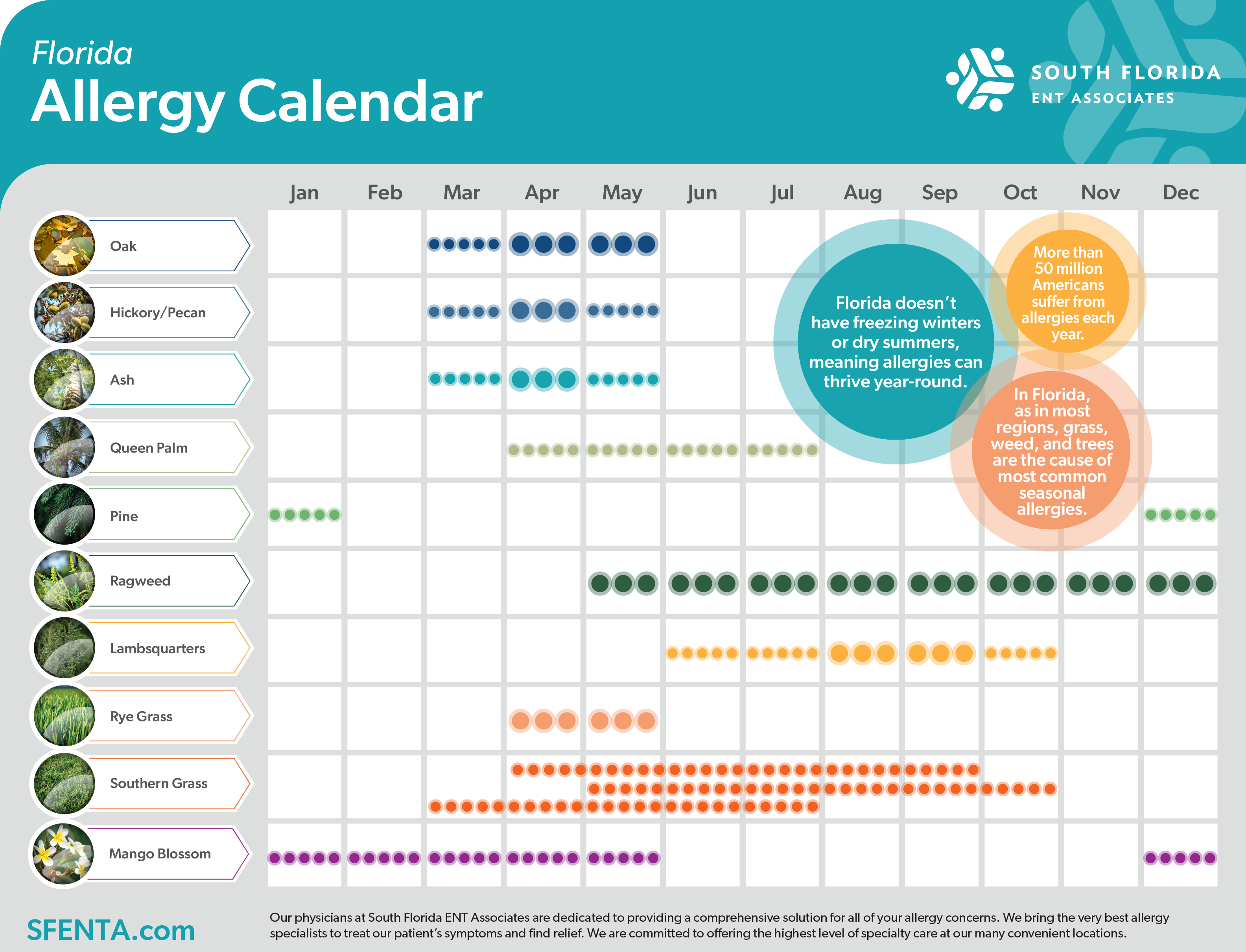
Florida‘s unique subtropical climate, characterized by warm temperatures and high humidity for much of the year, creates a fertile ground for a wide array of plants that produce pollen. Unlike regions with distinct, cold winters that halt plant growth, Florida experiences a more continuous cycle of blooming, leading to a prolonged allergy season.
Spring: The Initial Onslaught
The most widely recognized allergy season in Florida typically begins in late winter and stretches through spring. As the weather warms in February and March, trees like oaks, pines, and cypress trees begin their pollination. This is often when many Floridians experience the first major wave of symptoms. The air can become thick with tree pollen, particularly in the more heavily wooded areas of the state.
Tree Pollen Peak
- Early Spring (February – April): This period is dominated by tree pollens. Broadleaf trees, such as Live Oaks and Cypress, release vast amounts of allergenic particles. Pine trees, with their distinctive yellow dust, also contribute significantly to the pollen count during this time. For visitors and residents alike, this can mean itchy eyes, sneezing, and a runny nose, especially in the morning hours when pollen counts are often highest.
Summer: Mold and Grasses Take Center Stage
As spring gives way to summer, the focus of allergy sufferers shifts. While tree pollen may decrease, the high humidity and frequent rainfall create an ideal environment for mold growth. Additionally, grasses begin their active growth and pollination.
Grass and Mold Bloom
- Late Spring to Summer (May – August): Grass pollens become a significant allergen during the summer months. Bermuda grass, Bahia grass, and Zoysia grass are common in Florida and contribute to airborne allergens. Simultaneously, the damp conditions foster mold growth both outdoors, in decaying vegetation and damp soil, and indoors, if humidity is not controlled. People sensitive to mold spores may find their symptoms persisting or even worsening during this period. This is particularly relevant for those staying in older accommodations or exploring areas with dense vegetation.
Fall: A Lingering Threat
Many believe that fall brings a welcome reprieve, but in Florida, it can still present allergy challenges. While the intensity of tree pollen may not reach spring levels, certain plants continue to release their allergenic particles, and mold remains a concern.
Ragweed and Late Bloomers
- Autumn (September – November): Ragweed is a notorious fall allergen, and while more prevalent in other parts of the country, it can still be found in Florida, especially in disturbed areas like roadsides and fields. Other plants may also continue to pollinate, and the lingering warmth can keep mold spores active. For travelers visiting during this time, particularly for events like the Epcot International Food & Wine Festival, it’s wise to be prepared.
Managing Allergy Symptoms for an Enjoyable Florida Experience
Whether you’re planning a family trip to Walt Disney World or a relaxing escape to a beach resort on the Emerald Coast, being prepared for allergy season can significantly enhance your experience. Understanding your triggers and taking proactive steps are key to enjoying Florida‘s attractions without constant discomfort.
Pre-Trip Preparations and Travel Tips
For any traveler, especially those prone to allergies, a little foresight goes a long way. Consulting with your doctor before your trip is highly recommended. They can advise on the best antihistamines, nasal sprays, or other medications to manage your specific symptoms. Packing a small first-aid kit with your necessary medications is essential.
Essential Packing and Health Advice
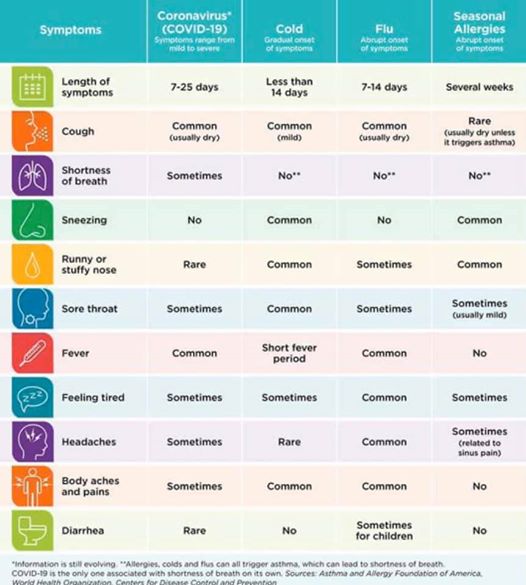
- Medication Checklist: Ensure you have an adequate supply of your prescription and over-the-counter allergy medications. Don’t underestimate the duration of your trip.
- Nasal Rinses: Saline nasal rinses or sprays can be incredibly effective at clearing pollen and irritants from your nasal passages.
- Protective Eyewear: Sunglasses can help shield your eyes from airborne allergens and the bright Florida sun.
- Masks: For high pollen days or if you are particularly sensitive, consider bringing high-quality masks, especially if you plan on outdoor activities.
- Allergy Information: Familiarize yourself with local pollen counts. Many weather apps and websites provide daily allergy forecasts.
Choosing Your Accommodation Wisely
The type of accommodation you choose can have a significant impact on your allergy symptoms. While hotels and resorts often have sophisticated air filtration systems, certain environments might be more conducive to allergen exposure.
Factors to Consider for Allergy-Friendly Stays
- Air Filtration: When booking a hotel or resort, inquire about their air conditioning and filtration systems. Modern systems with HEPA filters can significantly reduce allergens in the room.
- Location: If possible, opt for locations away from dense forests or areas known for high pollen counts during your visit. Coastal areas often benefit from sea breezes that can help clear inland pollen.
- Newer Buildings: Newer accommodations may have better ventilation and less opportunity for mold to develop compared to older structures.
- Non-Smoking Rooms: Florida has strict non-smoking policies, but always confirm your room is designated as non-smoking, as smoke can exacerbate respiratory issues.
- Villas and Apartments: If considering a long-term stay in a villa or apartment, ensure it has good ventilation and inquire about recent mold inspections or maintenance.
Navigating Florida’s Attractions and Activities
Florida offers an incredible array of attractions, from the theme parks of Orlando to the natural wonders of the Everglades. Managing allergies while enjoying these experiences is entirely possible with a strategic approach.
Outdoor vs. Indoor Activities
- Embrace Indoor Attractions on High Pollen Days: On days with very high pollen counts, consider prioritizing indoor activities. This could include visiting world-class museums like the John and Mable Ringling Museum of Art in Sarasota, exploring aquariums like the Georgia Aquarium (though technically not in Florida, it’s a common addition for those traveling from afar and a good example of indoor attractions), or enjoying the extensive shopping and dining options available in cities like Tampa and Fort Lauderdale. Many resorts also offer indoor amenities like spas and lounges.
- Strategic Outdoor Planning: When venturing outdoors, plan your activities for times of day when pollen counts are typically lower, often in the late afternoon or early evening. For example, a sunset stroll on Clearwater Beach might be more pleasant than an early morning hike. If visiting theme parks like Universal Studios Florida or SeaWorld Orlando, take advantage of air-conditioned queues and indoor shows.
- Nature Exploration: For nature enthusiasts, visiting during the shoulder seasons might be preferable. Early fall or late spring can offer a good balance. When exploring natural areas like Wekiwa Springs State Park or the Bok Tower Gardens, consider checking pollen forecasts and carrying your emergency allergy relief.
Beyond the Bloom: Other Environmental Allergens in Florida
While pollen is the most significant seasonal allergen in Florida, it’s not the only one. The state’s warm, humid climate can also contribute to other allergy-inducing factors that are present year-round or seasonally, irrespective of the pollen calendar.
The Ubiquitous Presence of Mold
Florida‘s high humidity levels create an environment where mold thrives, both indoors and outdoors. This is particularly true in coastal regions and during the wetter months of summer.
Indoor and Outdoor Mold Concerns
- Outdoor Mold: Decaying leaves, damp soil, and humid environments are prime breeding grounds for outdoor mold spores. Areas with dense vegetation, such as the Ocala National Forest, or even just a shaded, damp corner of a garden can harbor significant amounts of mold.
- Indoor Mold: If not properly managed, mold can proliferate inside homes and accommodations. Leaks, condensation, and inadequate ventilation can lead to mold growth, especially in bathrooms, kitchens, and basements. This is why it’s crucial to ensure your chosen accommodation is well-maintained and properly ventilated. Travelers staying in older buildings or those who are highly sensitive to mold should be particularly vigilant.
Dust Mites and Pet Dander
These allergens are not strictly seasonal but can be exacerbated by indoor environments, especially during the times when people spend more time indoors due to weather or higher pollen counts.
Year-Round Irritants
- Dust Mites: These microscopic creatures thrive in warm, humid environments and are commonly found in bedding, carpets, and upholstery. Frequent vacuuming and washing of linens in hot water can help mitigate their presence.
- Pet Dander: While not unique to Florida, pet dander is a common allergen for many. If you’re planning to visit friends or family who own pets, or if your accommodation allows pets, consider taking preventative measures. Many hotels offer hypoallergenic rooms upon request.
Conclusion: Enjoying the Sunshine State, Allergy or Not
Florida’s allure is undeniable, drawing millions of visitors each year to its diverse landscapes, world-class attractions, and vibrant culture. While allergy season is a reality for many, it doesn’t have to be a deterrent. By understanding the seasonal patterns of allergens, being proactive with your health preparations, and making informed choices about your accommodation and activities, you can significantly minimize the impact of allergies.
From the theme parks of Orlando to the tranquil beaches of Sanibel Island, and the historical charm of St. Augustine, Florida offers endless possibilities for exploration and enjoyment. Whether you’re a first-time visitor or a seasoned resident, a little knowledge and planning can ensure your Florida experience is filled with sunshine and pleasant memories, not sneezes and itchy eyes. So, pack your allergy medication along with your sunscreen, and get ready to embrace all that the Sunshine State has to offer.