
The evergreen city of Seattle, known for its iconic Space Needle, vibrant coffee culture, and stunning natural beauty, often sparks curiosity about its winter weather. Among the most frequent questions is the one that echoes across forums and travel planning boards: “Is it going to snow in Seattle this year?” For those planning a visit, or even for residents looking ahead, understanding Seattle’s winter precipitation patterns is key to setting expectations and perhaps even planning a magical, snow-dusted getaway.
Seattle is nestled in the Pacific Northwest, a region often characterized by its temperate, rainy climate. Unlike many inland cities that experience dramatic temperature swings and heavy snowfall, Seattle’s coastal location significantly influences its weather. The nearby Puget Sound and the prevailing oceanic air masses tend to moderate temperatures, keeping winters milder than many might expect. This doesn’t mean snow is entirely out of the question, but it does mean that a full-blown blizzard is a less common occurrence than in many other parts of the country.

For travelers dreaming of a white Christmas or a picturesque winter landscape, it’s important to temper expectations. While Seattle does receive precipitation during the winter months, it more frequently manifests as rain or a cold drizzle rather than thick blankets of snow. However, this doesn’t diminish the charm of a Seattle winter. The city transforms in its own unique way, with a cozy atmosphere, festive lights adorning the streets, and the surrounding mountains often dusted with snow, offering a stunning backdrop to urban exploration.
This article will delve into the nuances of Seattle’s winter weather, exploring the likelihood of snow, the typical patterns of its occurrence, and what visitors can expect if they choose to experience the city during its colder months. We’ll also touch upon how to make the most of a winter visit, whether or not snow graces the city’s sidewalks.
Understanding Seattle’s Winter Climate
Seattle’s reputation for rain is well-earned. The city experiences its wettest months typically from October through March. However, the type of precipitation is highly dependent on temperature. When temperatures hover just above freezing, rain is the dominant form. For snow to accumulate, temperatures need to consistently stay at or below 32°F (0°C) for extended periods, which is not the norm for much of the winter in the city itself.
The Role of Temperature and Elevation
The critical factor for snowfall in Seattle is temperature. Even a few degrees difference can mean the difference between rain, sleet, or snow. While the city proper often experiences temperatures in the low to mid-40s Fahrenheit (around 4-7°C) during winter, the surrounding areas, particularly at higher elevations, are much more likely to see snow.
This means that while downtown Seattle might be experiencing a chilly rain, within a short drive, you could find yourself in a winter wonderland. The Olympic Mountains and the Cascade Mountains, which frame the Puget Sound region, frequently receive significant snowfall, providing ample opportunities for winter sports and scenic views. For instance, ski resorts like Snoqualmie Pass are almost guaranteed to have snow during the winter months, offering a stark contrast to the potentially damp cityscape.
Historical Snowfall Patterns
Looking at historical data can provide a clearer picture of Seattle’s snow prospects. On average, Seattle receives around 6 inches (15 cm) of snow per year. However, this average is often skewed by years with unusually heavy snowfall. Many years, Seattle might only see a dusting of snow, or perhaps one or two significant snow events that cause minor disruptions but quickly melt away.
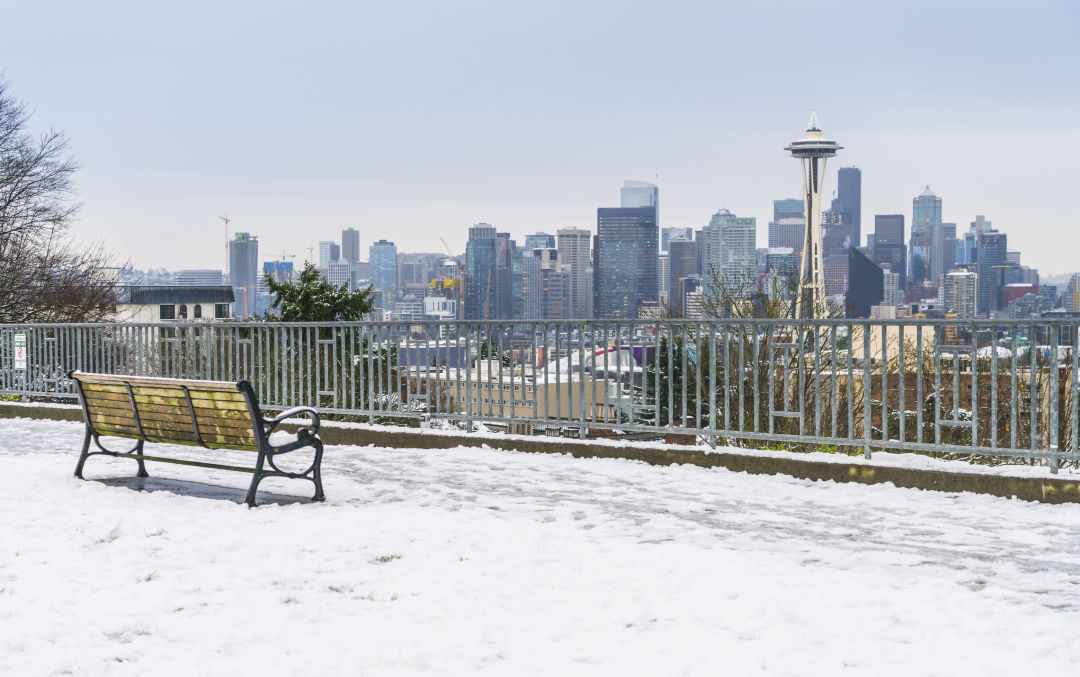
The likelihood of a “white Christmas” in Seattle is, statistically speaking, quite low. Snowfall typically becomes more probable in January and February, the coldest months of the year. When snow does fall, it often arrives in the form of short-lived events rather than prolonged snowstorms. The warmer, moist air from the Pacific can quickly warm the city once a weather system moves through, leading to rapid melting.
Planning a Winter Trip to Seattle
When planning a winter visit to Seattle, it’s wise to prepare for a variety of weather conditions. Packing layers is essential, as you could experience cool, damp days perfect for exploring museums and cozy cafes, or crisp, clear days ideal for enjoying panoramic views.

Experiencing Seattle’s Winter Charm Without Snow
Even if snow doesn’t materialize on the ground in Seattle, the city offers plenty of winter charm. The holiday season, leading up to and following Christmas, sees the city adorned with festive lights and decorations. The downtown core, particularly around Pike Place Market, sparkles with holiday cheer. The Chihuly Garden and Glass exhibit, with its vibrant glass sculptures, provides a splash of color and wonder against the often grey skies.
For those interested in local culture and indoor activities, Seattle excels. The Museum of Pop Culture (MoPOP) offers engaging exhibits, while the Seattle Art Museum houses a diverse collection. Exploring the city’s renowned coffee scene is a perfect winter pastime, with countless independent cafes offering warmth and delicious beverages. Consider visiting a place like Storyville Coffee or Pike Place Chowder for a taste of local favorites.
The dining scene in Seattle is also a major draw. From fresh seafood at waterfront restaurants to diverse international cuisine, there’s something to satisfy every palate. Enjoying a hearty meal after a day of sightseeing is a quintessential winter experience.
Destinations for Snow Lovers Near Seattle
For travelers who are set on experiencing snow, Seattle serves as an excellent gateway to winter destinations in the surrounding Washington state. As mentioned, Snoqualmie Pass is a popular choice, offering skiing, snowboarding, and snowshoeing opportunities just about an hour’s drive from the city.
Further afield, the Stevens Pass ski area provides another fantastic option for snow enthusiasts. For a more serene and picturesque snow experience, a drive to the Olympic National Park can be rewarding. While heavy snow can sometimes impact accessibility to certain areas, lower elevations can still offer a magical winter landscape, and higher areas are a haven for snow sports.
For a truly immersive winter resort experience, consider a stay at one of the mountain lodges near Snoqualmie Pass or Stevens Pass. These accommodations offer the chance to wake up to snow-covered views and enjoy the tranquility of a mountain setting. Many of these resorts also provide amenities like hot tubs and fireplaces, perfect for warming up after a day in the snow.
Preparing for Seattle’s Winter Weather
When packing for Seattle in winter, think about versatility. Waterproof and windproof outer layers are a must, as is comfortable, sturdy footwear that can handle wet conditions. A good umbrella is also a travel essential.
What to Pack for a Seattle Winter Visit
- Waterproof Jacket: A lightweight but effective waterproof and windproof jacket is invaluable.
- Layers: Pack sweaters, fleece, and long-sleeved shirts that can be layered. This allows you to adjust your clothing to changing temperatures.
- Waterproof Pants: Especially if you plan on exploring outdoor attractions or hiking.
- Comfortable, Waterproof Shoes: You’ll be doing a lot of walking, and wet feet are no fun.
- Warm Hat and Gloves: Even if it’s not snowing, winter mornings and evenings can be chilly.
- Scarf: An extra layer of warmth for your neck.
- Umbrella: A compact, sturdy umbrella is a lifesaver for Seattle’s frequent drizzles.
- Adapter/Power Bank: For keeping your devices charged, especially if you’re using them frequently for navigation or photography.
Transportation and Getting Around in Winter
Seattle’s public transportation system, including buses and the Link Light Rail, is generally reliable even in winter weather. The Link Light Rail connects the airport to downtown and various neighborhoods, making it a convenient option for getting around without a car.
If you plan on driving, especially if you intend to visit mountainous areas for snow, it’s advisable to check road conditions regularly. The Washington State Department of Transportation (WSDOT) provides real-time updates and advisories for highways, including those leading to popular mountain passes. Renting a vehicle with all-wheel drive or carrying tire chains might be necessary if you plan on venturing into snowy regions.
Ultimately, the question of whether it will snow in Seattle this year is a gamble. While heavy snowfall in the city itself is not a frequent occurrence, the possibility always exists. However, whether you experience a rare white landscape or a classic Seattle winter of rain and cozy indoors, the city offers a rich tapestry of experiences for travelers year-round. By understanding the climate and preparing accordingly, you can ensure a memorable and enjoyable visit to the Emerald City.