
The idea of snow in Texas might conjure up images of confused tumbleweeds or a collective gasp from residents accustomed to warmer climes. Yet, the Lone Star State, with its vast geographical diversity, is no stranger to winter weather. For those planning travel or looking for unique experiences in Texas during 2024, understanding the potential for snowfall is key to a well-prepared and enjoyable trip. While Texas is primarily known for its scorching summers and mild winters, certain regions and conditions can indeed bring a dusting, or even significant accumulations, of snow.
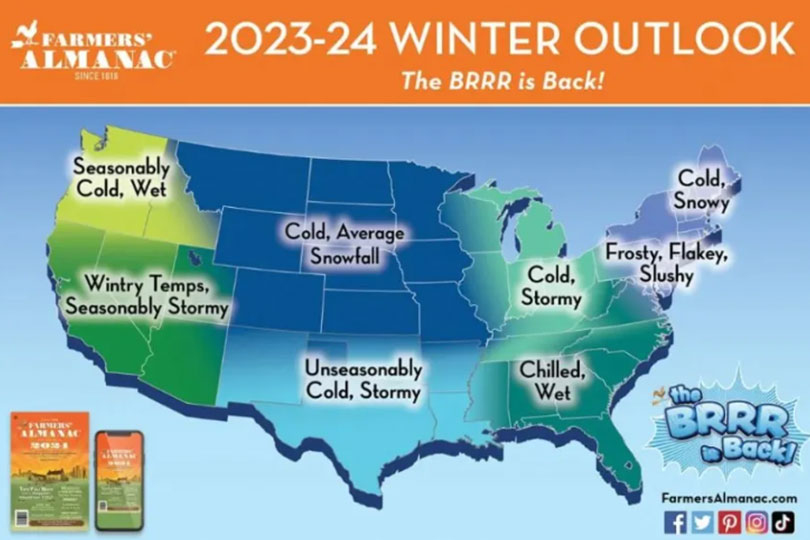
This article delves into the likelihood of Texas experiencing snow in 2024, exploring historical patterns, regional variations, and what this phenomenon means for tourism, accommodation, and lifestyle choices within the state. Whether you’re a local seeking a rare winter wonderland or a visitor curious about the unexpected, we’ll navigate the forecasts and possibilities.
Understanding Texas’s Winter Climate
Texas experiences a diverse climate due to its sheer size. The northern parts of the state, closer to the Panhandle and stretching into the Great Plains, are more susceptible to cold air masses and winter storms originating from the Rocky Mountains. In contrast, the southern tip of Texas, including Brownsville and the Rio Grande Valley, enjoys a subtropical climate, making significant snowfall exceedingly rare.
The key to understanding snowfall in Texas lies in recognizing that it’s not an everyday occurrence across the entire state, but rather a possibility influenced by specific weather patterns. When cold fronts push south from Canada and the United States, they can bring temperatures low enough for precipitation to fall as snow. The intensity and duration of these cold snaps, combined with sufficient moisture, determine whether snow actually blankets the ground.
Historical Snowfall Trends in Texas
Historically, Texas has seen its share of memorable snow events. While not as frequent as in states further north, these occurrences often make headlines and create a buzz throughout the communities they affect. The Panhandle region, including cities like Amarillo, is the most consistent recipient of winter precipitation in the form of snow. Annual snowfall in Amarillo, for example, can average several inches, with occasional years seeing much more.
Further south, cities like Dallas, Fort Worth, and Austin can experience snow, but it’s often sporadic and less impactful. A “snow day” in these urban centers can bring traffic to a standstill, as infrastructure and residents are not always equipped to handle icy conditions. Houston, situated closer to the coast, rarely sees significant snow, with most winter precipitation falling as rain.
Some of the most significant Texas snow events in recent memory have occurred when a combination of a strong Arctic high-pressure system and moisture from the Gulf of Mexico converge. These systems can create widespread snowfall, sometimes accompanied by ice, disrupting travel and leading to school closures. For 2024, meteorologists will be closely monitoring the strength and trajectory of winter storms predicted to move across North America. Factors such as El Niño or La Niña patterns can influence the jet stream and, consequently, the likelihood of cold air reaching Texas.
The National Weather Service provides detailed historical data, which can offer insights into past snowfall patterns. While past performance is not always indicative of future results, it helps paint a picture of the climatic possibilities for Texas in the winter months. For travelers or those considering accommodation in Texas during 2024, checking historical data for specific regions can offer a baseline expectation.
Predicting Snowfall for 2024 in Texas
Predicting snowfall for a specific year like 2024 is a complex endeavor, relying on sophisticated meteorological models and an understanding of long-term climate oscillations. While pinpointing exact dates and quantities is impossible months in advance, meteorologists can provide outlooks based on prevailing atmospheric conditions.

Factors Influencing 2024 Winter Weather
Several factors will play a role in determining if Texas sees snow in 2024. The strength and position of the polar vortex, a large mass of cold air that typically sits over the Arctic, are crucial. A wobbling or displaced polar vortex can send frigid air southward, increasing the chances of freezing temperatures in Texas.
Oceanic patterns, such as the Pacific Decadal Oscillation (PDO) and the Atlantic Multidecadal Oscillation (AMO), also influence global weather. These long-term cycles can affect the frequency and intensity of winter storms. Additionally, El Niño and La Niña phenomena in the Pacific Ocean can have a significant impact on Texas weather. Typically, a strong El Niño can lead to wetter and cooler conditions in South Texas, while La Niña can bring warmer and drier weather to the state. The specific state of these oceanic indicators leading up to and during the 2024 winter season will be a key factor for forecasters.
- Cold Air Outbreaks: The frequency and intensity of cold air masses pushing south from Canada are primary drivers for potential snowfall.
- Moisture Availability: Even with cold air, precipitation is necessary for snow. The proximity and strength of moisture sources, such as disturbances moving from the Pacific Ocean or systems drawing moisture from the Gulf of Mexico, are vital.
- Storm Track: The path of low-pressure systems, or storms, dictates where precipitation will fall and whether it will be in liquid or frozen form.
For the most up-to-date predictions, it is advisable to consult reputable weather forecasting services closer to the winter season. Websites like the National Weather Service are excellent resources for official forecasts and severe weather alerts.
Snowfall’s Impact on Texas Travel and Tourism
If Texas does experience significant snowfall in 2024, it will undoubtedly have a noticeable impact on travel, tourism, accommodation, and local culture. While some residents might welcome the novelty, others might find their plans disrupted.
Travel and Accommodation Considerations
For those who enjoy winter sports or the unique beauty of a snow-covered landscape, areas like the Panhandle could offer unexpected experiences. Big Bend National Park, for instance, though more known for its desert beauty, can be quite stunning under a blanket of snow, offering a dramatic contrast to its usual arid appearance. However, travel to and within these areas can become challenging.
- Road Conditions: Snow and ice can make roads treacherous, leading to delays and closures. Major highways like Interstate 35, which connects cities from Dallas to San Antonio, could experience significant disruptions. Driving in these conditions without proper preparation, such as snow tires or chains, can be dangerous.
- Air Travel: Airports like Dallas/Fort Worth International Airport and George Bush Intercontinental Airport in Houston can experience delays or cancellations due to snow and ice, impacting flights across the country.
- Accommodation Bookings: If snow is forecasted, there might be a surge in bookings for hotels and other accommodations in areas expected to receive snow, as people seek to witness the phenomenon. Conversely, in areas less accustomed to snow, cancellations might occur as visitors opt for warmer destinations. Resorts in the Panhandle might see an uptick in interest, while coastal hotels in Galveston are unlikely to be affected by snow but could see cancellations if flight disruptions are widespread.
- Attractions: Some outdoor attractions and landmarks might close temporarily during heavy snowfall for safety reasons. It’s always wise to check the operating status of any planned visits to places like the Alamo in San Antonio or the Texas State Capitol in Austin if snow is in the forecast.
Embracing the Winter Wonderland
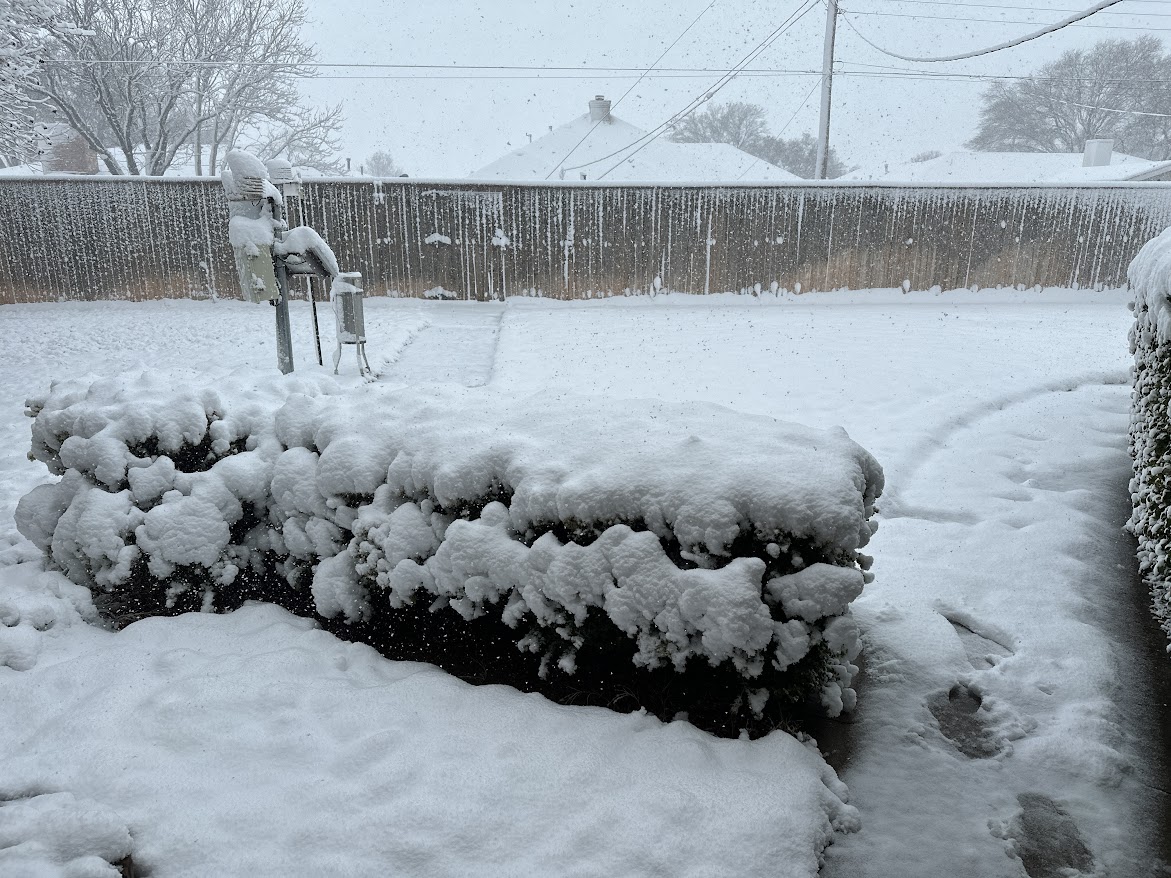
Despite the potential disruptions, a snowy spell in Texas offers a unique opportunity to embrace a different side of the state. For lifestyle travelers, it can mean cozying up by a fireplace in a cabin rental in West Texas, enjoying hot chocolate, and perhaps even trying some impromptu snow activities.
Local culture in Texas often revolves around food and community gatherings. A snowfall could inspire special menus at restaurants, featuring warming dishes, or lead to impromptu neighborhood gatherings as people help each other navigate the weather. Local tourism boards often pivot to promote “snow day” activities, encouraging residents and visitors to enjoy the rare spectacle. This can include anything from snowball fights in parks to organized sledding events.
For those planning family trips, a chance to experience snow in Texas can be a memorable adventure, creating lasting experiences and stories. It’s a reminder that Texas offers a surprising range of climates and activities, capable of delighting visitors in every season. While the probability of widespread, significant snowfall across all of Texas in 2024 remains a topic of weather prediction, understanding the factors at play and preparing for the unexpected can lead to a richer and more engaging travel experience in the Lone Star State.
LifeOutOfTheBox is a participant in the Amazon Services LLC Associates Program, an affiliate advertising program designed to provide a means for sites to earn advertising fees by advertising and linking to Amazon.com. Amazon, the Amazon logo, AmazonSupply, and the AmazonSupply logo are trademarks of Amazon.com, Inc. or its affiliates. As an Amazon Associate we earn affiliate commissions from qualifying purchases.