
The allure of the open road, especially within the vast and diverse landscapes of Texas, often brings with it a sense of freedom and a desire for comfort. Whether you’re cruising along the Gulf Coast, exploring the rugged beauty of Big Bend National Park, or navigating the bustling urban centers of Houston or Dallas, questions about driving regulations can sometimes arise. One particularly common query, often shrouded in urban legend and old wives’ tales, is whether it’s illegal to drive without shoes in the Lone Star State. For travelers, road trippers, and even local residents, understanding the truth behind this myth is crucial, not just for legal compliance but for safety and peace of mind on their journeys.
This question touches upon aspects of travel lifestyle, personal comfort, and responsible tourism. Many envision a relaxed drive after a day at the beach in Galveston or a refreshing dip in a natural spring in Austin, perhaps slipping off their shoes for maximum comfort. But does this seemingly innocent act cross a legal line? Let’s dive deep into the specific laws of Texas, dispel pervasive myths, explore the safety implications, and discuss how this all ties into your travel experiences across one of the most exciting states in the United States.
Unpacking the Law: Barefoot Driving in the Lone Star State
The question of barefoot driving legality is one that has sparked countless debates and perpetuated persistent misconceptions across the nation. In a state as independent-minded as Texas, one might assume there’s a specific, perhaps stringent, law governing footwear behind the wheel. However, the reality often surprises many.
The Legal Reality: A Surprising Freedom
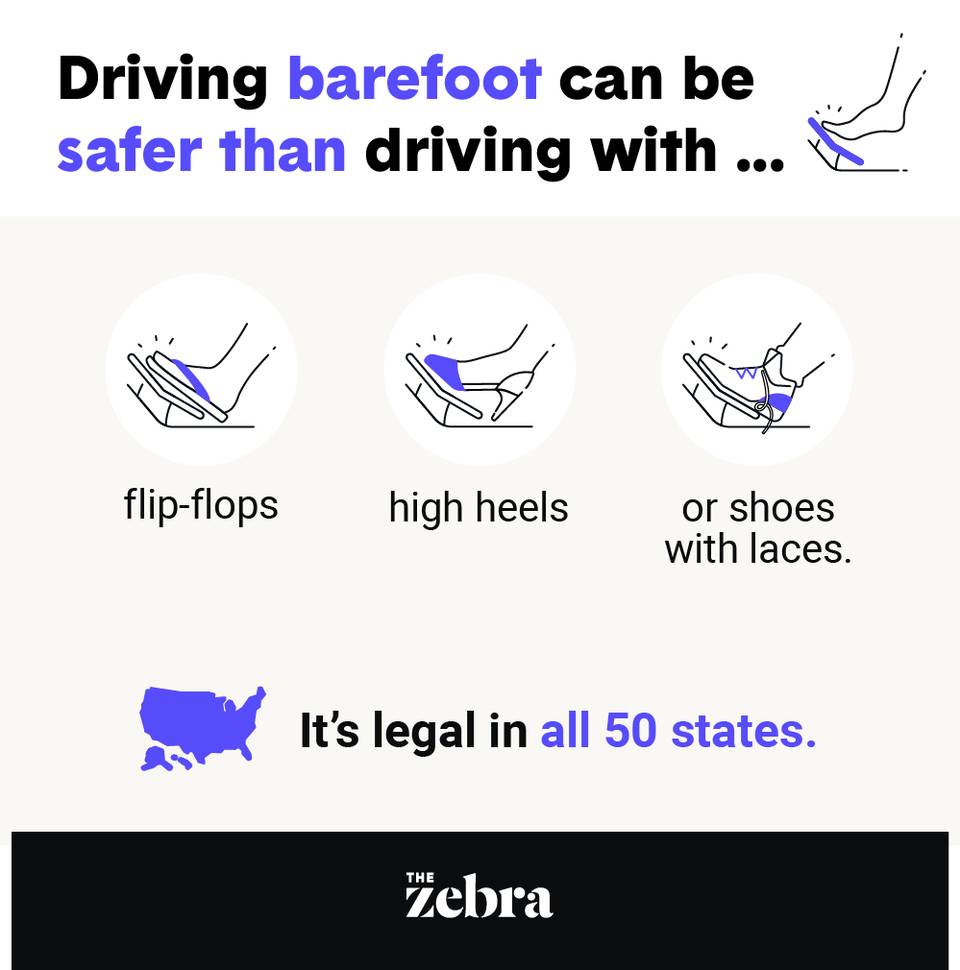
Let’s cut directly to the chase: No, it is not illegal to drive without shoes in Texas. The state’s transportation code and other relevant statutes do not contain any specific provision that prohibits a driver from operating a vehicle while barefoot. This means that, from a purely legal standpoint, you are free to drive sans footwear, whether you’re navigating city streets, country roads, or vast interstates.
This legal freedom extends beyond Texas to most other states in the United States. There are very few jurisdictions, if any, that explicitly outlaw barefoot driving. This fact often comes as a revelation to many, who have grown up hearing warnings from parents, driving instructors, or even well-meaning friends about the illegality of the practice.
For travelers exploring Texas, this means one less thing to worry about on their itinerary. Whether you’ve just come off a leisurely stroll on South Padre Island‘s beaches or finished a thrilling hike in Guadalupe Mountains National Park, the immediate need to find your shoes before hopping into the driver’s seat isn’t legally mandated. However, “legal” doesn’t automatically equate to “advisable,” a distinction we will explore further.
Common Misconceptions and the Source of the Myth
If barefoot driving isn’t illegal, why is the myth so prevalent? Several factors contribute to this enduring misconception:
- Driver’s Education Warnings: Many driver’s education courses emphasize the importance of proper footwear for safe driving. While these warnings are rooted in safety concerns rather than legal ones, they often get misconstrued over time as absolute prohibitions. Instructors rightly advise against footwear that could impede control, such as high heels, flip-flops, or indeed, no shoes at all, especially for inexperienced drivers.
- Safety Recommendations Evolving into Laws: The line between a strong safety recommendation and an actual law can blur in public perception. Recommendations from organizations like the National Highway Traffic Safety Administration (NHTSA) or AAA are often interpreted as legal requirements.
- Urban Legends and Anecdotal Evidence: Like many travel-related myths, the barefoot driving ban has been passed down through generations, often without anyone verifying the actual statutes. “My uncle got a ticket for driving barefoot!” is a common story, but typically, any ticket issued would be for another offense, perhaps reckless driving, where the lack of footwear might have been cited as a contributing factor rather than the sole reason for the citation.
- Confusion with Commercial Vehicles: Some jurisdictions might have stricter rules regarding footwear for commercial vehicle operators, which can sometimes spill over into general public perception.
It’s important to remember that law enforcement officers in Texas are primarily concerned with actions that contribute to unsafe driving conditions or accidents. While they might offer a friendly word of caution about barefoot driving if they pull you over for another reason, they cannot issue a ticket solely for not wearing shoes.
How Texas Compares: A Glimpse at National Norms
As mentioned, the legal stance in Texas mirrors that of most states across the United States. You won’t find specific statutes prohibiting barefoot driving in neighboring states like Louisiana, Oklahoma, Arkansas, or New Mexico either. The focus of traffic laws nationwide is consistently on driver control, vehicle safety, and preventing negligence that could lead to accidents, rather than prescribing specific attire.
This broad consistency is a boon for cross-country travelers or those embarking on multi-state road trips from Texas into Mexico or beyond. It means you don’t typically need to research footwear laws specific to each state you pass through, allowing for a more relaxed and enjoyable travel experience. However, the absence of a law does not nullify potential risks, which brings us to the crucial discussion of safety.
The Practicalities and Perils: Safety, Control, and Comfort
While the law grants you the freedom to drive barefoot in Texas, the practical realities of safety, vehicle control, and personal comfort present a more nuanced picture. For any traveler, whether venturing to the bustling San Antonio River Walk or exploring the vast Texas Hill Country, safety should always be paramount.
The Case Against Barefoot Driving: Reduced Grip and Potential Hazards
There are legitimate safety concerns associated with driving without shoes, which are often the basis for those persistent driver’s education warnings:
- Reduced Grip and Pedal Feel: Bare feet, especially if sweaty or wet, can slip off pedals more easily than a shoe with a rubber sole. This can lead to a loss of control, particularly during emergency braking or rapid acceleration. While some argue for “better pedal feel” barefoot, for most drivers, the consistent grip of a shoe provides superior control.
- Risk of Injury to the Foot: Driving involves a lot of small movements and pressure on pedals. Without the protection of shoes, your feet are exposed to the vehicle’s hard pedals, potentially leading to blisters, cramps, or even more serious injuries if you hit a bump or are involved in a collision. Imagine having to slam on the brakes with full force without any cushioning.
- Debris and Contaminants: The floor of a car, even a meticulously clean one, can accumulate small debris, dirt, or liquids. Driving barefoot exposes your feet to these, which can be uncomfortable, distracting, or even cause minor cuts or irritation.
- Pedal Interference: In some cases, a bare foot might get caught between pedals or slip awkwardly, making it difficult to switch between the accelerator and brake pedal quickly and smoothly. This is a critical concern, particularly in manual transmission vehicles where clutch control is also necessary.
- Hot or Cold Pedals: Depending on the weather in Texas (which can range from scorching summers to surprisingly cold winters), pedals can become uncomfortably hot or cold, leading to distraction or pain.
- Emergency Situations: In a sudden emergency, quick and decisive action on the pedals is vital. The slight hesitation or discomfort caused by driving barefoot could shave precious milliseconds off your reaction time, potentially altering the outcome of an accident.
For these reasons, many automotive safety experts and organizations strongly recommend wearing appropriate closed-toe shoes while driving. The consistency and protection offered by good driving shoes far outweigh the perceived comfort of bare feet for most practical driving scenarios.
Arguments for Barefoot Driving: Enhanced Feel and Comfort
Despite the safety warnings, some experienced drivers and enthusiasts advocate for barefoot driving, citing certain advantages:
- Enhanced Pedal Feedback: Proponents argue that driving barefoot allows for a more direct and nuanced “feel” of the pedals, enabling finer control over acceleration, braking, and clutch engagement, particularly in performance driving or specific vehicle types. This is often an argument made by those who prefer a more visceral connection to their vehicle.
- Elimination of Inappropriate Footwear Issues: Rather than dealing with flip-flops that can slip off, high heels that can get stuck, or bulky boots that reduce pedal sensitivity, barefoot driving completely removes the footwear variable. For some, this provides a consistent and predictable interface with the pedals.
- Pure Comfort: After a long day of walking around attractions in Austin or exploring the vibrant culture of Fort Worth, the simple comfort of removing shoes can be tempting. This is especially true on road trips where comfort is often prioritized.
It’s crucial to weigh these perceived benefits against the very real and well-documented safety concerns. While some drivers might feel more connected to their vehicle barefoot, the overwhelming consensus among safety professionals leans towards the protective and grippy qualities of proper footwear.
Impact on Emergency Situations and Vehicle Control
The primary concern with barefoot driving revolves around its potential impact during critical moments. Imagine a sudden need for an emergency stop on a busy Houston freeway or a quick maneuver to avoid wildlife in the Texas Hill Country. In such scenarios, any factor that compromises your ability to apply consistent, strong, and precise pressure to the pedals, or to quickly switch between them, can have severe consequences.
- Braking Effectiveness: The ability to stomp on the brake pedal with maximum force and maintain that pressure is fundamental to emergency braking. A bare foot might slip, or the discomfort could cause you to ease up on the pedal prematurely.
- Steering and Coordination: While not directly related to feet, the overall comfort and focus of the driver are interconnected. If you’re constantly distracted by the feel of the pedals on your bare feet, or by debris on the floor, your ability to concentrate on the road and react to hazards can be compromised.
- Accidental Pedal Engagement: There’s a slight but real risk that without the defined shape of a shoe, your foot might inadvertently press both the accelerator and brake simultaneously in a panic, or slip off entirely.
Ultimately, maintaining optimal vehicle control is non-negotiable for safe travel. While driving barefoot might feel liberating, it introduces variables that could diminish this control when it matters most.
Navigating the Aftermath: Insurance, Liability, and Best Practices
Beyond the legality and safety considerations, another significant area of concern for drivers and travelers is the potential impact of barefoot driving on insurance claims and liability in the event of an accident. This is where many of the myths about illegality often intertwine with real-world consequences.
The Insurance Perspective: What an Accident Could Mean
The good news for barefoot drivers in Texas is that your insurance policy will not be automatically voided simply because you were driving without shoes. Insurance companies are concerned with negligence and factors that directly contribute to an accident, not with specific attire unless it can be proven to be a cause of the incident.
However, this doesn’t mean barefoot driving is without risk regarding insurance. If you are involved in an accident and it can be argued that your lack of appropriate footwear contributed to the incident (e.g., your foot slipped off the brake pedal, preventing you from stopping in time), then a personal injury claim or property damage claim could become more complicated.
- Contributory Negligence: In some cases, the opposing party’s insurance company or legal team might attempt to argue “contributory negligence” or “comparative fault” on your part. If they can demonstrate that driving barefoot made it harder for you to control the vehicle and that this directly led to or worsened the accident, your claim for damages might be reduced, or you could even be held partially liable.
- Investigation: During an accident investigation by law enforcement or insurance adjusters, details such as footwear (or lack thereof) might be noted. This information, combined with witness statements or accident reconstruction, could be used to build a case about the contributing factors.
Therefore, while driving barefoot won’t automatically invalidate your coverage, it could introduce an additional, avoidable element of risk if an accident occurs. For peace of mind, especially when enjoying a well-deserved vacation in a luxury hotel or on a carefully planned tourism adventure, minimizing such risks is always advisable.
Dispelling Myths About Fault and Liability
A common myth is that if you’re driving barefoot and get into an accident, you’re automatically at fault. This is unequivocally false. Fault in an accident is determined by a comprehensive review of all contributing factors, including adherence to traffic laws, driver behavior, road conditions, and vehicle malfunctions. The absence of shoes alone does not assign fault.
However, as discussed, it can be used as an argument to demonstrate negligence if it directly contributed to the accident. For instance, if a driver claims they couldn’t brake effectively because their foot slipped, the barefoot status becomes relevant. Conversely, if an accident was clearly caused by another driver running a red light, your footwear (or lack thereof) would likely be irrelevant to the determination of fault.
The key takeaway here is discretion. While you have the legal right to drive barefoot, it’s a decision that should be weighed against potential complications in the unforeseen event of an accident. Responsible travelers understand that preparation and minimizing risk are part of enjoying a carefree journey.
Responsible Driving: Tips for Every Texas Road Trip
For those planning to explore the vast and varied landscape of Texas, from the historic streets of San Antonio to the remote beauty of El Paso and Corpus Christi, adopting best practices for driving is essential.
Here are some tips for ensuring a safe and enjoyable journey, whether you prefer shoes or not:
- Always Have Appropriate Footwear: Even if you choose to drive barefoot, always keep a pair of comfortable, closed-toe shoes (like sneakers or driving moccasins) in your vehicle. This ensures you can switch to them for safety reasons or if you face a situation where walking around outside the car is necessary.
- Understand Your Vehicle: Be familiar with your car’s pedals and how they feel. This is particularly important if you’re driving a rental car or an unfamiliar vehicle during your travels.
- Prioritize Safety Over Comfort (When Driving): While comfort is a significant aspect of a pleasant road trip, safety must always come first when operating a motor vehicle. If driving barefoot ever feels unsafe or distracting, put on your shoes immediately.
- Avoid Distractions: Regardless of your footwear, focus entirely on the road. Texas roads, especially in busy cities like Dallas, can be challenging, and distractions can have serious consequences.
- Be Prepared for Emergencies: Have an emergency kit, know how to change a tire, and understand what to do in case of a breakdown. This preparedness is far more critical than whether you have shoes on your feet.
- Consider the Environment: If you’re driving in wet conditions, dusty gravel roads, or extreme temperatures, footwear becomes even more important for maintaining control and protecting your feet.
By adhering to these responsible driving practices, you can enjoy the unparalleled beauty and adventure that Texas offers, ensuring both your safety and that of others on the road.
Barefoot on the Open Road: A Traveler’s Lifestyle Choice
The question of barefoot driving, while rooted in legal and safety discussions, also touches upon a broader aspect of travel and lifestyle. For many, travel is about freedom, comfort, and embracing unique experiences. The choice to drive barefoot can be seen as an extension of this philosophy, fitting into specific travel scenarios and personal preferences.
Comfort on the Go: From Beach to Backcountry
Imagine a scenario: You’ve just spent a blissful afternoon at a Texas beach, perhaps building sandcastles or surfing. Your feet are sandy, wet, and you just want to get to your accommodation to clean up. The thought of wrestling sandy feet into shoes might seem unappealing. In such moments, the legal freedom to drive barefoot can be a welcome convenience. Similarly, after a long hike in the backcountry, with tired and possibly blistered feet, the prospect of a shoeless drive might offer a brief respite.
This decision often comes down to individual comfort and the specific context of the journey. For travelers seeking a more laid-back, less constrained experience, especially when transitioning between leisure activities and driving, going barefoot can align with a relaxed travel style. It’s part of the broader narrative of flexible and personalized travel experiences, where personal well-being and ease of movement are highly valued.
Embracing Local Customs and the Spirit of Texas Travel
While not a specific “custom,” the ability to drive barefoot in Texas does subtly resonate with the state’s spirit of freedom and self-reliance. Texas is a land of wide-open spaces, diverse landscapes, and a strong sense of individuality. This freedom from strict footwear laws behind the wheel, even if rarely exercised, complements the adventurous and unconstrained nature of exploring the Lone Star State.
Travelers often seek to immerse themselves in the local culture and embrace the unique nuances of a destination. While driving barefoot might not be a cultural tradition, understanding the state’s relaxed stance on it can be part of appreciating the broader sense of liberty that defines much of Texas and its people. It’s about having the choice, even if you ultimately opt for shoes.

When to Reconsider: Practicalities for Different Destinations and Vehicles
Despite the legal freedom and occasional comfort, there are definitely times and places where driving barefoot, even if legal, is simply impractical or ill-advised for travelers.
- Urban Driving: Navigating the dense traffic and complex intersections of cities like Houston or Dallas demands constant vigilance and quick reactions. The potential for a foot slip or discomfort on pedals is significantly heightened in such environments.
- Off-Road Adventures: If your travel plans involve off-roading in the Texas Hill Country or traversing rough terrain, robust footwear is crucial not only for driving control but also for protecting your feet when you inevitably step out of the vehicle.
- Rental Cars: While legal, some rental car agreements might implicitly or explicitly recommend appropriate footwear for safe operation. While unlikely to void an agreement, it’s always good practice to maintain maximum control in an unfamiliar vehicle.
- Long-Distance Journeys: For extended road trips across Texas’ immense distances, consistent comfort and safety are key. Fatigue can set in, and any minor discomfort from barefoot driving could become a major distraction.
- Manual Transmission Vehicles: Operating a clutch with bare feet can be particularly challenging and uncomfortable, making smooth gear changes difficult and potentially leading to foot cramps or injury over time.
In conclusion, while the law in Texas is clear – it is not illegal to drive without shoes – the decision ultimately rests on a balance of personal comfort, safety awareness, and responsible driving practices. For the savvy traveler exploring the diverse attractions, landmarks, and experiences that Texas has to offer, understanding both the legal landscape and the practical implications ensures a journey that is as safe and enjoyable as it is memorable. Always prioritize your safety and the safety of others, and keep a good pair of driving shoes handy, just in case.
LifeOutOfTheBox is a participant in the Amazon Services LLC Associates Program, an affiliate advertising program designed to provide a means for sites to earn advertising fees by advertising and linking to Amazon.com. Amazon, the Amazon logo, AmazonSupply, and the AmazonSupply logo are trademarks of Amazon.com, Inc. or its affiliates. As an Amazon Associate we earn affiliate commissions from qualifying purchases.