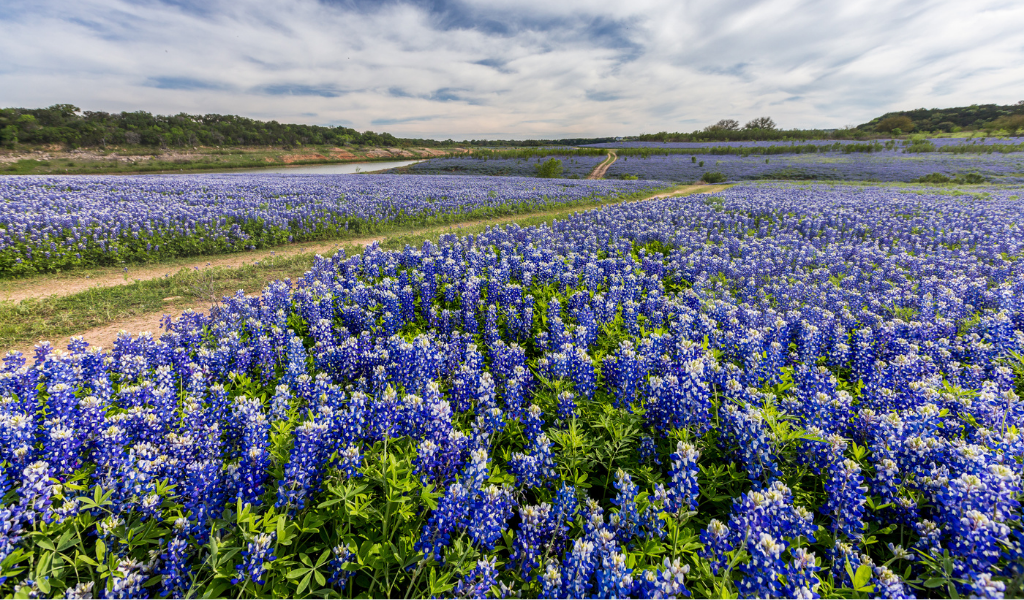
The arrival of spring in Texas brings with it a vibrant transformation of the landscape. Fields and roadsides explode with a sea of indigo, as the iconic Texas bluebonnet (Lupinus texensis) bursts into bloom. These beautiful wildflowers are more than just a picturesque sight; they are a symbol of the Lone Star State, a source of immense pride, and a magnet for visitors from across the globe. Every year, as the blooming season approaches, a question echoes across social media and family gatherings: “Is it illegal to pick Texas bluebonnets?” This seemingly simple query delves into a fascinating intersection of law, legend, environmental stewardship, and the very essence of Texas culture.
For travelers seeking to immerse themselves in the natural beauty and local traditions of a destination, understanding these nuances is key to an authentic and responsible experience. From planning your scenic drives to choosing the perfect accommodation for your bluebonnet adventure, appreciating these floral treasures goes beyond just a pretty photo. This comprehensive guide will unravel the mystery surrounding bluebonnet picking, provide insights into experiencing the bloom responsibly, and help you plan an unforgettable springtime journey through the heart of Texas.

The Truth About Picking Bluebonnets: Law, Myth, and Reality
The myth that picking bluebonnets is against the law is perhaps as widespread as the bluebonnets themselves. Many Texans grow up hearing cautionary tales of hefty fines or even arrest for disturbing the state flower. While the sentiment behind these warnings – to protect and preserve this natural treasure – is undeniably noble, the legal reality is often more nuanced than the popular legend suggests. Understanding the actual laws and ethical considerations is crucial for any visitor wishing to enjoy the bluebonnet season responsibly.
Is There a Specific Law Against Picking Bluebonnets?
Contrary to popular belief, there is no specific Texas state law that explicitly prohibits picking bluebonnets. You won’t find a statute on the books that makes plucking a handful of these beautiful flowers an automatic criminal offense. This fact often surprises both lifelong Texans and curious tourists alike, given the strong oral tradition that suggests otherwise.
However, the absence of a direct “no bluebonnet picking” law does not grant a free pass to indiscriminately harvest them. The legality of picking bluebonnets is largely determined by where they are growing and whose property they are on. This distinction is vital for understanding responsible tourism and avoiding potential legal troubles or, more importantly, environmental harm.
Understanding Property Rights and Public Land
While there’s no blanket ban, several existing laws regarding property rights and public land use effectively restrict bluebonnet picking in most common scenarios.
- Private Property: This is the most crucial consideration. The vast majority of bluebonnet fields you see from the road are located on private land. Picking flowers, or anything else, from private property without the owner’s explicit permission is considered trespassing and potentially theft of property. Landowners have every right to press charges against individuals who enter their property without authorization. Many landowners are friendly and might even grant permission if asked, but assuming consent is a serious mistake. Respecting private property boundaries is not just a legal obligation; it’s a fundamental aspect of considerate travel and local culture.
- State Parks and Natural Areas: Texas State Parks and other protected natural areas, such as the Lady Bird Johnson Wildflower Center in Austin, have specific regulations designed to preserve their natural ecosystems. In these locations, it is generally illegal to disturb or remove any plant life, including bluebonnets. These rules are in place to maintain the integrity of the natural environment for all visitors and future generations. Violating these regulations can result in fines and removal from the park. For example, within the boundaries of places like Big Bend National Park or Padre Island National Seashore, the rules regarding collecting natural items are strict.
- Roadsides and Public Rights-of-Way: Many of the most iconic bluebonnet displays are found along highway roadsides. While these areas are technically public rights-of-way, they are often maintained by agencies like the Texas Department of Transportation (TxDOT). While TxDOT encourages enjoying the wildflowers, they also caution against stopping or parking in dangerous spots. More importantly, these areas are crucial for the continued propagation of the flowers. While there’s no direct “no picking” law, widespread harvesting could negatively impact future blooms. Furthermore, depending on the specific location, parts of these roadsides might still abut private property, blurring the lines of what is permissible. Safety is also a major concern; stopping and walking along busy highways can be extremely hazardous.
In essence, while you won’t be arrested merely for holding a bluebonnet, you could face legal consequences for trespassing, damaging property, or violating park regulations. The “illegal to pick” myth serves as an excellent deterrent, instilling a sense of protection for these beloved flowers, even if the legal reasoning behind it is more complex.
The Ethical Angle: Why You Shouldn’t Pick Them Anyway
Beyond the legalities, there’s a strong ethical and environmental case against picking bluebonnets. As travelers and enthusiasts of nature, we have a responsibility to practice sustainable tourism and leave destinations as beautiful, if not more beautiful, than we found them.
- Conservation and Future Blooms: Bluebonnets are annual plants, meaning they complete their life cycle in one season. Their survival and propagation depend on reseeding themselves each year. When you pick a bluebonnet, especially before it has a chance to go to seed, you are effectively preventing it from contributing to the next season’s bloom. Widespread picking can significantly diminish the number of bluebonnets in a given area over time, robbing future visitors and generations of the same stunning spectacle.
- Natural Beauty for All: Bluebonnets are a collective treasure. Their beauty is best appreciated in situ, forming sweeping tapestries of color across the landscape. Picking a bouquet for personal enjoyment, while tempting, removes that beauty from the public eye and detracts from the shared experience. The joy of seeing a field of bluebonnets is far greater than the fleeting pleasure of a few cut stems.
- Habitat for Wildlife: Bluebonnets and other wildflowers are an integral part of the local ecosystem. They provide nectar for bees, butterflies, and other pollinators, which are vital for agriculture and biodiversity. They also offer cover and food sources for various small animals. Disturbing these natural habitats, even by seemingly small acts like picking flowers, can have ripple effects throughout the local environment.
- The “Leave No Trace” Principle: This guiding principle of outdoor ethics encourages visitors to minimize their impact on the environment. For bluebonnets, this means enjoying them with your eyes and camera, staying on established paths (where applicable), and certainly not picking them. The goal is to ensure that others can enjoy the same natural wonders you experienced.
Ultimately, the best way to honor the Texas bluebonnet is to leave it undisturbed in its natural habitat. Capture its beauty with your camera, breathe in the fresh spring air, and revel in the expansive, breathtaking fields it creates.
Experiencing Texas Bluebonnets: A Travel Guide
For those planning a trip to witness the majestic bluebonnet blooms, understanding where and how to best experience them is key. This section serves as a travel guide, offering insights into prime viewing locations, optimal timing, and tips for a memorable and respectful bluebonnet adventure. Embracing local culture and responsible travel practices will ensure your experience is both enjoyable and sustainable.
Top Bluebonnet Trails and Scenic Drives
Texas offers numerous regions renowned for their spectacular bluebonnet displays. Planning a scenic drive is often the best way to take in the sprawling fields.
- Texas Hill Country: This region, particularly around towns like Fredericksburg, Burnet, and Marble Falls, is perhaps the most famous bluebonnet destination.
- The Willow City Loop, north of Fredericksburg, is a legendary 13-mile scenic drive that transforms into a floral wonderland. Be prepared for slow traffic and many stops for photos (from designated pull-offs, of course).
- Burnet proudly claims the title of “Bluebonnet Capital of Texas” and hosts an annual Bluebonnet Festival, drawing large crowds.
- Ennis Bluebonnet Trails: Located south of Dallas, Ennis boasts the official Texas Bluebonnet Trail and is meticulously mapped by the Ennis Garden Club. They publish updated maps annually, guiding visitors through over 40 miles of prime viewing spots. The Ennis Bluebonnet Trails Festival is a major draw.
- Washington County / Brenham Area: Between Houston and Austin, this area offers beautiful rolling hills dotted with bluebonnets, often alongside other wildflowers like Indian paintbrushes. Towns like Chappell Hill and Brenham are excellent bases for exploration.
- Austin and Central Texas Suburbs: Even within and just outside Austin, you can find stunning patches. The Lady Bird Johnson Wildflower Center is an excellent place to see not only bluebonnets but a wide variety of native Texas flora in a protected setting.
Best Time to Visit: Peak Blooming Season
Bluebonnet season typically runs from late March through April, but the exact peak can vary year to year depending on rainfall, temperature, and sun exposure. Early spring rains followed by warm, sunny days usually lead to the most spectacular blooms.
- Early Bloomers: Some areas, particularly in South Texas or regions that received early warmth, might see blooms as early as late February or early March.
- Peak Season: Mid-March to mid-April is generally considered the sweet spot for most of the major bluebonnet trails.
- Late Bloomers: Higher elevations or cooler parts of the Hill Country might hold onto their blooms a bit longer, sometimes into early May.
Before planning your trip, it’s highly recommended to check local tourism websites (e.g., Ennis Bluebonnet Trails, Burnet Bluebonnet Festival) or social media groups for “bluebonnet updates.” These resources often provide real-time information on where the blooms are most vibrant.
Essential Tips for Bluebonnet Photography and Enjoyment
Capturing the beauty of bluebonnets is a highlight for many visitors. Here’s how to do it safely, respectfully, and successfully:
- Safety First: When pulling over for photos, always use designated pull-offs or areas where you can safely park completely off the road. Be extremely cautious of traffic, especially on busy highways. Never stop on the shoulder of a major road if it’s unsafe.
- Respect Private Property: If a field is fenced or clearly on private property, admire it from the road. Do not trespass. This is not only a legal matter but also a courtesy to local residents.
- Stay on Paths or Edges: If you find a field that is safe and permissible to enter (e.g., a designated public park area or a field with clear signage inviting visitors), try to stay on existing worn paths. If no path exists, walk along the edges to avoid trampling the flowers, which prevents them from reseeding.
- “Take Only Pictures, Leave Only Footprints (Lightly!)”: This mantra is paramount. Do not pick the flowers. Do not litter. Take care not to damage the plants or disturb any wildlife that might be sheltering in the fields.
- Dress Appropriately: Fields can be uneven, and tall grass may hide insects or snakes. Wear closed-toe shoes and long pants if you plan to venture into any fields. Sunscreen and hats are also advisable.
- Watch for Critters: Bluebonnet fields are natural habitats. Be mindful of snakes, fire ants, and other insects. Always keep an eye on children and pets.
- Best Lighting for Photos: Early morning or late afternoon (the “golden hour”) offers the softest, most beautiful light for photography, enhancing the colors and minimizing harsh shadows. Overcast days can also provide excellent, even lighting.
- Capture the Scale: To convey the vastness of bluebonnet fields, include elements like a distant tree, a fence line, or a person standing respectfully amidst the flowers (without crushing them).
- Consider a Professional Photographer: Many local photographers offer bluebonnet sessions. This can be a fantastic way to get stunning, high-quality photos while ensuring you’re in a safe and permissible location, often arranged by the photographer with landowners.
Immersing Yourself in Texas Culture During Bluebonnet Season
A bluebonnet trip to Texas offers more than just floral sightseeing; it’s an opportunity to dive deep into the state’s rich culture, vibrant communities, and diverse lifestyle. From local festivals to unique accommodations and combining your visit with other iconic landmarks, springtime in Texas is a holistic travel experience.
Local Festivals and Events
The bluebonnet season is celebrated with enthusiasm across Texas, with many towns hosting festivals that blend wildflower appreciation with local culture, food, and music.
- Ennis Bluebonnet Trails Festival: As mentioned, Ennis hosts one of the most popular festivals, featuring live music, food vendors, arts and crafts, and guided tours of the bluebonnet trails. It’s a fantastic way to experience small-town Texas hospitality.
- Burnet Bluebonnet Festival: Another major event, the Burnet festival includes a parade, carnival, live entertainment, a car show, and opportunities to explore the surrounding Hill Country blooms.
- Chappell Hill Bluebonnet Festival: Chappell Hill also joins the celebration with its own festival, offering a charming, historic backdrop for enjoying wildflowers, local crafts, and delicious food.
These festivals provide an excellent opportunity to engage with local communities, sample authentic Texas cuisine, and discover unique handmade souvenirs, enriching your overall travel experience.
Accommodation Choices for Your Bluebonnet Trip
To fully enjoy the bluebonnet season, finding the right accommodation is key. Depending on your travel style and budget, Texas offers a wide array of options, from luxury resorts to cozy boutique hotels and charming vacation rentals.
- Hotels & Resorts: In cities like Austin, San Antonio, Dallas, or Houston, you’ll find a full spectrum of hotels, from budget-friendly options to upscale boutique hotels and luxury resorts. Many offer amenities like pools, spas, and fine dining, perfect for unwinding after a day of exploration. For instance, staying in a resort in Fredericksburg allows easy access to the Hill Country trails.
- Bed & Breakfasts (B&Bs): Especially prevalent in the Hill Country and smaller towns like Fredericksburg, Brenham, and Granbury, B&Bs offer a personalized, charming experience often with delicious homemade breakfasts and local insights from hosts.
- Vacation Rentals (Villas, Apartments, Cabins): For families, groups, or those seeking more space and privacy, vacation rentals found on platforms like Airbnb or VRBO are excellent choices. You can find cozy cabins in the Hill Country, charming apartments in Austin, or even villas near San Antonio that cater to a range of preferences and amenities.
- Camping & Glamping: For nature lovers, several Texas State Parks offer camping facilities, allowing for an even deeper connection with the natural surroundings. Glamping options provide a more luxurious outdoor experience with amenities like comfortable beds and private bathrooms.
Booking accommodation well in advance, particularly for peak bluebonnet weekends and festival dates, is highly recommended as popular areas fill up quickly.
Pairing Your Bluebonnet Tour with Other Texas Attractions
While bluebonnets are a seasonal spectacle, Texas offers a wealth of year-round attractions that can complement your wildflower trip, transforming it into a broader Texas adventure.
- Historic San Antonio: Just a short drive from the Hill Country, San Antonio offers the historic Alamo, the vibrant San Antonio River Walk, and Spanish colonial missions, providing a rich cultural and historical contrast to the natural beauty of the bluebonnets.
- Vibrant Austin: The state capital, known for its live music scene, delicious food trucks, and outdoor activities, is a fantastic hub. After visiting the Lady Bird Johnson Wildflower Center, explore Barton Springs Pool or catch a show on Sixth Street.
- Metropolitan Dallas & Fort Worth: If you’re exploring the Ennis trails, extend your trip to experience the sophisticated arts districts and world-class museums of Dallas, or the Western heritage and Stockyards in Fort Worth.
- Coastal Galveston: For a completely different landscape, head south to the historic island city of Galveston, with its beaches, Victorian architecture, and family-friendly attractions like Moody Gardens.
Integrating these diverse experiences ensures your bluebonnet trip becomes a holistic exploration of all that Texas has to offer, from its natural wonders to its bustling cities and rich history.
Responsible Tourism and Leaving No Trace
As you embark on your bluebonnet journey, remember that responsible tourism is about more than just avoiding legal pitfalls; it’s about making a positive contribution to the places you visit.
- Support Local Businesses: Eat at local restaurants, stay in local accommodations, and purchase goods from local artisans. Your tourism dollars directly benefit the communities that host these beautiful blooms.
- Educate Others: Share your knowledge about bluebonnet conservation and the reasons for not picking them with fellow travelers and family members.
- Minimize Your Footprint: Beyond not picking flowers, ensure you carry out everything you carry in, dispose of waste properly, and stay on marked paths.
- Respect Wildlife: Observe animals from a distance and never disturb their natural behaviors or habitats.
By embracing these principles, you contribute to the longevity of the bluebonnet spectacle and help preserve the unique character of Texas for generations of travelers to come. Your thoughtful approach ensures that the beauty you enjoy today will be there for countless springs ahead.
In conclusion, while the idea of picking Texas bluebonnets isn’t explicitly outlawed by a single state statute, the practicalities of property rights, park regulations, and ethical conservation overwhelmingly dictate that these cherished wildflowers should be left undisturbed. The true joy of the bluebonnet season lies in witnessing these magnificent fields in their natural glory, capturing their beauty through photography, and participating in the local culture that celebrates their return each spring. So, pack your bags, plan your route through the stunning Texas Hill Country or Ennis Bluebonnet Trails, and prepare to be enchanted by the state’s most iconic floral display – respectfully, safely, and with an appreciation for the wild beauty of Texas.