
Navigating the intricacies of local laws can be a fascinating, albeit sometimes challenging, aspect of immersing oneself in a new destination, whether you’re a seasoned traveler or considering a long-term stay. While many associate California with its stunning coastlines, iconic Hollywood glamour, or vibrant culinary scenes, understanding the civic landscape is equally crucial for those who reside here or plan to make this diverse state their home. One question that frequently arises, particularly for those accustomed to different regulations in other states or countries, pertains to voter identification. In an era where civic engagement is more vital than ever, knowing the rules of the ballot box is not just a legal necessity but a cornerstone of responsible living. So, is it illegal to show identification to vote in California? The answer, like many legal matters, is nuanced, but surprisingly straightforward once understood. This article aims to demystify California’s voter ID laws, providing clarity for both long-time residents and newcomers eager to participate in the democratic process that shapes this remarkable state.
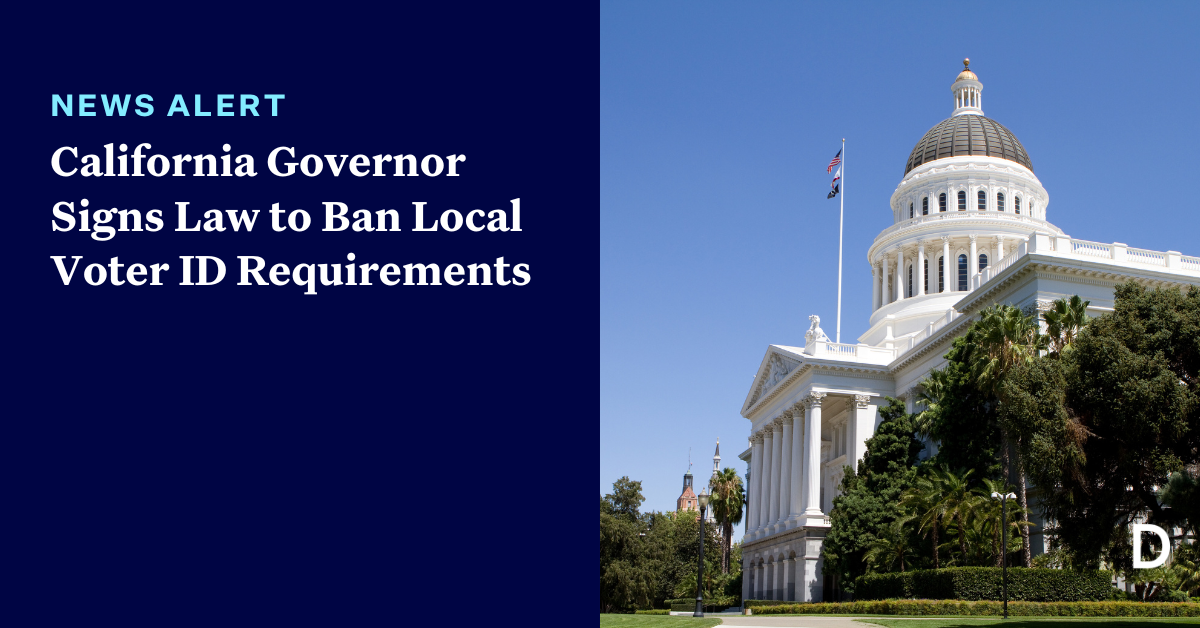
Understanding California’s Unique Approach to Voter Identification
California, a state renowned for its progressive policies and dedication to accessibility, stands apart from many other states in its approach to voter identification. For those unfamiliar with its specific regulations, it might come as a surprise that showing an ID is generally not a prerequisite for casting a ballot. This policy reflects a broader commitment to making voting as inclusive and barrier-free as possible, ensuring that every eligible citizen can exercise their fundamental right without undue burden.
The California Standard: Why ID Isn’t Typically Required
In the vast majority of cases, when you arrive at a polling place in California, you will not be asked to show a photo ID. This isn’t because the state lacks security measures; rather, its voter integrity system relies on other robust methods, primarily signature verification. When a voter checks in at a polling station, their signature is compared against the one on file from their voter registration application. If the signatures match, and their name appears on the roster, they are provided with a ballot. This system, established through decades of electoral practice, aims to balance security with the imperative of universal suffrage.
For travelers who have experienced elections in countries with stricter photo ID requirements, or individuals moving from states with mandatory voter ID laws, California’s system can feel distinct. It underscores a philosophy that views voter ID laws as potential deterrents to participation, particularly for vulnerable populations such as the elderly, low-income individuals, students, or those without easy access to government-issued identification. For someone considering a long-term stay in a California city like Los Angeles or San Francisco, understanding this aspect of civic life is part of integrating into the local culture. It’s a practical piece of knowledge, much like understanding local transportation or dining customs, that contributes to a smoother living experience.
While generally not required, there is absolutely no law making it illegal to show an ID if asked or if you simply choose to present it. If you have your driver’s license, passport, or any other form of identification readily available and wish to show it, election officials will not object. In fact, for election workers, seeing an ID can sometimes expedite the check-in process if there are minor discrepancies or questions about a voter’s information. The key takeaway is that you won’t be turned away for not having an ID, but you also won’t be penalized for presenting one.
When Identification Becomes Necessary: Specific Scenarios
Despite the general rule, there are specific circumstances where identification may be requested or required at a California polling place. These scenarios are usually linked to federal law or situations where a voter’s eligibility is uncertain, ensuring the integrity of the electoral process while still upholding accessibility.
One primary instance involves first-time voters who registered by mail and have not previously voted in a federal election in California or any other state. This specific requirement is mandated by the Help America Vote Act (HAVA), a federal law passed in 2002. If you fall into this category, you will need to show identification the first time you vote at the polls.
Acceptable forms of identification in these specific cases are broad and include:
- A current and valid California driver’s license or state ID card.
- A passport issued by the United States government.
- An employee ID card with your photograph.
- A student ID card with your photograph.
- A debit or credit card.
- An airline ticket or boarding pass.
- A utility bill (water, gas, electric, cable, or telephone bill).
- A bank statement or paycheck.
- A government check or document.
- A sample ballot or voter guide specifically addressed to you.
- A document issued by a governmental agency.
It’s important to note that this list is not exhaustive, and the general principle is to accept any document that reasonably demonstrates the voter’s identity and connection to their registered address. For someone new to California, perhaps having just moved for a new job or to experience the lifestyle, understanding these requirements is essential for a smooth first voting experience. It’s wise to keep one of these forms of ID handy, just in case, especially if it’s your inaugural trip to the polls.
Another situation where identification might be requested is if there’s a question regarding your eligibility at the polling place, or if an election official genuinely cannot verify your signature. In such rare instances, providing identification can swiftly resolve the issue and allow you to cast your ballot without delay. Again, this is not a general requirement but a tool to facilitate the voting process when ambiguities arise.
Navigating the Ballot Box: From Provisional Votes to First-Time Registration
Beyond the standard procedures, election laws are designed to anticipate and accommodate various real-life scenarios that might impact a voter’s ability to cast a ballot. California provides several mechanisms to ensure that every eligible vote is counted, even when circumstances are less than ideal. These provisions are particularly relevant for new residents or those whose lives involve frequent changes, a common characteristic of the mobile and dynamic population drawn to the California lifestyle.
The Provisional Ballot: A Safety Net for Voters
One of the most crucial safeguards in California’s electoral system is the provisional ballot. This mechanism ensures that no eligible voter is turned away from the polls, even if there are immediate questions about their registration status or eligibility. For example, if your name does not appear on the voter roll at your designated precinct, if an election official questions your eligibility, or if you believe you are registered to vote but lack the required identification (in those specific HAVA scenarios), you have the right to cast a provisional ballot.

The concept of a provisional ballot is essentially a temporary vote. Once cast, the ballot is placed in a special envelope, and your eligibility is verified by election officials after Election Day. They will cross-reference your information with their records, including the Secretary of State‘s database, to confirm your registration and eligibility. If your eligibility is confirmed, your provisional ballot will be counted. This system is a powerful tool for ensuring that no one is disenfranchised due to administrative errors or unforeseen circumstances.
Consider a situation where you’ve recently moved to a new city within California, perhaps from San Diego to Sacramento, and updated your address shortly before an election. While your registration might be in process, a provisional ballot guarantees your voice will be heard. It’s a testament to the state’s commitment to voter accessibility, mirroring the open and accommodating spirit often found in its tourism and accommodation sectors, where flexibility and customer service are paramount. Voters can typically check the status of their provisional ballot online through their county election office, offering transparency and peace of mind.
First-Time Voters and Federal Requirements: The Help America Vote Act (HAVA)
As mentioned earlier, the Help America Vote Act (HAVA) plays a significant role for a specific subset of voters. This federal law was enacted following the controversies of the 2000 presidential election, aiming to standardize election procedures across the United States and improve voter access. For first-time voters in a federal election who registered by mail and did not provide identification with their registration form, HAVA requires them to show identification at the polls. This is a crucial detail for anyone newly integrating into the American civic landscape, perhaps a new citizen, or someone who has recently turned 18 and is casting their very first federal vote.
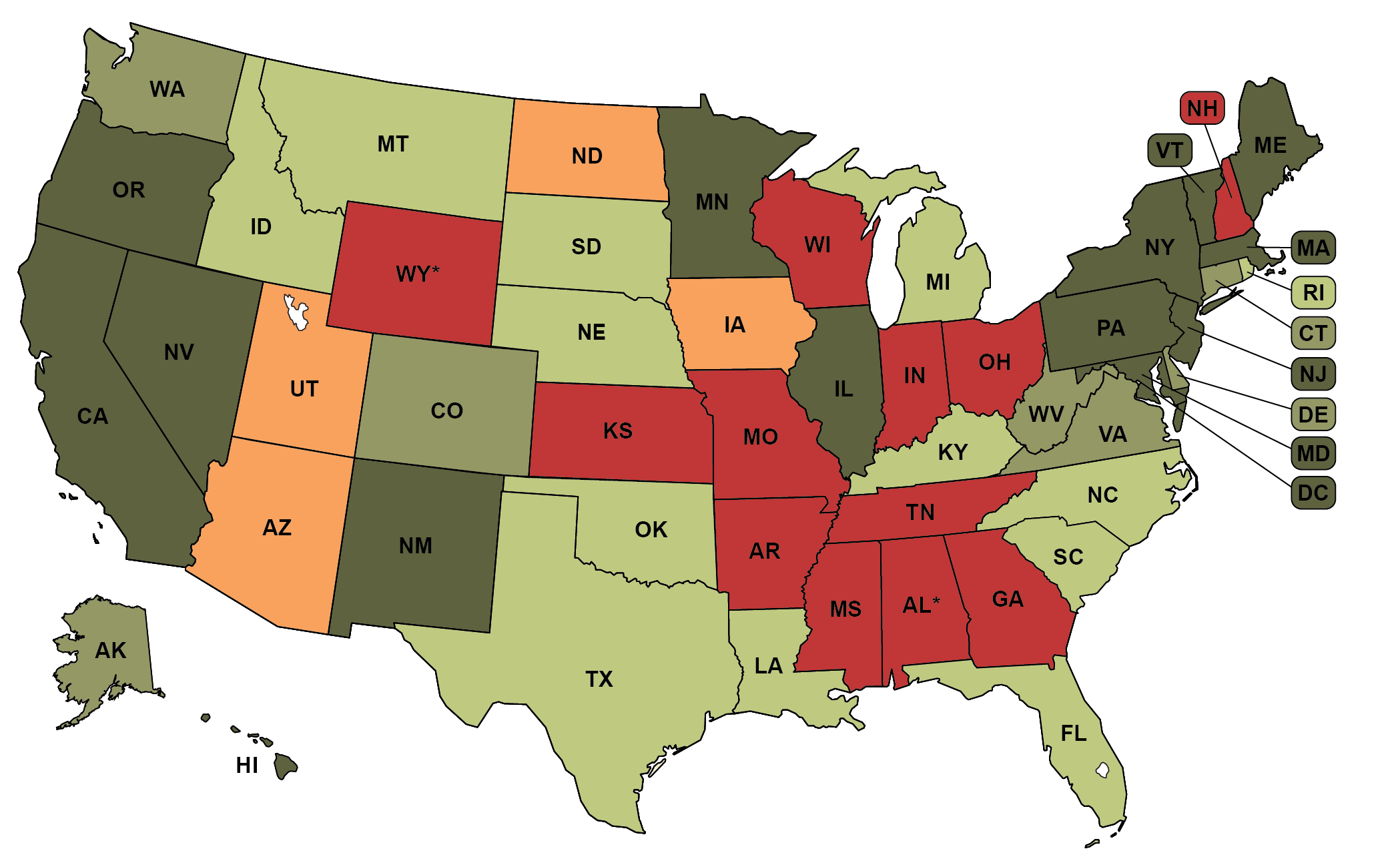
The types of identification accepted under HAVA are quite broad, encompassing both photo IDs and non-photo documents that establish your name and address. This flexibility is designed to prevent unnecessary hurdles for new voters. Understanding this federal mandate is particularly relevant for those planning to travel extensively or work across state lines, as election laws can differ significantly. A California resident might find their voting experience markedly different if they were to register in a state like Texas or Georgia, where stricter photo ID laws are often in place. HAVA represents a federal baseline, upon which states like California build their own, often more expansive, accessibility policies.
Addressing Name Changes and Residential Shifts
Life in California, like anywhere else, is dynamic. People get married, change their names, move to new apartments, or relocate for work or lifestyle preferences. Each of these changes necessitates updating one’s voter registration to ensure a seamless voting experience. While it’s not illegal to vote with an outdated registration, it can lead to complications, potentially requiring a provisional ballot.
If you’ve undergone a name change (e.g., due to marriage or divorce), it’s advisable to update your voter registration. This helps ensure that your signature matches the one on file and that election officials can easily verify your identity. Similarly, if you move within California, even just a few blocks, updating your address is crucial because you are registered to vote at a specific precinct based on your residential address. Voting in the wrong precinct can invalidate your ballot.
Many organizations, including the Department of Motor Vehicles (DMV), offer convenient ways to update voter registration when you change your address or renew your driver’s license. This integrated approach simplifies the process, making it easier for residents to stay current. For those who enjoy the flexibility of short-term accommodation or frequent travel between different California regions, remembering to update voter information is just as important as updating mailing addresses for travel guides or hotel booking confirmations. It’s a small administrative task that ensures your active participation in shaping the future of your chosen community.
Beyond the Ballot: The Broader Impact on California Living and Travel
While the immediate concern of voter ID laws centers on the act of voting itself, the broader implications extend far into the fabric of daily life, influencing everything from local governance to the quality of public services and the very character of the places we live in and travel through. Understanding California’s civic landscape is not merely about ticking a box; it’s about appreciating how these processes shape the vibrant lifestyle and stunning destinations that define the state.
Civic Engagement: A Cornerstone of California Lifestyle
For many, the California lifestyle is synonymous with innovation, cultural diversity, and a strong sense of community. Active civic engagement, including understanding and participating in elections, is a vital component of sustaining and enhancing this unique way of life. When citizens are informed about voting procedures, like the nuances of ID requirements, it fosters confidence in the electoral system and encourages broader participation. This collective action directly impacts local and state policies on a myriad of issues relevant to residents and visitors alike.
Consider the allure of California’s famous landmarks, from the majestic redwoods of Yosemite National Park to the historic charm of Alcatraz Island. The preservation of these natural wonders and cultural sites, the funding for public parks and recreational areas, and the maintenance of essential infrastructure (roads, public transportation) are all influenced by elected officials and the policies they enact. When individuals understand and exercise their voting rights, they are directly contributing to the decisions that shape the future of these cherished places. For travel enthusiasts, this means a better-maintained environment, improved access to attractions, and a richer overall experience. Civic engagement, therefore, isn’t just a duty; it’s an investment in the quality of one’s surroundings, whether for a weekend getaway or a lifetime residence.
How Voting Shapes Your California Experience
The impact of voting on your California experience is profound and far-reaching. Local elections, which adhere to California’s state voter ID laws, determine who governs your city council, school board, and county supervisors. These are the individuals who make critical decisions affecting everything from zoning regulations for new hotels and resorts, to the funding of local arts and culture programs, and the allocation of resources for public safety.
Imagine planning a family trip to Disneyland or a relaxing retreat at a Sonoma Valley winery. The quality of the roads you drive on, the cleanliness of public spaces, the support for local businesses (including hotels and restaurants), and even the regulatory environment for tourism-related activities are all downstream effects of civic choices. When voters understand their rights and responsibilities, they empower themselves to influence these outcomes, leading to a more vibrant, well-managed, and enjoyable state for everyone.
For those considering long-term accommodation, perhaps renting an apartment in Santa Monica or buying a home in Napa Valley, knowing the voting laws is part of being an informed resident. It ensures you can fully participate in the democratic process that directly impacts your daily life, your community’s development, and even the property values and local amenities that contribute to your lifestyle. The ease of voting in California, characterized by its minimal ID requirements, is designed to empower every eligible resident to have a say in these crucial decisions. So, while showing ID to vote in California is generally not required and certainly not illegal, understanding the specific situations where it might be useful or necessary is an essential piece of knowledge for anyone seeking to fully embrace the California experience. It’s an act of civic engagement that ultimately enhances the travel, tourism, and lifestyle quality for all who reside in or visit this extraordinary state.
LifeOutOfTheBox is a participant in the Amazon Services LLC Associates Program, an affiliate advertising program designed to provide a means for sites to earn advertising fees by advertising and linking to Amazon.com. Amazon, the Amazon logo, AmazonSupply, and the AmazonSupply logo are trademarks of Amazon.com, Inc. or its affiliates. As an Amazon Associate we earn affiliate commissions from qualifying purchases.