
For anyone navigating the intricate world of civic participation, particularly within the dynamic landscape of the United States, understanding local voting laws is paramount. This holds true whether you’re a long-term resident, a new arrival, or a traveler exploring the Golden State on an extended stay. The question, “Is it illegal to show ID to vote in California?” frequently arises, sometimes leading to confusion or misinformation. Let’s demystify this critical aspect of California’s electoral process, providing clarity for all, including those who embrace a “life out of the box” and find themselves in various locations.
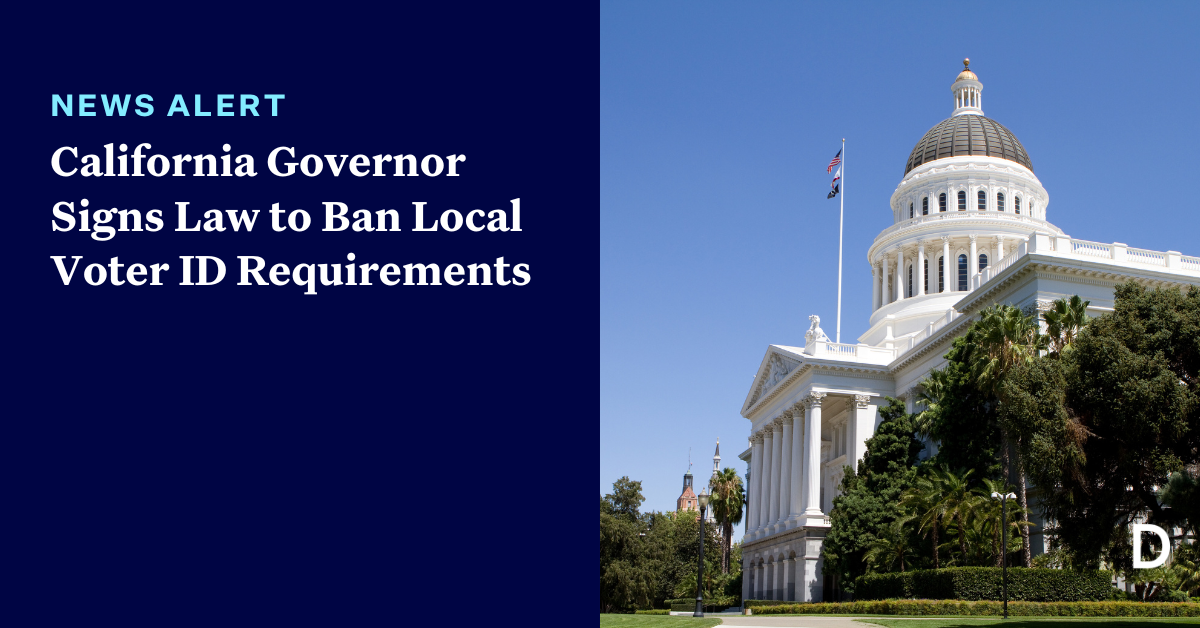
The straightforward answer to the question is no, it is not illegal to show ID to vote in California. In fact, if a poll worker asks for it under specific circumstances, showing identification can facilitate the voting process. However, and this is where much of the confusion lies, California does not generally require voters to present photo identification at the polls. This distinction is crucial for understanding the state’s approach to voter access and security, and it has significant implications for residents and visitors alike who wish to exercise their democratic rights.
This article delves into the specifics of California’s voter ID laws, explores the rare instances when ID might be requested, and crucially, connects these insights to the broader lifestyle of an informed and engaged individual, particularly one who values travel, experiences, and a deep understanding of the places they inhabit.
Navigating California’s Voter ID Laws: A Clearer Picture
California has historically adopted policies aimed at maximizing voter participation, and its stance on voter identification reflects this philosophy. Unlike many other states that have strict photo ID requirements, California operates under a more flexible system.
The Golden State’s Stance on Voter Identification
The core principle of California’s election law is that a registered voter does not typically need to show identification at their polling place. When you arrive at a polling station in cities like Los Angeles, San Francisco, or San Diego, poll workers will verify your identity by checking your name against the official voter roll for that precinct. Once your name is located and confirmed, you are generally given a ballot to cast your vote. This system is designed to remove potential barriers to voting, ensuring that lack of a specific form of ID does not disenfranchise eligible citizens.
This approach often surprises individuals accustomed to stricter ID laws in other parts of the United States or even abroad. For travelers or those new to California, understanding this nuance is essential. It means that while you might carry your California driver’s license or passport as a matter of habit, it is unlikely to be a mandatory requirement for casting your ballot.
When ID Might Be Requested
While a general ID requirement does not exist, there are specific, limited circumstances under which a poll worker may request identification from a voter. It’s important to stress that these situations are exceptions rather than the norm.
One primary instance is if you are a first-time voter who registered by mail and did not provide identification on your registration form, and the information could not be verified through state records (such as your Department of Motor Vehicles record or the last four digits of your Social Security number). In such a case, a poll worker might ask for identification to confirm your identity.
Another scenario could arise if there are questions about a voter’s eligibility or identity at the polling place, perhaps due to an unusual circumstance or an error in the voter roll. Even in these situations, if the voter cannot produce an ID, they are still entitled to cast a provisional ballot. A provisional ballot allows a voter to cast their vote even if there are questions about their eligibility. Once the election officials verify their eligibility after Election Day, the provisional ballot is counted. This provisional ballot system acts as an important safeguard, ensuring that no eligible voter is turned away merely for not possessing an ID on Election Day.
Crucially, even when ID is requested, it does not necessarily have to be a government-issued photo ID.
Acceptable Forms of Identification (If Requested)
If a poll worker does request identification in one of the specific circumstances mentioned, California law is quite flexible about what constitutes acceptable proof. It does not solely mandate photo identification. Acceptable forms of ID can include:
- A California driver’s license or state ID card
- A passport issued by the United States government
- An employee ID card
- A student ID card from a college or university
- A credit or debit card
- A utility bill, bank statement, or other official document showing your name and current address
- A sample ballot booklet
- Any document issued by a government agency
The key takeaway is that even if asked, the requirement is about proving your identity and address, not necessarily about a specific type of photo ID. This flexibility ensures that a wide array of documents can be used to satisfy any verification requests, further supporting voter accessibility.

The Intersection of Civic Duty and the Explorer’s Lifestyle
For many who live a “life out of the box”—be it as a digital nomad, an expat, a long-term traveler, or someone frequently relocating for work or pleasure—understanding the civic landscape of a new locale is as important as knowing where to find the best local cuisine or the most picturesque landmarks. Engaging with local governance, even just through voting, is a significant part of truly experiencing a place.
Why Understanding Local Laws Matters for Travelers
When you’re exploring California, perhaps settling into a chic boutique hotel in Napa Valley for a wine-tasting tour, or enjoying the vibrant culture of Santa Monica, understanding the local laws extends beyond just traffic regulations. Civic participation, even for those on temporary stays, offers a deeper appreciation for the local community and its governance. Knowing that you won’t generally need to produce a photo ID to vote in California can be reassuring for those who might not always carry specific documents or who are in transition. It simplifies the process for new residents and ensures that civic duties are manageable even amidst a dynamic lifestyle. This knowledge allows for better planning, whether it’s planning a residency for an extended work trip or even understanding the impact of local elections on the attractions and services you enjoy.
Voter Registration for New Residents and Long-Term Visitors
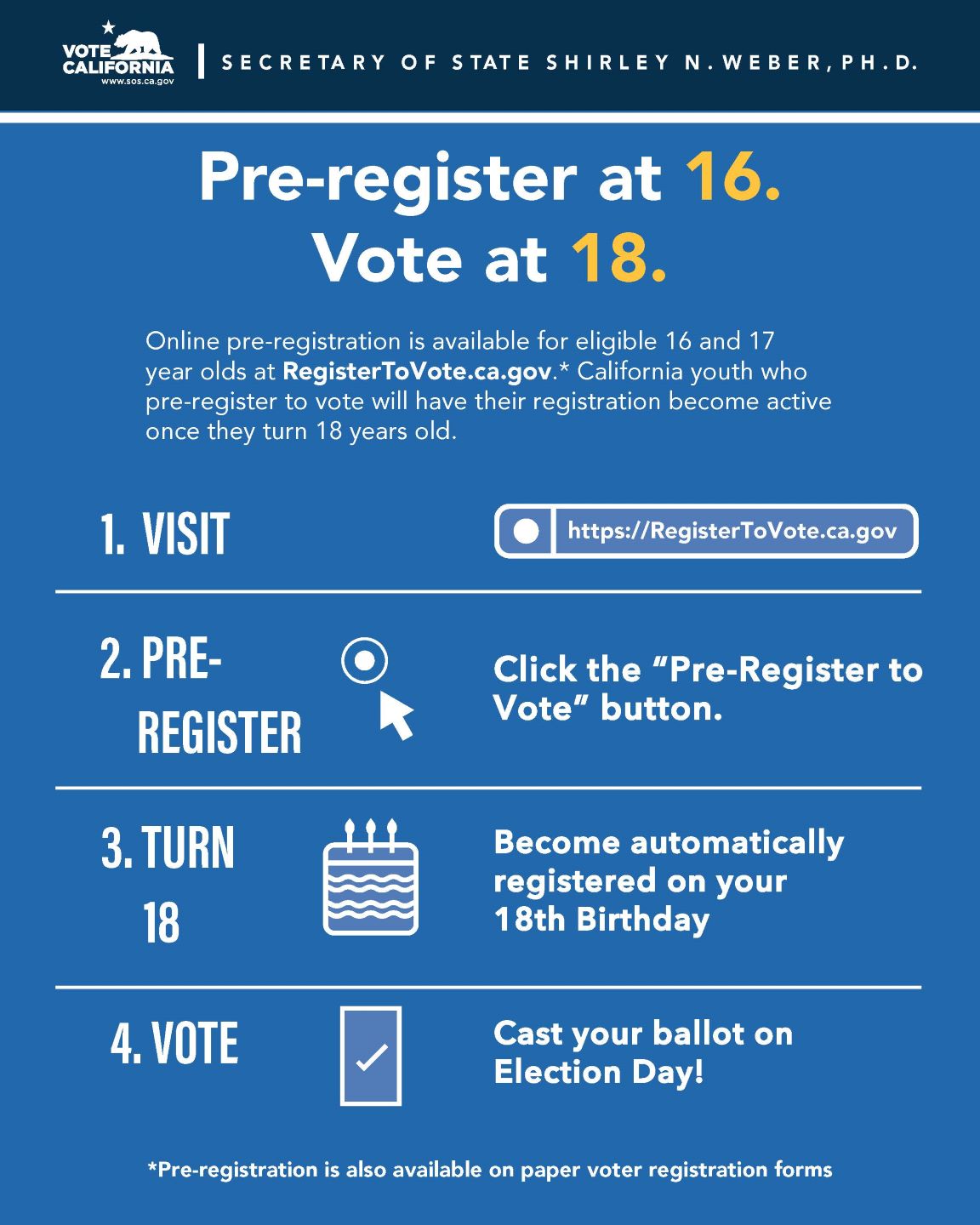
If you’re moving to California from another state or abroad and intend to establish residency, registering to vote is a fundamental step in integrating into your new community. To register to vote in California, you must be:
- A United States citizen and a resident of California.
- At least 18 years old by Election Day.
- Not currently serving a state or federal prison term for the conviction of a felony.
- Not currently found mentally incompetent to vote by a court.
The process of registration is straightforward and can be completed online, by mail, or in person at your county elections office, the Department of Motor Vehicles, or various other government agencies. For the traveler considering a longer stay or even relocation, understanding these requirements early can ensure that your civic rights are seamlessly maintained as you transition. It becomes part of the “accommodation” and “lifestyle” considerations when planning an extended period in the state.
Absentee Voting and Mail-In Ballots: The Freedom to Vote Anywhere
For the modern traveler or someone with a flexible lifestyle, California’s robust vote-by-mail system is a significant advantage. California is now a state where all active registered voters receive a mail-in ballot for every election. This means you do not need to apply for an absentee ballot; it will automatically be sent to your registered address.
This system offers unparalleled convenience for individuals who might be traveling, working remotely, or temporarily residing away from their permanent address during an election period. If your travel plans coincide with an election, you can simply fill out your ballot and mail it back. If you happen to be out of the country, you can still receive and return your ballot through various means, including electronic delivery options for military and overseas voters. This provision is invaluable for those who cherish their freedom to explore the world without sacrificing their civic responsibilities. It embodies the essence of “lifestyle” travel — remaining connected and engaged, no matter where your journey takes you.
Beyond the Ballot Box: Cultivating an Engaged Travel Ethos
The act of voting, while central to democratic participation, is just one facet of being an informed and engaged citizen. For those whose lives are defined by movement and exploration, cultivating an ethos of civic awareness enhances every travel experience, transforming mere sightseeing into genuine cultural immersion.
Embracing Local Culture and Governance
Understanding a destination’s local culture extends beyond its cuisine, festivals, and landmarks. It encompasses its governance, its community values, and the systems that enable its residents to thrive. When you understand the voting laws of a place like California, you gain insight into its priorities—in this case, prioritizing voter access. This deeper understanding enriches your travel experience, allowing you to appreciate the social fabric of the state on a more profound level. Whether you’re staying in a luxurious resort in Palm Springs or a cozy Airbnb in Eureka, knowing how the local population participates in shaping their environment offers a richer perspective.
Planning Your California Journey with Civic Awareness
Integrating civic awareness into your travel planning means considering more than just flight schedules and hotel bookings. For those contemplating an extended stay, or even short visits that coincide with election periods, a quick review of local election calendars and registration deadlines can be invaluable. Knowing California’s flexible ID policy can alleviate any undue stress about documentation, allowing you to focus on enjoying the state’s diverse attractions, from the beaches of Santa Barbara to the national parks of Yosemite. For long-term accommodation, such as renting an apartment in San Jose, understanding the civic processes is part of making that temporary living arrangement feel more like home.
The “Life Out of the Box” Approach to Responsible Citizenship
Ultimately, the “life out of the box” philosophy isn’t just about adventurous travel or unique experiences; it’s also about being a responsible, informed, and engaged global citizen. This means taking an interest in the local policies and governance wherever you find yourself, even if only for a short period. By understanding seemingly small details, such as California’s voter ID laws, you contribute to a more informed discourse and foster a deeper connection to the places you explore. It’s about more than just voting; it’s about participating in the collective human experience, recognizing that every local policy contributes to the global tapestry of governance and community. Your journey through life, whether on a bustling street in Sacramento or a serene vineyard, is enriched by this conscious engagement.
LifeOutOfTheBox is a participant in the Amazon Services LLC Associates Program, an affiliate advertising program designed to provide a means for sites to earn advertising fees by advertising and linking to Amazon.com. Amazon, the Amazon logo, AmazonSupply, and the AmazonSupply logo are trademarks of Amazon.com, Inc. or its affiliates. As an Amazon Associate we earn affiliate commissions from qualifying purchases.