
Navigating the legal landscape of recording conversations can be a complex endeavor, especially when you’re enjoying the sunshine and vibrant experiences of Florida. Whether you’re capturing the magic of a family vacation at Walt Disney World, documenting a business deal in Miami, or simply want to remember a fascinating conversation during your stay at a luxurious resort in the Florida Keys, understanding the recording laws is paramount. This article will delve into the specifics of Florida’s recording laws, providing clarity for travelers, residents, and anyone interacting within the state.
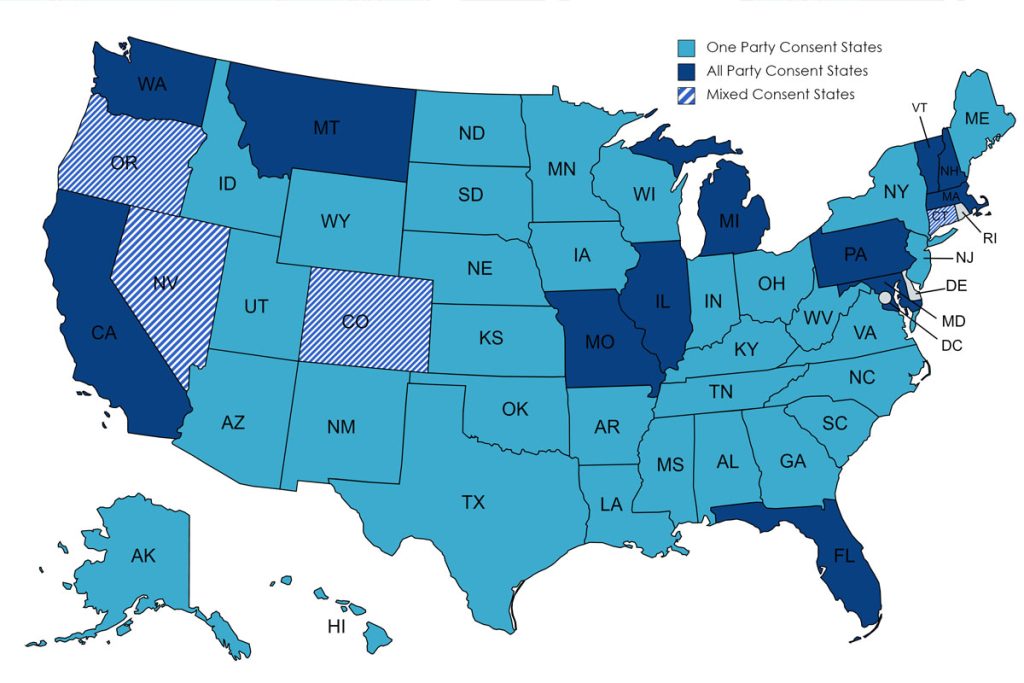
At its core, Florida operates under an “all-party consent” law when it comes to recording conversations. This means that for a conversation to be legally recorded, all parties involved in that conversation must be aware of and consent to the recording. This is a crucial distinction from “one-party consent” states, where only one person in the conversation needs to give their approval.
Understanding Florida’s All-Party Consent Law
The primary statute governing this matter in Florida is found in Florida Statutes Chapter 934, specifically sections like 934.02 and 934.03. These statutes criminalize the intentional interception, attempt to intercept, or endeavor to intercept any wire, oral, or electronic communication unless done with the consent of all parties.
What Constitutes an “Oral Communication”?
The law defines an “oral communication” as any spoken language that is uttered by a person and is not transmitted for the purpose of being overheard or recorded by anyone other than the speaker. This broad definition is important because it encompasses not just face-to-face discussions but also conversations over the phone or other communication devices where there’s an expectation of privacy.
The Importance of Consent
The cornerstone of Florida’s recording law is the requirement for consent. This consent can be expressed or implied, but it must be demonstrable.
Express Consent
Express consent is the most straightforward. This occurs when a person explicitly agrees to be recorded. This could be through a verbal statement (“I agree to be recorded”) or a written acknowledgment. For instance, if you’re conducting a formal interview at a hotel conference room in Orlando, you would typically inform the interviewee and get their verbal or written consent before starting your recording device.
Implied Consent
Implied consent is more nuanced and can be a source of confusion. In Florida, implied consent generally arises when a person’s actions or the circumstances indicate that they understand the conversation is being recorded and do not object. For example, if you are at a public event or a business meeting where recording is announced or clearly evident, and you continue to participate in the conversation without objection, it could be considered implied consent. However, relying solely on implied consent is risky and can lead to legal challenges.
Exceptions to the Rule
While the all-party consent rule is the general standard, there are specific exceptions. These exceptions are narrowly defined and typically involve law enforcement activities conducted under court order or with specific statutory authorization. For the average citizen, these exceptions are generally not applicable to everyday recording situations.
Recording Conversations in Specific Travel Scenarios
When you’re traveling in Florida, you’ll encounter a multitude of situations where recording might seem appealing, from capturing the thrill of a theme park ride to documenting an important business meeting. Let’s explore some common scenarios:
Business Meetings and Negotiations
If you are conducting business in Florida, perhaps at a convention center in Tampa or a meeting at a luxury hotel in Palm Beach, it is imperative to obtain consent from all participants before recording any discussions. This includes sales pitches, negotiations, or any sensitive business conversations. Failure to do so could result in legal repercussions, including civil lawsuits and, in some cases, criminal charges. It’s always best practice to have a clear statement at the beginning of the meeting, such as, “This meeting is being recorded for documentation purposes. Please let me know if you have any objections.”
Personal Conversations and Vlogs
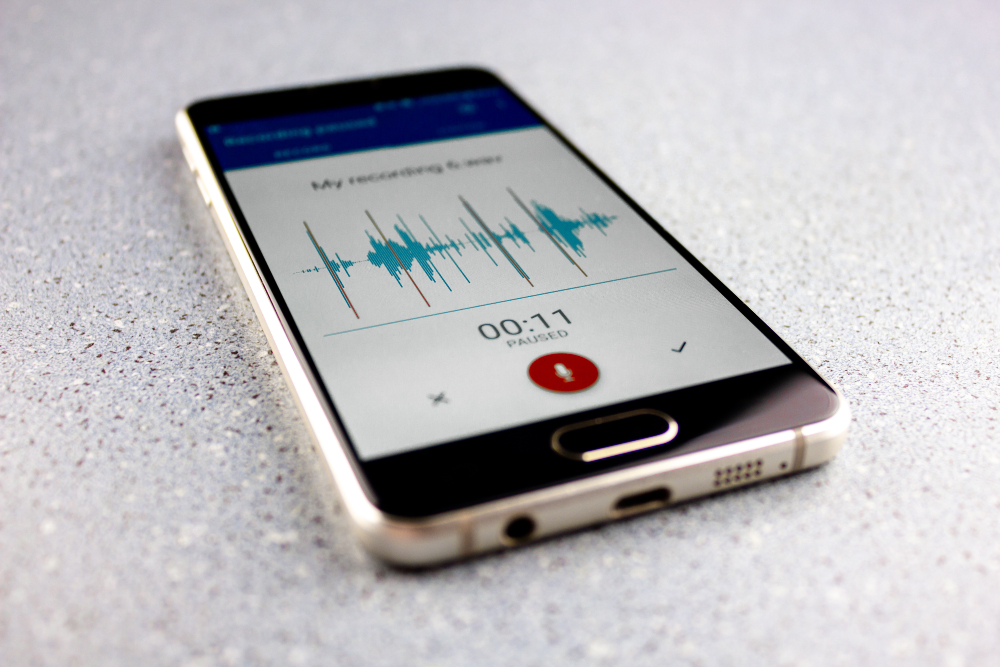
For content creators or individuals wishing to document their travel experiences, understanding this law is vital. If you are filming a vlog in a public space, like Ocean Drive in South Beach, and the conversations you capture are incidental to the public setting and do not involve private discussions, it might be permissible. However, if you actively engage individuals in private conversations and record them without their consent, you are venturing into legally problematic territory.
For instance, interviewing a local artisan at the Bayside Marketplace in Miami about their craft would require their consent if you intend to record their spoken words. If you’re merely capturing the ambiance of a bustling street without focusing on specific private conversations, it’s generally less of an issue.
Hotel Stays and Resort Interactions
When you’re enjoying the amenities of a boutique hotel in Key West or a sprawling resort near Orlando, you might be tempted to record interactions with staff or fellow guests. However, the same all-party consent rule applies. If you are recording a conversation with a hotel manager about a billing dispute or a chat with another guest in a shared lounge area, and there’s an expectation of privacy, you must have their consent. The lobby of a hotel, while public in a sense, can still have areas where conversations are considered private, especially if they are away from the main thoroughfares.
Tourist Attractions and Landmarks
Visiting iconic Florida landmarks like the Everglades National Park or historical sites such as St. Augustine offers numerous opportunities for exploration and discovery. If you’re recording your personal observations or the sounds of nature in a public area, it’s typically fine. However, if you engage in a conversation with a tour guide or another visitor and wish to record their words, their consent is required. The key is whether there is a reasonable expectation of privacy in the conversation being recorded. In a busy tourist spot, the expectation of privacy might be lower, but it’s never zero, especially for direct conversations.
Practical Tips for Recording Legally in Florida
To avoid any legal entanglements while enjoying your time in the beautiful state of Florida, it’s wise to adopt a proactive approach to recording.
Always Seek and Document Consent
The safest and most advisable course of action is to always obtain explicit consent. Make it a habit to ask, “Is it okay if I record this conversation?” before hitting the record button. If the consent is verbal, try to have it clearly captured on the recording itself, ideally at the beginning. For important business or legal matters, written consent is even better.
Be Mindful of Privacy Expectations
Consider the environment in which the conversation is taking place. Is it a public park where general chatter is expected, or a private room in a hotel suite where discussions are intended to be confidential? The more private the setting, the higher the expectation of privacy and the stronger the need for explicit consent.
Understand the Technology You Are Using
Different recording devices and platforms may have their own terms of service or privacy policies that could impact how recordings are handled. While this doesn’t override state law, it’s an additional layer of consideration.
Know Your Rights and Responsibilities
Ignorance of the law is not a valid defense. Familiarize yourself with Florida’s statutes regarding the interception of communications. If you are unsure about a specific situation, err on the side of caution and do not record without consent.
Consequences of Illegal Recording
Recording a conversation in Florida without the consent of all parties can lead to serious consequences. These can include:
- Criminal Penalties: Violations can result in misdemeanor charges, fines, and even imprisonment.
- Civil Lawsuits: Individuals whose conversations are illegally recorded can sue for damages, including invasion of privacy and emotional distress.
- Evidence Admissibility: Recordings made illegally are generally inadmissible as evidence in court proceedings.
Conclusion
While Florida offers a world of incredible experiences, from its pristine beaches and vibrant cities like Orlando and Miami, to its unique cultural attractions and world-class accommodations, travelers and residents must remain aware of its specific recording laws. The “all-party consent” rule is clear: if you want to record a conversation in Florida, you need everyone involved to agree. By prioritizing consent, understanding the nuances of privacy, and adhering to the law, you can ensure your interactions and documentation efforts are both lawful and ethical, allowing you to fully enjoy your time in the Sunshine State.