
The sun-drenched state of Florida, often synonymous with vibrant beaches, world-class theme parks, and a perpetually pleasant climate, can sometimes surprise its visitors with unexpected weather. While the image of endless sunshine is a powerful draw for tourists, it’s crucial for any traveler to be prepared for the full spectrum of what the Sunshine State has to offer, including its rain. Asking “Is it raining in Florida?” is not just a fleeting thought before a day of sightseeing; it’s a vital part of planning a successful and enjoyable trip, especially when considering destinations from the bustling streets of Orlando to the historic charm of St. Augustine or the serene beauty of the Florida Keys.

Understanding Florida’s precipitation patterns is key. The state experiences two primary seasons that influence its weather: a wet season and a dry season. The wet season, which typically runs from June through September, is characterized by higher humidity and frequent, often intense, afternoon thunderstorms. These are usually short-lived, offering a refreshing break from the heat, but they can disrupt outdoor activities. The dry season, from October through May, generally sees less rainfall and more consistently sunny days, making it a popular time for many to visit. However, this doesn’t mean rain is entirely absent during the dry months; scattered showers can still occur, influenced by the proximity of cold fronts from the north or localized weather systems.
The nature of Florida’s rain is also worth noting. It’s rarely a continuous, all-day drizzle like one might experience in other parts of the world. Instead, thunderstorms are the dominant form of precipitation. These can develop rapidly due to the state’s warm, moist air mass and can be accompanied by thunder and lightning. While visually dramatic and sometimes intense, they often pass quickly, leaving behind a clean, refreshed atmosphere and, more often than not, sunshine. This ephemeral nature of Florida’s rain is a critical factor for travelers to consider when planning their itineraries.
Navigating Florida’s Climate for Your Travel Plans
When planning a trip to Florida, understanding the nuances of its climate is paramount to ensuring a seamless and enjoyable experience. Whether your focus is on the thrill of Walt Disney World Resort or the tranquil shores of Siesta Key Beach, a little meteorological foresight can go a long way. This section delves into how Florida’s weather patterns directly impact various aspects of your travel, from accommodation choices to the types of activities you can realistically engage in.
Seasonal Variations and Their Impact on Travel
Florida’s distinct seasons play a significant role in shaping the travel experience. The winter months, generally from December to February, offer a respite from colder climates for many, with mild temperatures and lower humidity. This period is ideal for outdoor exploration, visiting Everglades National Park, or enjoying the beaches along the Gulf Coast. However, occasional cold snaps can occur, particularly in the northern parts of the state, which might necessitate packing warmer clothing than one might expect for a tropical destination.
Spring, from March to May, marks the transition into warmer weather, with temperatures steadily rising. This is a highly popular time to visit, as the weather is generally pleasant, and the hurricane season has not yet begun. Attractions like Universal Orlando Resort see a surge in visitors, and booking accommodation well in advance is crucial. While rainfall is typically lower than in summer, brief showers can still occur.
As mentioned, summer (June to September) is the wet season. The high humidity and frequent afternoon thunderstorms are defining characteristics. While this doesn’t mean constant rain, it does mean that outdoor plans, especially those scheduled for the afternoon, need a flexible backup. Beach days might be interrupted by dramatic downpours, and outdoor dining could be moved indoors. However, the rain often brings a cooling effect, making it bearable to continue with activities after it subsides. The eastern coast, including cities like Miami and Fort Lauderdale, is also more susceptible to tropical storms and hurricanes during this period, although direct hits are not a daily occurrence.
Fall, from October to November, is a beautiful time in Florida. The humidity begins to decrease, and the temperatures become more moderate, offering a sweet spot for travelers. This period often sees the tail end of hurricane season, so while the risk diminishes, it’s still advisable to monitor weather forecasts. The vibrant fall foliage, though not as dramatic as in northern states, can be appreciated in certain natural areas.
Planning for Rain: Tips for Travelers
Despite Florida’s nickname, rain is an integral part of its climate, and being prepared can transform a potential inconvenience into a mere blip on your vacation radar. For families with young children heading to Orlando, the ability to pivot from a day at SeaWorld Orlando to an indoor attraction like an aquarium or a movie theater is essential.
Accommodation Considerations: When booking hotels, resorts, or even vacation rentals, consider the amenities offered. Properties with indoor pools, game rooms, or on-site entertainment options can be lifesavers on rainy days. For instance, a resort like the Four Seasons Resort Orlando at Walt Disney World Resort often provides a range of indoor activities for guests. Likewise, apartments or villas with well-equipped living spaces can offer a comfortable retreat, allowing families to play board games or watch movies together. Always check the reviews for mentions of how well the property handles inclement weather.
Activity Adjustments: For those keen on exploring the natural beauty of Florida, like the mangrove tunnels of the Ten Thousand Islands or the scenic beauty of Dry Tortugas National Park, having alternative plans is wise. Boat tours might be postponed or canceled during heavy rain or storms. In such cases, consider visiting museums in Tampa, exploring the historic architecture of Ybor City, or indulging in the culinary scene in Miami.
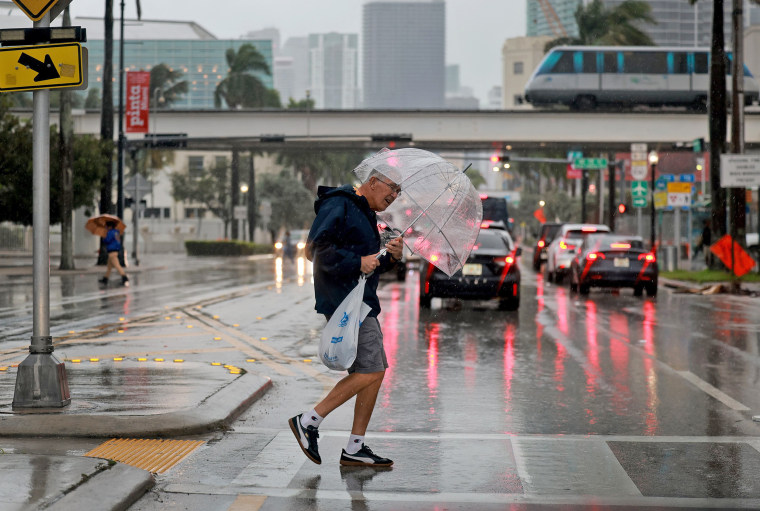
Packing Essentials: A good quality, lightweight, and packable umbrella is indispensable. Waterproof jackets or ponchos are also highly recommended, especially for theme park visits where carrying a bulky umbrella can be cumbersome. Quick-drying clothing and water-resistant footwear will enhance comfort. Even if the forecast shows clear skies, a brief shower can still catch you unprepared.
Embracing the Tropics: Accommodation and Lifestyle Choices Amidst Rainfall
Florida’s allure extends beyond its sunshine, and even when the skies decide to open up, the experience of staying and living in this vibrant state can remain exceptional. The diverse range of accommodation options and the flexibility inherent in a tropical lifestyle allow for enjoyment regardless of the weather. From luxury resorts to budget-friendly stays, and from family adventures to business trips, the key lies in adapting and appreciating the unique character of Florida, rain or shine.
Resort and Hotel Strategies for Rainy Days
The hospitality sector in Florida is adept at catering to guests, rain or no rain. Many of the world-renowned resorts understand that a tropical downpour is part of the experience, and they are well-equipped to handle it. For instance, a property like the Ritz-Carlton, Naples is known for its impeccable service and its ability to offer refined indoor experiences. This might include fine dining, spa treatments, or curated indoor events. When comparing hotels or resorts, pay attention to descriptions of their indoor amenities. Are there multiple restaurants? A full-service spa? A kids’ club with daily activities? These features become more valuable when outdoor options are limited.
Apartment and villa rentals, often favored for longer stays or family gatherings, also provide excellent rain-day solutions. Having a spacious living area, a fully equipped kitchen, and entertainment systems allows guests to create their own fun. Imagine a family enjoying a home-cooked meal together or a group of friends having a movie marathon in a comfortable villa in the Keys. Booking platforms often highlight features like “indoor pool,” “game room,” or “private cinema,” which are excellent indicators of a property’s preparedness for less-than-ideal weather.
For business travelers, even a rainy day doesn’t have to mean a loss of productivity or enjoyment. Upscale hotels in cities like Jacksonville or Tampa typically offer business centers, executive lounges, and excellent in-room workspaces. Moreover, the culinary scene in these cities is robust, providing ample opportunities for business lunches or dinners in sophisticated indoor settings.

Lifestyle Adaptations: From Luxury to Budget Travel
The concept of Florida lifestyle is inherently flexible, and this adaptability extends to how one experiences the state during rainy periods. For luxury travelers, a sudden shower can be an opportunity to indulge in world-class shopping at destinations like the Mall at Millenia in Orlando, enjoy a spa day at a high-end resort, or savor a gourmet meal at a renowned restaurant. The emphasis is on curated experiences that are not weather-dependent.
Budget travelers, on the other hand, can find excellent value by embracing Florida’s indoor attractions. Many museums, such as the Salvador Dalí Museum in St. Petersburg, offer fascinating insights into art and culture at an accessible price point. Public libraries often have interesting exhibits or events, and local community centers may host free or low-cost activities. Even a visit to a large bookstore or a vibrant indoor market can provide hours of entertainment.
Family trips can be significantly enhanced by having a rain plan. Instead of letting a shower dampen spirits, think of it as an opportunity for bonding. Visiting an indoor playground, a science museum like the Exploratorium in San Francisco (though this is a placeholder, it illustrates the type of attraction) or even simply having a relaxed afternoon at your hotel with board games can be just as memorable as a day at the beach. The key is to shift the focus from what cannot be done to what can be enjoyed.
Ultimately, whether you are planning a fleeting visit to see the iconic Everglades National Park or a more extended stay to experience the diverse offerings of cities like Tampa and St. Augustine, understanding and accepting that rain is a part of the Florida experience is crucial. With a bit of planning and a flexible attitude, even a rainy day in the Sunshine State can be filled with unique opportunities for exploration, relaxation, and discovery. The question “Is it raining in Florida?” should not be a cause for concern, but rather an invitation to explore a different facet of this captivating destination.