
The allure of California is undeniable. From its sun-drenched beaches and iconic Hollywood sign to its majestic national parks and vibrant cityscapes, the Golden State offers an unparalleled tapestry of experiences. However, for many prospective travelers, a crucial question looms large: “Is it safe to travel to California right now?” This is a valid concern, especially in our ever-evolving global landscape, and it warrants a comprehensive and nuanced answer.
The safety of travel is rarely a simple yes or no proposition. It’s a multifaceted issue influenced by a confluence of factors, including current events, local conditions, individual preparedness, and the specific destinations within California you intend to visit. This article aims to provide a thorough overview, drawing upon the diverse aspects of travel, accommodation, tourism, and lifestyle that define the California experience, to help you make an informed decision about your next adventure.

When considering safety, it’s essential to look beyond sensationalized headlines and delve into reliable information. California is a vast and diverse state, and the safety considerations in a bustling metropolis like Los Angeles might differ significantly from those in a remote coastal town or a national park like Yosemite. Therefore, a balanced perspective is key, acknowledging potential risks while also highlighting the robust safety measures and the overwhelmingly positive experiences many travelers have.
Navigating Current Conditions and Health Advisories
The most immediate safety concern for travelers often revolves around public health. In recent years, global health events have profoundly impacted travel, and understanding the current health landscape in California is paramount.
Health and Safety Protocols
California has consistently implemented and adapted health and safety protocols throughout various phases of public health concerns. These measures are often guided by federal, state, and local health departments, and their effectiveness is continually assessed.
- Vaccination and Testing Recommendations: While mandates may have evolved, staying informed about current recommendations regarding vaccinations and testing for relevant health concerns is crucial. Many attractions, hotels, and even airlines may have their own policies, and it’s wise to check these in advance. Websites of the California Department of Public Health and the Centers for Disease Control and Prevention (CDC) are excellent resources for up-to-date information.
- Hygiene and Sanitation: Many businesses across California, from luxurious resorts to charming bed and breakfasts, have significantly enhanced their hygiene and sanitation practices. Expect to see increased cleaning protocols in public spaces, restaurants, and hotel rooms. Hand sanitizing stations are often readily available.
- Public Transportation and Crowded Spaces: When using public transportation, such as the BART system in the San Francisco Bay Area or local buses in San Diego, or visiting popular attractions like Disneyland or Universal Studios Hollywood, being mindful of crowds and practicing personal hygiene is advisable. Many venues have implemented measures to manage crowd flow and ensure adequate ventilation.
Natural Disasters and Environmental Factors
California‘s geography, while breathtaking, also means it is susceptible to certain natural events. Understanding these risks and preparing accordingly is a vital part of safe travel planning.
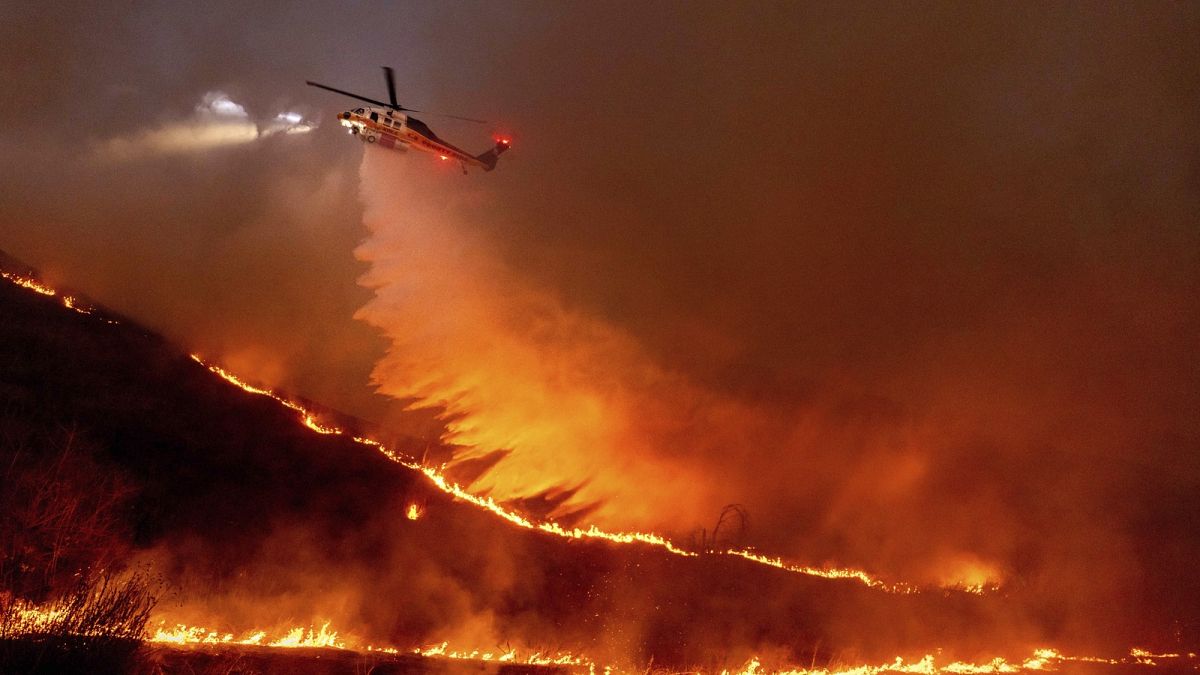
- Wildfires: California is prone to wildfires, particularly during the dry summer and fall months. These events can impact air quality and necessitate travel advisories or closures for certain areas, including national parks like Sequoia National Park and Kings Canyon National Park. Staying informed about fire conditions through resources like CAL FIRE is essential. Planning itineraries that allow for flexibility and having alternative destinations in mind is a prudent approach.
- Earthquakes: As California sits on the Pacific Ring of Fire, earthquakes are a reality. While major seismic events are infrequent, smaller tremors are common. Most modern buildings are constructed to withstand seismic activity, and hotels and other accommodations will typically have safety information readily available. Familiarizing yourself with basic earthquake safety procedures, such as “drop, cover, and hold on,” is always a good idea.
- Weather Patterns: California experiences diverse weather. Coastal areas can be foggy, while inland deserts can be extremely hot. Mountain regions can experience snow. Checking the weather forecast for your specific destination and packing appropriate clothing is essential for both comfort and safety. Extreme heat, for example, requires precautions like staying hydrated and avoiding strenuous outdoor activity during peak heat hours.
Ensuring Personal Safety and Security
Beyond health and environmental concerns, personal safety and security are fundamental aspects of any trip. California, like any other major travel destination, has its share of urban considerations.
Crime Rates and Awareness
While California is a popular tourist destination, it’s important to be aware of your surroundings and take standard precautions against petty crime, especially in densely populated urban areas like Downtown Los Angeles or parts of Oakland.

- Situational Awareness: Being aware of your environment, avoiding displaying valuable items, and sticking to well-lit, populated areas, particularly at night, are universal safety practices that apply in California.
- Valuables and Belongings: Keeping your belongings secure, using hotel safes for valuables, and being cautious of pickpockets in crowded tourist spots or on public transport can prevent minor incidents.
- Transportation Safety: When using ride-sharing services or taxis, ensure the vehicle and driver match the information provided through the app or booking. Avoid accepting rides from unsolicited individuals. If driving yourself, be mindful of parking in secure locations and never leave valuables visible in your car, especially in tourist areas or at trailheads in national parks.
Emergency Preparedness and Information
Knowing how to access help in an emergency is crucial for any traveler. California has a robust emergency response system.
- Emergency Numbers: The primary emergency number in the United States, including California, is 911. This number connects you to police, fire departments, and emergency medical services.
- Local Information: Before traveling, research the specific safety information for the cities and regions you plan to visit. Many city tourism websites and local government pages offer visitor safety tips and information about local law enforcement presence.
- Travel Insurance: Investing in comprehensive travel insurance can provide peace of mind, covering unexpected medical emergencies, trip cancellations, or lost belongings, which can contribute to a safer and less stressful travel experience.
Experiencing California’s Attractions Safely and Responsibly
California boasts an incredible array of attractions, from iconic landmarks and world-class museums to stunning natural landscapes and vibrant cultural districts. The key to enjoying these experiences safely lies in responsible planning and adherence to guidelines.
Visiting Famous Places and Landmarks
Iconic spots like the Golden Gate Bridge, Alcatraz Island, Griffith Observatory in Los Angeles, and the theme parks like Knott’s Berry Farm attract millions of visitors annually.
- Bookings and Reservations: For popular attractions, booking tickets in advance is highly recommended. This not only guarantees entry but also often allows you to select specific time slots, potentially avoiding the largest crowds and wait times, thus enhancing your safety and overall experience.
- Following Site Guidelines: Each landmark and attraction will have specific rules and guidelines for visitor conduct. Adhering to these, such as staying on designated paths in natural areas or respecting exhibit rules in museums, ensures your safety and preserves these sites for future generations.
- Crowd Management: During peak seasons or popular events, expect crowds. Patience and awareness are key. Many larger attractions have sophisticated crowd management systems.
Exploring Natural Wonders
California‘s natural beauty is legendary, with destinations like Death Valley National Park, Lake Tahoe, Big Sur, and the Redwood National and State Parks.
- Park Regulations: National and state parks have specific regulations for visitor safety, including rules about hiking, camping, wildlife encounters, and swimming. Always check the official park websites (e.g., the National Park Service website for Yosemite or Joshua Tree National Park) for the latest advisories and safety information.
- Hiking and Outdoor Activities: If you plan on hiking or engaging in other outdoor activities, be prepared. Carry adequate water, wear appropriate footwear and clothing, inform someone of your itinerary, and be aware of the local weather and terrain. For strenuous hikes, consider going with a companion.
- Wildlife Awareness: While encountering wildlife is a highlight for many, it’s crucial to maintain a safe distance and never feed wild animals. Familiarize yourself with potential wildlife encounters specific to the area you are visiting, whether it’s bears in the mountains or marine life along the coast.
Embracing Local Culture and Lifestyle
From the culinary delights of San Francisco‘s Chinatown to the artistic scene in Palm Springs, California offers a rich cultural tapestry.
- Food Safety: When dining out, choose establishments that appear clean and well-maintained. California has stringent food safety regulations, but it’s always wise to be discerning.
- Understanding Local Customs: While California is generally diverse and welcoming, understanding and respecting local customs and norms contributes to a positive and safe experience.
- Responsible Tourism: Practicing responsible tourism, which includes supporting local businesses, respecting the environment, and engaging respectfully with communities, not only enhances your own journey but also contributes to the sustainability and safety of the destinations you visit.
In conclusion, California remains a remarkably safe and rewarding destination for travelers. By staying informed, exercising common sense precautions, and doing your due diligence regarding specific destinations and activities, you can confidently plan and enjoy a memorable trip to the Golden State. The abundance of world-class attractions, diverse landscapes, and vibrant culture ensures that California continues to be a premier travel destination for visitors from around the globe.