
The idea of snow falling on the tropical paradise of Hawaii might seem as improbable as finding a penguin sunbathing on Waikiki Beach. For many, Hawaii conjures images of golden sands, azure waters, vibrant coral reefs, and lush, emerald rainforests. The scent of plumeria fills the air, and the gentle rhythm of the ukulele serenades visitors. Yet, nestled amongst these stereotypical tropical delights, an unexpected meteorological phenomenon can indeed occur: snow. This seemingly paradoxical reality is one of the many fascinating facets of the Aloha State, a destination that constantly surprises and delights travelers seeking more than just a typical beach vacation.
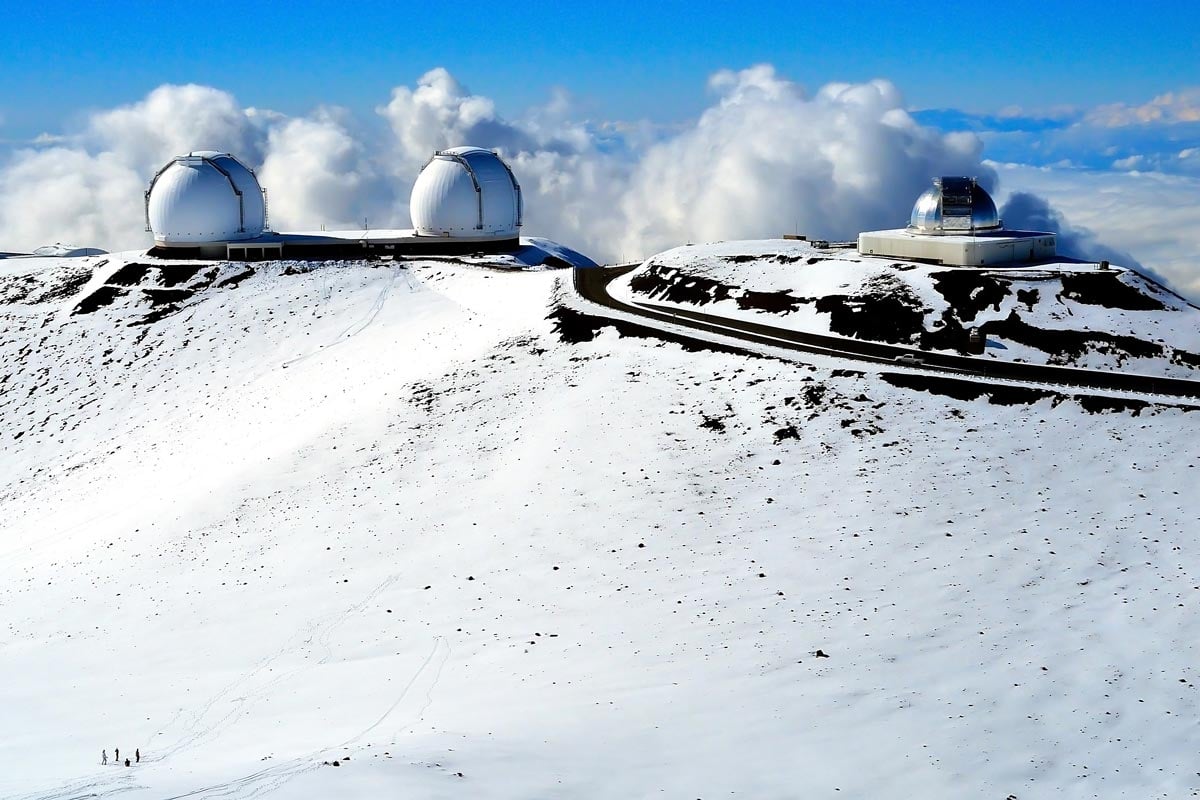
Hawaii’s unique geography, characterized by its dramatic volcanic landscapes and towering mountain peaks, plays a pivotal role in creating conditions that can lead to snowfall. While the islands are situated in the heart of the tropics, at a relatively low latitude, their immense elevation transforms the climate significantly. The highest points on the islands, particularly on the island of Hawaii, are among the tallest mountains in the world when measured from their base on the ocean floor. These soaring summits pierce the cloud layers, reaching altitudes where temperatures plummet well below freezing, even during the balmiest of tropical days.
The Volcanic Giants: Where Tropical Paradise Meets Arctic Chill
Hawaii’s most famous peaks are not just geological marvels; they are climatic anomalies. The sheer scale of mountains like Mauna Kea and Mauna Loa on the island of Hawaii, and Haleakalā on Maui, creates distinct microclimates. At sea level, the air is warm and humid, fostering the growth of palm trees and supporting a vibrant marine ecosystem. However, as one ascends these majestic volcanoes, the temperature drops dramatically with each thousand feet gained. The treeline recedes, replaced by sparse vegetation adapted to harsh conditions. Finally, at the highest elevations, the landscape transforms into something entirely alien to the typical Hawaiian experience – a barren, rocky terrain that can, under the right atmospheric conditions, be blanketed in white.
Mauna Kea: A Celestial and Terrestrial Wonderland
Mauna Kea, meaning “White Mountain” in Hawaiian, is perhaps the most prominent example of this phenomenon. Its summit, reaching an impressive 13,803 feet above sea level, is home to a world-renowned astronomical observatory. The thin, dry air at this altitude provides exceptional viewing conditions for stars and galaxies, drawing scientists from around the globe. But this same altitude means that during the winter months, from roughly November to March, Mauna Kea can receive significant snowfall.
The contrast is stark and breathtaking. Visitors might begin their day enjoying the warm sun and gentle trade winds on the coast of Kona, only to drive a few hours inland and ascend the mountain. As they climb, the landscape shifts from verdant coffee plantations to scrubby volcanic rock. Eventually, the temperature drops, and if the conditions are right, they will find themselves in a winter wonderland. Snowdrifts can accumulate, transforming the rugged, volcanic slopes into a scene that wouldn’t be out of place in the Rocky Mountains. The Onizuka Center for International Astronomy Visitor Information Station at 9,200 feet often serves as a gateway for those seeking to experience the summit and, occasionally, the snow. While the summit itself is accessible by 4WD vehicles and is a popular spot for stargazing, snow enthusiasts may find that the lower elevations of the mountain are more accessible for enjoying the white powder.
The experience of seeing snow on Mauna Kea is truly surreal. Imagine standing on the dark, volcanic soil, feeling the crisp, cold air on your skin, and looking out at a landscape dusted with snow. The stark black of the lava rock against the pristine white of the snow creates a visually stunning tableau. It’s a reminder that Hawaii is a land of extremes, a place where fire and ice, tropical warmth and arctic chill, coexist in remarkable harmony. This unexpected winter aspect adds another layer to the island’s allure, offering unique recreational opportunities for those who are prepared.
Practicalities for a Snowy Hawaiian Summit
Visiting the snow-capped peaks of Hawaii requires careful planning. The primary concern is safety and preparedness. Driving to the summit of Mauna Kea requires a 4WD vehicle and experience with high-altitude driving. The road is steep, unpaved in parts, and the altitude can cause altitude sickness. For those who wish to experience the snow without the full summit ascent, the visitor information station offers a more accessible introduction to the cooler climate.
Clothing is paramount. Even on a sunny day, temperatures at the summit can be well below freezing, and the wind can make it feel even colder. Layers are essential, including thermal underwear, warm fleece or down jackets, waterproof outer shells, hats, gloves, and sturdy, closed-toe shoes or hiking boots. Sunscreen is also crucial, as the sun’s rays are more intense at high altitudes, and the reflection off the snow can be blinding.
It’s also important to be aware of weather conditions before heading up. Snowfall is intermittent and depends on specific weather patterns. Checking local weather forecasts and road conditions is highly recommended. The Hawaiian Volcano Observatory and various local news outlets often provide updates. Remember, the goal is an enjoyable and safe experience, so respecting the power of nature is key.
Haleakalā: The “House of the Sun” Embraces Winter
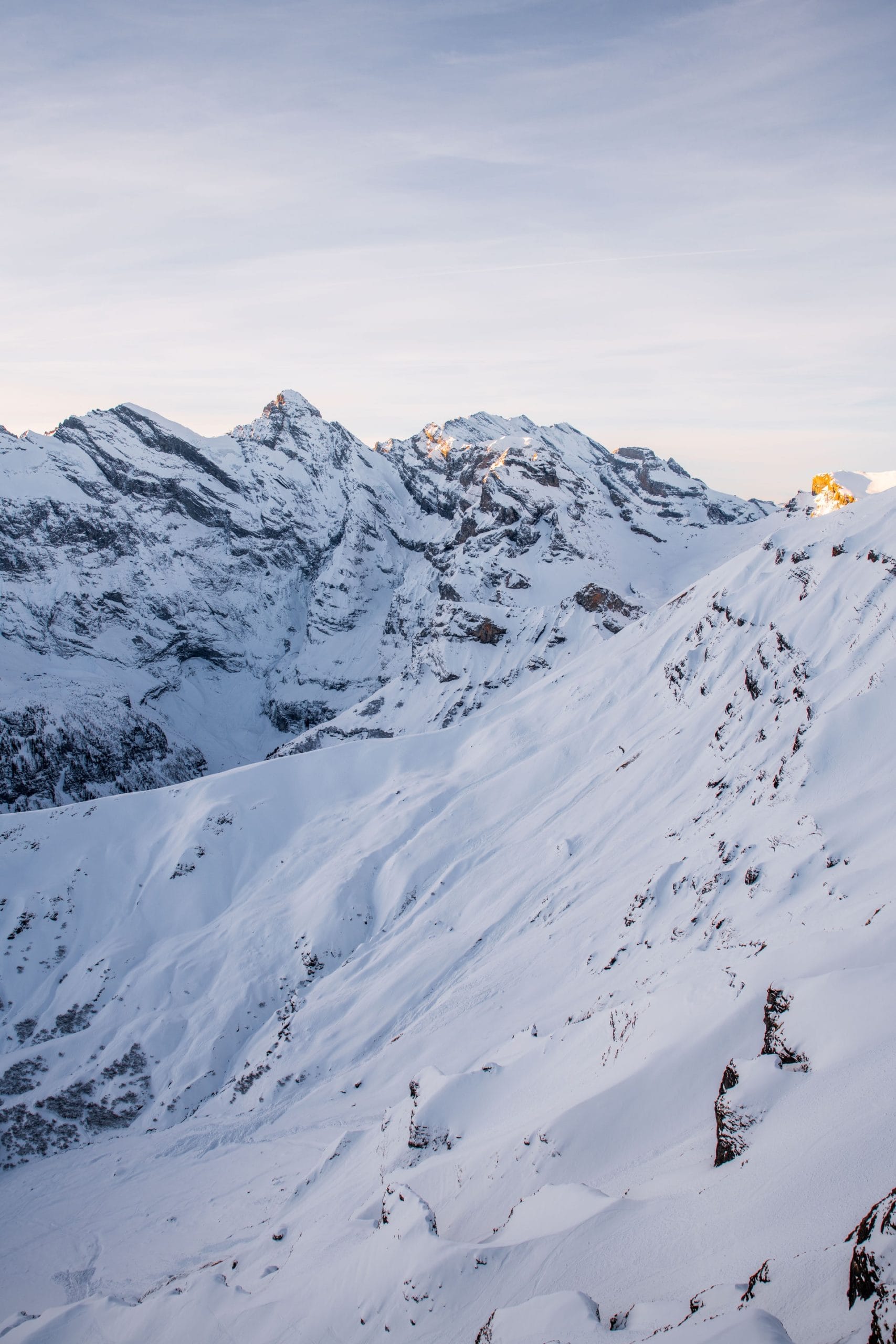
On the island of Maui, the majestic Haleakalā volcano offers another opportunity to witness snow in Hawaii. Known as the “House of the Sun,” Haleakalā‘s summit stands at 10,023 feet. While not as high as Mauna Kea, its elevation is sufficient to bring temperatures below freezing during the winter months. Snowfall is less frequent and usually less substantial than on Mauna Kea, but it does occur, transforming the stark, otherworldly crater into a beautifully surreal winter landscape.
The drive to the summit of Haleakalā National Park is a journey through dramatically changing ecosystems. Starting from the lush coastal areas, you’ll pass through forests and then enter the alpine desert. The volcanic landscape within the crater is already awe-inspiring, with its vast caldera, cinder cones, and unique silversword plants. When dusted with snow, this dramatic scenery takes on an entirely new dimension. The vibrant reds and browns of the volcanic rock are softened by the white blanket, creating a visual spectacle that is both hauntingly beautiful and incredibly rare.
Many visitors ascend Haleakalā for the sunrise or sunset, experiences that are legendary for their breathtaking beauty. The addition of snow to these already spectacular views makes for an unforgettable travel memory. Imagine watching the sun’s first rays paint the sky in hues of orange and pink, casting long shadows across a snow-covered crater floor. It’s a moment that truly blurs the lines between tropical expectations and unexpected realities.
Experiencing the Snows of Haleakalā
Visiting Haleakalā for snow is similar to Mauna Kea in terms of preparation, though generally less extreme. The road to the summit is paved and well-maintained, making it accessible to most vehicles. However, the same principles of layering clothing, wearing sturdy shoes, and using sunscreen apply. Temperatures at the summit can be cold, especially at night and during the early morning hours for sunrise viewing.
The Haleakalā National Park offers ranger programs and visitor centers that can provide valuable information about the weather and the unique environment. It’s always wise to check the park’s website or call ahead for current conditions, especially during the winter season. While snow is a possibility, it’s not a guarantee. However, even without snow, the stark beauty of Haleakalā at dawn or dusk is a must-see for any visitor to Maui. The chance of experiencing a snowy summit adds an extra layer of magic to this already incredible natural wonder.
Beyond the Peaks: What Else Does Hawaii Offer?
While the possibility of snow on Hawaii’s volcanoes is a fascinating and often overlooked aspect of the islands, it’s crucial to remember that the vast majority of the Hawaiian experience is centered around its tropical warmth and diverse attractions. The allure of Hawaii extends far beyond its highest elevations, offering an abundance of activities and experiences for every type of traveler.
Tropical Adventures and Cultural Immersion
From the iconic beaches of Waikiki on Oahu to the volcanic landscapes of Volcanoes National Park on the island of Hawaii, and the pristine shores of Kauai, there’s a world of exploration waiting. Travelers can indulge in water sports like surfing, snorkeling, and diving in the crystal-clear waters, or explore the lush interior rainforests through hiking and ziplining. The vibrant local culture is a cornerstone of the Hawaiian experience, with opportunities to learn about Hawaiian history, enjoy traditional luaus, and savor the unique flavors of Hawaiian cuisine.
The diverse islands each offer a distinct personality. Oahu is the bustling hub, home to Honolulu and the historic Pearl Harbor, alongside world-class shopping and dining. Maui is known for its luxurious resorts, stunning drives like the Road to Hana, and excellent whale watching during the winter months. Kauai, the “Garden Isle,” captivates with its dramatic cliffs of the Na Pali Coast and its verdant, natural beauty. The island of Hawaii, also known as the Big Island, offers an unparalleled diversity of landscapes, from black sand beaches and active volcanoes to coffee farms and lush valleys.

Accommodation and Lifestyle Choices
When planning a trip to Hawaii, accommodation options abound, catering to every budget and travel style. Luxury resorts offer opulent amenities, world-class spas, and breathtaking ocean views, perfect for those seeking a pampered escape. For a more intimate and personalized experience, private villas and apartments provide a home-away-from-home feel, ideal for families or longer stays. Budget travelers can find comfortable and convenient options, from charming bed and breakfasts to well-equipped hostels, ensuring that the magic of Hawaii is accessible to all.
Whether one is seeking adventure on a volcanic slope or relaxation on a sun-drenched beach, Hawaii delivers an unparalleled vacation experience. The island chain is a testament to the beauty and diversity of our planet, offering a unique blend of tropical charm and surprising geological wonders, proving that even in paradise, a touch of winter can be found.