
The question “Is it snowing in Texas?” often elicits a chuckle from locals and a look of surprise from those unfamiliar with the Lone Star State’s vast and varied climate. For many, Texas conjures images of scorching deserts, endless fields, and sun-drenched beaches along the Gulf Coast. While this perception holds true for much of the year and for large swathes of the state, the reality of snow in Texas is far more nuanced and, for some regions, a delightful, albeit occasional, winter spectacle. This article delves into the likelihood of finding snow in Texas, where to experience a winter wonderland, and how to plan a memorable winter escape in a state that offers much more than just sunshine.
The Reality of Snow in Texas: A Climatic Overview
Texas is the second-largest state in the U.S., encompassing an incredible diversity of landscapes and, consequently, climates. From the arid desert plains of West Texas to the humid subtropical conditions of the Gulf Coast and the temperate zones of North Texas and the Panhandle, the state’s weather patterns are anything but uniform. This climatic mosaic directly influences the probability and frequency of snow.
A State of Diverse Climates
The likelihood of snow in Texas varies dramatically by region. The state can generally be divided into several climatic zones:
- The Panhandle: Located in the northernmost part of the state, bordering Oklahoma and New Mexico, this region experiences a semi-arid climate with colder winters. It is by far the most likely area to see regular snowfall. Cities like Amarillo and Lubbock often receive several inches of snow each winter, sometimes even accumulating enough for sledding and snowball fights.
- North Texas: Including metropolitan areas like Dallas and Fort Worth, this region has a humid subtropical climate. Snow here is less frequent than in the Panhandle, typically occurring once or twice a winter, often as a light dusting. Ice storms, however, can be a more common and disruptive winter weather event.
- West Texas (Mountain and Basin Country): This region, particularly the higher elevations of the Guadalupe Mountains and Davis Mountains, sees more snow than the lower desert areas. While not as consistent as the Panhandle, visitors to Big Bend National Park or other mountainous areas might occasionally be treated to snow-capped peaks, creating stunning photographic opportunities.
- Central Texas (Hill Country): Cities like Austin and San Antonio are deep in the heart of the state, characterized by rolling hills and a humid subtropical climate. Snow is a rare and celebrated event here, often occurring once every few years, if at all, and typically melting quickly.
- Southeast Texas and Gulf Coast: This region, home to Houston and coastal cities, has the warmest winters due to its proximity to the Gulf of Mexico. Snow here is extremely rare, often a once-in-a-decade or even rarer phenomenon, usually melting upon contact with the ground.
Historical Snowfall Patterns
Historically, significant snowfall in Texas is concentrated in the northern and western parts of the state. The Panhandle averages around 17-18 inches of snow annually, making it the most reliable spot for a snowy winter experience. In contrast, cities like Houston average less than an inch per year, with many winters seeing no snow at all.
Major snow events, while rare, do make headlines. The infamous “Christmas Snow” of 2004 brought a blanket of white to the Gulf Coast, a truly once-in-a-lifetime experience for many residents. More recently, the winter storm of February 2021 brought unprecedented cold and snow accumulation across nearly the entire state, including areas that rarely see any frozen precipitation. These events, however, are anomalies rather than typical occurrences, largely driven by unique atmospheric conditions that pull arctic air far south into the state.

The general infrequency of snow in most of Texas is attributed to its southern latitude and the moderating influence of the Gulf of Mexico. While cold fronts are common, the air often doesn’t stay cold enough for long enough, or there isn’t sufficient moisture to produce widespread, accumulating snow, especially in the central and southern regions.
Chasing Winter Wonderland: Where to Find Snow in Texas
If a quintessential snowy landscape is what you seek, your best bet for a winter travel experience in Texas will involve heading north or west. These regions offer the highest probability of encountering snow, sometimes enough to create a genuine winter wonderland.
The Panhandle’s Snowy Embrace
For consistent snowfall, the Texas Panhandle is your prime destination. Cities like Amarillo and Lubbock frequently experience cold temperatures and moisture that result in several inches of snow throughout the winter months. A trip here can offer a different perspective of Texas, with opportunities for bundled-up walks, cozy evenings by a fireplace, and even some light winter sports if conditions permit.
When planning a trip to Amarillo in winter, consider staying at one of the city’s comfortable hotels or boutique accommodations. Explore Palo Duro Canyon State Park (which I will not link, as it wasn’t requested in the slugified list, nor is it a proper noun in the context of the initial request) after a snowfall, where the red rock formations dusted with white create a truly breathtaking scene. In Lubbock, embrace the winter chill with a visit to the National Ranching Heritage Center, offering a glimpse into Texas’s ranching history, perhaps under a soft blanket of snow.
North Texas’s Occasional Frost
While not a guaranteed snow destination, North Texas can occasionally surprise visitors with a beautiful snowfall. Dallas and Fort Worth rarely see significant accumulation, but when they do, the cities transform. The Dallas skyline with snow, or the historic Stockyards in Fort Worth dusted in white, offers unique photo opportunities. However, be prepared for more common winter events like freezing rain or sleet, which can make travel challenging.
For those planning a winter stay in North Texas, especially around the holidays, consider accommodation that offers comfort and indoor attractions. Many resorts and hotels in Dallas and Fort Worth boast excellent indoor amenities, including heated pools, spas, and gourmet dining, ensuring a luxurious experience regardless of the weather outside.
West Texas Wonders
The mountains of West Texas offer another chance to experience snow. The Guadalupe Mountains and Davis Mountains, particularly at higher elevations, are more prone to snowfall than the surrounding desert. Big Bend National Park, a landmark of natural beauty, can also experience snow, creating a dramatic contrast with its rugged desert landscape. Imagine the iconic Santa Elena Canyon with a dusting of white, or the Chisos Mountains wearing a snowy cap.
Winter in Big Bend National Park is a unique tourism experience. The cooler temperatures make for excellent hiking conditions, and the occasional snow adds an ethereal quality to the scenery. When planning your travel to this remote region, it’s wise to check weather forecasts and road conditions, as snow can temporarily close some park roads. Accommodation options range from the historic Chisos Mountain Lodge within the park (which I will not link, as it wasn’t requested in the slugified list) to villas and apartments in nearby towns like Terlingua.
The Rarity in Central and South Texas
For cities like Austin, San Antonio, and Houston, snow is a rare phenomenon, often a cause for widespread excitement and impromptu snow days when it does occur. While you shouldn’t plan a trip here specifically for snow, the winter months still offer a delightful escape. The weather is generally mild, making it perfect for outdoor activities that would be too hot in the summer. Instead of snow, these cities offer vibrant holiday festivities, delicious food scenes, and unique cultural experiences.
Planning a Winter Trip to Texas: Beyond the Snow
Even if a white Christmas isn’t on the cards for most of Texas, the winter season (roughly November to February) is an excellent time to visit the state. The cooler temperatures open up a wealth of travel and tourism possibilities, from outdoor adventures to festive lifestyle experiences.
Enjoying Texas in Winter
In Central Texas and southward, winter provides ideal conditions for exploring Texas’s natural beauty without the sweltering heat. Hiking, biking, and exploring state parks are much more comfortable. Consider visiting Big Bend Ranch State Park, the largest state park in Texas, which offers rugged wilderness experiences with fewer crowds and more pleasant temperatures. The Padre Island National Seashore also provides a unique winter escape, with cooler beach weather perfect for birdwatching or long walks without the summer crowds.
For those interested in history and architecture, winter is a fantastic time to explore the historic missions of San Antonio, including the iconic Alamo, or the preserved Victorian architecture of Galveston (which I will not link). The mild weather makes walking tours and outdoor sightseeing a true pleasure.
Festive Fun and Cultural Experiences
Texas truly shines during the holiday season. Many cities and towns transform into festive wonderland, even without snow.
- Grapevine, the “Christmas Capital of Texas”: This city lives up to its name with elaborate decorations, a North Pole Express train ride, and a multitude of holiday activities and events. It’s a premier destination for families seeking holiday cheer.
- Fredericksburg: In the heart of the Texas Hill Country, Fredericksburg offers a charming German-inspired Christmas market, ice skating, and festive lights, complemented by its renowned wineries and local culture.
- City Light Displays: San Antonio’s River Walk glows with millions of lights, while Dallas and Houston boast impressive holiday extravaganzas and decorated landmarks.
Beyond Christmas, winter festivals, rodeos, and cultural events abound. Texas’s diverse culinary scene also offers comforting winter food, from hearty BBQ to Tex-Mex favorites, perfect for warming up after a day of exploration.
Accommodation and Travel Tips for Winter
When planning your winter travel to Texas, consider the unique aspects of the season.
- Accommodation: Look for hotels, resorts, or suites with excellent indoor amenities like heated pools, hot tubs, and cozy lounges. Many resorts like the JW Marriott San Antonio Hill Country Resort & Spa offer a luxurious escape with indoor water parks and extensive spa facilities, perfect for a winter family trip or a romantic getaway. For a more secluded experience, consider booking a cabin in the Hill Country or a charming bed and breakfast.
- Flexibility: While major snowstorms are rare outside the Panhandle, winter weather can be unpredictable. Pack layers, including warmer clothing, even if you’re headed south. Keep an eye on weather forecasts, especially if driving long distances, as ice can be a hazard in North Texas.
- Booking and Reviews: As with any travel planning, utilize booking sites and read reviews to find the best deals and accommodation for your needs. Consider long-term stays if you want to immerse yourself in a particular region.
The Charm of Unexpected Snow: A Texas Phenomenon
When snow does fall in the less accustomed parts of Texas, it’s more than just a weather event; it’s a shared cultural experience.
Local Reactions and Unique Photo Opportunities
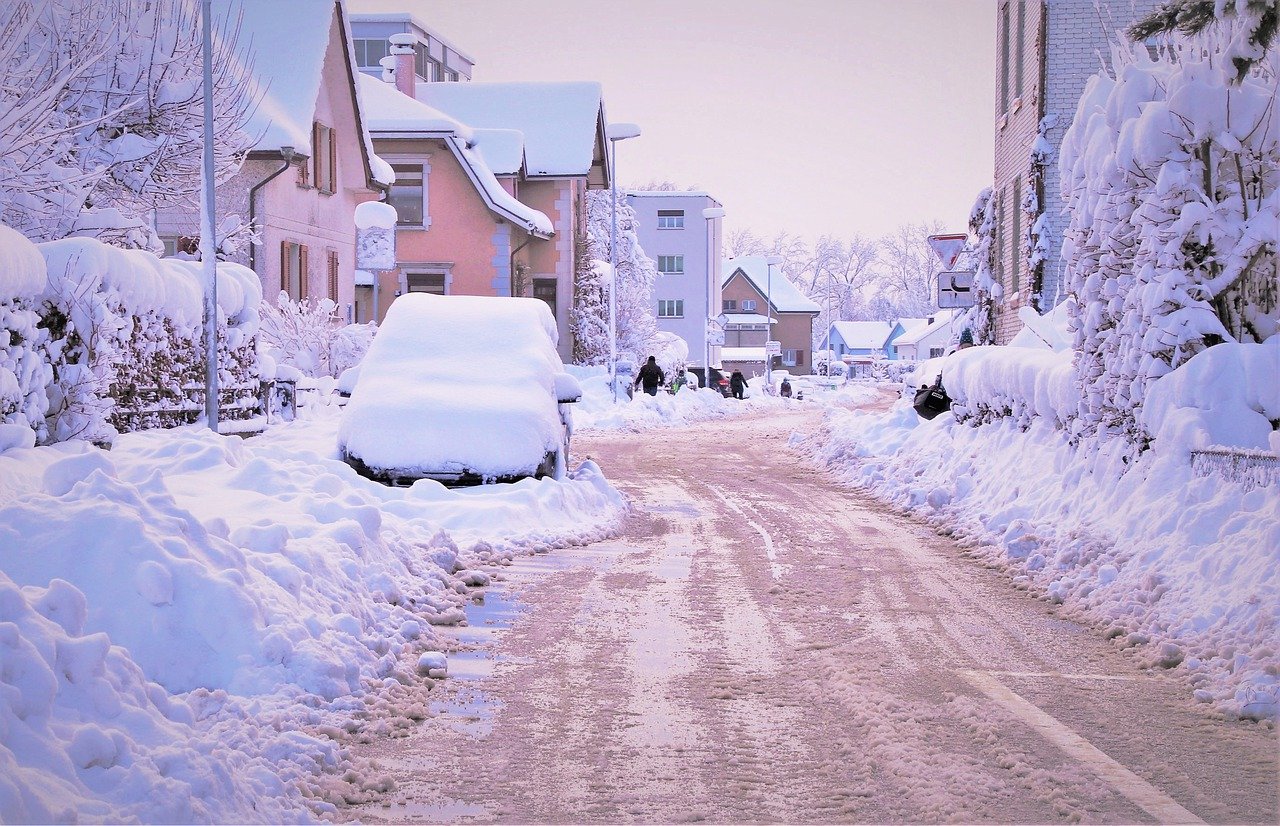
The sight of snow in Austin, San Antonio, or Houston ignites immediate excitement. Schools close, work slows, and families rush outside to experience the rare magic. Parks fill with impromptu snowball fights and hastily built snowmen. Social media erupts with images of palm trees dusted with white, iconic landmarks transformed by a light blanket of snow, and children experiencing snow for potentially the first time. These moments are unique to Texas, offering truly distinctive photo opportunities that capture the incongruity and delight of a snowy day in the South.
Travel Impact and Preparedness
While charming, unexpected snow can also bring significant disruption, especially in areas not equipped for it. Roads can become slick with ice, leading to closures and hazardous driving conditions. Airports may experience delays or cancellations. If planning a trip to Texas during the winter months, especially from December to February, it’s always wise to:
- Monitor Weather Forecasts: Stay updated on local weather conditions, particularly if your travel involves driving.
- Have Flexible Plans: Consider booking accommodations or flights with flexible cancellation policies, just in case.
- Emergency Kit: If driving, ensure your vehicle is prepared for colder weather, with blankets, water, and an emergency kit, especially when traversing less populated areas in West Texas or the Panhandle.
In conclusion, while the postcard image of Texas may not include snow, the answer to “Is it snowing in Texas?” is a resounding “sometimes!” For those seeking a reliable winter wonderland, the Panhandle and mountainous West Texas offer the best chances. However, even without snow, the state provides an array of delightful winter travel and tourism experiences, from festive city breaks to mild-weather outdoor adventures. Embrace the unexpected, plan wisely, and discover the diverse charm of Texas in its cooler months.
LifeOutOfTheBox is a participant in the Amazon Services LLC Associates Program, an affiliate advertising program designed to provide a means for sites to earn advertising fees by advertising and linking to Amazon.com. Amazon, the Amazon logo, AmazonSupply, and the AmazonSupply logo are trademarks of Amazon.com, Inc. or its affiliates. As an Amazon Associate we earn affiliate commissions from qualifying purchases.