
For many travelers planning a journey through the heartland of America, the question of time zones might seem straightforward. Most states adhere to a single time zone, simplifying itinerary planning. However, when it comes to the vast and diverse landscapes of Kansas, the answer to “Is Kansas Central Time?” is a fascinating “yes, and no.” The Sunflower State proudly straddles two distinct time zones, presenting a unique consideration for visitors exploring its bustling cities, serene prairies, and captivating landmarks. Understanding this geographical and temporal division is not just a matter of setting your watch; it’s crucial for seamless travel, timely bookings, and fully immersing yourself in the rich experiences that Kansas has to offer.
From the vibrant urban centers of eastern Kansas to the rugged, wide-open spaces of its western plains, the state offers a compelling tapestry of destinations, attractions, and local culture. This temporal split, while a minor detail for some, becomes an intriguing aspect of planning any Kansas adventure, influencing everything from hotel check-in times to the timing of an afternoon excursion to a historical landmark. Whether you’re a luxury traveler seeking the finest suites and resorts, a budget-conscious backpacker, or a family on a memorable road trip, knowing which time zone you’re in – or heading towards – can make all the difference in a stress-free and enjoyable experience.
Navigating the Time Zones of Kansas
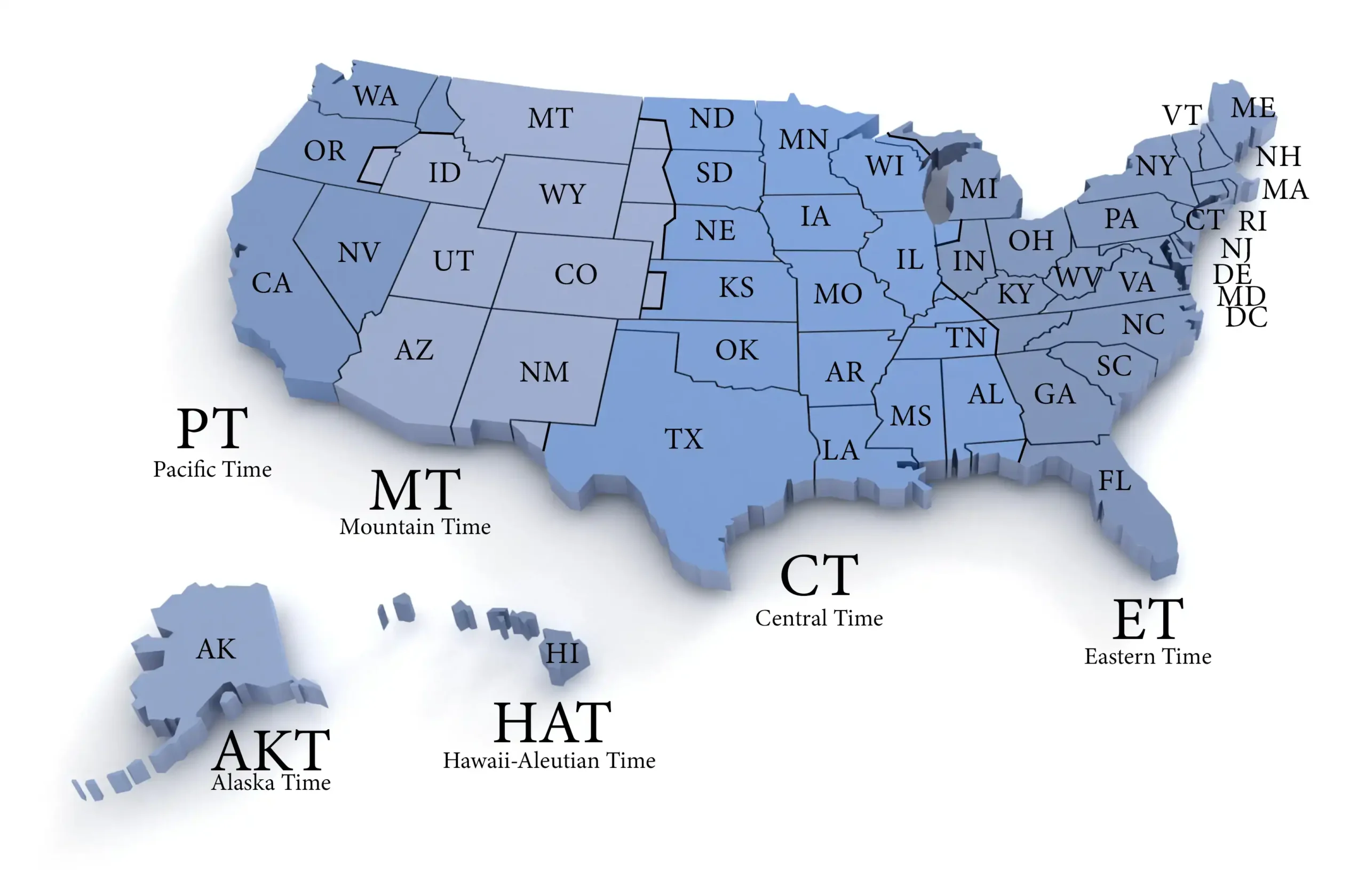
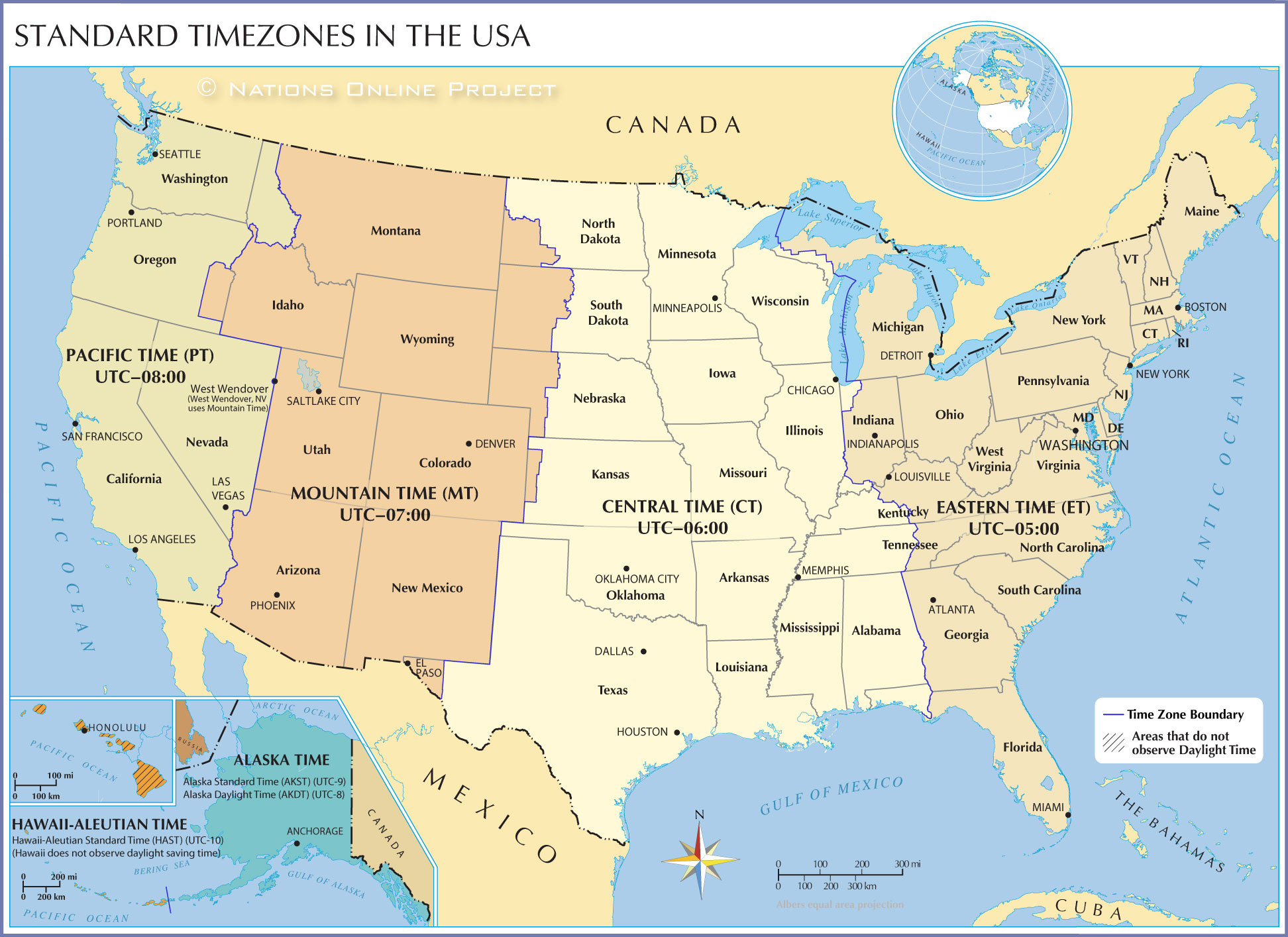
The reason for Kansas’s dual time zone status is primarily geographical, a common occurrence for states that stretch significantly from east to west. While the majority of the state observes Central Time, a notable segment of western Kansas aligns with Mountain Time. This division is a legacy of how time zones were initially established and how practical considerations for daily life and commerce influenced their boundaries. For the savvy traveler, being aware of this divide is the first step towards a perfectly synchronized journey.
The Great Divide: Central vs. Mountain Time
The vast majority of Kansas, including its major population centers and most popular tourist destinations, falls within the Central Time Zone (CT). This means cities like Kansas City, Topeka, Wichita, Lawrence, Manhattan, Salina, and Hutchinson all operate on CT, typically UTC-6 during standard time and UTC-5 during Daylight Saving Time. For visitors arriving from states like Missouri, Oklahoma, or eastern Nebraska, this transition is seamless.
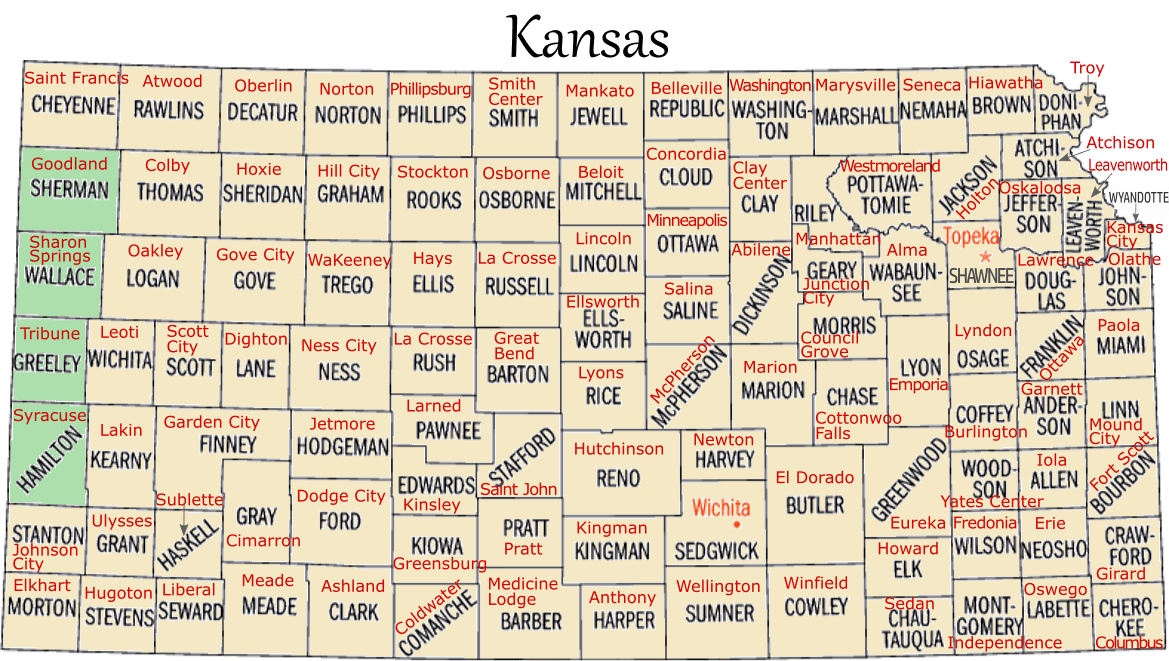
However, as you journey westward, particularly towards the border with Colorado, the landscape changes not just scenically but temporally. The westernmost counties of Kansas observe Mountain Time (MT), which is one hour behind Central Time. This area primarily includes the counties of Greeley County, Hamilton County, Sherman County, and Wallace County. Cities and towns within this region, such as Goodland, Sharon Springs, and Syracuse, operate on MT, typically UTC-7 during standard time and UTC-6 during Daylight Saving Time.
This distinction is more than just a line on a map; it reflects a practical decision to align these communities with their neighboring towns in eastern Colorado for business, education, and social interactions. For tourists, this means that a drive from, say, Hays (CT) to Goodland (MT) will involve “gaining” an hour, a pleasant surprise perhaps for those on a tight schedule, but one that needs careful consideration when coordinating activities or reservations.
Why Time Zones Matter for Your Kansas Adventure
Understanding Kansas’s time zone split is paramount for several aspects of travel planning, especially for those venturing beyond the well-trodden paths of the eastern cities.
For business stays and corporate travelers, scheduling meetings across the state requires meticulous attention to time zones. A conference call scheduled for 10:00 AM CT might be 9:00 AM MT for participants in western Kansas, a small but critical detail that can impact professionalism and efficiency.
Family trips often involve tight schedules, especially when traveling with children. Missing a timed entry to a landmark, a train departure, or a dinner reservation because of a time zone miscalculation can lead to unnecessary stress. Imagine arriving at a highly anticipated attraction like the Sedgwick County Zoo in Wichita an hour early or late, purely due to an oversight.
For accommodation booking, especially when making reservations online or over the phone, always double-check the listed time zone for check-in and check-out times. A hotel in Goodland might advertise a 3:00 PM check-in, which would be 4:00 PM for someone arriving from Topeka. Similarly, flight departures from Wichita Dwight D. Eisenhower National Airport or Kansas City International Airport will always be in Central Time, requiring travelers from the Mountain Time zone to adjust their departure plans accordingly.
Ultimately, awareness of the time zone boundaries ensures a smoother, more enjoyable, and truly seamless travel experience, allowing you to focus on the beauty and hospitality of Kansas rather than on time-related mishaps.
Exploring Kansas: Destinations Across Time Zones
The dual time zone setup in Kansas serves as a subtle dividing line between two distinct regional experiences, each offering its own unique charm, attractions, and cultural nuances. From the bustling urban landscapes and rich history of the east to the serene natural wonders and rugged individualism of the west, Kansas invites travelers to discover its multifaceted personality.
Eastern Kansas: Central Time Zone Highlights
The eastern two-thirds of Kansas, firmly rooted in the Central Time Zone, is a vibrant region brimming with cultural landmarks, historical significance, and modern amenities. This area is a prime destination for those interested in city breaks, history, and a wide range of accommodation options from luxury hotels to quaint bed and breakfasts.
Kansas City (on the Kansas side, often referred to as Kansas City, Kansas or KCK) offers a blend of urban excitement and local charm. While its Missouri counterpart often steals the limelight, KCK boasts attractions like the Kansas Speedway, Legends Outlets Kansas City for premier shopping, and a burgeoning food scene. For accommodation, travelers can find numerous options ranging from budget-friendly hotels to comfortable suites perfect for family trips. The wider Kansas City metropolitan area is famous for its BBQ, jazz history, and vibrant arts scene, making it a dynamic hub for tourism and lifestyle experiences.
Further west in the CT zone, Topeka, the state capital, invites visitors to explore its historical depth. The Brown v. Board of Education National Historic Site is a poignant landmark, offering insights into a pivotal moment in American civil rights. The Eldridge Hotel in nearby Lawrence, known for its rich history and luxurious amenities, stands as a testament to the area’s upscale accommodation offerings. Travelers seeking comfortable stays in Topeka might consider the SpringHill Suites by Marriott Topeka Southwest, offering modern comforts suitable for both business and leisure.
Wichita, the largest city in Kansas, is a powerhouse of culture, aerospace history, and culinary delights. Its Old Town district, with its brick-lined streets, is a hub for nightlife, restaurants, and unique shops. The Sedgwick County Zoo is a world-class attraction, perfect for family outings, while the Museum of World Treasures offers an eclectic journey through human history. Accommodation here ranges from the elegant Ambassador Hotel Kansas City (though technically in KCMO, its sister property, the Ambassador Hotel Wichita, offers similar luxury) to the Hyatt Regency Wichita and the historic Drury Plaza Hotel Broadview Wichita, both offering premium experiences for travelers.
Beyond the cities, the Flint Hills region, home to the Tallgrass Prairie National Preserve, offers unparalleled natural beauty and a glimpse into the state’s ecological heritage. These vast, rolling grasslands provide a unique backdrop for outdoor activities, photography, and experiencing the tranquil side of Kansas lifestyle.
Western Kansas: Mountain Time Zone Gems
Venturing into the Mountain Time Zone of western Kansas offers a stark contrast to the eastern urban centers. This region embodies the spirit of the American West, characterized by vast horizons, unique geological formations, and a slower, more deliberate pace of life. It’s an ideal destination for those seeking nature tourism, historical exploration, and an authentic experience of the prairie landscape.
Cities like Goodland and Sharon Springs serve as gateways to this rugged beauty. While perhaps not boasting the extensive accommodation options of their eastern counterparts, these towns offer comfortable, often locally owned hotels and motels, perfect for road-trippers and adventurers. Long-term stay options might be more limited but can be found through independent bookings or vacation rentals.
The true gems of western Kansas lie in its natural landmarks. Monument Rocks, often called the Chalk Pyramids, are towering chalk formations that rise dramatically from the plains, offering a breathtaking and otherworldly landscape. Nearby, Little Jerusalem Badlands State Park features a miniature badlands landscape, with intricate formations carved by eons of wind and water erosion. These sites are not just geological marvels but also places of deep historical and paleontological significance, having yielded numerous fossils. The Sternberg Museum of Natural History in Hays (CT, but a natural stop when heading west) offers an impressive collection of these finds, including the famous “Fish-within-a-Fish” fossil.
Further south in the CT zone, but representing the historical heart of the Old West, is Dodge City. While not in Mountain Time, it perfectly captures the spirit of western Kansas with its rich cowboy history. The Boot Hill Museum is a must-visit, offering a vivid portrayal of frontier life, complete with reenactments, historical buildings, and artifacts. This area provides a fantastic opportunity for experiences that delve into local culture, food (especially hearty frontier-style meals), and activities like historical tours.
The lifestyle in western Kansas is distinct – it’s about wide-open spaces, star-filled nights, and a connection to the land. Whether you’re on a budget travel adventure or seeking a tranquil escape from urban life, the MT zone of Kansas offers unique experiences away from the crowds, emphasizing nature, history, and the enduring spirit of the frontier.
Practical Tips for Seamless Travel in Kansas
Understanding Kansas’s dual time zones is the foundation for a well-planned trip. However, practical application and a few smart habits can elevate your travel experience from good to exceptional, ensuring every booking, every meeting, and every attraction visit runs like clockwork.
Planning Your Itinerary and Bookings
The most critical advice for navigating Kansas’s time zones is simple: always confirm the local time zone for any appointment, reservation, or scheduled activity. This applies to everything from your hotel booking confirmation (e.g., check-in at Holiday Inn Express Goodland) to museum opening hours, restaurant reservations, and especially transportation schedules. If you’re booking online, many platforms will indicate the local time zone, but it never hurts to double-check, particularly if you’re crossing the time zone boundary during your journey.
Utilize technology: Modern smartphones and devices are incredibly adept at automatically adjusting to local time zones as you travel. Ensure your device’s time settings are set to “automatic” or “network-provided time.” While this won’t prevent confusion if you think you’re in one zone but are actually in another, it will at least show you the correct local time on your device. For manual confirmation, a quick search for “current time in Goodland, Kansas” or “current time in Topeka, Kansas” can clarify any doubts.
For those undertaking long-term stays or business trips that involve frequent travel between eastern and western Kansas, consider creating a detailed itinerary that explicitly notes the time zone for each stop. This level of planning, while seemingly meticulous, can prevent errors and ensure a smooth flow, especially when coordinating with colleagues or family members who may not be as familiar with the state’s time zone complexities.
When considering accommodation comparison and reviews, bear in mind that the availability and types of amenities might differ between the more populated eastern cities and the quieter western towns. While a luxury resort or a Grand Hyatt Hotel experience might be more common in places like Wichita or Kansas City, western Kansas might offer charming, independently owned apartments or rustic villas that provide a more authentic local experience. Always check the specific offerings and location-based expectations.
Embracing the Kansas Lifestyle: From Bustling Cities to Serene Prairies
The time zone split in Kansas subtly underscores the diverse lifestyles found within the state. In the Central Time Zone, particularly in the larger cities, life often moves at a quicker pace. Here, you’ll find a vibrant local culture, a wide array of food experiences ranging from gourmet dining to iconic BBQ joints, and a plethora of activities, from attending a Kansas State University or University of Kansas sporting event to exploring art galleries and live music venues. This region is well-suited for travelers seeking a dynamic urban experience, business opportunities, or family trips packed with diverse attractions.
As you cross into the Mountain Time Zone, the rhythm of life often shifts to a slower, more deliberate cadence, aligning with the vast, open spaces and agricultural heritage of the region. Here, the focus moves towards outdoor activities, exploring nature’s wonders like the badlands and chalk formations, and experiencing the quiet beauty of the prairie. The food culture tends to be more hearty and traditional, often reflecting the agricultural bounty of the area. This part of Kansas is perfect for budget travel adventurers, those seeking a peaceful retreat, or anyone looking to connect with the natural world and a simpler way of life.
Regardless of which time zone you find yourself in, Kansas offers genuine hospitality and unique experiences. From the architectural marvels in the east to the historical depth of places like the Eisenhower Presidential Library, Museum & Boyhood Home in Abilene (CT) and the natural wonders of the west, the state promises a journey rich in discovery. Embrace the subtle shifts in time, plan wisely, and you’ll uncover the true charm of America’s heartland, proving that whether it’s Central Time or Mountain Time, Kansas is always a fantastic time.
In conclusion, the answer to “Is Kansas Central Time?” is a nuanced “mostly, but not entirely.” The division into Central and Mountain Time zones is a small yet significant detail for any traveler to the Sunflower State. By understanding this geographical fact and planning accordingly, visitors can ensure a smooth, enjoyable, and enriching experience, allowing them to fully appreciate the diverse attractions, unique culture, and warm hospitality that define Kansas from east to west. So pack your bags, set your watch (or trust your smartphone), and prepare for an unforgettable adventure across the temporal and physical landscapes of this remarkable state.
LifeOutOfTheBox is a participant in the Amazon Services LLC Associates Program, an affiliate advertising program designed to provide a means for sites to earn advertising fees by advertising and linking to Amazon.com. Amazon, the Amazon logo, AmazonSupply, and the AmazonSupply logo are trademarks of Amazon.com, Inc. or its affiliates. As an Amazon Associate we earn affiliate commissions from qualifying purchases.