
Planning a trip to the Sunflower State often involves a myriad of logistical considerations, from booking the perfect accommodation to understanding the local attractions and culture. One seemingly minor detail that can sometimes cause confusion for travelers is the time zone. When you’re coordinating flights, scheduling tours, or simply trying to meet friends for dinner, knowing the local time is paramount. So, let’s delve into the question: Is Kansas in Central Time? The answer, as with many things concerning a state as geographically diverse as Kansas, is not a simple yes or no.
Understanding Time Zones in Kansas
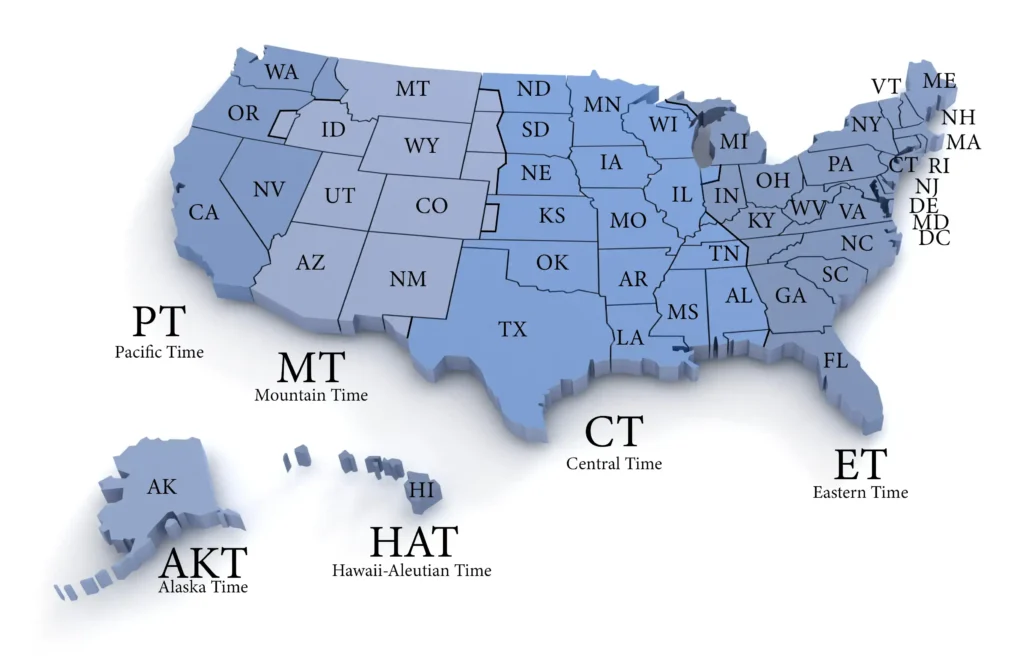
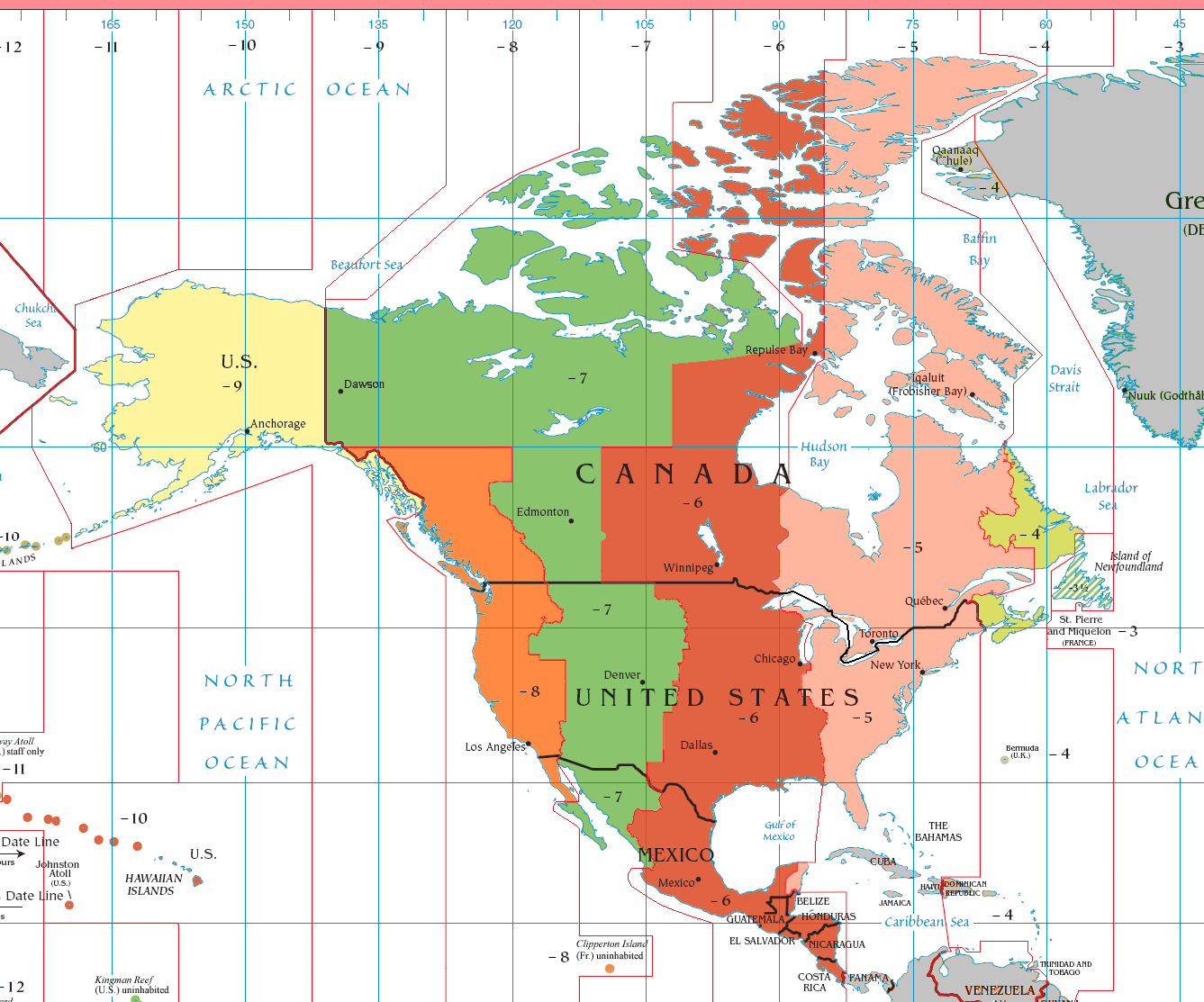
The United States is divided into several time zones, each governing a specific geographical area. The primary ones that affect travel within the contiguous United States are Eastern Standard Time (EST), Central Standard Time (CST), Mountain Standard Time (MST), and Pacific Standard Time (PST). Understanding these zones is crucial for seamless travel planning, especially when crossing state lines or even significant distances within a large state.
The Central Time Zone Predominance
For the vast majority of its geographical area, Kansas observes Central Standard Time (CST), which is UTC-6. This means that during the period when Daylight Saving Time is in effect, Kansas observes Central Daylight Time (CDT), which is UTC-5. This covers most of the state’s major population centers and popular tourist destinations. Cities like Wichita, Overland Park, Kansas City, Kansas, and the state capital, Topeka, all fall within CST.
This means that when it’s 12:00 PM Eastern Time, it’s 11:00 AM Central Time. This is a crucial piece of information for anyone coordinating with friends or family back east, or for those booking early morning flights out of airports like Wichita Dwight D. Eisenhower National Airport. Understanding this difference ensures you don’t miss check-in times or appointment slots.
The Peculiar Case of Western Kansas
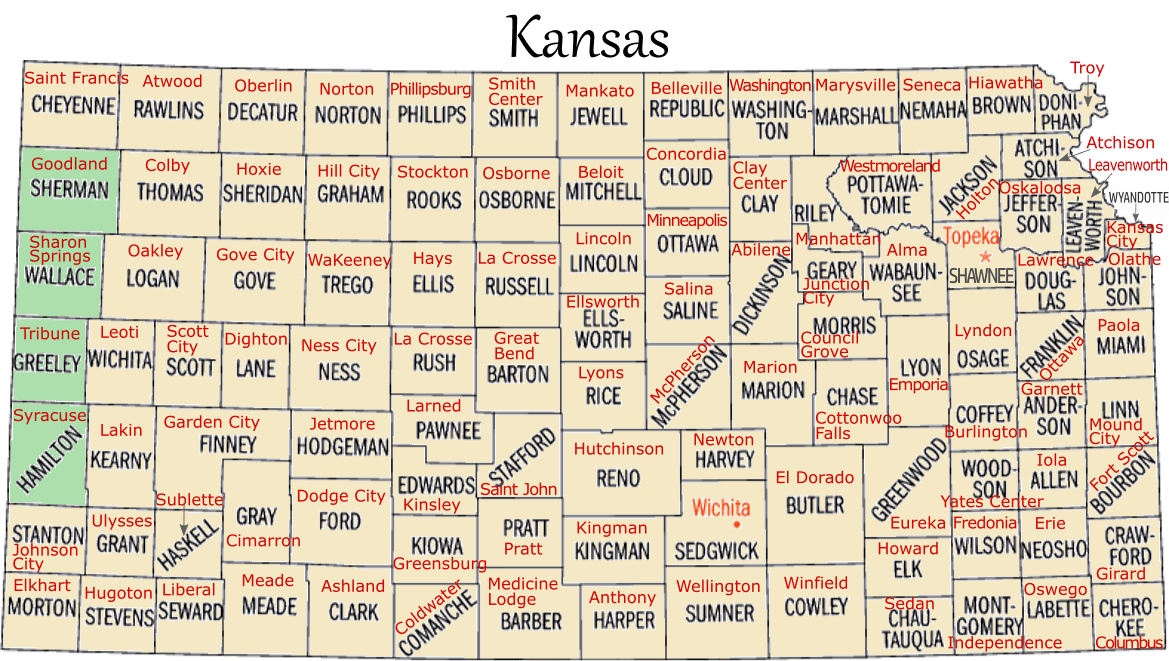
However, the story doesn’t end there. A smaller portion of western Kansas observes Mountain Standard Time (MST), which is UTC-7. During Daylight Saving Time, this becomes Mountain Daylight Time (MDT), UTC-6. This time zone primarily affects counties in the far western part of the state, bordering Colorado.
While this might seem like a small detail, for travelers venturing into these specific areas, it can be a source of confusion. Imagine driving west from Hays towards the Colorado border. As you cross into the MST zone, the clock effectively rolls back one hour. This is particularly relevant if you’re planning to visit attractions like Monument Rocks National Natural Landmark or the Sternberg Museum of Natural History in Hays which are in CST, and then planning to drive further west into the MST counties.
Navigating Time Zone Transitions
The transition between time zones in Kansas isn’t marked by dramatic geographical features but rather by county lines. The demarcation between CST and MST in Kansas generally follows the western edge of counties like Sherman, Thomas, Wallace, and Greeley. When planning a road trip that spans across these regions, it’s wise to be aware of this shift.
For example, if you are staying in Garden City (which is in CST) and decide to take a day trip to explore the landscapes near the Colorado border, you’ll need to be mindful of the time. If you leave Garden City at 10:00 AM CST and drive for two hours to a town in the MST zone, you will arrive at what the clock in the MST town shows as 11:00 AM. This can be particularly disorienting if you’re not prepared.
Implications for Travel and Accommodation
The existence of two time zones within Kansas has several practical implications for travelers, impacting everything from hotel bookings to local tours and dining reservations.
Booking Hotels and Accommodation
When booking your stay, whether it’s a charming bed and breakfast in the Flint Hills or a modern hotel in Kansas City, the time zone is rarely a primary factor in the listing. However, understanding the local time can be crucial for managing your itinerary. If you’re staying in a hotel in western Kansas that falls within the MST zone, and your onward journey or a pre-booked activity is in CST territory, you’ll need to adjust your departure times accordingly.
For instance, if you book a suite at the Eldridge Hotel in Lawrence (CST) and have an early morning meeting in a town in western Kansas that observes MST, you’ll need to factor in that one-hour difference when setting your alarm and planning your drive. Similarly, if you’re looking for long-term accommodation in areas like Wichita, you’ll be operating under CST.
Planning Attractions and Activities
Many of Kansas‘s most popular attractions and activities are located within the CST zone. This includes visiting the Museum of World Treasures in Wichita, exploring the historic Nicodemus National Historic Site, or enjoying the vast prairies of the Tallgrass Prairie National Preserve. When booking guided tours or checking opening hours for museums like the Spencer Museum of Art at the University of Kansas in Lawrence, always confirm the local time for that specific region.
If your travel plans involve venturing into the MST counties, remember that attractions there will also operate on MST. This is especially important for national and state parks, which often have specific opening and closing times for their visitor centers and facilities. While the natural beauty of places like the Monument Rocks is accessible anytime, ranger-led programs or visitor center services will adhere to local time.
Local Culture and Lifestyle
The time zone distinction, while subtle, can also influence the local rhythm of life in different parts of the state. In the more populous eastern and central regions, life tends to move at a pace dictated by CST. Businesses open, schools start, and social events are scheduled with this time in mind.
In the sparser western regions, the adoption of MST might subtly influence the daily routines. While the difference is only an hour, it can affect when people gather for meals, when businesses open their doors in the morning, and the general flow of activity. For a budget traveler, understanding these local rhythms can sometimes lead to finding better deals or experiencing less crowded attractions by visiting during off-peak hours, which are dictated by the local time zone.
Making the Most of Your Kansas Adventure
Regardless of which time zone you find yourself in, Kansas offers a wealth of experiences for every type of traveler. From the bustling urban landscapes of Kansas City and Wichita to the wide-open spaces and rich history of its rural communities, the state promises a memorable journey.
Exploring Diverse Destinations
Your exploration might begin in the vibrant city of Wichita, where you can immerse yourself in its burgeoning arts scene, explore the Old Town district, and enjoy diverse culinary experiences. From Wichita, you can venture into the rolling hills of the Flint Hills, a unique and beautiful landscape offering a glimpse into the prairie’s past.
Further east, you’ll find Kansas City, a hub of jazz music, barbecue, and vibrant culture. Here, you can explore attractions like the Negro Leagues Baseball Museum and enjoy the lively atmosphere of the Crossroads Arts District.
Heading west, you’ll encounter towns like Hays, home to the Sternberg Museum of Natural History, and then the more remote landscapes where the MST zone takes hold. These areas offer a different kind of beauty, characterized by vast skies and unique geological formations like Castle Rock Badlands.
Experiencing Kansas Cuisine and Local Flavors
No trip to Kansas is complete without indulging in its culinary delights. The state is famous for its barbecue, with numerous joints across the state serving up mouth-watering smoked meats. Beyond barbecue, you can savor classic American diner fare, explore farm-to-table restaurants, and discover local specialties.
In Wichita, you might find excellent steakhouses and international cuisine. In Kansas City, the barbecue scene is legendary, with places like Joe’s Kansas City Bar-B-Que drawing crowds from afar. Even in smaller towns, you can often find charming local eateries offering a taste of authentic Kansas life. When planning your dining experiences, remember to check the operating hours based on the local time zone.
Planning Your Itinerary Effectively
To ensure a smooth and enjoyable trip, meticulous planning is key. Once you’ve decided on your destinations within Kansas, take a moment to confirm the time zone for each location. Many travel apps and GPS devices will automatically adjust to the local time, but it’s always good to be aware.
- For CST areas (most of the state): Plan your activities with the standard time zone in mind.
- For MST areas (far western counties): Remember to adjust your watch or phone one hour back when you enter this zone.
Consider the duration of your stay and the number of destinations you plan to visit. If you’re doing a multi-day road trip that crosses the time zone boundary, try to group your activities in one zone before moving to the next to minimize confusion. For example, spend a few days exploring the MST counties before heading east to the CST regions.
Ultimately, whether Kansas is in Central Time or partly in Mountain Time is a fascinating geographical nuance that adds a layer to the travel experience. By being aware of this detail, you can navigate the state with greater confidence, ensuring that your Kansas adventure is as seamless and enjoyable as possible. From the vast prairies to the vibrant cities, the Sunflower State awaits, ready to offer unforgettable experiences.