
For many who traverse the diverse landscapes of the United States, understanding local regulations, especially concerning substances like kratom, is an essential part of responsible and stress-free travel. Whether you’re planning a vibrant city break in Austin, a historical exploration of San Antonio, a business trip to Houston or Dallas, or a serene escape to the Texas countryside, knowing the legal status of kratom can significantly impact your trip. This comprehensive guide aims to demystify kratom laws in the Lone Star State, offering crucial insights for travelers, from navigating local ordinances to understanding accommodation policies and embracing the lifestyle implications.
Kratom, derived from the leaves of the Mitragyna speciosa tree native to Southeast Asia, has gained popularity for its potential stimulant and analgesic properties. It’s often consumed as a powder, capsules, or tea. However, its legal status varies widely across different jurisdictions, creating a complex patchwork of regulations for travelers to navigate. In a state as vast and culturally rich as Texas, where every town might offer a unique experience, understanding these nuances is key to a smooth journey.
Navigating the Legal Landscape of Kratom in Texas
The question of kratom’s legality isn’t always straightforward. While federal law in the United States currently doesn’t classify kratom as a controlled substance, individual states, counties, and even cities have the authority to implement their own regulations, ranging from outright bans to age restrictions and quality control measures. For a traveler visiting Texas, understanding this multi-layered legal framework is paramount.
The Statewide Stance on Kratom
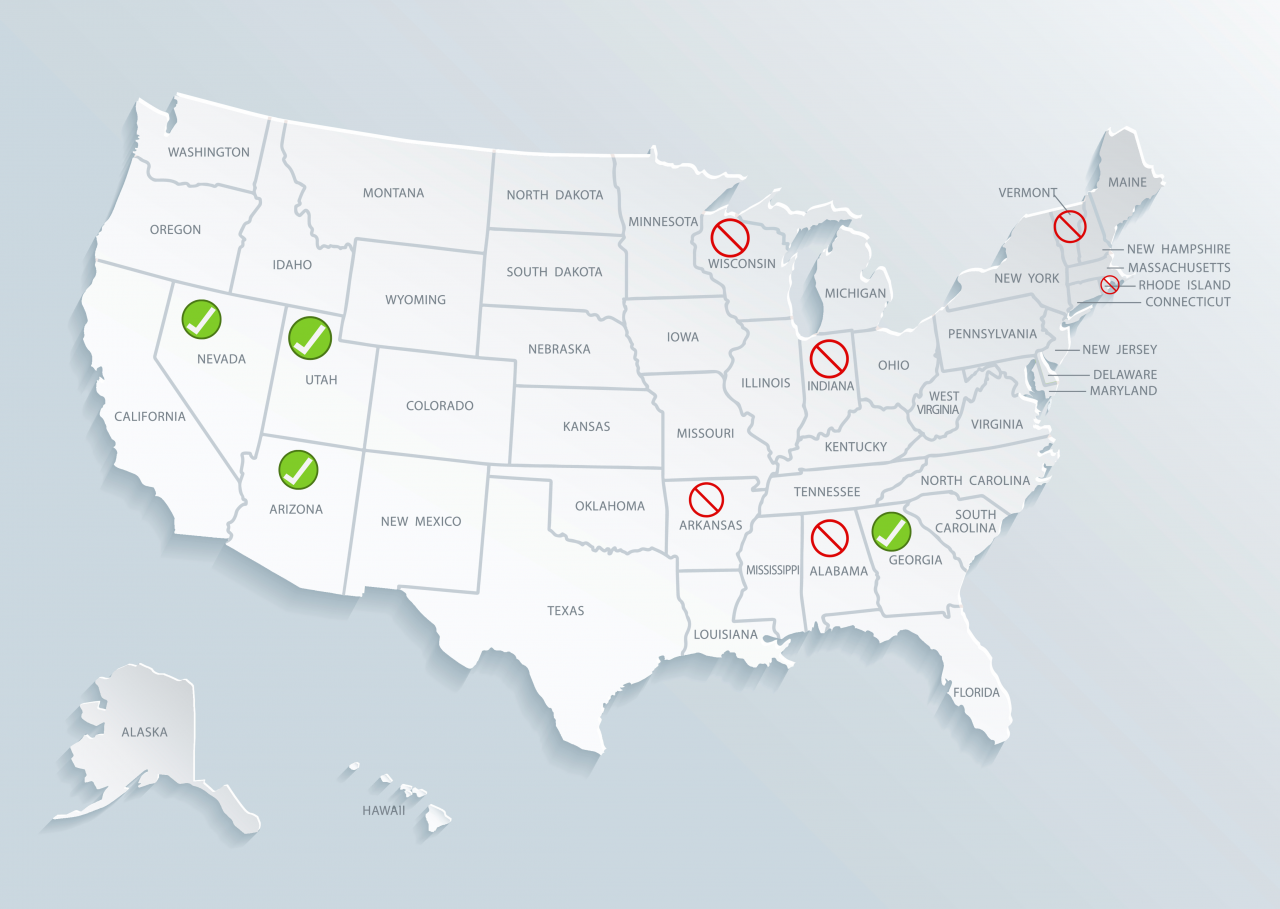
As of late 2023, kratom is generally legal throughout the state of Texas. This means that, at a state level, adults are permitted to purchase, possess, and consume kratom. This legal status is a significant win for proponents of kratom, especially when compared to states like Alabama or Indiana, where it is entirely prohibited. The absence of a statewide ban makes Texas a more accessible destination for travelers who use kratom for wellness, pain management, or simply as part of their lifestyle.
However, “generally legal” doesn’t mean “unregulated.” The journey to this current status has been marked by legislative efforts and advocacy. There have been past attempts in Texas to restrict or ban kratom, often fueled by concerns from public health officials and law enforcement regarding its safety and potential for abuse. These efforts, however, have largely been unsuccessful thanks to strong lobbying from consumer groups and the kratom industry. The proactive stance of organizations like the American Kratom Association (AKA) has been instrumental in educating lawmakers and the public about kratom, advocating for responsible regulation rather than prohibition.

The AKA, a prominent non-profit organization dedicated to preserving access to kratom, has been a key player in promoting the Kratom Consumer Protection Act (KCPA) in various states, including Texas. While Texas has yet to pass a full-fledged KCPA, legislative efforts have moved towards establishing age restrictions and quality standards rather than outright bans. This push for sensible regulation aims to protect consumers by ensuring product purity and preventing sales to minors, without infringing on adults’ access.
Local Ordinances and Their Impact
Despite the statewide legality, a critical aspect for travelers to consider is the potential for local ordinances. In Texas, as in many states, individual cities or counties have the power to enact their own laws that might differ from state law. While no major cities in Texas currently have outright bans on kratom, travelers should always be aware that local restrictions could theoretically exist or be introduced.
For instance, some localities might impose age restrictions for purchasing kratom (e.g., 21 years old), even if the state only recommends 18. Other cities might restrict where kratom can be sold or consumed, or they might crack down on businesses selling adulterated products. While unlikely to affect casual possession by a responsible adult, these local nuances can impact where you can purchase kratom or how openly it can be consumed in public spaces.
Before traveling to a specific city or county within Texas, especially less populous or more conservative areas, it’s always prudent to do a quick online search for local regulations. This proactive step can prevent any unexpected legal complications and ensure a smoother travel experience. Most reputable kratom vendors in Texas are diligent about adhering to local rules, so purchasing from established businesses is often a good indicator of compliance.
The Role of Regulatory Bodies
While the Food and Drug Administration (FDA) has expressed concerns about kratom and has issued import alerts and warnings, it has not classified kratom as a controlled substance. Similarly, the Drug Enforcement Administration (DEA) has considered scheduling kratom in the past but has not done so. This federal ambiguity places the onus on states to decide its legality. In Texas, the state’s regulatory bodies, while monitoring health and safety aspects, have largely refrained from banning it, focusing instead on potential consumer protection measures. This approach allows adult Texans and visitors to make informed choices while ensuring some level of safety oversight, particularly regarding product labeling and purity.
For the adventurous traveler who incorporates kratom into their wellness routine, Texas offers a welcoming environment, provided they stay informed about the latest state and local developments. The key is to be a responsible consumer and a respectful visitor, understanding that local communities may have varying degrees of familiarity or comfort with substances like kratom.
Kratom and Your Texas Travel Plans
Integrating your kratom use into your travel plans for Texas requires a thoughtful approach. From packing correctly to understanding where you can purchase it and navigating accommodation policies, a little preparation goes a long way in ensuring a hassle-free trip.
Packing and Possession: What Travelers Need to Know
When flying into or driving across Texas with kratom, adherence to a few best practices can prevent unnecessary scrutiny or issues. Since kratom is not a federally controlled substance, you are generally allowed to carry it on domestic flights. However, discretion and proper packaging are key.
- Original Packaging is Best: Always keep your kratom in its original, sealed packaging with clear labeling. This helps demonstrate to security personnel, if questioned, that the substance is indeed kratom and not an illicit drug.
- Avoid Suspicion: While kratom is legal, its appearance can sometimes be mistaken for other substances. Carrying it in unlabelled bags or containers could raise red flags with airport security (e.g., Transportation Security Administration – TSA) or during a routine traffic stop.
- Declare if Asked: If specifically asked about substances you are carrying, be honest and explain that it is legal kratom. Avoid any attempts to conceal it, as this can lead to further complications.
- Travel by Car: When traveling by car across state lines into Texas, the same principles apply. Ensure it’s clearly labeled and stored appropriately. Be mindful of any specific city or county ordinances if you plan to stop or stay in an area with potential restrictions.
For those considering carrying kratom, remember that while it’s legal in Texas, other states you might pass through on your journey may have different laws. Always check the legality in all states you’ll be traveling through to avoid issues.
Purchasing Kratom Across the Lone Star State
Once you’re in Texas, finding kratom is generally not difficult, especially in urban centers and larger towns. The accessibility of kratom reflects its legal status and growing popularity.
- Specialty Kratom Shops: Many cities, particularly Austin, Houston, Dallas, and San Antonio, have dedicated kratom vendors or “botanical” shops. These establishments often offer a wide variety of strains, forms (powder, capsules, extracts), and knowledgeable staff who can guide you. This is often the best option for quality and selection.
- Smoke Shops and Vape Stores: Many head shops, smoke shops, and vape stores also carry kratom products. While convenient, the selection might be more limited, and the staff might not be as specialized.
- Gas Stations and Convenience Stores: In some areas, particularly smaller towns or rural routes, you might find kratom sold in gas stations or convenience stores. While convenient, exercise caution regarding product quality and freshness when purchasing from these types of outlets. It’s generally advisable to prioritize dedicated vendors for better quality control.
- Online Purchases: If you’re staying in Texas for an extended period, you can also order kratom online from reputable vendors and have it shipped to your accommodation. This often provides the best selection and prices, but factor in shipping times.
Regardless of where you purchase, always look for products that are clearly labeled, ideally with third-party lab testing information to confirm purity and potency. This due diligence is crucial for health and safety, regardless of legality.
Accommodation Policies: Hotels, Resorts, and Short-Term Rentals
Even though kratom is legal in Texas, private property owners, including hotels, resorts, and short-term rental hosts (like those found on Airbnb or VRBO), have the right to set their own rules regarding its use on their premises.
- Hotels and Resorts: Most major hotel chains, such as Marriott or Hilton, do not have specific policies addressing kratom, as it’s not a controlled substance. However, general policies regarding “illegal substances,” “disruptive behavior,” or “smoking/vaping” could potentially apply depending on how kratom is consumed. For instance, if you’re mixing kratom powder and it creates a mess, or if you’re consuming an extract in a way that creates a strong odor, it could lead to complaints or issues with management. It’s always best to be discreet and respectful of other guests and hotel property. If in doubt, especially with boutique hotels or smaller establishments, a discreet call to the front desk to inquire about their policy on “botanical products” or “supplements” can clarify.
- Short-Term Rentals (Airbnb, VRBO): These platforms operate through individual hosts, meaning policies can vary widely. Some hosts might be perfectly fine with kratom use, while others might prefer that guests refrain. Review the house rules carefully before booking. If there’s no explicit mention, and you plan on using it, consider reaching out to the host beforehand. Being upfront and respectful can prevent awkward situations or negative reviews later.
- General Discretion: Regardless of the type of accommodation, discretion is paramount. Avoid consuming kratom in common areas, be mindful of any odors, and ensure proper disposal of any waste. The goal is to ensure your use doesn’t disturb others or damage property.
By considering these aspects of packing, purchasing, and accommodation, travelers can confidently and responsibly integrate kratom into their Texas adventures.
Exploring Texas Destinations with Kratom in Mind
Texas is a vast and varied state, offering everything from bustling metropolises to serene natural wonders. The availability and social acceptance of kratom can subtly shift as you move across its diverse regions. Understanding these variations can enhance your travel experience, allowing you to plan your itinerary more effectively.
Major Cities: Austin, Dallas, Houston, San Antonio
Texas’s major urban centers are typically more liberal and often serve as hubs for alternative wellness trends, making kratom generally more accessible and accepted.
- Austin: Known for its “Keep Austin Weird” mantra, this vibrant city is often at the forefront of progressive movements and alternative lifestyles. You’ll find numerous dedicated kratom shops, health food stores, and wellness centers that carry kratom. The atmosphere in Austin is generally open-minded, making it a comfortable place for kratom users. While exploring the Texas State Capitol or enjoying live music on Sixth Street, access to kratom is unlikely to be an issue.
- Houston: As the largest city in Texas, Houston offers a diverse population and a robust market for various goods, including kratom. You’ll find a wide selection of vendors across the city, from specialty shops to smoke shops. Whether you’re visiting Space Center Houston or exploring the Museum District, purchasing kratom shouldn’t be a challenge.
- Dallas: A major commercial and cultural hub, Dallas also has a thriving kratom market. Like Houston, you’ll find numerous outlets catering to kratom users. While Dallas tends to be a bit more conservative than Austin, its large, diverse population ensures a demand for and availability of kratom products. Exploring the Dallas Arts District or attending a sporting event, you can expect to find kratom readily available.
- San Antonio: Steeped in rich history, San Antonio is a popular tourist destination, home to landmarks like The Alamo and the famous Riverwalk. While its historical charm often takes center stage, San Antonio’s growing population and tourism industry support a good number of kratom vendors. The approach to kratom here is generally pragmatic and follows statewide legality.
In these major cities, the general sentiment towards kratom users is one of “live and let live,” as long as consumption is discreet and responsible.
Smaller Towns and Rural Areas
Venturing into smaller towns and more rural parts of Texas, the availability of kratom might decrease, and the social attitudes towards it could be more conservative.
- Reduced Availability: In less populated areas, you might find that dedicated kratom shops are scarce. Gas stations or convenience stores might be your only option, and their selection might be limited, and quality potentially inconsistent. It’s wise to stock up in larger cities if you plan an extended stay in rural Texas.
- Varying Social Acceptance: While legal, public perception can differ. In some rural communities, there might be less familiarity with kratom, and open consumption could draw more attention or even mild disapproval. Discretion becomes even more important here. Respect for local customs and a low profile are advisable.
- Connecting to Nature: Many travelers seek out Texas’s state parks, national forests, and natural landmarks for relaxation and outdoor activities. If you plan to use kratom to enhance your experience in nature, ensure you do so privately and leave no trace. Public use in these areas, even if legal, might not align with the serene environment or other visitors’ expectations.
Whether you’re exploring the historic Fort Worth Stockyards National Historic District, hiking in Big Bend National Park, or enjoying the beaches of Galveston Island, understanding the local context for kratom can help you plan your supplies and interactions effectively.
Wellness and Lifestyle: Kratom’s Place in Texas Culture
Kratom’s growing presence in Texas also reflects a broader lifestyle trend. For many travelers, especially those interested in wellness, alternative remedies, or simply seeking unique experiences, kratom can be part of their journey.
- Wellness Retreats: As the wellness industry grows, some niche retreats or spas in Texas might implicitly or explicitly accommodate kratom users, aligning it with other natural supplements for relaxation or pain management.
- Community and Culture: In urban centers, you might even find small communities or meetups centered around kratom, reflecting a subculture of users who share experiences and knowledge. Engaging with these communities can offer a deeper insight into kratom’s role in local Texas culture.
- Discreet Integration: For most, however, kratom is a personal choice integrated discreetly into their daily routine, whether it’s to relax after a long day of sightseeing, manage travel-related discomfort, or simply maintain focus during a remote work stay. Texas’s legal framework allows for this personal integration without undue fear of legal repercussions.
By understanding the landscape of kratom in various Texas destinations, travelers can make informed decisions that align with their personal needs and preferences, ensuring a harmonious and enjoyable trip.
Responsible Travel and Kratom: Tips for Visitors
Traveling with any substance that has varying legal and social perceptions requires a commitment to responsibility. For those who choose to use kratom while visiting Texas, a few key guidelines can ensure your trip remains enjoyable, safe, and free from complications.
Stay Informed: Before and During Your Trip
The legal landscape surrounding kratom can be fluid, with new legislation or local ordinances potentially emerging. What is true today might be slightly different tomorrow.
- Check Current Laws: Before your trip, perform a quick search for the most up-to-date information on kratom laws in Texas and any specific cities or counties you plan to visit. Government websites, reputable news sources, and the American Kratom Association website are good resources.
- Monitor Local News: During an extended stay, keep an eye on local news, especially if you hear discussions about new public health initiatives or substance regulations. While major changes are usually well-publicized, it’s good to stay aware.
- Know Your Source: If you plan to purchase kratom in Texas, aim for reputable vendors who can provide information about their product’s sourcing, testing, and compliance with any local regulations (e.g., age restrictions, labeling requirements). Avoid questionable sources, as adulterated or mislabeled products pose health risks.
Being proactive about information gathering is the first step in responsible kratom use while traveling.
Respect Local Regulations and Customs
Even where kratom is legal, respecting the norms and laws of the places you visit is crucial for a positive travel experience and reflects well on all travelers.
- Observe Age Restrictions: Always adhere to age restrictions for purchase, which are commonly 18 or 21, even if the state minimum is lower. Vendors often enforce stricter internal policies.
- Avoid Public Consumption: While not explicitly illegal to consume kratom in public in most of Texas, discretion is advisable. Public consumption, especially in places where it might be mistaken for an illicit substance or simply not understood, can draw unwanted attention or lead to misunderstandings.
- Mind Your Surroundings: Be aware of private property rules (as discussed regarding accommodations). Also, avoid using kratom in sensitive public spaces like schools, government buildings, or places of worship.
- Do Not Drive Under the Influence: If kratom affects your cognitive or motor skills, absolutely do not drive or operate heavy machinery. While not an intoxicating substance for all, its effects vary by individual and dosage. Public safety is paramount.
Responsible consumption is not just about avoiding legal trouble; it’s about being a courteous and respectful visitor to the Lone Star State.
Prioritizing Your Health and Safety
Beyond legal considerations, your personal health and safety should always be a top priority when using kratom, especially in an unfamiliar environment.
- Start Low, Go Slow: If you’re new to a particular strain or form of kratom, or if you’re experiencing different environmental factors (like heat or altitude), start with a lower dose than usual.
- Stay Hydrated: Especially in Texas’s often hot climate, staying adequately hydrated is essential, as some users report kratom can be dehydrating.
- Be Aware of Interactions: If you are taking any medications or other supplements, be aware of potential interactions with kratom. Consult with a healthcare professional if you have concerns.
- Listen to Your Body: Pay attention to how your body reacts. If you experience any adverse effects, discontinue use. Remember that kratom is not approved by the FDA for medical use, and its long-term effects are still being studied. Data from the National Poison Data System (NPDS) and the Centers for Disease Control and Prevention (CDC) highlight the importance of careful use and awareness of potential risks, especially when combined with other substances.
- Emergency Preparedness: Know where the nearest medical facilities are, especially if you are traveling to remote areas.
By adhering to these responsible travel tips, you can ensure that your experience with kratom in Texas is not only legal but also safe and enhances your overall journey through this remarkable state. Texas welcomes visitors with open arms and a diverse array of attractions; understanding its laws and being a considerate traveler will ensure your trip is memorable for all the right reasons.
LifeOutOfTheBox is a participant in the Amazon Services LLC Associates Program, an affiliate advertising program designed to provide a means for sites to earn advertising fees by advertising and linking to Amazon.com. Amazon, the Amazon logo, AmazonSupply, and the AmazonSupply logo are trademarks of Amazon.com, Inc. or its affiliates. As an Amazon Associate we earn affiliate commissions from qualifying purchases.