
In the dynamic world of road travel across the [United States], where each state often crafts its own specific traffic regulations, motorcyclists frequently encounter a diverse set of rules concerning their unique mode of transport. Among the most debated and varied of these rules is lane splitting—the practice of riding a motorcycle between lanes of slow-moving or stopped traffic. For those planning a journey through the vast expanses and bustling urban centers of the Lone Star State, a crucial question arises: Is lane splitting legal in [Texas]? The definitive answer is no, lane splitting is not legal in [Texas].
This clear prohibition has significant implications for both residents and visitors exploring [Texas] by motorcycle. As a state renowned for its sprawling highways, iconic landmarks, and vibrant cities like [Austin], [Houston], [Dallas], and [San Antonio], [Texas] offers an exceptional travel experience. Understanding and adhering to its specific traffic laws, particularly concerning motorcycle operation, is paramount not only for legal compliance but, more importantly, for ensuring the safety of all road users. This article will delve into what lane splitting entails, its legal standing in [Texas] versus other states, the ongoing safety debate surrounding the practice, and crucial advice for motorcyclists and travelers navigating the roads of [Texas].
Defining Lane Splitting: The Core Concept
To fully grasp the legal discussions and safety implications surrounding lane splitting, it’s essential to first understand what the practice truly means, differentiating it from other motorcycle maneuvers.
Understanding Lane Splitting vs. Filtering
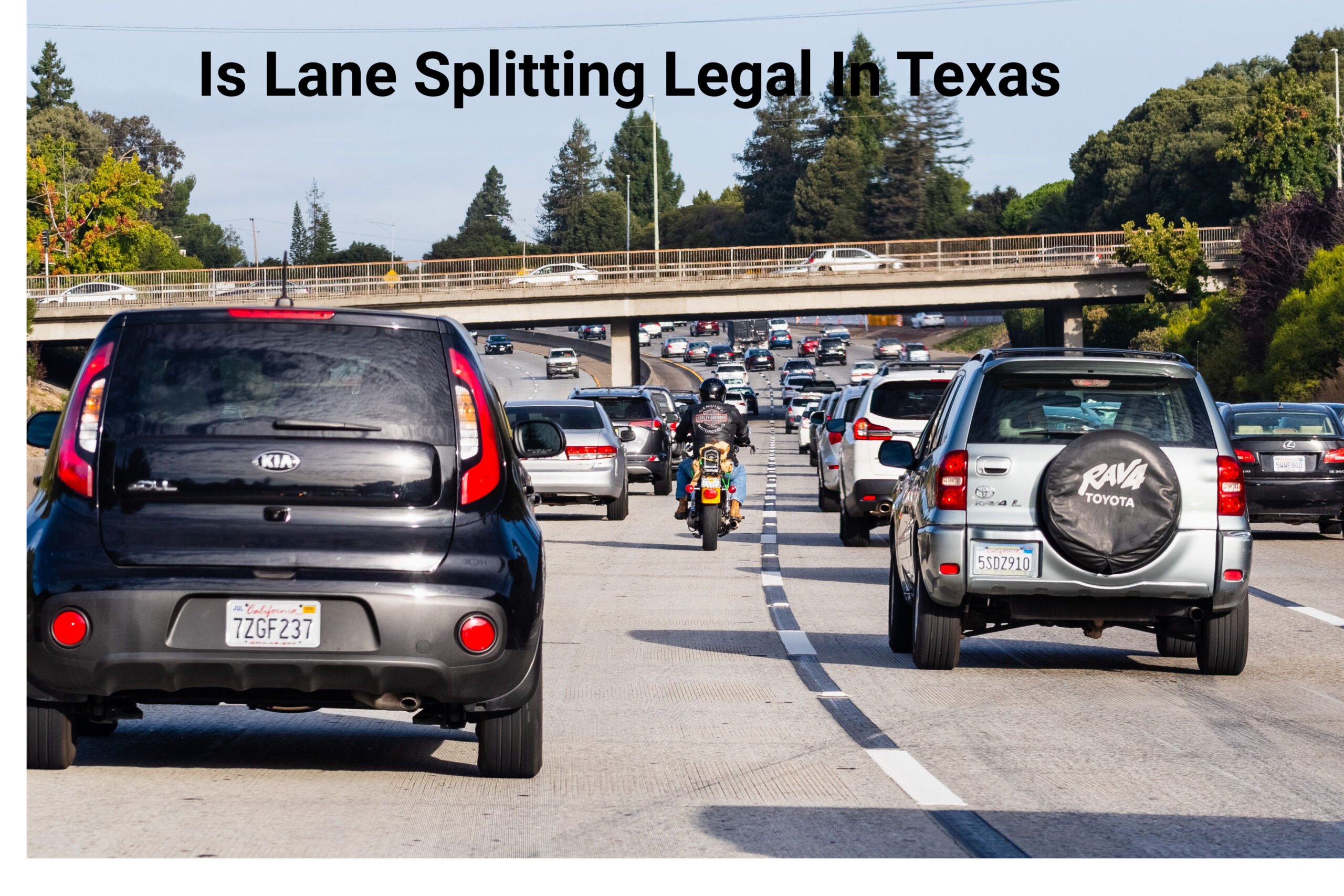
At its most fundamental, lane splitting refers to a motorcyclist riding their bike between two lanes of traffic moving in the same direction. This often occurs when traffic is congested, slow, or completely stationary. While the terms “lane splitting” and “lane filtering” are frequently used interchangeably, there is a nuanced distinction that some states recognize in their legislation:
- Lane Splitting: Typically describes a motorcycle moving between lanes of moving traffic, often at a speed greater than the surrounding vehicles. This form of the practice tends to be more controversial due to the higher speed differential and dynamic traffic conditions.
- Lane Filtering: Generally pertains to a motorcycle moving between stopped or very slow-moving vehicles, usually up to the front of a traffic light or intersection. This is often perceived as less risky due to the minimal speed differential.
In the context of [Texas] law, this distinction is largely moot, as neither full lane splitting nor lane filtering is explicitly permitted. The state’s traffic code requires motorcyclists to operate within the boundaries of a single lane, aligning with the general rules for all motor vehicles. This legal stance aims to create a predictable and orderly traffic flow, reducing unforeseen hazards.
Why Motorcyclists Engage in the Practice
Despite its illegal status in many regions, lane splitting has dedicated advocates who point to several compelling reasons why motorcyclists engage in this practice:
- Reduced Rear-End Collision Risk: One of the most significant arguments for lane splitting is the potential to enhance rider safety. When a motorcycle is stationary at the rear of congested traffic, it is highly vulnerable to being struck from behind by distracted or inattentive drivers. By filtering to the front, riders can reduce this exposure.
- Traffic Congestion Mitigation: Motorcyclists can navigate through traffic jams more efficiently, thereby reducing the overall volume of vehicles occupying road space. This can contribute to easing congestion for other drivers and shortening commute times for riders.
- Engine Cooling and Rider Comfort: In hot climates, air-cooled motorcycle engines can overheat when idling for extended periods. Lane filtering provides continuous airflow, aiding engine cooling and improving rider comfort by reducing exposure to engine heat and exhaust fumes.
- Environmental Benefits: By reducing idle time, lane splitting can potentially lead to lower fuel consumption and reduced emissions for motorcycles.
While these rationales underpin arguments for legalization in various places, [Texas] currently prioritizes other safety considerations, leading to its prohibitive stance on the practice.
The Legal Status in Texas: A Clear Prohibition
The legal framework in [Texas] leaves no room for ambiguity regarding lane splitting. For motorcyclists traversing the state’s extensive road network, understanding this clear prohibition is non-negotiable.
Specifics of Texas Law
The [Texas] Transportation Code explicitly addresses motorcycle operation within traffic lanes. It stipulates that a motorcycle operator is entitled to the full use of a lane and that no vehicle shall be driven in such a manner as to deprive any other vehicle of the full use of a lane. Crucially, it prohibits a motorcyclist from operating a motorcycle between lanes of traffic or between adjacent lines or rows of vehicles. This means that a motorcyclist in [Texas] must generally ride within the boundaries of a single lane, just like a car or truck, and cannot pass between vehicles or move to the front of a queue of stopped cars.
This law is a cornerstone of [Texas]’s approach to road safety, aiming to ensure predictable vehicle movements and prevent unexpected maneuvers that could lead to accidents. Whether you’re navigating the intricate freeway systems of [Houston] or cruising the scenic routes around [Austin], adherence to this statute is mandatory.
Penalties and Safety Implications
Violating [Texas]’s lane splitting prohibition can result in a traffic citation, fines, and potentially points on one’s driving record. However, the most significant consequence is the heightened risk of accidents. Drivers in [Texas] are not legally required, and therefore generally not accustomed, to anticipating motorcycles appearing between lanes. This lack of expectation creates a dangerous scenario where a driver might initiate a lane change or open a door without seeing an approaching motorcycle, leading to severe collisions.
For any traveler exploring [Texas], from the historic [Alamo] in [San Antonio] to the vast beauty of [Big Bend National Park], road safety is paramount. The state’s legal framework for motorcyclists is designed to minimize risk by establishing clear, consistent rules for all road users, emphasizing predictable behavior to prevent accidents on its busy interstates and rural highways.
Lane Splitting Across the United States: A Varied Landscape
While [Texas]’s stance on lane splitting is unequivocal, it exists within a larger national context where laws vary considerably. This diverse legal landscape highlights the ongoing debate and differing perspectives on motorcycle safety and traffic management.
States Where it’s Permitted
A minority of [United States] states have either explicitly legalized lane splitting or a more limited form of it, often referred to as lane filtering, under specific conditions:
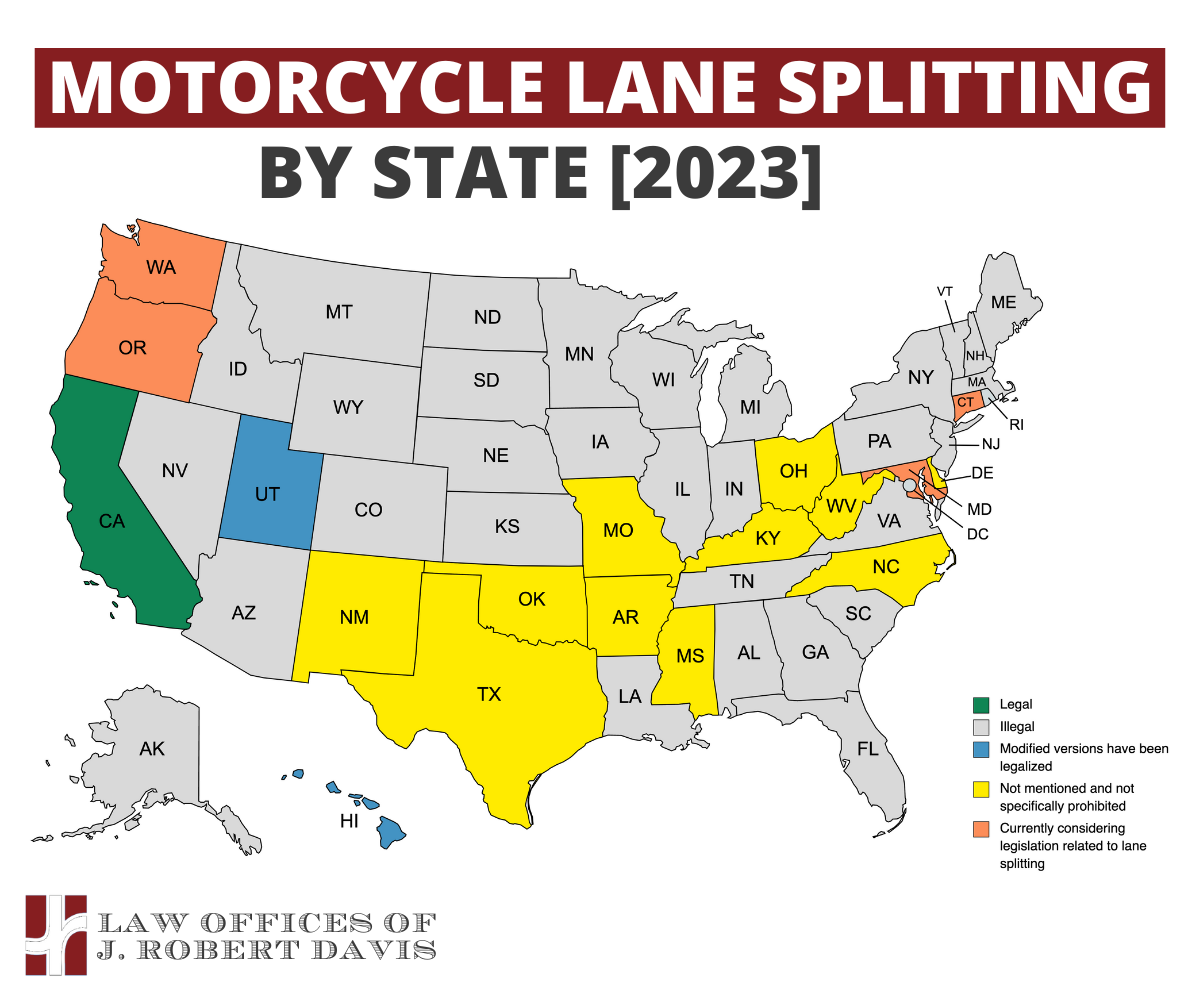
- [California]: Historically, [California] was the first state to explicitly legalize lane splitting, following research that suggested it could be done safely under controlled parameters. Here, riders can split lanes when traffic is moving at 30 mph or less, and the motorcycle’s speed doesn’t exceed 10 mph over the speed of traffic.
- [Utah]: In 2019, [Utah] legalized lane filtering, permitting motorcyclists to move between stopped or almost stopped vehicles (at 15 mph or less) when traffic is completely stationary.
- [Arizona]: [Arizona] also allows lane filtering to the front of a traffic light, but only when traffic is stopped and the motorcycle is traveling 15 mph or less.
- [Montana]: [Montana] permits lane filtering under similar conditions to [Utah] and [Arizona], specifically when traffic is stopped and the motorcycle is not exceeding 10 mph.
- [Oklahoma]: In a more recent development, [Oklahoma] legalized lane filtering in 2021, allowing it on roads with a speed limit of 50 mph or less when traffic is stopped, and the motorcycle is traveling at or below 10 mph.
These examples illustrate a cautious trend toward allowing filtering in specific, low-speed, stationary traffic scenarios, often backed by studies like those from the [University of California, Berkeley], which analyze the safety impact.
The Majority View: Prohibition and its Rationale
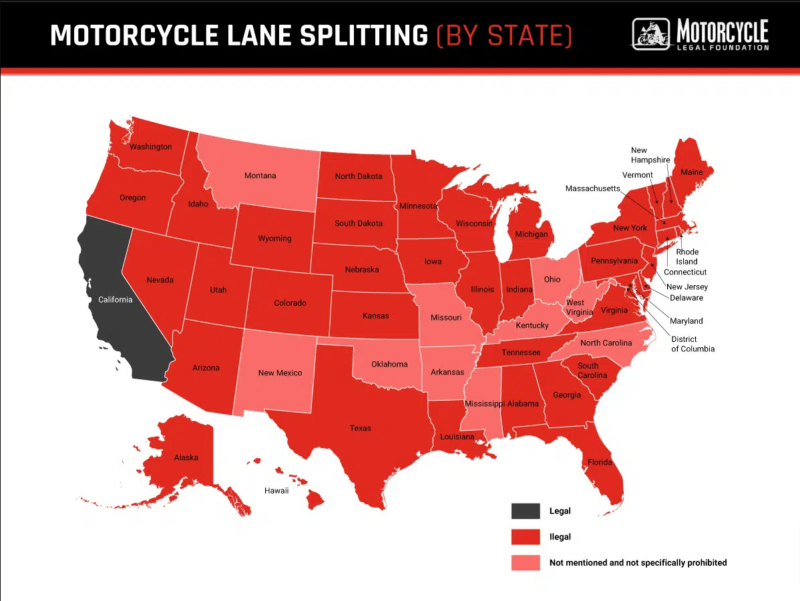
The vast majority of [United States] states, including [Texas], prohibit lane splitting. In many of these states, even without a direct anti-lane splitting law, the general traffic codes requiring vehicles to stay within a single lane effectively make it illegal. Violations are often cited under reckless driving or unsafe lane change statutes. States like [Florida], [New York], and [Washington] typically do not permit the practice.
The rationale behind this widespread prohibition often centers on:
- Driver Awareness: The primary concern is that drivers of cars and trucks are not accustomed to or expecting motorcycles to pass them between lanes, significantly increasing the risk of collisions.
- Limited Escape Routes: The confined space between lanes offers minimal room for a motorcyclist to react to sudden movements or obstacles.
- Perception of Aggression: Many general drivers perceive lane splitting as aggressive or dangerous, which can contribute to negative interactions on the road.
This national overview underscores the necessity for riders to thoroughly research and understand the specific traffic laws of each state they plan to visit or ride through, as legalities can change significantly from one border to the next.
Safety Perspectives: Pros and Cons of Lane Splitting
The debate surrounding lane splitting is fundamentally a safety discussion, balancing potential benefits against inherent risks. While [Texas] has chosen its path, understanding these arguments provides a comprehensive view of the issue.
Arguments for Enhanced Safety
Proponents of lane splitting primarily emphasize its potential to enhance rider safety in specific scenarios:
- Reduced Rear-End Collisions: As mentioned, a key argument is that lane splitting reduces a motorcyclist’s vulnerability to rear-end collisions in congested or stopped traffic. By moving through traffic, the rider avoids being caught at the end of a queue, where they are most exposed to distracted drivers.
- Increased Rider Visibility: Some argue that the active movement of a lane-splitting motorcycle can make it more noticeable to drivers who might otherwise be inattentive to stationary traffic.
- Improved Rider Well-being: By preventing prolonged idling, lane splitting can help keep engines cool and riders more comfortable and alert, especially in hot conditions, indirectly contributing to safety.
These points form the basis for calls to legalize or permit lane filtering under controlled conditions, particularly in urban areas prone to heavy traffic.
Concerns Regarding Safety and Driver Awareness
Opponents, however, raise critical safety concerns that have influenced [Texas]’s prohibitive stance:
- Lack of Driver Anticipation: This is the most significant safety concern. Drivers of larger vehicles are typically not looking for motorcycles in the narrow space between lanes. A sudden lane change, an opening car door, or an unexpected maneuver by a car can easily lead to a catastrophic collision with a lane-splitting motorcycle. In [Texas], where the practice is illegal, drivers have even less reason to anticipate such maneuvers.
- Limited Reaction Time and Escape Routes: The confined space between vehicles leaves motorcyclists with minimal room to brake, swerve, or react to unforeseen hazards, drastically increasing the margin for error.
- Speed Differential Risks: Even when done slowly, any speed difference between the motorcycle and the surrounding traffic poses a risk. Sudden stops can lead to rear-end collisions by the motorcycle itself, or sideswipes if a vehicle shifts.
- Potential for Road Rage: Some drivers may react negatively or aggressively to motorcycles passing them, creating an unsafe environment for the rider.
These concerns underscore the complexities that states like [Texas] weigh when considering traffic laws, prioritizing the creation of a predictable and unambiguous road environment for all.
Navigating Texas Roads: Advice for Motorcyclists and Travelers
For those eager to experience the boundless beauty and vibrant culture of [Texas], understanding its road rules is key to a rewarding and safe journey, especially for motorcyclists.
General Texas Road Rules for Visitors
Beyond the specifics of motorcycle laws, all visitors to [Texas] should be aware of fundamental traffic regulations:
- Speed Limits: [Texas] boasts some of the highest speed limits in the [United States], with some rural stretches reaching 85 mph. Always adhere to posted limits and adjust for conditions.
- Seatbelt and Helmet Laws: Seatbelts are mandatory for all vehicle occupants. For motorcyclists, helmets are required for riders under 21. Riders 21 and older may ride without a helmet if they have completed an approved motorcycle operator training course or have health insurance covering motorcycle-related injuries. However, maximum safety dictates wearing a helmet. The Motorcycle Safety Foundation consistently advocates for helmet use.
- Distracted Driving: A statewide ban on texting while driving is in effect. Minimize all distractions.
- “Move Over” Law: Drivers must move over a lane or slow down to 20 mph below the posted limit when approaching stopped emergency vehicles, tow trucks, or [Texas Department of Transportation] vehicles with flashing lights.
- Weather Awareness: [Texas] weather can be extreme, from intense summer heat requiring hydration to sudden heavy rains and potential winter ice in northern areas.
Enjoying Texas by Motorcycle (Without Lane Splitting)
Despite the lane splitting prohibition, [Texas] remains an exceptional destination for motorcycle enthusiasts, offering diverse landscapes from the Hill Country’s winding roads to the expansive plains near [El Paso].
- Plan Scenic Routes: [Texas] is rich with scenic byways. Consider the famous “Three Sisters” (Ranch Roads 335, 336, 337) in the Hill Country, or coastal rides near [Galveston]. Thorough route planning, considering legal adherence, is crucial.
- Gear for the Climate: Invest in appropriate riding gear for [Texas]’s varied climate, prioritizing breathability for summer and layers for cooler seasons. Hydration is vital during warm months.
- Stay Informed: Keep abreast of local traffic advisories, especially for long-distance rides to remote areas like [Big Bend National Park].
- Accommodation: [Texas] offers a wide range of accommodation options, from luxury resorts to cozy roadside motels. Many are motorcycle-friendly, offering secure parking.
- Explore Landmarks: Integrate iconic [Texas] attractions into your tour, such as the [Alamo] and River Walk in [San Antonio], the live music scene in [Austin], or the [NASA Johnson Space Center] in [Houston]. These destinations provide rich cultural and historical experiences that complement the thrill of the open road.
- Prioritize Safety: Always ride defensively, assuming other drivers may not see you. Maintain safe following distances, especially on multi-lane highways and in urban traffic like [Dallas].
By embracing responsible riding practices and adhering strictly to [Texas] traffic laws, motorcyclists can fully enjoy the freedom and adventure of exploring this magnificent state.
Conclusion
In conclusion, for motorcyclists and all road users concerned with the question, “Is lane splitting in [Texas] legal?”, the answer is a definitive no. [Texas] law explicitly prohibits motorcycles from operating between lanes of traffic or between adjacent lines or rows of vehicles. This legislative stance is primarily driven by comprehensive safety considerations, particularly the paramount concern for driver awareness and the reduction of accident risks, which are deemed to outweigh the potential benefits often cited by lane splitting proponents.
The variability of lane splitting laws across the [United States]—with a few states like [California], [Utah], [Arizona], [Montana], and [Oklahoma] permitting some form of filtering under strict conditions—highlights the ongoing national dialogue on motorcycle safety and traffic efficiency. However, for anyone navigating the vast and diverse roadways of [Texas], adhering to its specific, unambiguous prohibition is not merely a legal requirement but a fundamental aspect of safe and responsible travel.
Whether you are planning a scenic motorcycle tour through the winding roads of Central [Texas], a cultural exploration of [San Antonio], or a business trip to [Dallas], understanding and respecting all local traffic regulations is crucial. By operating within the confines of a single lane, observing speed limits, adhering to helmet laws, and practicing general road safety, all travelers contribute to a safer environment for themselves and others. This commitment ensures that your journey through [Texas] is not only exciting and memorable but also secure and free from unnecessary complications, allowing you to fully immerse yourself in the unique charm and grandeur that the Lone Star State has to offer.
LifeOutOfTheBox is a participant in the Amazon Services LLC Associates Program, an affiliate advertising program designed to provide a means for sites to earn advertising fees by advertising and linking to Amazon.com. Amazon, the Amazon logo, AmazonSupply, and the AmazonSupply logo are trademarks of Amazon.com, Inc. or its affiliates. As an Amazon Associate we earn affiliate commissions from qualifying purchases.