
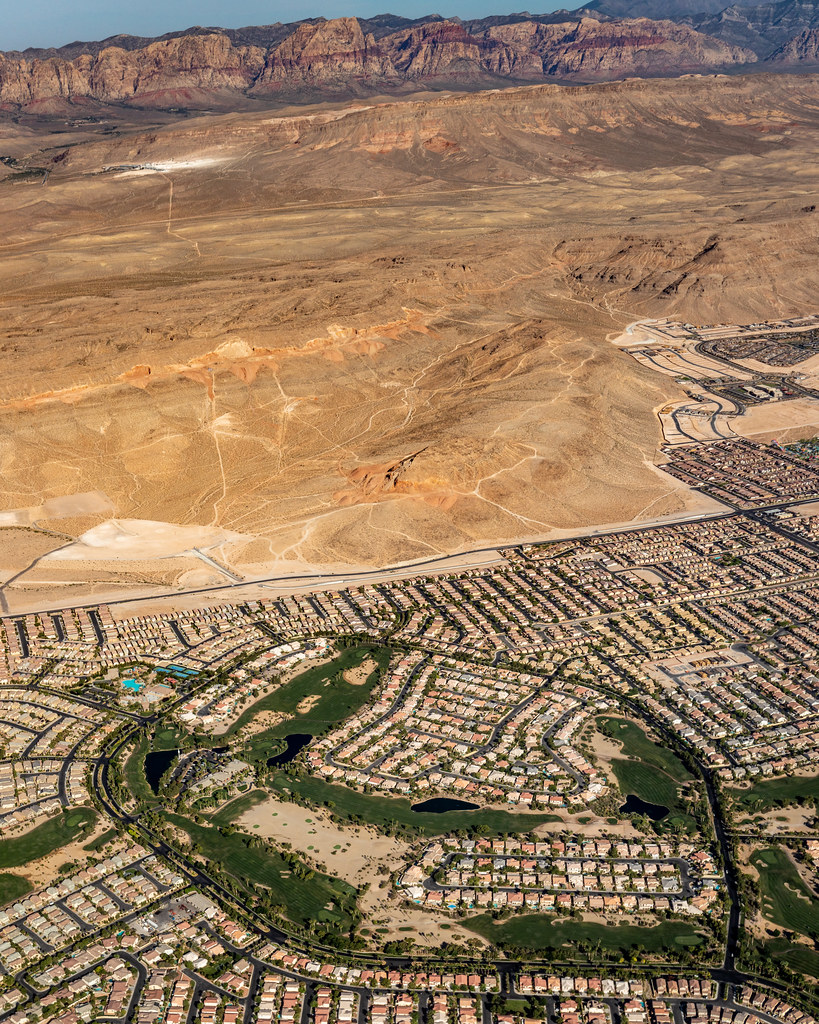
When one pictures Las Vegas, a kaleidoscope of glittering lights, towering casinos, and bustling crowds immediately springs to mind. It’s a city synonymous with entertainment, luxury, and a certain brand of over-the-top exuberance. Yet, beneath the surface of neon and indulgence lies a fundamental truth often overlooked by visitors: Las Vegas is, unequivocally, a desert city. The very environment that shapes its unique character, its architecture, and its very existence is the arid expanse of the Mojave Desert.
The question, “Is Las Vegas a desert?” might seem almost rhetorical to those familiar with Nevada’s geography. However, for many a traveler arriving from a greener, more temperate climate, the reality of this stark landscape can be a surprising, and sometimes even challenging, aspect of their visit. This inherent desert nature isn’t just a geographical fact; it’s a defining characteristic that influences everything from the city’s planning and development to its attractions and the very lifestyle it fosters.
Embracing the Arid Environment: From Necessity to Innovation
The establishment and exponential growth of Las Vegas are testaments to human ingenuity in overcoming environmental challenges. Settled in the early 20th century, the city’s location was initially chosen for its access to a vital water source – the Colorado River, harnessed by the Hoover Dam. This monumental engineering feat was crucial for enabling any significant human settlement in such an arid region. Without it, the vibrant metropolis we know today would simply not exist.
The Mojave Desert: A Unique Landscape
The Mojave Desert is not a uniform expanse of sand. It is a complex ecosystem characterized by extreme temperatures, low humidity, and sparse vegetation adapted to survive in these harsh conditions. Cacti, Joshua trees, and resilient shrubs are its signature flora. The iconic Joshua Tree National Park, while not directly adjacent to Las Vegas, shares many of these desert characteristics and offers a glimpse into the natural beauty of this biome. The dramatic mountain ranges surrounding the city, such as the Spring Mountains, are also starkly beautiful in their desert austerity, often dusted with snow at higher elevations during winter.
The intense heat, particularly during the summer months, is a defining feature of the Mojave Desert. Daytime temperatures regularly soar above 100 degrees Fahrenheit (38 degrees Celsius), and can even reach 115°F (46°C) or higher. This necessitates a constant battle against the elements, reflected in the city’s infrastructure and the behaviors of its inhabitants and visitors.
Water Management: The Lifeblood of the Oasis City
Water is the most precious commodity in a desert, and Las Vegas is a prime example of a city built on careful and often contentious water management. The city relies heavily on the Colorado River, which has been the subject of numerous interstate agreements and ongoing debates about water rights and allocations due to drought conditions affecting the entire region. The Lake Mead reservoir, fed by the Colorado River, is a critical water source, and its fluctuating levels are a constant concern.
The Las Vegas Valley Water District plays a pivotal role in ensuring a reliable water supply. They employ sophisticated conservation strategies and promote water-wise practices among residents and businesses. This commitment to water conservation is not just an environmental imperative but also an economic one, as the availability of water directly impacts the city’s ability to grow and thrive. Visitors might notice this in the landscaping choices around hotels and public spaces, which often feature drought-tolerant plants and efficient irrigation systems.
Las Vegas’s Desert-Themed Attractions and Experiences
While Las Vegas is undeniably a product of its desert environment, it has also transformed this very landscape into unique attractions. The stark beauty of the desert, once a barrier, has become an integral part of the city’s allure, offering experiences that are distinctly Californian and Nevadan.
Natural Wonders Beyond the Strip
Many visitors come to Las Vegas for the man-made spectacles, but the surrounding natural wonders offer an equally compelling, albeit very different, experience.
Red Rock Canyon National Conservation Area
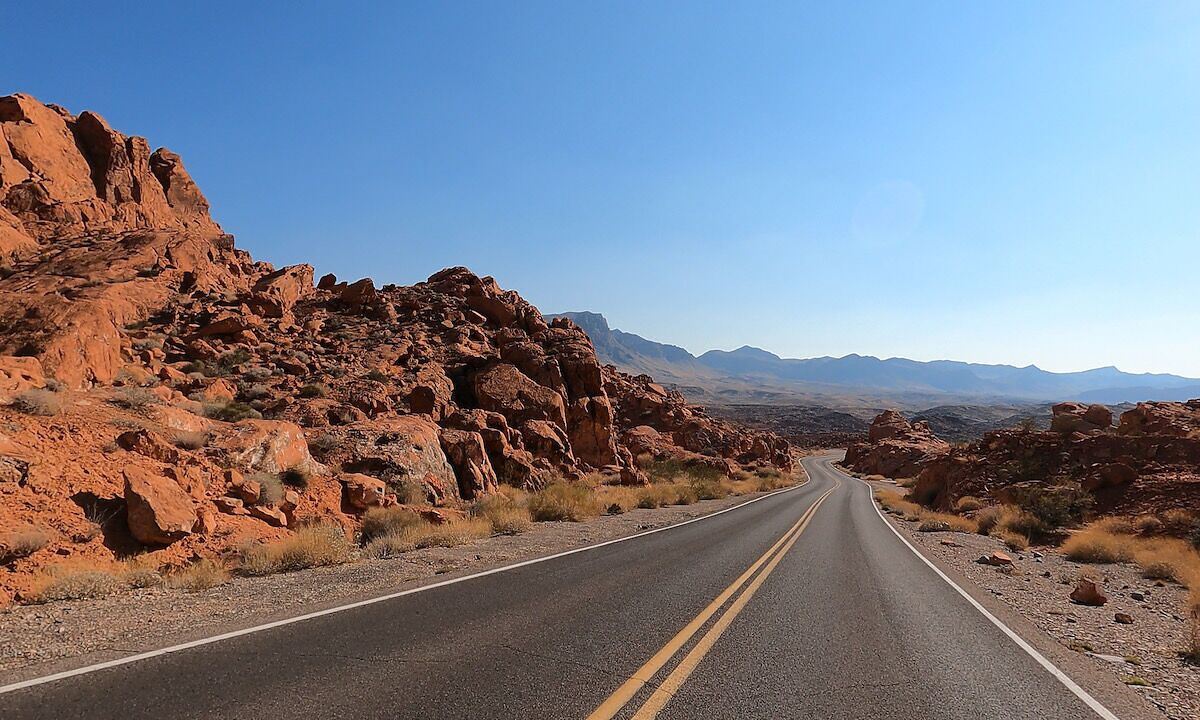
Just a short drive west of the city lies the breathtaking Red Rock Canyon National Conservation Area. This geological marvel boasts towering red rock formations, sweeping vistas, and a scenic 13-mile loop drive that showcases the desert’s rugged beauty. Hiking trails cater to various skill levels, allowing visitors to immerse themselves in the desert flora and fauna. The vibrant colors of the sandstone cliffs, particularly at sunrise and sunset, are a photographer’s dream. The visitor center provides valuable insights into the area’s geology, history, and ecology.
Valley of Fire State Park
Further afield, approximately an hour northeast of Las Vegas, lies Valley of Fire State Park. Nevada’s oldest state park is renowned for its brilliant red Aztec sandstone formations that appear to be on fire when the sun hits them. The park offers incredible photographic opportunities, with formations like the Elephant Rock and the Fire Wave drawing significant attention. Petroglyphs found within the park offer a glimpse into the lives of the ancient peoples who inhabited this land thousands of years ago.
Hoover Dam
No discussion of Las Vegas and its desert context is complete without mentioning the Hoover Dam. Located on the border between Nevada and Arizona, this iconic engineering marvel not only provides power and water to the region but also serves as a significant historical landmark and a popular tourist attraction. Tours of the dam offer a fascinating look at its construction and operation, as well as stunning views of Lake Mead and the Colorado River. The sheer scale of the dam is awe-inspiring, a testament to human ambition in a challenging environment.
Desert-Inspired Architecture and Amenities
Even within the city itself, the desert environment has influenced architectural design and the amenities offered by its world-class resorts. Many hotels and casinos incorporate drought-tolerant landscaping, featuring cacti and desert plants that thrive in the arid climate. The design of many properties often embraces the open sky and the vastness of the surrounding landscape.
The focus on indoor environments with climate control is, of course, a direct response to the extreme desert heat. From the air-conditioned walkways connecting casinos to the meticulously maintained indoor gardens and water features, every aspect is designed to provide a comfortable and luxurious experience, shielding guests from the harsh realities of the external environment. However, for those seeking to connect with the desert, options are readily available.
Lifestyle and Tourism in a Desert Oasis
Living and vacationing in Las Vegas requires an understanding and appreciation of its desert setting. This influences the local lifestyle, the types of activities available, and the overall tourism experience.
Adapting to the Climate: Tips for Visitors
For travelers visiting Las Vegas, understanding the desert climate is paramount to enjoying their stay.
- Hydration is Key: The dry desert air can lead to dehydration quickly. It is crucial to drink plenty of water, even if you don’t feel thirsty. Carry a reusable water bottle and refill it often.
- Sun Protection: The sun’s rays are intense in the desert. Always wear sunscreen with a high SPF, a wide-brimmed hat, and sunglasses.
- Dress Appropriately: Lightweight, breathable clothing is essential. Evenings can cool down considerably, so a light jacket or sweater is advisable.
- Embrace Indoor Activities: The city’s casinos, restaurants, shows, and shopping malls offer world-class entertainment and provide welcome respite from the heat.
- Plan Outdoor Excursions Wisely: If you plan to explore the natural attractions, do so in the early morning or late afternoon to avoid the peak heat of the day. Inform someone of your plans and carry sufficient water and supplies.

The Unique Appeal of a Desert Metropolis
Las Vegas stands as a unique testament to human achievement and adaptability. It is a city that has not only survived but thrived in a challenging desert environment. The juxtaposition of the man-made marvels of the Strip against the backdrop of the vast, rugged desert is a striking image that defines the Las Vegas experience.
From its meticulously managed water resources to its architecturally adapted buildings and its focus on creating an oasis of entertainment, Las Vegas is a city that has learned to master its desert surroundings. Whether you are drawn by the allure of luxury hotels like the Bellagio or the Caesars Palace, the thrill of world-class entertainment, or the desire to explore the stark beauty of the Mojave Desert, understanding its desert heart is key to appreciating the full scope of this extraordinary destination. It is this constant interplay between human ambition and the raw power of nature that makes Las Vegas a truly unforgettable place.
LifeOutOfTheBox is a participant in the Amazon Services LLC Associates Program, an affiliate advertising program designed to provide a means for sites to earn advertising fees by advertising and linking to Amazon.com. Amazon, the Amazon logo, AmazonSupply, and the AmazonSupply logo are trademarks of Amazon.com, Inc. or its affiliates. As an Amazon Associate we earn affiliate commissions from qualifying purchases.