
When the dazzling lights of the Las Vegas Strip first come to mind, most people envision a vibrant playground of casinos, world-class entertainment, and opulent resorts. It’s a city synonymous with tourism, attracting millions from across the globe seeking an unforgettable escape. But beyond the glitz and glamour that draws visitors to its famous landmarks and attractions, a more complex question arises for those considering a permanent move: Is Las Vegas a good place to live?
The answer, as with many major metropolitan areas, is nuanced. What constitutes a “good place to live” is deeply personal, hinging on individual priorities, lifestyle preferences, and economic considerations. However, by delving into the practicalities of daily life, the economic landscape, educational opportunities, and the local culture that thrives beyond the tourist façade, we can paint a comprehensive picture of what it truly means to call Las Vegas home. Our exploration will move beyond the superficial appeal, examining factors like the cost of living, job market, housing, community amenities, and the surprising natural beauty that lies just a short drive from the city limits. This deep dive aims to provide a balanced perspective, helping potential residents understand the unique benefits and challenges of integrating into this dynamic Nevada metropolis.
Unveiling the Las Vegas Lifestyle: More Than Just the Strip
To truly understand what living in Las Vegas entails, one must first look past the iconic Strip. While the entertainment tourism industry undeniably shapes the city’s identity, a vibrant, diverse community flourishes underneath its bright lights. For residents, Las Vegas offers a lifestyle that blends urban convenience with surprising access to nature, a unique cultural tapestry, and a continually evolving economy. The city has matured significantly over the past few decades, transitioning from a pure gaming destination to a diversified hub for various industries, making it an increasingly attractive option for those seeking new opportunities and a dynamic way of life.
The Economic Pulse: Jobs, Industries, and Cost of Living
The economic engine of Las Vegas has historically been driven by the hospitality and tourism sectors. For those seeking employment in these fields, opportunities abound, ranging from roles in world-renowned hotels like the Bellagio and Caesars Palace to positions within a myriad of restaurants, entertainment venues, and event management companies. The sheer scale of operations on the Strip alone provides a constant demand for skilled labor, from service staff to culinary experts, entertainers, and administrative professionals. However, the city’s economy has also made significant strides in diversification. Healthcare, technology, logistics, and professional services are rapidly expanding, creating a more stable and varied job market. Major corporations are increasingly investing in the area, drawn by favorable tax policies (no state income tax in Nevada), a strategic location, and a growing talent pool.
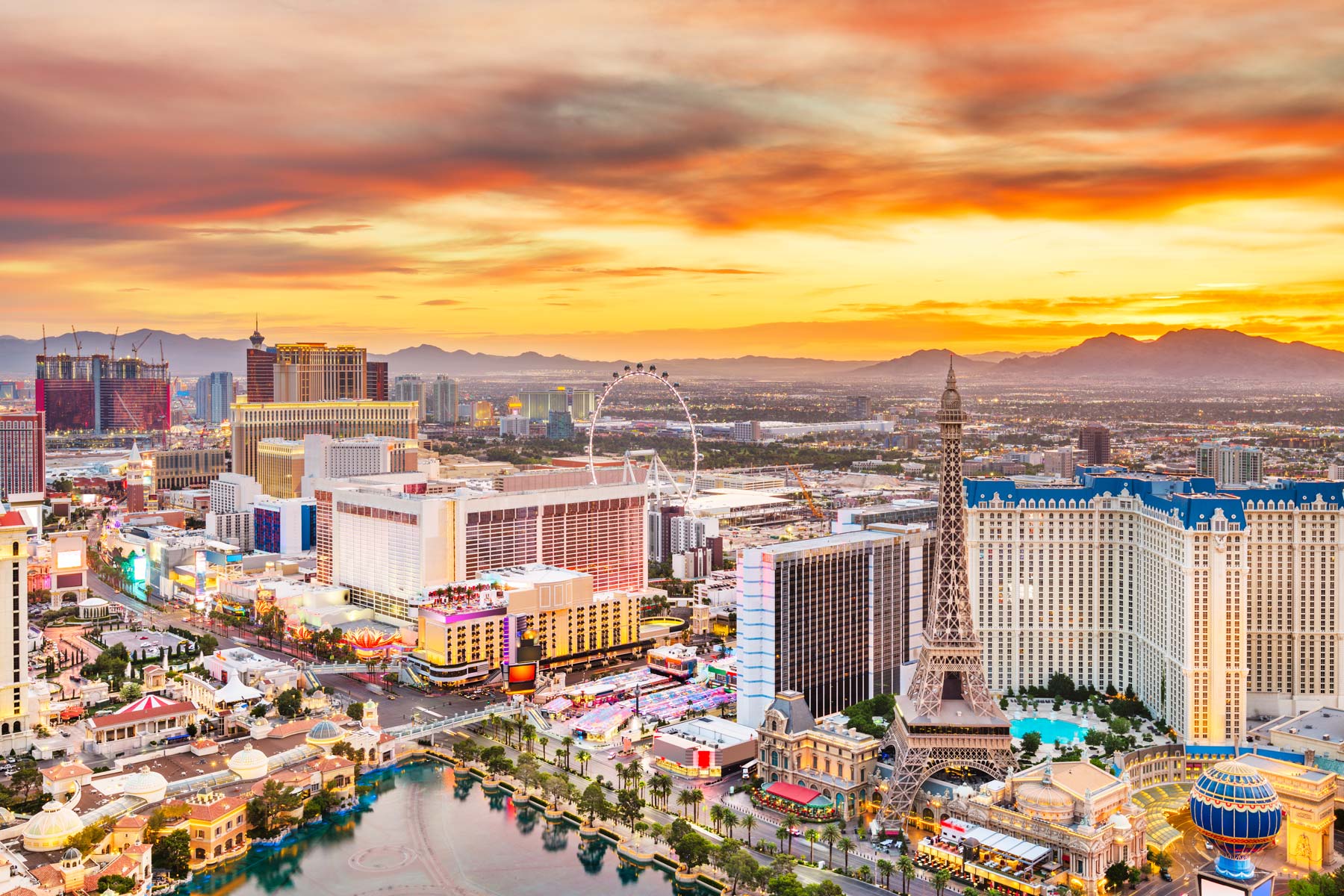
When it comes to the cost of living, Las Vegas generally sits below the national average for major metropolitan areas, especially when compared to coastal cities in California or the Northeast. Housing, while experiencing growth, remains relatively affordable, particularly in the sprawling suburban communities surrounding the central core. Utility costs can be higher due to the desert climate, necessitating air conditioning for much of the year, but this is often offset by the lack of state income tax. Groceries and everyday expenses are comparable to national averages. The robust competition among local businesses, including a thriving restaurant scene that extends far beyond tourist traps, also helps keep consumer prices in check. For those looking to maximize their income and quality of life, the economic environment in Las Vegas presents a compelling argument.
Housing Horizons: From Luxury to Suburban Comfort
The housing market in Las Vegas is diverse, catering to a wide range of budgets and preferences. Prospective residents can find everything from high-rise apartments and condos in Downtown Las Vegas or near the Strip, offering urban living with stunning views, to sprawling single-family homes in master-planned communities. The suburban areas surrounding Las Vegas are particularly popular with families and those seeking a quieter residential experience. Henderson, located southeast of Las Vegas, and Summerlin, to the west, are prime examples. These communities are renowned for their excellent infrastructure, parks, shopping centers, and a strong sense of community. Summerlin, for instance, offers a mix of luxury homes, golf courses, and vibrant commercial centers, while Henderson boasts areas like Green Valley Ranch, known for its family-friendly atmosphere and amenities.
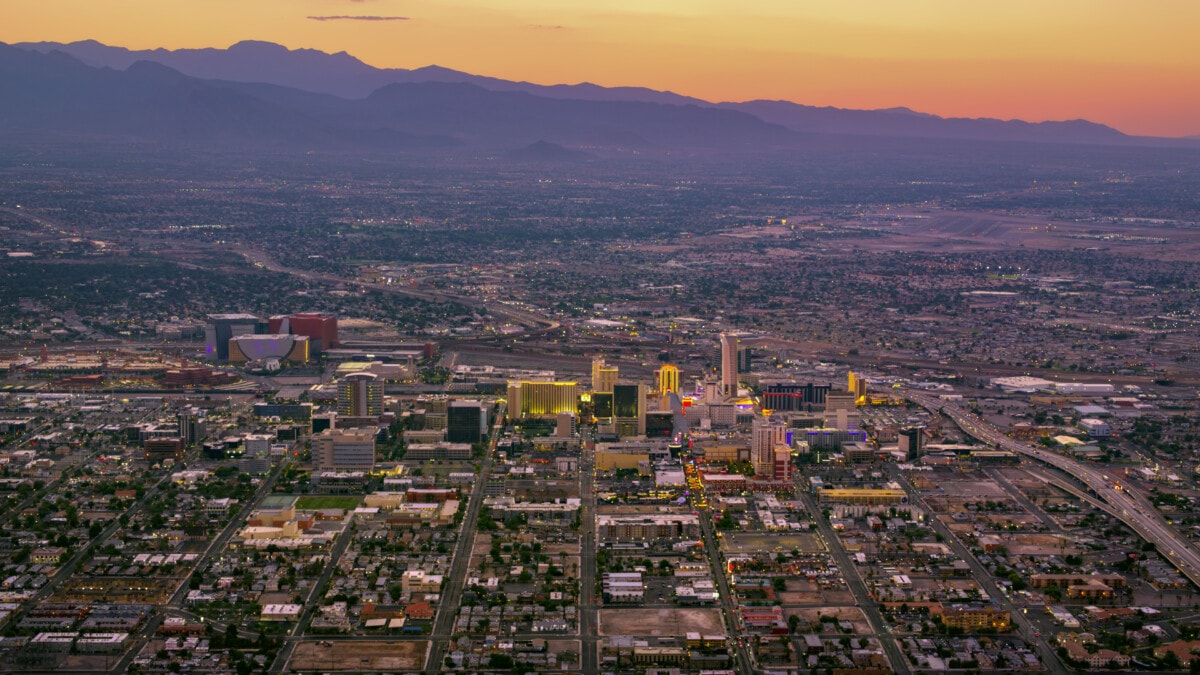
For those interested in long-term stay options, there’s a healthy rental market for both houses and apartments. Many of the city’s hotels and resorts, such as The Venetian Resort or MGM Grand, occasionally offer extended-stay options or have associated residential towers, blurring the lines between accommodation and permanent residence for those seeking a serviced lifestyle. The variety in housing types and price points means that finding a suitable home is achievable for most budgets, from starter homes to luxury villas. Furthermore, the absence of property taxes on vehicles and a relatively low property tax rate compared to other states further enhances the financial attractiveness of homeownership in Clark County.
Daily Life in the Entertainment Capital: Amenities, Education, and Community
Living in Las Vegas means having constant access to unparalleled entertainment and amenities. While tourists flock to the Strip for shows and gaming, residents enjoy a broader spectrum of activities, often at discounted local rates or through community events. The city’s infrastructure has significantly developed to support its growing population, ensuring that daily life beyond the flashing lights is both convenient and enriching.
Navigating the Urban Landscape: Transport and Infrastructure
Getting around Las Vegas is primarily done by car, as with many Southwestern cities. The road network is extensive and well-maintained, featuring wide boulevards and easy freeway access, which connects the various suburban communities to the city center and the Strip. Public transportation, while present, is more geared towards tourist routes on the Strip and Downtown Las Vegas, though efforts are continually being made to expand bus services. For those working on the Strip or in Downtown Las Vegas, ride-sharing services and dedicated shuttle buses are common. The McCarran International Airport (now Harry Reid International Airport) provides convenient air travel for both domestic and international destinations, a significant perk for frequent flyers. The ongoing development of infrastructure projects, including new road expansions and potential future mass transit options, indicates a forward-looking approach to accommodating population growth.
Family-Friendly Las Vegas: Schools and Recreation
Contrary to its adult-playground image, Las Vegas is home to a robust and growing family community. The Clark County School District is one of the largest in the nation, offering a wide array of educational options, including traditional public schools, magnet schools with specialized programs, and numerous charter and private institutions. Suburban areas like Summerlin and Henderson are particularly known for their highly-rated schools and family-centric amenities.
Beyond academics, recreational opportunities for families are abundant. The city and surrounding communities boast numerous parks, sports complexes, and community centers offering various activities. From youth sports leagues to splash pads, skate parks, and family-friendly festivals, there’s always something to keep children engaged. Many of the larger resorts also offer family-friendly attractions and activities, such as aquariums, thrill rides, and interactive exhibits. For older children and teenagers, the city hosts professional sports teams, including the Las Vegas Raiders at Allegiant Stadium and the Vegas Golden Knights at T-Mobile Arena, providing exciting sporting events to attend.
A Culinary Oasis and Cultural Hub
Las Vegas’s culinary scene extends far beyond the celebrity chef restaurants on the Strip. While these fine dining establishments are certainly a draw for special occasions, the city also boasts an incredible array of diverse, affordable, and authentic food options. Locals frequent vibrant ethnic eateries, trendy gastropubs, and cozy cafes scattered throughout neighborhoods like the Las Vegas Arts District (also known as 18b) or Spring Valley. From authentic Mexican and Asian cuisine to innovative farm-to-table concepts, the options are limitless and cater to every palate and budget.
Culturally, Las Vegas offers more than just big-name concerts and Cirque du Soleil shows. The city has a growing arts scene, with galleries and studios thriving in the Arts District. Museums like The Mob Museum and the Neon Museum offer fascinating insights into the city’s unique history and local culture. Regular community events, farmers’ markets, and cultural festivals contribute to a dynamic social calendar, fostering a sense of belonging among residents. The Fremont Street Experience in Downtown Las Vegas also offers free nightly light shows and concerts, a popular draw for both tourists and locals.
Embracing the Great Outdoors: Nature’s Playground Beyond the Neon
One of the most surprising aspects of living in Las Vegas for newcomers is the incredible accessibility to stunning natural beauty. While the city itself is in the Mojave Desert, it serves as a gateway to a wealth of outdoor activities and breathtaking landscapes, offering a stark contrast to the urban environment. This proximity to nature is a significant draw for active individuals and families, providing an essential balance to the vibrant city life.
Desert Adventures: Hiking, Biking, and Exploration
Just a short drive from the Strip, residents can escape into vast expanses of protected wilderness. The Red Rock Canyon National Conservation Area is a local favorite, offering miles of hiking and biking trails, rock climbing opportunities, and scenic drives through dramatic red rock formations. It’s an ideal spot for a quick morning hike or a full day of exploration. For those seeking higher altitudes and cooler temperatures, Mount Charleston in the Spring Mountains offers a completely different landscape. In winter, it becomes a snowy retreat for skiing and snowboarding, while in summer, its pine forests provide a cool escape for hiking and camping.
Further afield, but still within a reasonable day-trip distance, lie more iconic natural landmarks. Lake Mead, formed by the historic Hoover Dam, provides opportunities for boating, fishing, and swimming. Valley of Fire State Park, Nevada’s oldest state park, mesmerizes visitors with its vibrant Aztec sandstone outcrops that appear to be ablaze in the sun. For extended experiences, the Grand Canyon in Arizona and Death Valley National Park in California are easily accessible, making weekend getaways into some of the continent’s most spectacular natural wonders a common lifestyle choice for Las Vegas residents.
Local Escapes: Parks and Green Spaces
Within the city and its immediate suburbs, numerous parks and green spaces offer urban oases for relaxation and recreation. These parks often feature playgrounds, sports fields, walking trails, and picnic areas, serving as vital community hubs. The extensive network of trails, particularly in Summerlin and Henderson, allows residents to walk, run, or bike for miles through well-maintained paths, often connecting different neighborhoods and commercial areas. Dog parks are also prevalent, catering to pet owners. These local amenities are meticulously planned and maintained, demonstrating a commitment to enhancing the quality of life for residents beyond the tourist zones. The emphasis on developing community parks and recreational facilities showcases a concerted effort to provide diverse opportunities for exercise, social interaction, and enjoying the outdoors without having to leave the metropolitan area.
The Final Verdict: Weighing the Pros and Cons of Las Vegas Living
Ultimately, deciding whether Las Vegas is a good place to live depends on personal preferences and priorities. The city offers a unique blend of opportunities and challenges that appeal to a distinct demographic.
Pros of Living in Las Vegas:
- Economic Opportunity: A diverse and growing job market, especially in hospitality, healthcare, and technology.
- No State Income Tax: A significant financial advantage for residents.
- Affordable Cost of Living: Generally lower than many other major U.S. cities, particularly for housing.
- World-Class Entertainment and Dining: Unparalleled access to shows, concerts, restaurants, and activities, often at local discounts.
- Proximity to Nature: Immediate access to stunning desert landscapes, hiking, skiing, and water sports.
- Modern Infrastructure: Well-maintained roads, a convenient airport, and developing urban amenities.
- Vibrant Community Life: Thriving suburban areas, diverse cultural events, and a growing arts scene.
- Mild Winters: Enjoyable weather for outdoor activities for a significant portion of the year.
Cons of Living in Las Vegas:
- Summer Heat: The desert summers can be intensely hot, requiring heavy reliance on air conditioning.
- Water Scarcity Concerns: Living in a desert climate brings ongoing concerns about water resources.
- Tourist Overwhelm: While locals primarily avoid the Strip, traffic and crowds can still be a factor during major events.
- Perception: The city’s reputation as a transient party destination can sometimes overshadow its family-friendly and community-oriented aspects.
- Education System Challenges: While improving, the Clark County School District, due to its size, faces ongoing challenges common to large urban districts.
In conclusion, Las Vegas is far more than just a travel destination. It’s a dynamic, evolving city that offers a unique lifestyle to its residents. For those who appreciate a bustling urban environment with endless entertainment options, a diverse job market, a relatively low cost of living, and an abundance of outdoor adventures just a stone’s throw away, Las Vegas can indeed be a very good place to live. It requires a willingness to embrace its distinct character and look beyond its famous façade to discover the rich community, natural beauty, and economic opportunities that truly define it as a home.
LifeOutOfTheBox is a participant in the Amazon Services LLC Associates Program, an affiliate advertising program designed to provide a means for sites to earn advertising fees by advertising and linking to Amazon.com. Amazon, the Amazon logo, AmazonSupply, and the AmazonSupply logo are trademarks of Amazon.com, Inc. or its affiliates. As an Amazon Associate we earn affiliate commissions from qualifying purchases.