
For any traveler planning an unforgettable trip to the Entertainment Capital of the World, understanding the local time zone is far more than a mere detail—it’s a critical piece of the puzzle that ensures a seamless experience from arrival to departure. Las Vegas, a city synonymous with round-the-clock excitement, dazzling resorts, and endless attractions, operates on a specific time schedule that impacts everything from flight arrivals and hotel check-ins to show times and dining reservations. The simple question, “Is Las Vegas on Pacific Time?” unlocks a wealth of practical information essential for crafting the perfect itinerary.

This guide delves deep into Las Vegas’s time zone, exploring its nuances, its implications for travelers, and offering invaluable tips to help you adapt and make the most of every precious moment in this vibrant Nevada desert oasis. Whether you’re a seasoned globetrotter or planning your first venture into the dazzling lights of the Strip, a clear understanding of the local time ensures your travel experience is as smooth and stress-free as possible. From conquering jet lag to coordinating exciting excursions to nearby landmarks like the Grand Canyon, knowing the time is your first step towards an extraordinary Las Vegas adventure.
Unveiling Las Vegas’s Time Zone: A Traveler’s Essential Guide
Navigating the intricacies of time zones is a fundamental aspect of intelligent travel planning. For a global destination like Las Vegas, where visitors arrive from every corner of the globe, establishing clarity on its local time is paramount. This section aims to provide that clarity, dissecting the specifics of the Pacific Time Zone and its annual shift.
The Definitive Answer: Yes, It’s Pacific Time!
To put it unequivocally, yes, Las Vegas, Nevada operates on Pacific Time. This means that for the majority of the year, during Standard Time, the city adheres to Pacific Standard Time (PST), which is UTC-8 (Coordinated Universal Time minus eight hours). However, like many regions across the United States and other parts of the world, Las Vegas observes Daylight Saving Time. During this period, typically from early March to early November, the clocks spring forward by one hour, and the city switches to Pacific Daylight Time (PDT), which is UTC-7.
Understanding this distinction between PST and PDT is crucial, especially when scheduling transportation, making advance reservations, or communicating with people in other time zones. The consistency of Las Vegas’s adherence to the Pacific Time Zone simplifies matters considerably for those accustomed to the cyclical nature of Daylight Saving Time in North America.
Understanding Pacific Time (PT/PDT)
The Pacific Time Zone encompasses the westernmost states of the continental United States and parts of Canada and Mexico. In the United States, states such as California, Oregon, Washington, and, of course, Nevada fall within this zone. This broad geographical sweep means that when you’re in Las Vegas, you’re aligned with other major West Coast cities like Los Angeles and San Francisco.
The transition to Daylight Saving Time involves setting clocks forward one hour in the spring (“spring forward”) and back one hour in the fall (“fall back”). For travelers, this annual shift primarily impacts when the change occurs. Typically, Daylight Saving Time begins on the second Sunday in March and ends on the first Sunday in November. Planning a trip around these dates requires an extra check on the exact time. A flight scheduled to land at 3:00 PM on the day Daylight Saving Time begins would, in effect, arrive at what was previously 2:00 PM local time. While most modern devices automatically adjust, understanding the underlying mechanism prevents any potential confusion, especially when coordinating activities or cross-country calls. This rhythm of time forms the backdrop for the bustling, never-sleeping city of Las Vegas.
Why Time Zones Matter for Your Las Vegas Trip
Beyond mere curiosity, understanding Las Vegas’s time zone has profound practical implications for every aspect of your travel. From ensuring you don’t miss that eagerly anticipated Cirque du Soleil performance to coordinating a crucial business meeting, time awareness is key to a smooth and enjoyable visit. This section explores the tangible ways the Pacific Time Zone influences your Las Vegas experience.
Seamless Travel Planning and Logistics
Effective travel planning hinges on meticulous timing. When booking flights, the arrival and departure times listed are always in the local time of the respective airport. For example, a flight from New York City (on Eastern Time) departing at 9:00 AM ET and landing in Las Vegas (on Pacific Time) will have a listed arrival time that accounts for the three-hour time difference. This means a 6-hour flight would appear as a 3-hour flight on the clock from an Eastern Time perspective. Always confirm your gate times, baggage claim, and ground transportation schedules in Pacific Time.
Similarly, hotel check-in and check-out times are strictly enforced in local time. Missing your check-in window could lead to delays or even cancellation if not communicated. The same applies to show times for world-class productions at venues like the Colosseum at Caesars Palace or the Bellagio Theatre, and dining reservations at celebrity chef restaurants. Showing up an hour late due to a time zone miscalculation is an easy way to ruin an otherwise perfectly planned evening. For business travelers especially, coordinating virtual meetings or conference calls with colleagues in different time zones requires precise calculations to avoid awkward scheduling conflicts.
Navigating the 24/7 City with Precision
Las Vegas is famed for its non-stop action. Casinos operate 24/7, many restaurants offer late-night or even round-the-clock service, and nightclubs pulse until the early hours of the morning. While this perpetual motion creates an exhilarating lifestyle, it also means that your body’s internal clock might be out of sync, especially if you’re arriving from an Eastern or Central Time Zone.
Understanding the Pacific Time standard helps you strategically plan your days and nights. Want to catch an early breakfast buffet before the crowds? Knowing the local time helps you set that alarm correctly. Aiming to hit the slots after a late dinner? You’ll know exactly how many hours of play you have before winding down. The 24/7 nature of Las Vegas means there’s always something to do, but being attuned to the actual local time allows you to optimize your energy levels and ensure you don’t miss out on specific timed events, whether it’s a poker tournament start time or a fountain show at the Bellagio.
Bridging the Time Gap: A Look at Other US Time Zones
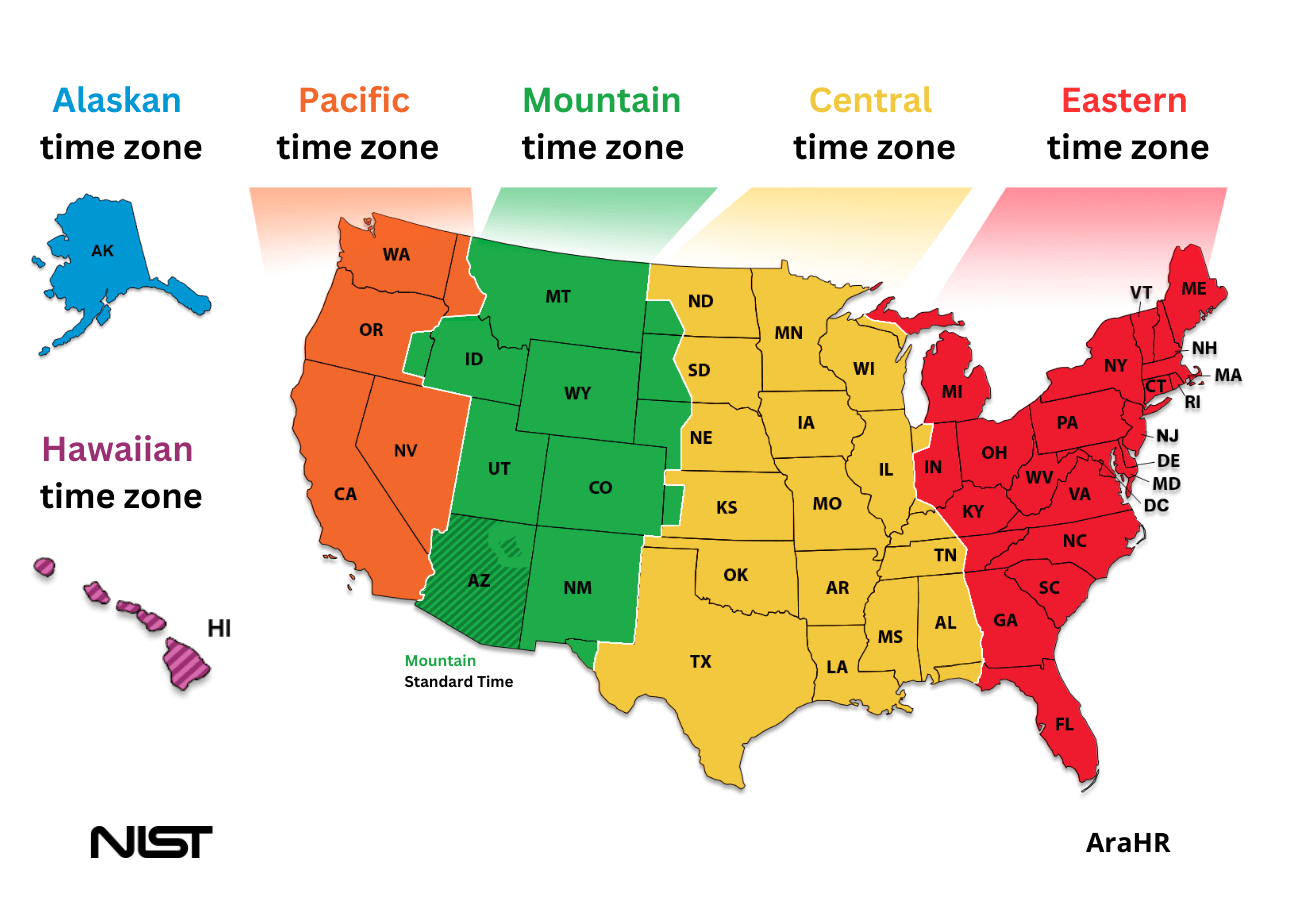
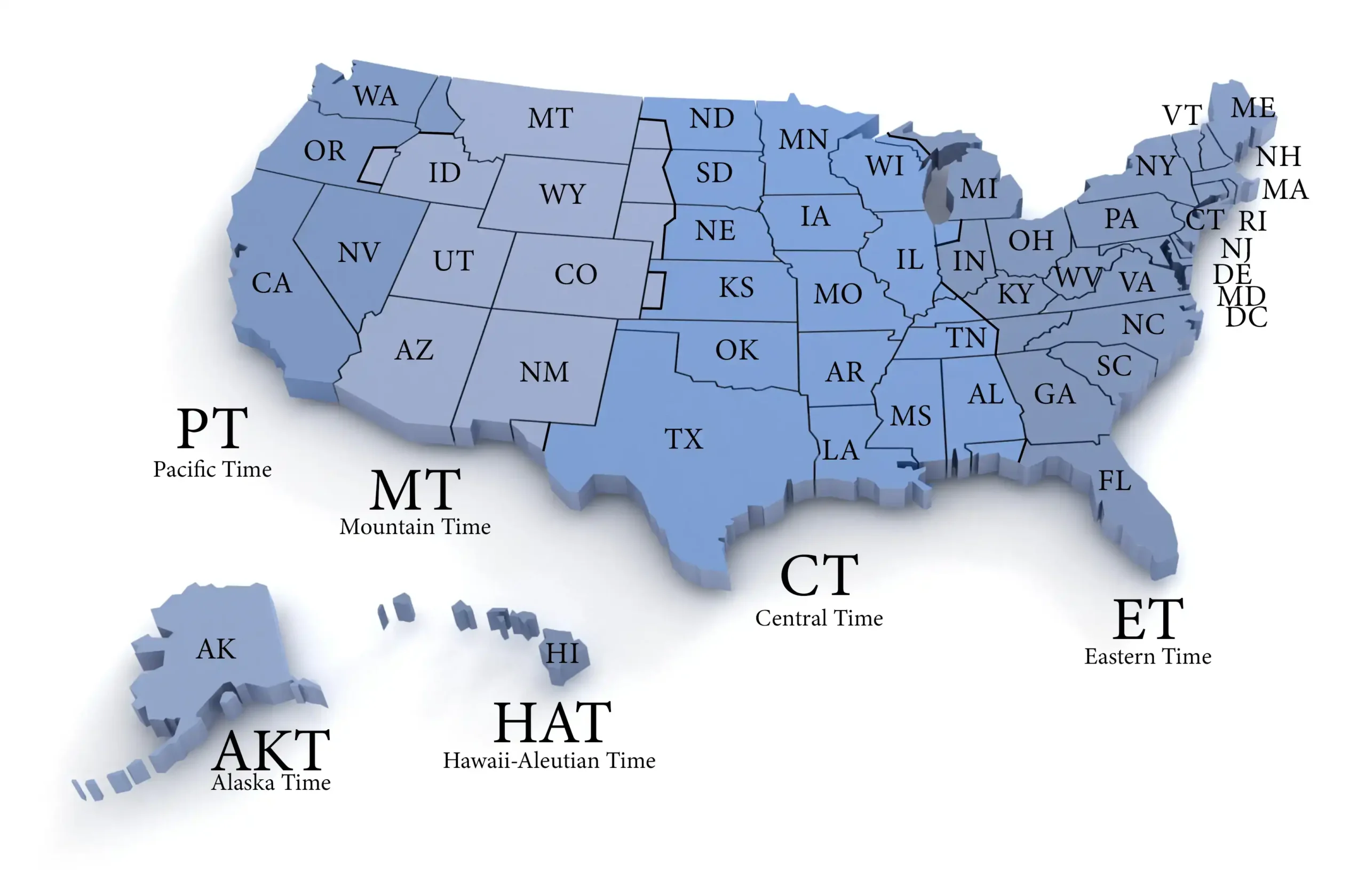
The continental United States spans four primary time zones: Eastern Time (ET), Central Time (CT), Mountain Time (MT), and Pacific Time (PT). Las Vegas is three hours behind Eastern Time (e.g., when it’s 6:00 PM in New York City, it’s 3:00 PM in Las Vegas), two hours behind Central Time (e.g., Chicago), and one hour behind Mountain Time (e.g., Denver).
This difference is important for several reasons. Firstly, for communication: family and friends back home will be in different time zones, so be mindful when making calls. Secondly, for business travel: coordinating schedules with a corporate office on the East Coast requires careful adjustment. Thirdly, and perhaps most importantly for tourism and experiences, this time gap contributes significantly to jet lag, a common hurdle for travelers arriving from further east. A flight from Miami or Boston might take five to six hours, but your body experiences a shift equivalent to that many hours, making your arrival feel much later or earlier than it actually is, according to your internal clock. Recognizing this difference is the first step in combating its effects and enjoying your Las Vegas stay to the fullest.
Conquering Jet Lag and Maximizing Your Experience
The allure of Las Vegas often means visitors are eager to hit the ground running, but the shift to Pacific Time can present a challenge in the form of jet lag. However, with a few strategic approaches, you can minimize its impact and ensure you’re refreshed and ready to experience everything the city has to offer. This section provides actionable advice for adjusting your internal clock and making the most of nearby excursions.
Strategies for Adjusting to Pacific Time
Adapting to a new time zone is a personal journey, but several proven strategies can help you transition smoothly to Pacific Time:
- Pre-Trip Adjustment: If possible, begin shifting your sleep schedule a few days before your trip. For those traveling east to west, try to go to bed and wake up an hour or two later each day leading up to your departure. This gentle shift can ease your body into the new rhythm.
- Hydration is Key: Air travel can be dehydrating, exacerbating jet lag symptoms. Drink plenty of water before, during, and after your flight. Avoid excessive alcohol and caffeine, which can disrupt sleep patterns and worsen dehydration.
- Embrace Natural Light: Upon arrival in Las Vegas, expose yourself to as much natural daylight as possible. Sunlight helps reset your circadian rhythm, signaling to your body that it’s daytime. Spend time by the pool, explore the Strip on foot, or dine outdoors.
- Strategic Sleep: Resist the urge to nap excessively during the day, especially if you arrive in the morning or early afternoon. While a short power nap (20-30 minutes) might be beneficial, longer naps can make it harder to fall asleep at the appropriate local bedtime. Try to stay awake until the local evening.
- Maintain Your Routine (as much as possible): Stick to your usual meal times and activity schedule according to Pacific Time. If you typically work out in the morning, try to do so at the Las Vegas morning. This consistency helps reinforce the new time schedule.
- Utilize Hotel Amenities: Many Las Vegas hotels offer blackout curtains, comfortable bedding, and quiet environments conducive to sleep. Take advantage of these to ensure restful nights. Resorts like Bellagio or The Venetian are designed with guest comfort in mind, providing an ideal setting for recovery.
By proactively managing your internal clock, you’ll be better equipped to immerse yourself in the vibrant energy of Las Vegas without feeling drained or disoriented.
Time Zone Implications for Day Trips and Excursions
While Las Vegas firmly sits in the Pacific Time Zone, planning day trips to nearby attractions requires an awareness of potential time zone shifts, particularly concerning Arizona. Arizona is unique because, with the exception of the Navajo Nation, it does not observe Daylight Saving Time. This means that for a significant portion of the year, Arizona operates on Mountain Standard Time (MST), which aligns with Pacific Daylight Time (PDT).
Consider a popular excursion to the Grand Canyon West Rim, which is a shorter drive from Las Vegas and primarily within Arizona (though parts are on Navajo Nation land, which does observe DST). For the Grand Canyon National Park (South Rim and North Rim), which is also in Arizona, the time difference during Daylight Saving Time can be confusing.
- During PST (winter months): Arizona (MST) is one hour ahead of Las Vegas (PST). If it’s 9 AM in Las Vegas, it’s 10 AM at the Grand Canyon.
- During PDT (summer months): Arizona (MST) does not change, while Las Vegas moves to PDT. This means Las Vegas (PDT) and Arizona (MST) are on the same time. If it’s 9 AM in Las Vegas, it’s also 9 AM at the Grand Canyon.
This subtle shift is critically important for booking timed tours, helicopter rides, or even just calculating your return journey. Always double-check the local time for your specific day trip destination, especially if it’s across a state line. Other popular excursions like Hoover Dam and Lake Mead remain within Nevada and therefore operate consistently on Pacific Time. Destinations like Red Rock Canyon and Valley of Fire State Park also stay on Pacific Time. Being mindful of these potential discrepancies ensures your itinerary remains on schedule and free of unexpected timing hiccups.
The Timeless Allure of Las Vegas: A Lifestyle Perspective
Las Vegas isn’t just a destination; it’s a lifestyle, a vibrant tapestry woven from luxury, entertainment, and endless possibilities. The constant pulse of the city, largely unconstrained by traditional notions of time, defines much of its unique appeal. Understanding how time shapes this experience, and how travelers can best engage with it, is central to fully appreciating the city.
How Time Shapes the Las Vegas Lifestyle
The fact that Las Vegas operates on Pacific Time influences the very fabric of its existence. The city’s legendary 24/7 nature means that the concept of “peak hours” can be fluid.
- Luxury Travel: For those indulging in luxury travel, the ability to book a late-night spa treatment at The Venetian or a gourmet meal at 1 AM at Wynn Las Vegas is part of the experience. Time becomes a flexible resource, allowing for spontaneous decisions and bespoke schedules that cater to every whim.
- Budget Travel: Even for budget travelers, understanding the time dynamics is crucial. Opting for earlier show times or off-peak dining hours can sometimes yield better deals. Exploring Downtown Las Vegas and the Fremont Street Experience often offers a different rhythm than the Strip, with its own distinct energy at various times of day and night.
- Family Trips: For family trips, managing children’s sleep schedules around the Pacific Time Zone is vital. Early mornings might be dedicated to pool time or indoor attractions, while evenings can still include family-friendly shows or special dinners without pushing bedtimes too late.
- Business Stays: For those on business stays, the city’s schedule can be leveraged for productivity and networking. Early morning meetings can be followed by an afternoon convention, leaving evenings open for client entertainment or exploring the city’s vibrant culinary scene. The constant flow of activity supports a dynamic work-play balance.
The city’s relationship with time underscores its commitment to providing an experience that transcends the ordinary. It’s a place where the sun never truly sets on the fun, and knowing the clock helps you orchestrate your personal adventure.
Making Every Moment Count in the Entertainment Capital
In a city designed for maximum indulgence and enjoyment, every moment is a potential memory. By understanding that Las Vegas operates on Pacific Time, visitors can optimize their schedules, plan effectively, and avoid any time-related mishaps that could detract from their experience. From landing at Harry Reid International Airport to checking out of your chosen accommodation, a clear grasp of the local time ensures a smoother journey.
Whether you’re timing your visit to coincide with a major event, planning a romantic dinner at Eiffel Tower Restaurant, or simply hoping to catch the perfect sunrise over the Nevada desert, time is your ally. The precision of knowing Las Vegas’s time zone allows you to fully immerse yourself in the dazzling array of activities and experiences that make this city an unparalleled travel destination. It’s about empowering you to control your schedule, adapt to your new surroundings, and ultimately, make every second in this extraordinary city count.
In conclusion, the answer is a resounding yes: Las Vegas is on Pacific Time, observing Pacific Standard Time (PST) and Pacific Daylight Time (PDT) with Daylight Saving Time shifts. This fundamental piece of information is the cornerstone of effective travel planning and a passport to a stress-free, deeply enjoyable Las Vegas adventure. Armed with this knowledge and the tips provided, you’re now ready to synchronize your watch and dive headfirst into the endless excitement of the Entertainment Capital of the World.