
Planning a trip to the vibrant city of Las Vegas involves a myriad of exciting decisions, from choosing the perfect resort and booking dazzling shows to mapping out iconic attractions and culinary experiences. Amidst all this, one practical detail often sparks a moment of confusion for travelers: “What time zone is Las Vegas in?” Understanding the answer to this seemingly simple question is crucial for seamless travel, efficient scheduling, and fully immersing yourself in the Entertainment Capital of the World.
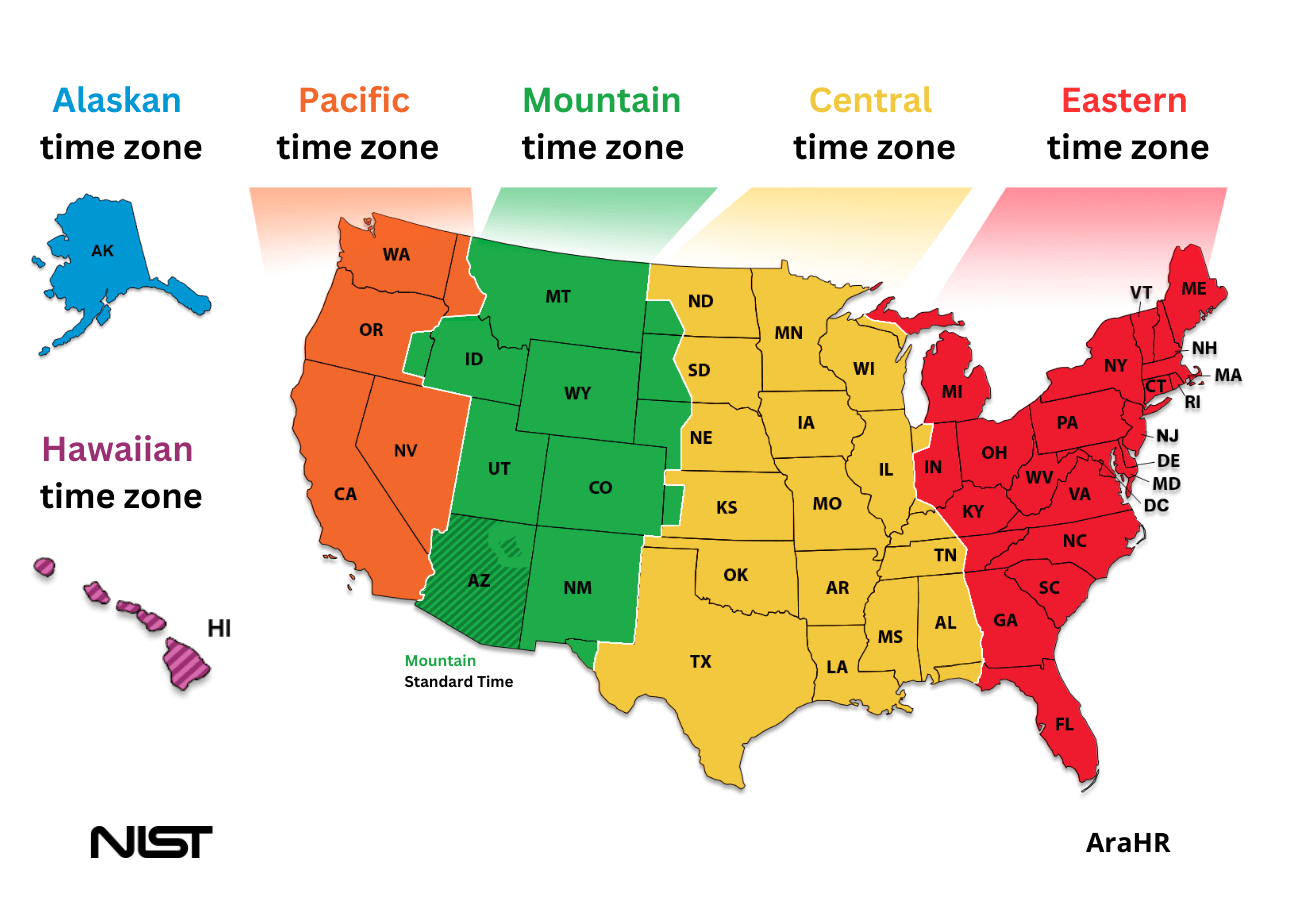
The definitive answer is yes, Las Vegas, Nevada operates on the Pacific Time Zone (PT). This means that for a significant part of the year, during standard time, it observes Pacific Standard Time (PST), which is UTC-8 (eight hours behind Coordinated Universal Time). When Daylight Saving Time (DST) is in effect, typically from early March to early November, Las Vegas switches to Pacific Daylight Time (PDT), which is UTC-7. This fundamental piece of information can profoundly influence your travel itinerary, from flight arrivals to showtimes and even how you combat potential jet lag. Let’s delve deeper into what this means for your next Las Vegas adventure.

Understanding the Pacific Time Zone and Las Vegas’s Place Within It
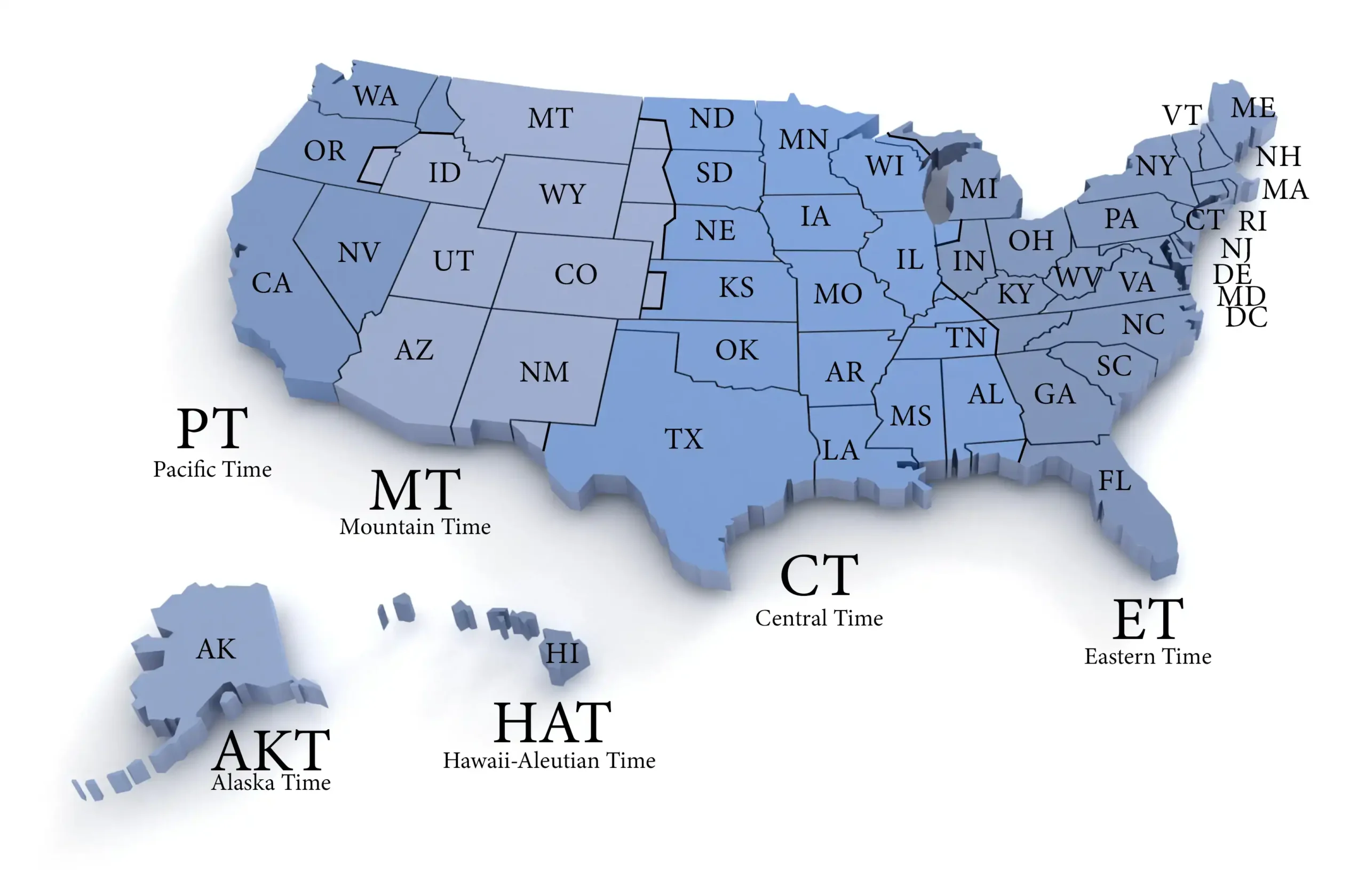
The Pacific Time Zone is one of the nine official time zones in the United States and its territories, alongside Eastern, Central, Mountain, Alaska, Hawaii-Aleutian, Samoa, Wake Island, and Chamorro Time Zones. It encompasses states along the western coast of the continental United States and parts of Canada and Mexico.
Geographical Context: Nevada and Its Neighbors
Nevada predominantly falls within the Pacific Time Zone. This places Las Vegas in sync with major West Coast cities such as Los Angeles, San Francisco in California, Seattle in Washington, and Portland in Oregon. A small portion of Nevada near the border with Idaho observes Mountain Time, but this does not affect Las Vegas. Understanding this alignment is particularly useful for travelers coming from other US time zones or planning multi-destination trips that might involve crossing time zone borders, such as a day trip to the Grand Canyon which spans both Pacific and Mountain Time Zones depending on the rim.
The Dynamics of Daylight Saving Time
Like most of the United States, Nevada observes Daylight Saving Time. This means that on the second Sunday in March, clocks “spring forward” one hour, shifting from PST to PDT. On the first Sunday in November, clocks “fall back” one hour, returning to PST. This adjustment is critical for travelers to remember. For instance, if you’re arriving from a state that doesn’t observe DST, like Arizona (which remains on Mountain Standard Time year-round), the time difference relative to Las Vegas will change with the seasons. During DST, Arizona and Las Vegas are on the same clock, making travel and communication between them seamless. However, during standard time, Arizona will be one hour ahead of Las Vegas. This small detail can significantly impact scheduled activities, transfers, or even simply coordinating with friends and family in different regions.
Navigating Time Zones for a Seamless Las Vegas Experience
Understanding Las Vegas’s time zone isn’t just a trivial fact; it’s a cornerstone of effective travel planning. From managing flight schedules to making the most of your vacation, a grasp of PT is invaluable.
Battling Jet Lag: Tips for Travelers
For visitors traveling from Eastern, Central, or even Mountain Time Zones, jet lag can be a real concern. Las Vegas’s three-hour difference from the East Coast means that an 8 PM show on The Strip will feel like 11 PM to someone from New York.
To minimize the effects of jet lag and maximize your energy for exploring the city’s myriad attractions:
- Adjust Before You Go: A few days before your trip, try to gradually shift your sleep schedule closer to Pacific Time.
- Hydrate and Rest: Drink plenty of water and get sufficient sleep on your flight.
- Embrace the Light: Upon arrival, expose yourself to natural light during Las Vegas daylight hours, especially in the morning, to help reset your internal clock.
- Stay Active: Light physical activity can help combat fatigue.
- Limit Caffeine and Alcohol: While tempting in a city like Las Vegas, excessive consumption can disrupt your sleep cycle further.
By proactively addressing jet lag, you ensure you’re refreshed and ready to experience everything from the Bellagio Fountains to the Fremont Street Experience.
Planning Your Itinerary: Shows, Dining, and Attractions
Every aspect of a Las Vegas trip is time-sensitive. Booking dinner reservations, securing tickets for a Cirque du Soleil show, or planning an excursion to the Hoover Dam all hinge on accurate time zone calculations.
- Showtimes and Events: All advertised showtimes, concert schedules, and sporting events in Las Vegas will be in Pacific Time. Double-check your bookings, especially if you’re booking well in advance and crossing a Daylight Saving Time transition.
- Dining Reservations: Las Vegas boasts world-class dining, and popular restaurants often require reservations months in advance. Ensure your booking times align with your actual arrival and internal clock adjustments. A 7 PM dinner reservation will feel like 10 PM to an East Coast traveler, so plan accordingly to fully enjoy your meal.
- Attraction Hours: Whether it’s the High Roller Observation Wheel, the Neon Museum, or the many shops and galleries, all operating hours are in PT. Factor in travel time between venues, keeping the Pacific Time clock ticking.
- Flight and Accommodation Check-in/Check-out: Your flight arrival and departure times at Harry Reid International Airport (formerly McCarran International Airport) will be listed in Pacific Time. Similarly, hotel check-in (typically 3 PM or 4 PM) and check-out (usually 11 AM) times at resorts like the Bellagio, Caesars Palace, or The Venetian are strictly observed in PT.
The Impact of Time on Las Vegas’s Vibrant Life
Las Vegas operates on its own unique rhythm, but its adherence to the Pacific Time Zone is a constant. This influences everything from the timing of the first blackjack hand to the last call at a rooftop bar.
Resort Operations and Check-in/Check-out Times
For hotels and accommodation providers, the time zone dictates a rigid schedule. Luxury hotels and budget-friendly options alike adhere to standard check-in and check-out policies based on Pacific Time. Early arrivals or late departures might incur additional fees, emphasizing the need to align your travel plans with the local clock. Many hotels, such as the MGM Grand or Wynn Las Vegas, are adept at accommodating guests from different time zones, offering amenities that cater to various schedules. However, your official room access and departure times are fixed.
Nightlife and Entertainment Schedules
Las Vegas is renowned for its 24/7 entertainment, but even in a city that never sleeps, events are scheduled according to PT. Nightclubs typically open around 10 PM and close in the early morning hours, while many casinos operate around the clock. Understanding the local time frame helps you plan your evenings effectively, ensuring you don’t miss out on a DJ set at OMNIA Nightclub or a late-night show. The city’s famous pool parties kick off in the afternoon, making Pacific Daylight Time in summer months feel especially long and vibrant.
Business and Convention Culture
Beyond tourism, Las Vegas is a major hub for conventions, trade shows, and business meetings. Event organizers meticulously plan schedules according to Pacific Time, often taking into account attendees flying in from various time zones. Early morning keynotes or late-afternoon networking events can feel significantly different depending on your origin. Business travelers often utilize early morning flights to maximize their arrival day, quickly acclimating to PT for critical meetings and presentations at venues like the Las Vegas Convention Center.
Beyond the Clock: Maximizing Your Las Vegas Adventure
While the Pacific Time Zone sets the official rhythm for Las Vegas, the city’s unique ambiance often makes time feel fluid. The absence of windows in many casinos and the constant buzz of activity contribute to a timeless atmosphere, allowing visitors to lose themselves in the excitement.
Embracing the 24/7 Rhythm
Las Vegas truly embraces its 24/7 reputation. Regardless of the actual time on the clock, you can find a slot machine to play, a restaurant open for a late-night bite, or a show to catch. This around-the-clock availability is part of its allure, offering unparalleled flexibility for travelers. Whether you’re an early riser eager to hit the links at a championship golf course or a night owl drawn to the energetic casino floors, Las Vegas caters to every schedule. This continuous operation allows you to somewhat override your internal clock once you’ve adjusted to PT, letting your desires dictate your day (or night).
Practical Tips for Travelers
- Set Your Devices: Immediately upon arrival, update all your electronic devices to Pacific Time. This simple step can prevent significant confusion.
- Confirm Bookings: Always re-confirm reservation times for shows, flights, and tours in local Las Vegas time.
- Communicate Clearly: When coordinating with people outside Las Vegas, specify that you are referencing Pacific Time to avoid misunderstandings.
- Plan Buffer Time: Especially if you’re coming from a dramatically different time zone, build in a buffer day or two at the beginning of your trip to adjust. This is particularly valuable for luxury travelers who might have packed itineraries and for family trips where children’s sleep schedules are a factor.
- Utilize Hotel Services: Many Las Vegas resorts offer wake-up calls and concierge services that can help keep your schedule on track.
Conclusion: Your Timeless Gateway to Fun
Yes, Las Vegas is firmly planted in the Pacific Time Zone, observing Pacific Standard Time and Pacific Daylight Time throughout the year. While this might seem like a minor detail, its implications for travel planning, managing jet lag, and fully experiencing the city’s incredible array of attractions are significant.
By understanding and preparing for the time difference, especially if you’re traveling from the East Coast or other distant locations, you set yourself up for a truly enjoyable and stress-free vacation. Las Vegas is a destination designed for exhilaration, wonder, and unforgettable memories. With a little foresight about its time zone, you can ensure that every precious moment of your trip is spent reveling in its unique charms, rather than checking your watch. So, go ahead, plan your escape, and prepare to immerse yourself in the timeless excitement of Las Vegas, all on Pacific Time.
LifeOutOfTheBox is a participant in the Amazon Services LLC Associates Program, an affiliate advertising program designed to provide a means for sites to earn advertising fees by advertising and linking to Amazon.com. Amazon, the Amazon logo, AmazonSupply, and the AmazonSupply logo are trademarks of Amazon.com, Inc. or its affiliates. As an Amazon Associate we earn affiliate commissions from qualifying purchases.