
Beneath the dazzling lights and endless entertainment of Las Vegas, a city synonymous with excitement and indulgence, visitors often pause to consider a surprisingly fundamental question: Is the tap water safe to drink? In a desert metropolis famous for its artificial oases and extravagant fountains, the quality of something as basic as drinking water can understandably spark curiosity and even skepticism. However, the answer is a resounding yes. The tap water in Las Vegas is not only safe but also consistently ranks among the highest quality municipal water supplies in the United States, meeting and often exceeding stringent federal and state standards.

This perception gap between the city’s desert location and its high-quality water supply often stems from a lack of awareness about the sophisticated infrastructure and dedicated efforts that go into delivering potable water to millions of residents and countless tourists annually. For travelers exploring the iconic Las Vegas Strip, lounging by hotel pools at resorts like the Bellagio or ARIA Resort & Casino, or enjoying the canals of The Venetian Resort Las Vegas, understanding the journey of their tap water can offer peace of mind and even encourage a more sustainable approach to hydration. This article will delve into the source of Las Vegas’s water, the rigorous treatment processes it undergoes, the strict quality controls in place, and practical advice for staying hydrated responsibly during your visit.
The Source and Journey: Where Does Las Vegas Water Come From?
Understanding the safety of Las Vegas tap water begins with tracing its origins. Despite its arid surroundings, the city benefits from a meticulously managed water supply, primarily drawn from one of the most vital rivers in the Southwestern United States.
A Lifeline from the Colorado River
The vast majority of Las Vegas’s water, approximately 90%, comes from the Colorado River. This legendary river, carving its way through seven U.S. states and two Mexican states, is the lifeblood of the American Southwest. Its waters are impounded to form Lake Mead, one of the largest man-made reservoirs in the world, located just a short drive southeast of Las Vegas.
Lake Mead serves as the primary reservoir for the Las Vegas metropolitan area, providing not only drinking water but also supporting agriculture and generating hydroelectric power. The management and delivery of this crucial resource fall under the purview of the Southern Nevada Water Authority (SNWA). This organization is responsible for acquiring, treating, and delivering water to the more than 2.3 million residents and visitors of Southern Nevada.
The SNWA employs an advanced intake system at Lake Mead, consisting of two primary intake pipes. These pipes are strategically positioned at different depths to draw the highest quality water available from the reservoir, avoiding surface contaminants and taking advantage of clearer, cooler water deeper within the lake. This proactive approach to source water management is the first critical step in ensuring the purity of Las Vegas’s drinking water.
Advanced Treatment for a Thirsty City
Once drawn from Lake Mead, the raw water embarks on a journey to one of SNWA’s state-of-the-art treatment facilities. The two main facilities, the Alfred Merritt Smith Water Treatment Facility and the River Mountains Water Treatment Facility, are equipped with cutting-edge technology designed to purify the water to impeccable standards.
The treatment process is a multi-stage, highly sophisticated operation. It typically involves:
- Coagulation and Flocculation: Chemicals are added to the water, causing tiny particles to clump together into larger, heavier flocs.
- Sedimentation: These heavier flocs settle to the bottom of large basins, effectively removing suspended solids, silt, and organic matter.
- Filtration: The water then passes through layers of sand, gravel, and charcoal, which act as natural filters, trapping any remaining smaller particles.
- Disinfection: This is a crucial step where disinfectants, primarily chlorine and chloramine, are added to kill any bacteria, viruses, and other microorganisms that might have survived the previous stages. The levels of these disinfectants are carefully monitored to ensure they are effective in killing pathogens while remaining safe for human consumption.
- Fluoridation: Like many municipal water systems across the United States, Las Vegas water is also fluoridated to help prevent tooth decay, a public health measure endorsed by numerous medical and dental organizations.
This comprehensive purification process ensures that the water delivered to homes, hotels, and businesses across the Las Vegas Valley not only meets but often surpasses all federal and state drinking water quality standards. The investment in these advanced facilities and continuous process improvements is a testament to the city’s commitment to public health and safety, especially for a destination that hosts millions of visitors each year.
Ensuring Quality: Testing, Regulations, and What the Experts Say
The safety of Las Vegas tap water isn’t just a claim; it’s backed by rigorous testing, strict regulatory oversight, and complete transparency from the water authority. This meticulous approach ensures that every drop meets the highest standards of purity.
Rigorous Standards Set by the EPA and Nevada
The benchmark for drinking water safety in the United States is set by the U.S. Environmental Protection Agency (EPA). The EPA establishes national primary drinking water regulations, which include Maximum Contaminant Levels (MCLs) for various substances that could potentially impact human health. These MCLs define the maximum amount of a contaminant allowed in public drinking water.
At the state level, the Nevada Division of Environmental Protection (NDEP) is responsible for enforcing these federal standards and often implementing additional state-specific regulations. The Southern Nevada Water Authority (SNWA) operates under the strict guidelines of both the EPA and the NDEP, ensuring full compliance at every stage of the water treatment and distribution process. This two-tiered regulatory framework provides a robust safety net for consumers.
Comprehensive Testing and Transparency
To ensure continuous compliance and maintain water quality, the SNWA conducts an extensive monitoring program that is unparalleled in its scope. Their state-certified laboratory performs tens of thousands of individual tests annually, meticulously screening for a wide array of potential contaminants. These tests cover:
- Microbiological contaminants: Bacteria, viruses, and other pathogens that could cause illness.
- Inorganic contaminants: Heavy metals like lead and copper, nitrates, and other naturally occurring or industrial substances.
- Organic chemical contaminants: Industrial chemicals, pesticides, and herbicides.
- Disinfection byproducts: Compounds formed when disinfectants react with organic matter in the water.
- Radiological contaminants: Radioactive substances that can occur naturally or from human activities.
This comprehensive testing regime extends from the source water in Lake Mead through the treatment plants, and all the way to various points in the distribution network throughout the Las Vegas Valley. This “source-to-tap” monitoring ensures that water quality is maintained consistently before it reaches the consumer.
Furthermore, the SNWA is committed to transparency. They publish annual “Water Quality Reports,” also known as Consumer Confidence Reports (CCRs), which are readily available to the public. These reports detail the source of the water, the results of all quality tests performed, and confirm compliance with all regulatory standards. Reviewing these reports provides concrete evidence that Las Vegas tap water is not only safe but also consistently of high quality.
Addressing Common Concerns: Hard Water and Chlorine
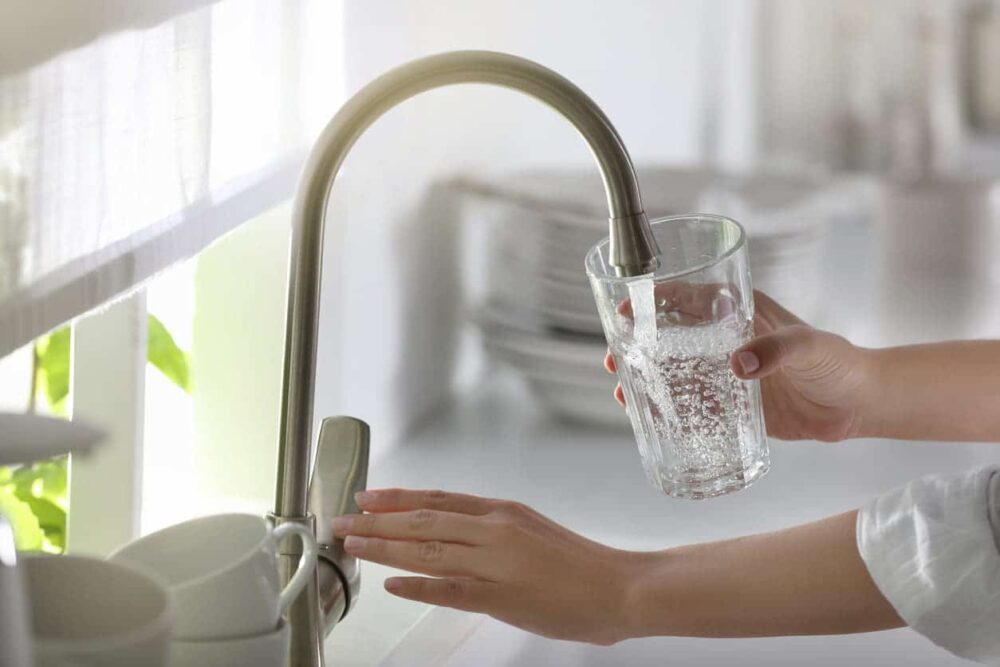
While the safety of Las Vegas tap water is scientifically proven, visitors often have questions about its taste or appearance, largely due to two common characteristics: hard water and the presence of chlorine.
Hard Water: Las Vegas tap water is naturally hard. This means it contains higher levels of dissolved minerals, primarily calcium and magnesium, which are picked up as the Colorado River water flows over mineral-rich geology before reaching Lake Mead. Hard water is not a health concern; it’s perfectly safe to drink. However, it can affect the taste slightly, make it harder for soap to lather, and leave mineral deposits or spots on dishes and fixtures. Many residents and hotels in Las Vegas use water softeners to mitigate these aesthetic inconveniences, but it doesn’t impact the water’s safety.
Chlorine/Chloramine: Chlorine and its derivative, chloramine, are vital disinfectants used in the water treatment process to kill harmful bacteria and viruses. While absolutely necessary for public health, these compounds can sometimes impart a distinct taste or odor to the water. Some people are more sensitive to this taste than others, especially if they are accustomed to untreated well water or water from other municipal systems that use different disinfection methods. It’s important to remember that the levels of chlorine and chloramine in Las Vegas water are carefully controlled to be effective against pathogens while remaining well within safe limits for consumption. The taste and odor often dissipate if the water is allowed to sit for a short period or is chilled.
The Taste Test: Perceptions vs. Reality for Travelers
For many travelers, the first sip of tap water in a new destination can be a moment of minor apprehension. In Las Vegas, despite its impeccable safety record, visitor perceptions of the tap water’s taste can vary widely. Understanding why these perceptions exist helps to bridge the gap between scientific fact and personal experience.
Why Some Visitors Perceive a Difference
There are several reasons why tourists might perceive Las Vegas tap water differently from what they are used to:
- Acclimation to Local Water: Most people grow accustomed to the unique mineral composition and treatment methods of their home water supply. When they encounter water with a different profile, even if it’s perfectly safe, the unfamiliar taste can be noticeable. The mineral content of Las Vegas water, originating from the Colorado River basin, is distinct from many other regions.
- Climate Sensitivity: The hot, dry desert climate of Nevada encourages more frequent hydration. When people are actively seeking to quench their thirst, they might be more attuned to subtle tastes or odors, such as the faint chloramine presence.
- Chlorine/Chloramine Taste: As mentioned, the necessary disinfection process uses chloramine, which some individuals are more sensitive to than others. If you’re not used to chlorinated water, the taste can be more pronounced. However, it’s a sign of a properly disinfected water supply, not a health risk.
- Older Plumbing in Establishments: While the municipal water supply is consistently high quality, the internal plumbing systems within older hotels, restaurants, or residential buildings can sometimes affect the water’s taste or even its aesthetic quality. Lead pipes, though largely phased out, or older copper pipes can impart a metallic taste. However, this is generally localized to the specific building and does not reflect the broader municipal supply. Las Vegas regularly monitors for lead and copper at the tap, and levels remain very low and below action limits.
Reassurance for Hydration in the Desert
It is crucial to emphasize that a distinct taste does not equate to a lack of safety. The rigorous testing and treatment protocols ensure that the water is free from harmful contaminants. In a city like Las Vegas, where the desert climate can quickly lead to dehydration, staying well-hydrated is paramount for enjoying your trip. Ignoring tap water out of taste preference can lead to insufficient fluid intake, which can manifest as fatigue, headaches, or even more serious health issues, especially when combined with alcohol consumption or extensive walking in the heat.
For those sensitive to the taste, there are simple solutions:
- Chilling the water: Cold water often has a less noticeable taste.
- Adding flavor: A slice of lemon, lime, or cucumber can easily mask any faint taste.
- Using a filter pitcher: While not necessary for safety, a charcoal filter pitcher can further improve taste by removing chlorine.
Embracing Las Vegas tap water as your primary source of hydration is a smart choice for your health and your wallet, allowing you to focus on the myriad of experiences the city has to offer without worrying about your water supply.
Practical Tips for Staying Hydrated and Responsible in Las Vegas
Knowing that Las Vegas tap water is safe is one thing; incorporating it into your travel routine is another. Here are some practical tips for staying hydrated responsibly and enjoying your trip to the fullest.
Hydration Strategies for Tourists
- Carry a Reusable Water Bottle: This is perhaps the most effective tip. Many hotels, casinos, and attractions across the Las Vegas Strip and downtown areas now have water fountains or dedicated bottle-filling stations. Filling up your bottle with free, safe tap water is convenient, cost-effective, and eco-friendly. Resorts like ARIA Resort & Casino and The Venetian Resort Las Vegas often provide amenities that support this.
- Utilize Hotel Amenities: While many hotels, including luxury establishments like the Bellagio, may provide complimentary bottled water in your room, don’t hesitate to use the tap water. Some newer hotels or renovated rooms might even feature in-room filtration systems at the tap. If you prefer bottled water, check if your hotel has water dispensers in common areas to refill your reusable bottle instead of buying single-use plastic bottles.
- Ask for Tap Water at Bars and Restaurants: Don’t feel pressured to buy expensive bottled water when dining out. It is perfectly acceptable and common to ask for a glass of tap water. Restaurants and bars are accustomed to this request, and they will serve you the same safe, clean municipal water.
- Balance Alcohol Intake: Las Vegas is known for its vibrant nightlife and liberal alcohol policies. However, alcohol is a diuretic, meaning it promotes fluid loss, and combined with the dry Nevada heat, this can lead to rapid dehydration. For every alcoholic beverage you consume, make a conscious effort to drink an equal or greater amount of water. This simple habit can significantly reduce the risk of headaches, fatigue, and other symptoms of dehydration, allowing you to enjoy your experience more fully.
- Listen to Your Body: Pay attention to thirst signals. If you’re feeling thirsty, you’re already mildly dehydrated. Drink proactively throughout the day, especially if you’re spending time outdoors, walking extensively, or gambling for long periods in air-conditioned casinos, which can also contribute to dryness.

The Environmental and Economic Impact of Bottled Water
Choosing tap water over bottled water in Las Vegas is not just a matter of personal safety and convenience; it’s also a significant step towards responsible and sustainable tourism, aligning perfectly with a conscious travel lifestyle.
- Environmental Cost: The production, transportation, and disposal of plastic water bottles carry a heavy environmental footprint. Manufacturing plastic bottles consumes vast amounts of energy and fossil fuels. Transporting bottled water across long distances further contributes to greenhouse gas emissions. Most alarmingly, millions of plastic bottles end up in landfills, taking hundreds of years to decompose, or worse, polluting oceans and natural landscapes. In a desert region like Nevada, minimizing waste and conserving resources are particularly critical. By choosing tap water, you reduce your contribution to plastic waste and support a more sustainable travel ecosystem.
- Economic Cost: Bottled water in tourist-heavy areas like Las Vegas is notoriously expensive. A small bottle purchased at a convenience store or hotel gift shop can cost several dollars, quickly adding up over a multi-day trip for a family or group. Comparatively, tap water is essentially free. By opting for tap water, you can save a considerable amount of money, which can then be allocated to other enjoyable aspects of your Las Vegas experience, such as a gourmet meal, a thrilling show, or a memorable attraction.
Promoting sustainability through simple choices like drinking tap water is an easy yet impactful way for visitors to contribute positively to the environment and the local economy, demonstrating that luxury travel and responsible practices can go hand-in-hand.
Conclusion
In conclusion, for anyone planning a trip to the vibrant city of Las Vegas, rest assured that your tap water is not only safe to drink but also consistently among the highest quality municipal water supplies in the nation. Sourced primarily from the magnificent Colorado River and stored in Lake Mead, the water undergoes an exhaustive, multi-stage treatment process at advanced facilities like the Alfred Merritt Smith Water Treatment Facility and the River Mountains Water Treatment Facility.
The Southern Nevada Water Authority (SNWA) meticulously tests the water tens of thousands of times each year, ensuring it meets and often surpasses the stringent standards set by the U.S. Environmental Protection Agency (EPA) and the Nevada Division of Environmental Protection (NDEP). While the natural hardness or the faint taste of disinfectants like chloramine might lead to differing taste perceptions, these characteristics do not in any way diminish the water’s safety or purity.
As you explore the wonders of Las Vegas, from its iconic landmarks to its world-class hotels and resorts, embrace the local tap water. By doing so, you not only ensure your own well-being and stay properly hydrated in the desert climate but also make an environmentally conscious and economically smart choice. So, fill up your reusable bottle, ask for tap water at restaurants, and drink confidently – allowing you to fully immerse yourself in all the excitement and luxury that Las Vegas has to offer, without a single worry about the safety of your sips.
LifeOutOfTheBox is a participant in the Amazon Services LLC Associates Program, an affiliate advertising program designed to provide a means for sites to earn advertising fees by advertising and linking to Amazon.com. Amazon, the Amazon logo, AmazonSupply, and the AmazonSupply logo are trademarks of Amazon.com, Inc. or its affiliates. As an Amazon Associate we earn affiliate commissions from qualifying purchases.