
When planning a trip to the vibrant and culturally rich state of Louisiana, understanding the local time zone is a seemingly minor detail that can have a significant impact on your itinerary, especially if you’re coordinating activities, booking accommodations, or simply trying to catch a flight. The question, “Is Louisiana Central Standard Time?” is a practical one for any traveler. The answer is a resounding yes. Louisiana, like most of the central United States, observes Central Standard Time (CST) during the fall and winter months and then transitions to Central Daylight Time (CDT) when daylight saving time is in effect.
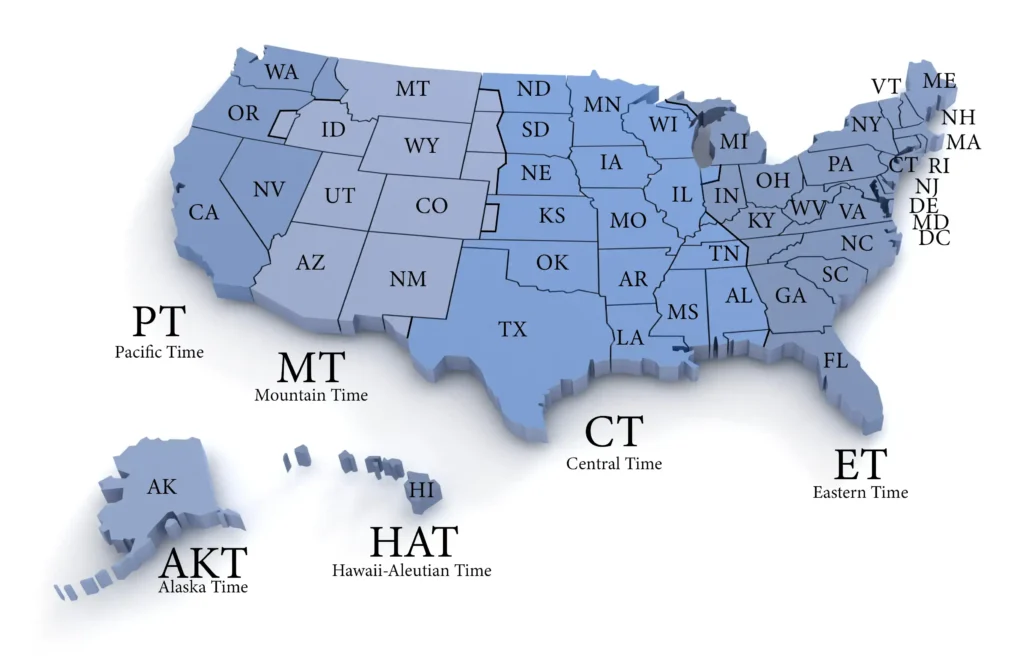
This understanding is crucial for everything from booking your stay at a charming boutique hotel in the French Quarter of New Orleans to ensuring you arrive on time for a swamp tour in the Atchafalaya Basin. For travelers accustomed to different time zones, especially those coming from overseas or from the Eastern or Pacific coasts of the United States, it’s essential to adjust your clocks accordingly to avoid missing out on experiences.
Understanding Time Zones in Louisiana
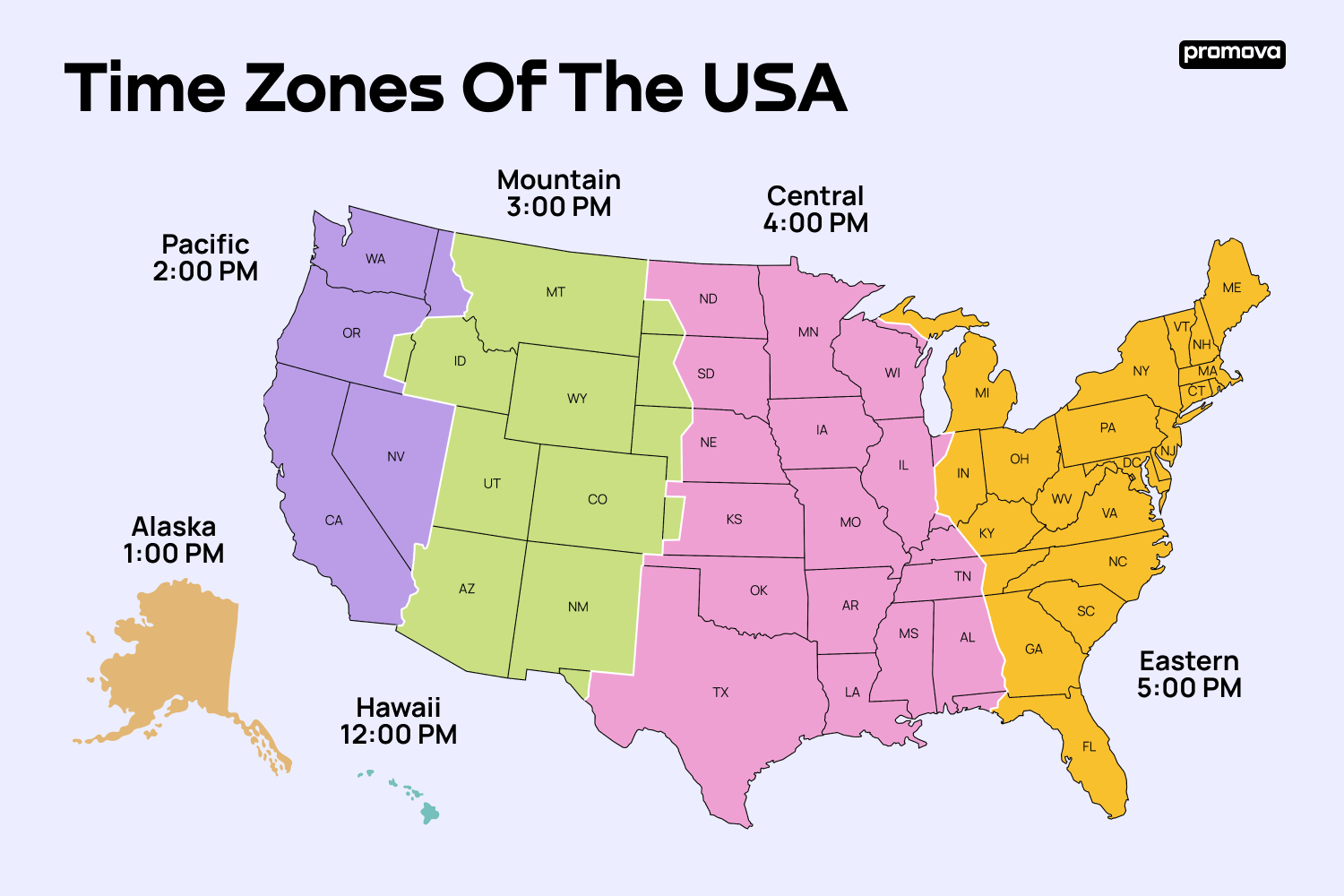
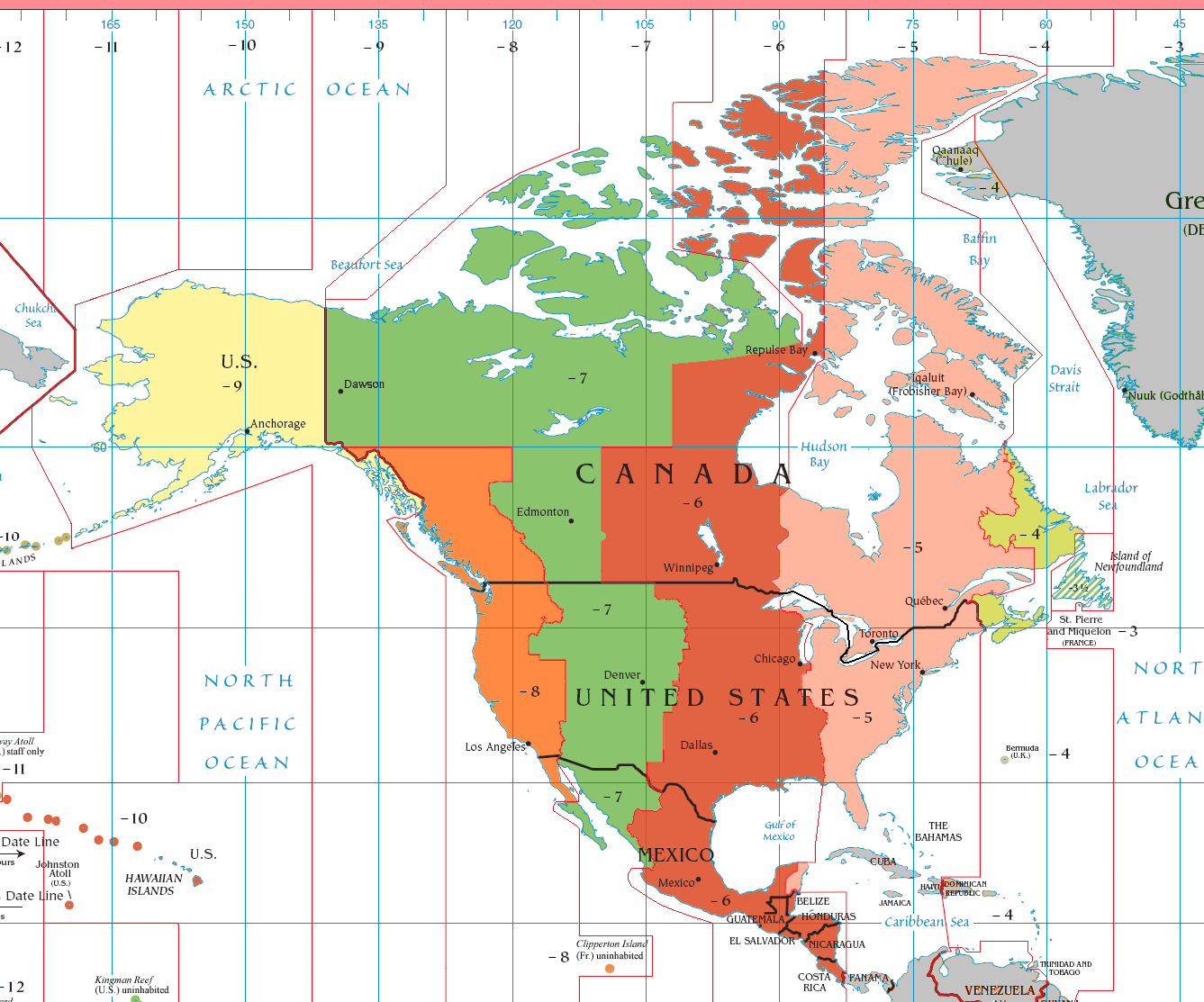
Louisiana’s time zone is primarily determined by its geographical location within the United States. The state lies squarely within the boundaries of the Central Time Zone (CT). This zone is characterized by its offset from Coordinated Universal Time (UTC). During standard time, CST is UTC-6. When daylight saving time is observed, the state switches to Central Daylight Time (CDT), which is UTC-5. This shift typically occurs on the second Sunday in March and concludes on the first Sunday in November.
The impact of this time difference can be felt across various aspects of travel. For instance, if you’re planning to witness the historic beauty of the French Quarter or explore the culinary delights of Acadiana, knowing the local time ensures you can maximize your daylight hours for sightseeing and activities. It also plays a role in coordinating with hotel concierges, tour operators, and even fellow travelers.
Navigating Daylight Saving Time
The observance of daylight saving time in Louisiana means that the clocks are moved forward by one hour during the warmer months. This change can sometimes cause confusion, particularly for those not accustomed to the practice. It’s important to be aware of these transitions when booking flights or making reservations, as different regions or even specific attractions might operate on slightly different schedules or have varying awareness of the time change.
For example, if you’re comparing hotel prices or availability across different platforms, ensuring you’re looking at the correct local time is vital. A booking made for what seems like 9 AM on a website might actually be 8 AM in local Louisiana time, potentially leading to missed reservations or early morning rushes. This is especially relevant when looking at accommodation options like suites or apartments where check-in times are often precise.
Practical Implications for Travelers
The most immediate impact of Louisiana being in the Central Time Zone is on your travel arrangements. Flights arriving or departing from airports like Louis Armstrong New Orleans International Airport (MSY) need to be tracked with CST or CDT in mind. Similarly, bus schedules, train times, and even ferry services will adhere to this zone.
Beyond transportation, it influences the timing of your daily activities. Visiting a famous landmark like the Oak Alley Plantation might be best done in the morning to avoid the peak heat of the day, and knowing the exact local time is key to planning this efficiently. Similarly, experiencing the lively music scene in New Orleans often starts in the evening, and understanding the time difference from your home location will help you prepare for late nights and early mornings.
When it comes to accommodation, whether you’re looking for a luxurious resort, a cozy villa, or a budget-friendly apartment, the check-in and check-out times will be based on Central Time. Many hotels offer a range of amenities, and their operating hours for services like spas, restaurants, and pools will also be in sync with CST/CDT. This meticulous attention to detail ensures a smoother travel experience.
Louisiana’s Prime Destinations and Their Time Considerations
Louisiana is a state brimming with diverse attractions, each offering unique experiences. From the historic streets of New Orleans to the bayous of the Atchafalaya Basin, understanding the Central Time Zone is fundamental to exploring these locales effectively.
New Orleans: The Heart of Louisiana’s Time
New Orleans, often hailed as the cultural capital of Louisiana, operates firmly within the Central Time Zone. When you’re strolling through the iconic French Quarter, admiring the intricate architecture of Jackson Square, or enjoying a beignet at Café Du Monde, you are doing so under CST or CDT. This vibrant city is a hub for tourism, offering everything from historic riverboat cruises on the Mississippi River to world-class dining and live music performances.
- Attractions and Activities: Many of the city’s most famous landmarks and activities are timed according to Central Time. This includes tours of historic homes like the Hermann-Grima House, guided walks through the atmospheric Garden District, and carriage rides that highlight the city’s rich history and architectural marvels.
- Accommodation: Hotels in New Orleans, from the opulent Roosevelt Hotel to charming boutique inns, will all operate on Central Time. Whether you’re booking a suite at the Windsor Court Hotel or a room at the Hotel Monteleone, their check-in and check-out times, as well as the hours for their amenities, will be based on CST/CDT.
- Local Culture and Food: Experiencing New Orleans’ unique local culture is a highlight for many visitors. This includes enjoying Creole and Cajun cuisine, listening to jazz music in the Frenchmen Street clubs, and participating in festivals like Mardi Gras (which has specific dates but is experienced within the local time zone). The timing of these cultural events is naturally aligned with Central Time.
Beyond the Crescent City: Exploring Other Louisiana Gems
While New Orleans often takes center stage, Louisiana offers a wealth of other destinations that are also part of the Central Time Zone. Exploring these areas requires the same awareness of local time to fully appreciate their offerings.
- Baton Rouge: The state capital, Baton Rouge, is a significant hub for business and tourism. Visitors can explore the Old State Capitol and the Louisiana State Capitol itself, both operating on Central Time. The city’s hotels and restaurants will also adhere to CST/CDT.
- Shreveport and Monroe: Further north, cities like Shreveport and Monroe are also within the Central Time Zone. These areas offer their own unique attractions, from casino resorts to natural beauty, all governed by the same time.
- Acadiana: The heartland of Cajun culture, Acadiana, encompasses towns and cities like Lafayette, Lake Charles, and Houma. Here, you can immerse yourself in the rich traditions, music, and distinctive cuisine of the Cajun people. Activities such as visiting local festivals, exploring the Tabasco Factory on Avery Island, or taking a guided tour through the Vermilionville historic village will all be scheduled according to Central Time.
Planning Your Louisiana Itinerary with Time in Mind
Successfully navigating Louisiana and its diverse offerings hinges on a clear understanding of its time zone. This meticulous planning can transform a good trip into an exceptional one, ensuring you make the most of your travel experiences, whether you’re on a luxury travel adventure or a budget-conscious exploration.
Accommodation and Travel Booking
When booking your travel, whether it’s flights into Louis Armstrong New Orleans International Airport (MSY) or securing a room at a renowned resort like the Ritz-Carlton, New Orleans, always confirm that the times stated are local to Louisiana. Online booking platforms and travel agents should be able to assist with this, but it’s wise to double-check.
- Hotel Stays: When booking a stay at a luxury hotel, a family-friendly resort, or even a short-term apartment, the check-in and check-out times will be in Central Time. This is true whether you’re looking at historic properties in New Orleans or modern accommodations in Baton Rouge. For longer stays, understanding the local time is also crucial for coordinating with property managers and planning your daily routines.
- Activity Bookings: Tours, excursions, and activity bookings are all scheduled based on CST/CDT. This includes everything from guided historical tours of New Orleans to boat trips exploring the natural wonders of the Atchafalaya Basin. Miscalculating can mean missing a crucial departure time, so always convert to the local time.
Embracing Local Lifestyle and Culture
Louisiana’s lifestyle is deeply intertwined with its culture, food, and natural environment. Understanding Central Time allows you to fully immerse yourself in these aspects.
- Culinary Experiences: From early morning farmers’ markets to late-night jazz clubs, the rhythms of Louisiana life are dictated by the clock. Experiencing the vibrant food scene, whether it’s a leisurely brunch or a spirited dinner, will be done in sync with Central Time.
- Exploring Landmarks: Visiting historical sites and natural landmarks, such as the Jean Lafitte National Historical Park and Preserve or the beautiful gardens of Longue Vue House and Gardens, requires timing your visits to maximize daylight and avoid crowds. This is easily managed when you have a firm grasp of the local time.
- Budget and Luxury Travel: Whether you are a budget traveler seeking the best value or a luxury traveler indulging in the finer things, precise time management is key. For example, a budget traveler might aim for early bird specials at restaurants or take advantage of daytime sightseeing to save on evening entertainment, all requiring accurate timekeeping. Conversely, a luxury traveler might schedule spa appointments or private dining experiences, which are all coordinated by the local Central Time.
In conclusion, the question “Is Louisiana Central Standard Time?” is definitively answered with a yes. Louisiana operates on Central Standard Time (CST) and Central Daylight Time (CDT). This fundamental piece of information is the cornerstone for any well-planned trip to the captivating state, ensuring that your travel, accommodation, and exploration of its rich culture and stunning landmarks are seamless and enjoyable. By keeping this in mind, you can confidently plan your adventures, from the historic streets of New Orleans to the serene beauty of its bayous.