
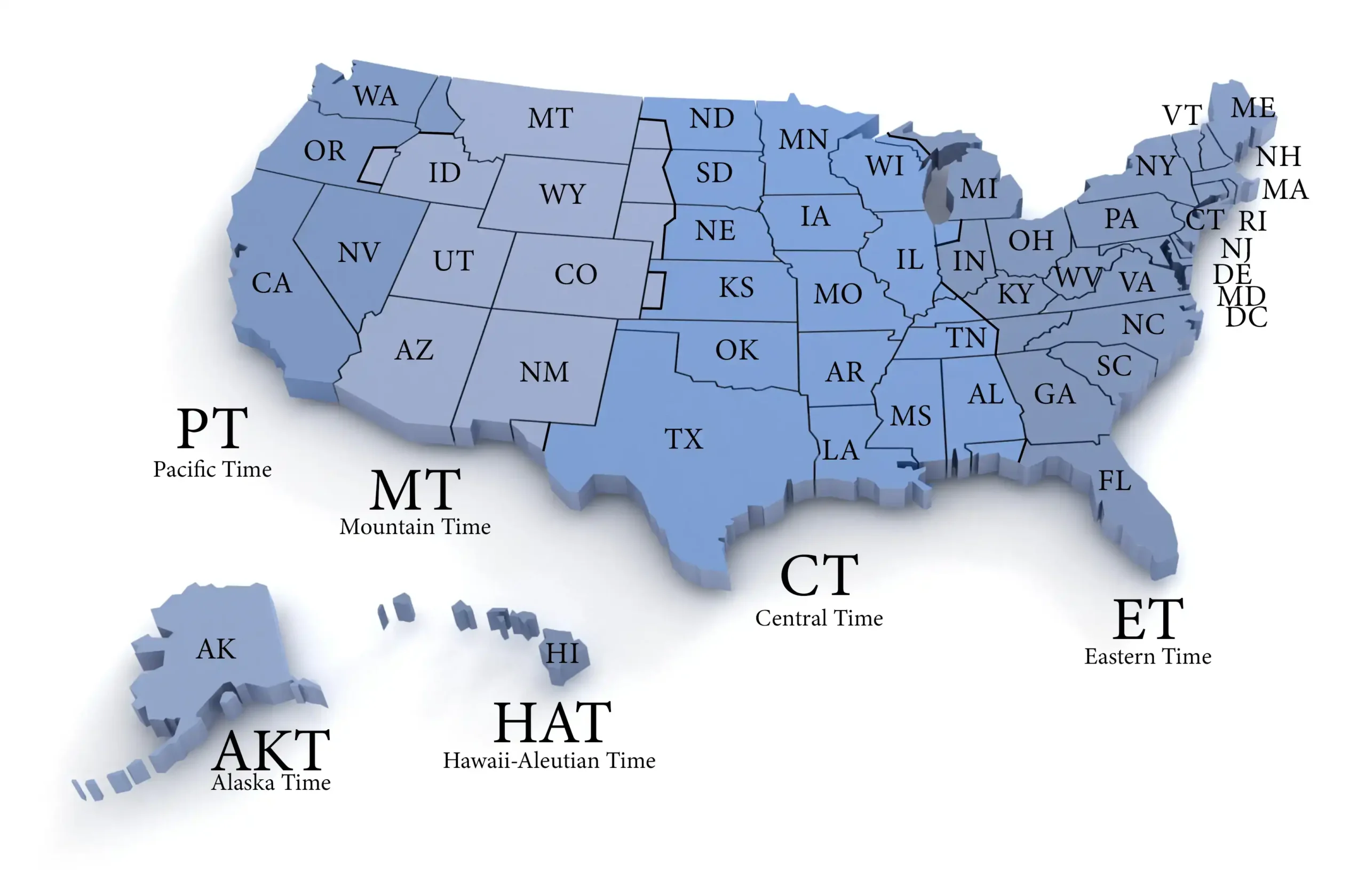
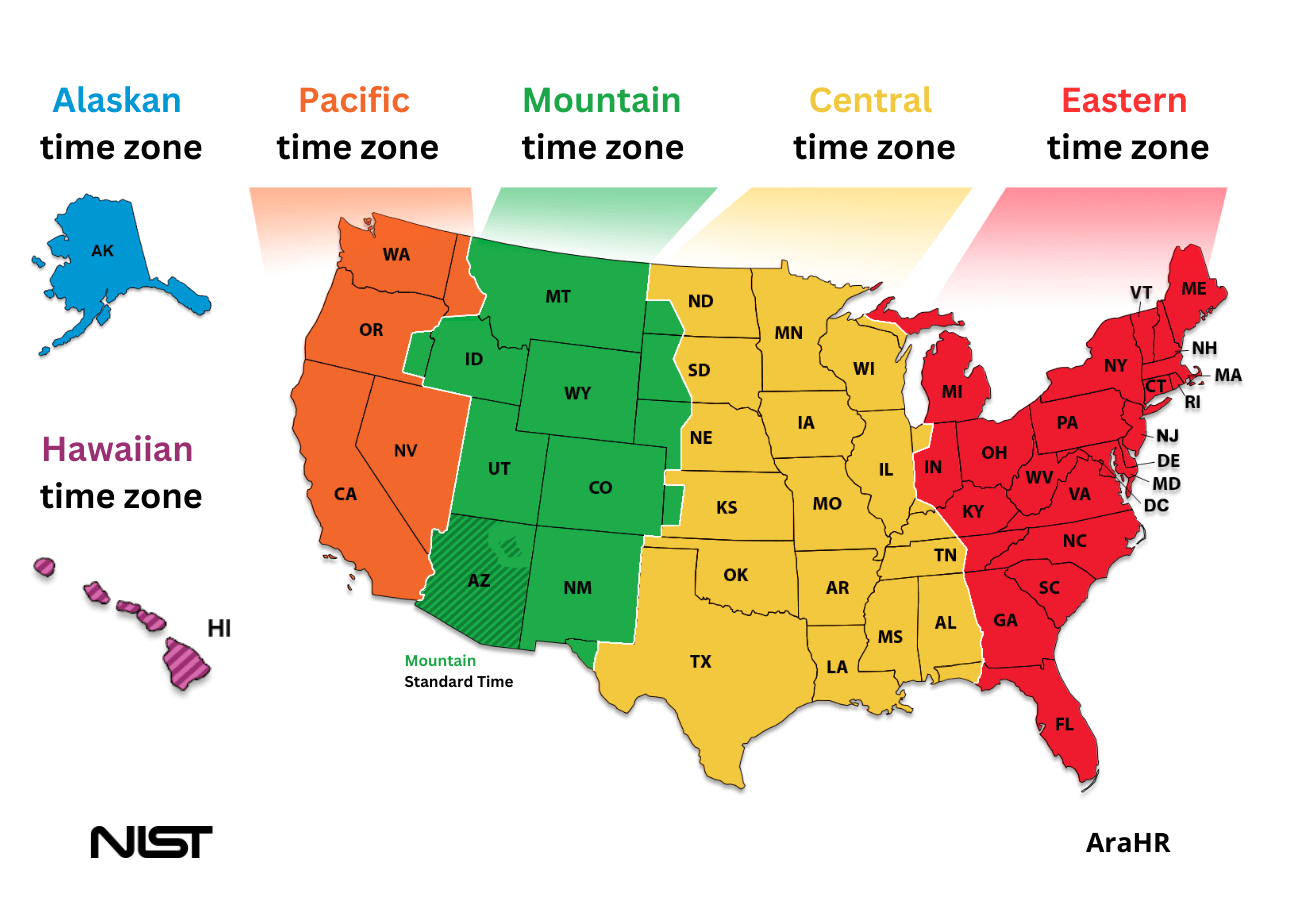
Absolutely, for the vast majority of its captivating expanse, Louisiana operates firmly within the Central Time Zone (CT). As you plan your adventure to the Pelican State, this is a crucial piece of information that simplifies your travel logistics and ensures you’re perfectly aligned with the rhythm of this vibrant Southern United States gem. From the bustling streets of New Orleans to the serene bayous of Cajun Country and the historic charm of Baton Rouge, you’ll be setting your watch to CT.
This article delves into the specifics of Louisiana’s time zone, offering insights for travelers, exploring how this impacts your visit, and highlighting the incredible destinations, attractions, and experiences that await you in this culturally rich state. We’ll also touch upon the practicalities of travel, accommodation, and how to fully immerse yourself in the unique lifestyle that defines Louisiana, all while keeping that Central Time Zone in mind.
Understanding Louisiana’s Time Zone Landscape
The United States is divided into several standard time zones, primarily to facilitate synchronized schedules across its vast geography. The Central Time Zone is one of the most significant, covering a large swath of the country’s central region, stretching from the northern plains down to the Gulf Coast and even extending into parts of Canada and Mexico.
Central Time (CT) and Central Daylight Time (CDT)
Throughout the year, Louisiana observes Central Time (CT), which is six hours behind Coordinated Universal Time (UTC-6). However, like most states in the USA (excluding Arizona and Hawaii), Louisiana participates in Daylight Saving Time. This means that from the second Sunday in March until the first Sunday in November, the state switches to Central Daylight Time (CDT), which is five hours behind Coordinated Universal Time (UTC-5). During this period, clocks are moved forward by one hour.
For travelers, this simply means being aware of the date of your visit. If you’re traveling during the spring or summer months, or into early fall, your devices will likely automatically adjust to CDT. If you’re visiting in late fall or winter, it will be CT. Regardless, the internal time within the state remains consistent with its central time designation relative to other time zones. The consistency of being predominantly in one time zone makes planning significantly easier for visitors, ensuring minimal confusion regarding event timings, travel schedules, and dining reservations.
It’s worth noting that while historically, there have been discussions or very minor, almost imperceptible adjustments in tiny pockets for administrative reasons, for all practical travel purposes, Louisiana is universally considered to be in the Central Time Zone. You won’t typically encounter a “border” within the state where you need to change your watch, as might happen in some larger states like Texas or Florida.
Planning Your Trip to the Pelican State: Time Zone Considerations & Travel Tips
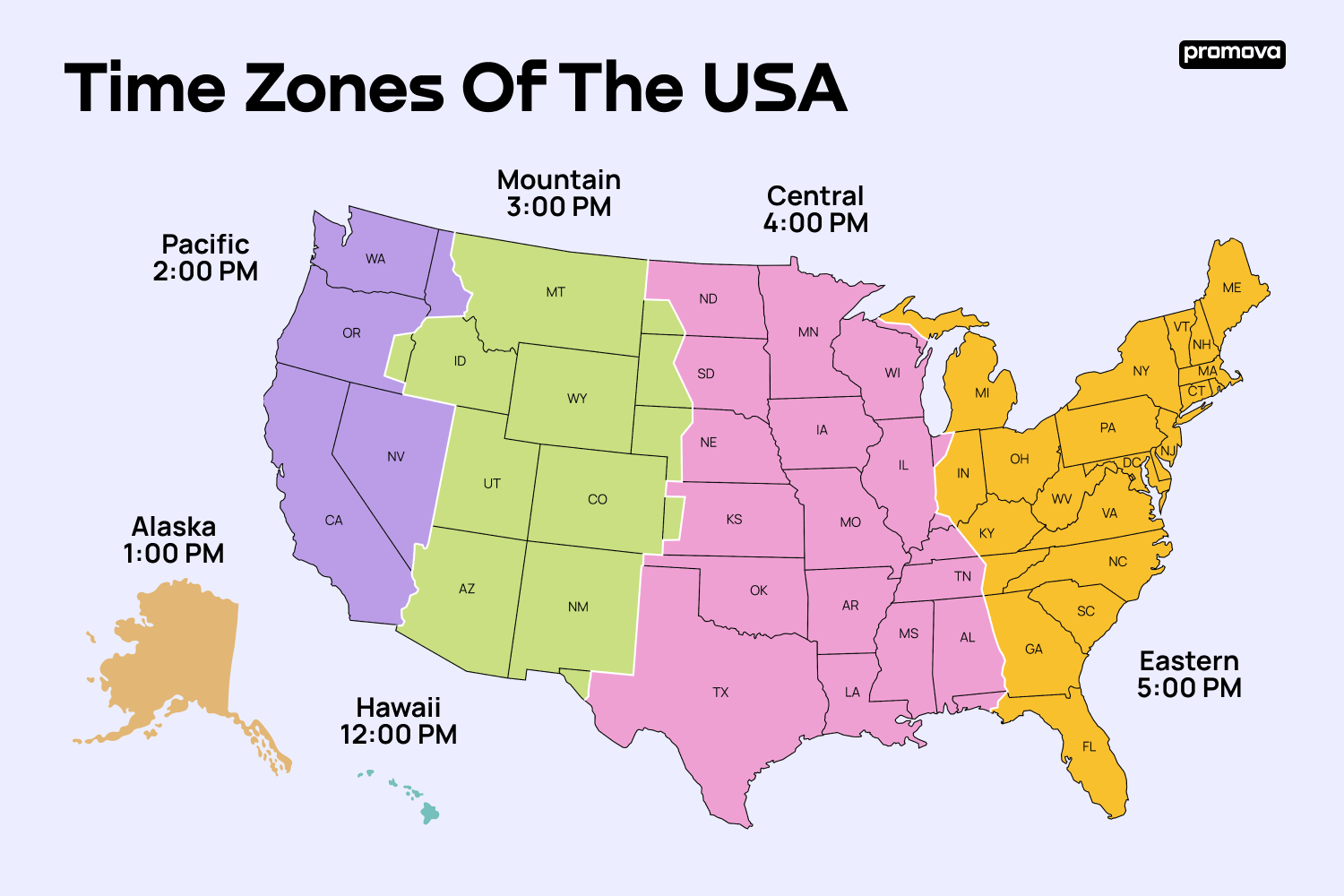
Understanding the time zone is more than just knowing what time it is; it’s a fundamental aspect of efficient travel planning. For those venturing into Louisiana from other time zones, especially from the Eastern Time Zone or Pacific Time Zone, this awareness is key to a smooth transition.
Seamless Travel Across Time Zones
If you’re flying into one of Louisiana’s major airports, such as Louis Armstrong New Orleans International Airport (MSY) or Baton Rouge Metropolitan Airport (BTR), your flight schedules will all be listed in local Central Time. Always double-check your arrival and departure times against the local time to avoid any mix-ups. This is particularly important for connecting flights or if you’re coordinating pickups with friends or family.
For visitors arriving from the Eastern Time Zone, you’ll gain an hour upon arrival in Louisiana, which can be a pleasant bonus, making your afternoon feel a bit longer. Conversely, those coming from the Mountain Time Zone or Pacific Time Zone will lose an hour or more, requiring a slight adjustment.
- Jet Lag Management: While a one or two-hour time difference typically doesn’t cause severe jet lag, it’s always wise to prepare. Adjust your sleep schedule a day or two before your trip, stay hydrated during your flight, and try to expose yourself to natural light upon arrival to help reset your internal clock.
- Booking Activities and Reservations: All events, tours, restaurant reservations, and attraction opening hours will adhere strictly to Central Time. When booking online from a different time zone, ensure you’re noting the local time of the event.
- Business Travel: For those on business trips, understanding the time zone is paramount for scheduling meetings, conference calls, and presentations. Being punctual is crucial, and confirming time zones with your Louisiana-based contacts is a good practice.
From the vibrant nightlife of New Orleans to the early morning swamp tours in the Atchafalaya Basin, every aspect of your Louisiana itinerary will seamlessly unfold within the predictable rhythm of the Central Time Zone.
Exploring Louisiana’s Vibrant Culture & Attractions
With your time zone figured out, you can now fully immerse yourself in the rich tapestry of Louisiana’s culture, history, and natural beauty. The state offers a truly unique blend of French, Spanish, African, and Caribbean influences, creating an unforgettable travel experience.
Iconic Destinations and Their Alluring Charm
- New Orleans: The Crescent City
Undoubtedly the crown jewel, New Orleans is a city unlike any other. Its iconic French Quarter is a designated National Historic Landmark, famous for its charming Creole architecture, wrought-iron balconies, and lively atmosphere. Stroll down Bourbon Street for its legendary nightlife, or explore the historic Jackson Square, dominated by the majestic St. Louis Cathedral. Beyond the French Quarter, visitors can discover the opulent mansions of the Garden District, enjoy a relaxing afternoon in Audubon Park and the Audubon Zoo, or delve into history at the powerful National WWII Museum. Music lovers will revel in the jazz scene, particularly at Preservation Hall, while foodies can indulge in world-class cuisine. The city is also home to the legendary Mardi Gras celebrations, a spectacle of parades, music, and vibrant costumes. A scenic journey on the Steamboat Natchez along the Mississippi River offers a unique perspective of the city.
-
Baton Rouge: The Capital City
As the state capital, Baton Rouge offers a blend of political history and southern charm. Visitors can tour the towering Louisiana State Capitol Building, a remarkable Art Deco skyscraper that offers panoramic views of the city. The city is also home to Louisiana State University (LSU), with its beautiful campus and passionate sports culture. History buffs will appreciate the Old State Capitol, a Gothic Revival masterpiece. -
Shreveport and Bossier City: Northwestern Delights
Located in the northwestern part of the state, Shreveport and its twin city, Bossier City, are known for their lively riverboat casinos and entertainment complexes. Beyond gambling, visitors can explore the serene beauty of the Gardens of the American Rose Center, the nation’s largest park dedicated to roses, or discover local art at the R.W. Norton Art Gallery. -
Lafayette and Acadiana: Heart of Cajun & Creole Country
To truly experience Cajun culture, a trip to Lafayette is a must. This region, often called Acadiana, is famous for its vibrant music scene (think Zydeco and Cajun two-step), delicious food, and friendly locals. Explore Vermilionville Living History Museum & Folklife Park to step back in time, or take a thrilling airboat tour through the swamps. Don’t miss a visit to Tabasco Factory on Avery Island, a fascinating and flavorful experience. -
Plantation Country: A Journey Through History
Beyond the cities, Louisiana is dotted with historic plantations offering a glimpse into a complex past. Iconic sites like Oak Alley Plantation with its magnificent oak canopy, and Laura Plantation, known for its Creole heritage, provide moving tours and insights into 19th-century life. These landmarks are crucial for understanding the state’s intricate history and culture.
Delving into Louisiana’s Rich Culinary Scene
Louisiana’s cuisine is a destination in itself. It’s a flavorful fusion, heavily influenced by its French, Spanish, African, and Native American roots, centered around fresh local ingredients, especially seafood from the Gulf Coast and produce from its fertile lands.
- Iconic Dishes: No trip is complete without savoring a bowl of rich Gumbo, a hearty stew, or a plate of Jambalaya, a flavorful rice dish. Indulge in creamy Étouffée, crispy Fried Catfish, or classic Po’boys (sandwiches). For dessert, the pillowy, sugar-dusted Beignets from Café Du Monde in New Orleans are an absolute must.
- Dining Experiences: Whether you prefer fine dining at establishments like Commander’s Palace or Antoine’s, casual eats at a local seafood shack, or the lively atmosphere of a Cajun dancehall (a “fais do-do”), Louisiana offers a diverse range of culinary adventures. Explore bustling food markets for fresh produce and local specialties, or join a cooking class to learn the secrets of Creole and Cajun cuisine firsthand.
Accommodation Options for Every Traveler
Louisiana’s hospitality industry thrives on its diversity, offering a wide array of accommodation options to suit every taste, budget, and travel style. Whether you’re seeking luxury, a quaint boutique experience, or something more budget-friendly, you’ll find it here.
- Luxury & Resorts: In cities like New Orleans and Lake Charles, you’ll find exquisite luxury hotels and resorts offering top-tier amenities, spa services, and gourmet dining. Properties like The Roosevelt New Orleans, A Waldorf Astoria Hotel or the Ritz-Carlton, New Orleans provide an opulent base for exploration. In Lake Charles, casino resorts like Golden Nugget Lake Charles combine entertainment with lavish stays.
- Boutique Hotels & Historic Inns: For a more personalized and charming experience, consider the numerous boutique hotels and historic inns, especially prevalent in the French Quarter and Garden District of New Orleans or in towns like Natchitoches. These often feature unique architecture, antique furnishings, and a deep sense of local character.
- Apartments & Vacation Rentals: For families, groups, or those seeking a longer stay, vacation rentals, including apartments and entire homes, offer flexibility and a home-away-from-home feel. Websites and platforms specializing in long-term stays provide ample choices.
- Budget-Friendly Options: Travelers on a budget will find numerous reputable chain hotels and motels across the state, particularly in urban areas and along major highways. Many offer essential amenities like free Wi-Fi and breakfast, ensuring a comfortable stay without breaking the bank.
When booking your accommodation, it’s always advisable to read reviews and use comparison websites to find the best deals and ensure your chosen stay aligns with your expectations.
Lifestyle and Practicalities: Making the Most of Your Louisiana Journey
Beyond specific destinations, Louisiana offers a distinctive lifestyle and a plethora of practical considerations that enhance any trip, whether it’s a luxury travel escapade, a budget travel adventure, a family trip, or a business stay.
Tailoring Your Trip
- Family Adventures: Louisiana is fantastic for families, offering attractions like the Audubon Aquarium of the Americas, swamp tours where kids can spot alligators, and historical sites that bring learning to life. Planning activities that cater to all ages is easy with the state’s diverse offerings.
- Romantic Getaways: For couples, the charming ambiance of the French Quarter, intimate jazz clubs, scenic plantation tours, and exquisite dining create perfect settings for romance.
- Solo Exploration: Solo travelers will find Louisiana welcoming and easy to navigate. The vibrant cultural scene and friendly locals make it an ideal place for independent discovery.
- Business Stays: Major cities like New Orleans, Baton Rouge, and Shreveport are equipped with modern convention centers, business-friendly hotels, and efficient transportation, catering to the needs of business travelers.
Best Time to Visit and Getting Around
The best time to visit Louisiana largely depends on your preferences. Spring (March to May) and Fall (September to November) offer pleasant weather, ideal for exploring outdoors. These seasons are also bustling with festivals. Summers can be hot and humid, but also lively with unique seasonal events. Winters are mild, making it a great escape from colder climates.
- Transportation: While major cities like New Orleans have good public transportation options (streetcars, buses), a rental car is highly recommended if you plan to explore beyond the city centers, especially for visiting plantations, Cajun Country, or the natural beauty of the bayous.
Embracing the rhythm of Louisiana means not just enjoying its sights and sounds, but also understanding its practical aspects, all grounded within the Central Time Zone. From booking your initial flight to savoring your last beignet, every moment of your journey will unfold in this captivating time.
In conclusion, for anyone wondering “Is Louisiana in the Central Time Zone?”, the answer is a resounding yes. This crucial piece of information underpins all travel planning and ensures a seamless, enjoyable experience in a state that promises adventure, culture, and an unforgettable taste of Southern hospitality. So, set your watch to Central Time and get ready to laissez les bons temps rouler!
LifeOutOfTheBox is a participant in the Amazon Services LLC Associates Program, an affiliate advertising program designed to provide a means for sites to earn advertising fees by advertising and linking to Amazon.com. Amazon, the Amazon logo, AmazonSupply, and the AmazonSupply logo are trademarks of Amazon.com, Inc. or its affiliates. As an Amazon Associate we earn affiliate commissions from qualifying purchases.