
Maine, often celebrated for its rugged coastline, pristine wilderness, and charming lighthouses, holds a special place in the hearts of many travelers. From the bustling streets of Portland to the serene shores of Acadia National Park, the state offers a rich tapestry of experiences. But beyond its picturesque landscapes and renowned culinary scene, Maine presents a fascinating political landscape, often characterized by a complexity that defies a simple “red” or “blue” label. For visitors curious about the local culture and the underlying values that shape this unique New England gem, understanding its political leanings can offer deeper insights into its various regions, from the urban hubs to the remote wilderness. This exploration isn’t just about politics; it’s about appreciating the diverse lifestyles, tourism experiences, and accommodations that reflect Maine’s multifaceted identity.
Understanding Maine’s Political Landscape
At first glance, Maine might seem to defy easy categorization. Historically, it has been considered a swing state, capable of voting for either Democratic or Republican candidates, though in recent decades, it has shown a stronger inclination towards the Democratic Party in presidential elections. For instance, in the last several presidential cycles, Maine has consistently awarded its popular vote to the Democratic candidate. This leans it more towards the “blue” side on a national electoral map.
However, labeling Maine as simply “blue” overlooks a crucial aspect of its political system and demographic distribution. Maine is one of only two states (the other being Nebraska) that allocates its electoral votes by congressional district, rather than a winner-take-all system. This unique approach means that while the statewide popular vote might go to one party, individual districts can split, often giving one electoral vote to the opposing party. Specifically, the 1st Congressional District, encompassing the populous southern and coastal areas, tends to be solidly blue. In contrast, the 2nd Congressional District, covering the vast, more rural northern and western parts of the state, often leans red. This district has, in fact, voted Republican in recent presidential elections, showcasing a clear divide within the state.
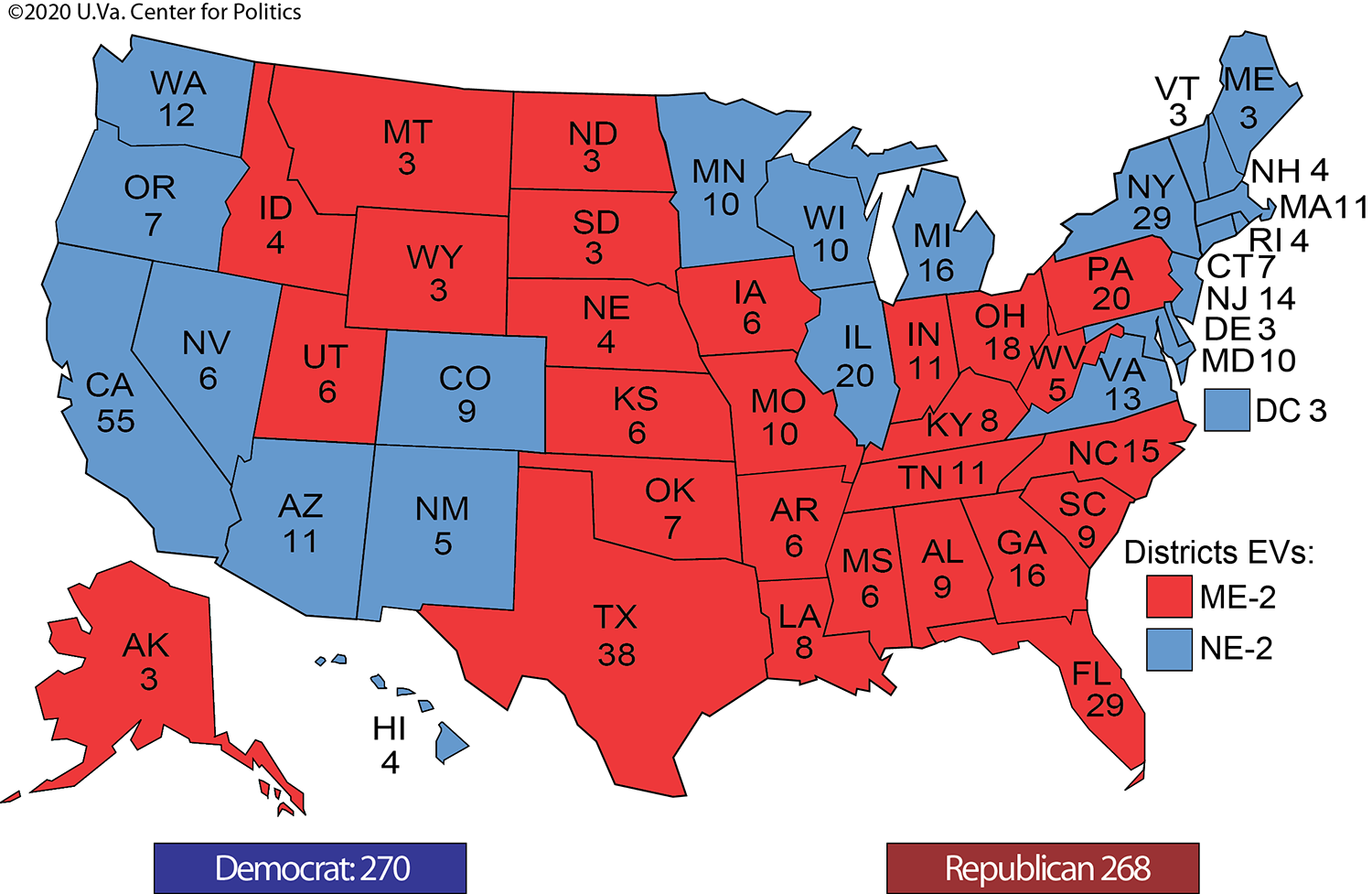
This split is evident not only in national elections but also in state-level politics. While Maine currently has a Democratic governor and predominantly Democratic representation in Congress, its legislature often sees a competitive balance. The state’s history includes periods with prominent Republican governors and legislative majorities, indicating that while there’s a current lean, the political pendulum can still swing. The independent streak of Mainers is a significant factor, often leading to support for candidates who prioritize local issues and pragmatic solutions over strict party lines. This nuanced reality means that whether you’re visiting the sophisticated art galleries of Portland or the remote logging towns of Aroostook County, you’ll encounter a rich blend of perspectives that shape the local culture and the overall visitor experience.
The Influence of Demographics and Geography on Maine’s Politics
The intricate political tapestry of Maine is largely woven from its diverse geography and demographics. The stark contrast between its coastal regions and its vast interior plays a pivotal role in shaping political allegiances and, consequently, the character of its various travel destinations.
The coastal areas, particularly from Kittery up through Portland, Freeport, Camden, and Bar Harbor, are generally more densely populated and economically diverse. These regions attract a mix of younger professionals, artists, retirees, and affluent second-home owners. The economies here are often driven by tourism, arts, higher education, and burgeoning tech industries. The demographic makeup in these areas tends to be more educated, financially comfortable, and culturally liberal, which aligns with a “blue” political orientation. Cities like Portland are known for their progressive policies, vibrant food scenes emphasizing local and organic produce, and a strong focus on environmental sustainability, all hallmarks often associated with blue states. Resorts and boutique hotels in Kennebunkport or Ogunquit cater to a clientele that often shares these values, seeking luxury travel experiences combined with a sophisticated, often eco-conscious, approach to leisure.
Conversely, the interior and northern parts of Maine present a different picture. These regions, including areas around Bangor, Presque Isle, and the vast unorganized territories, are characterized by lower population densities and economies traditionally reliant on industries such as logging, paper manufacturing, fishing, and agriculture. The communities here are often older, with a strong emphasis on tradition, self-reliance, and a more conservative social outlook. This demographic tends to lean “red.” The lifestyle here is rugged, valuing outdoor pursuits like hunting, fishing, and snowmobiling, and a strong sense of community. Accommodation in these areas might include rustic cabins by a lake, hunting lodges, or family-run inns that reflect a more traditional Maine experience. The political leanings in these regions are often driven by concerns about economic development, resource management, and preserving traditional ways of life, issues that resonate more with conservative principles.
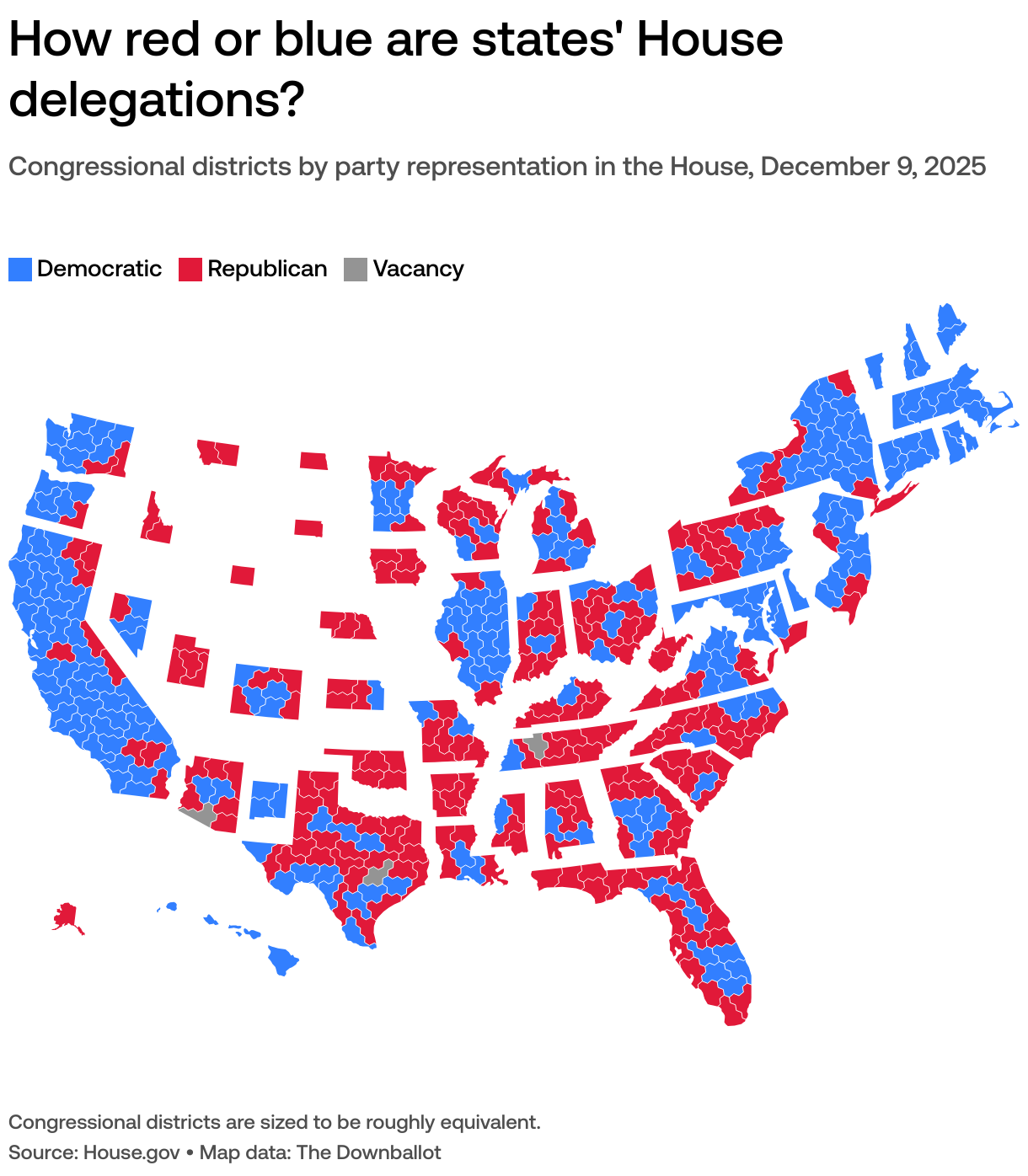
Beyond these broad strokes, the state capital, Augusta, as well as smaller industrial cities, can sometimes act as bellwethers, showcasing a mix of these influences. The blend of historical industries with growing tourism and service sectors means these areas can exhibit a more mixed political sentiment. Understanding this geographical and demographic divide is crucial for any traveler seeking to truly experience the diverse facets of Maine, as it profoundly impacts everything from local cuisine and cultural activities to the types of accommodations available and the overall atmosphere of a destination.
Experiencing Maine: How Political Identity Shapes Travel & Tourism
The political leanings of different regions in Maine don’t just exist on paper; they subtly, and sometimes overtly, influence the types of travel experiences, local culture, and tourism activities available. For the astute traveler, recognizing these distinctions can lead to a more authentic and fulfilling visit, allowing you to tailor your journey to match your preferred lifestyle and interests.
Diverse Destinations for Every Traveler
Maine’s political geography correlates with distinct destination vibes. The “blue” areas often cater to a demographic seeking progressive, culturally rich, and environmentally conscious experiences, while the “red” areas appeal to those valuing tradition, rugged outdoor adventure, and community spirit.
-
Blue-Leaning Havens: The southern coast and certain inland pockets are quintessential “blue” destinations. Portland, as the state’s largest city, is a prime example. Its Old Port district is teeming with award-winning restaurants showcasing farm-to-table cuisine, craft breweries, and art galleries. Visitors here can find sophisticated boutique hotels and modern apartments perfect for urban exploration. Near Acadia National Park and the charming town of Bar Harbor, the focus is on preserving natural beauty, outdoor activities like hiking and kayaking, and a community that often prioritizes ecological sustainability. Here, you might find eco-friendly resorts and nature-focused guides promoting responsible tourism. Towns like Freeport, home to L.L.Bean’s flagship store, also align with a slightly more progressive, yet classic New England consumer culture, attracting families and those seeking quality outdoor gear. The focus on local craftsmanship, artisanal products, and a generally more liberal social environment defines these destinations.
-
Red-Leaning Regions: Venture northward and inland, and the landscape shifts, both geographically and culturally. The vast wilderness of Northern Maine, including Aroostook County and areas surrounding the Penobscot River and Mount Katahdin, embodies the “redder” aspects of the state. These are havens for hunting, fishing, snowmobiling, and ATV adventures. The lifestyle here is deeply connected to the land and its resources. Accommodation options typically include rustic hunting lodges, simple lakeside cabins, or family-owned inns that emphasize comfort and practicality over luxury. The food scene might feature hearty, traditional Maine fare, reflecting a no-frills, community-focused approach. Even central hubs like Bangor, while offering modern conveniences, serve as gateways to these more traditionally conservative areas, appealing to those seeking an authentic, rugged Maine experience rooted in its historical industries.
Accommodation and Lifestyle Choices
Your choice of accommodation in Maine can very much reflect the regional political leanings and associated lifestyles.
-
Urban/Coastal Hotels & Resorts: In areas like Kennebunkport, you’ll find luxury resorts offering spa treatments, fine dining, and curated experiences, often attracting a clientele interested in high-end lifestyle travel. Portland boasts designer hotels and suites popular with business stays and luxury travelers seeking proximity to sophisticated cultural attractions and a vibrant nightlife. These locations often emphasize amenities like wellness centers, sustainable practices, and contemporary design, catering to a generally more liberal and affluent guest.
-
Rural Cabins & Inns: Moving inland, the emphasis shifts to connecting with nature and a simpler way of life. Rustic cabins by a quiet lake or inns offering hearty breakfasts and proximity to trails define the accommodation experience. These are ideal for budget travel, family trips focused on outdoor activities, or those seeking a peaceful retreat. The focus is often on comfort, authenticity, and access to the wilderness, reflecting values that resonate with more traditional and often conservative demographics.
Navigating Local Culture and Tips for Visitors
Regardless of your own political leanings, visiting Maine offers an opportunity to immerse yourself in a diverse and welcoming environment.
- Respecting Local Values: Be mindful that Maine is not a monolith. The friendly, independent spirit is universal, but expressions of community and values can differ significantly between regions. An understanding of these differences can enrich your interactions with locals.
- Engaging with Communities: Don’t hesitate to engage with locals. Whether you’re discussing the best lobster roll in Rockland or the prime fishing spots near Moosehead Lake, you’ll find Mainers proud of their state and eager to share its beauty. These interactions are invaluable for truly experiencing the “local culture.”
- Best Time to Visit: Each season in Maine offers unique attractions. Fall foliage often draws visitors to the inland regions, while summer is peak season for coastal towns and their beaches like Old Orchard Beach. Winter transforms the north into a snowmobiling paradise. Planning your trip based on these seasonal activities can help you experience the full spectrum of Maine’s offerings, irrespective of its political hue.
Beyond the Colors: Maine’s Enduring Appeal
While the “red or blue” question provides a fascinating lens through which to view Maine’s complexities, it’s essential to remember that these political labels only capture one aspect of the state’s vibrant character. What truly unites Mainers, regardless of their electoral choices, is a profound love for their state’s unparalleled natural beauty, a fierce sense of independence, and a strong community spirit.
From the majestic peaks of Mount Katahdin to the dramatic cliffs of Acadia National Park, and from the iconic lighthouses dotting the coast to the tranquil solitude of its vast forests, Maine offers an incredible array of landmarks and natural wonders. Its history is etched into its architecture and small-town charm, while its contemporary culture thrives in its culinary innovations and artistic communities.
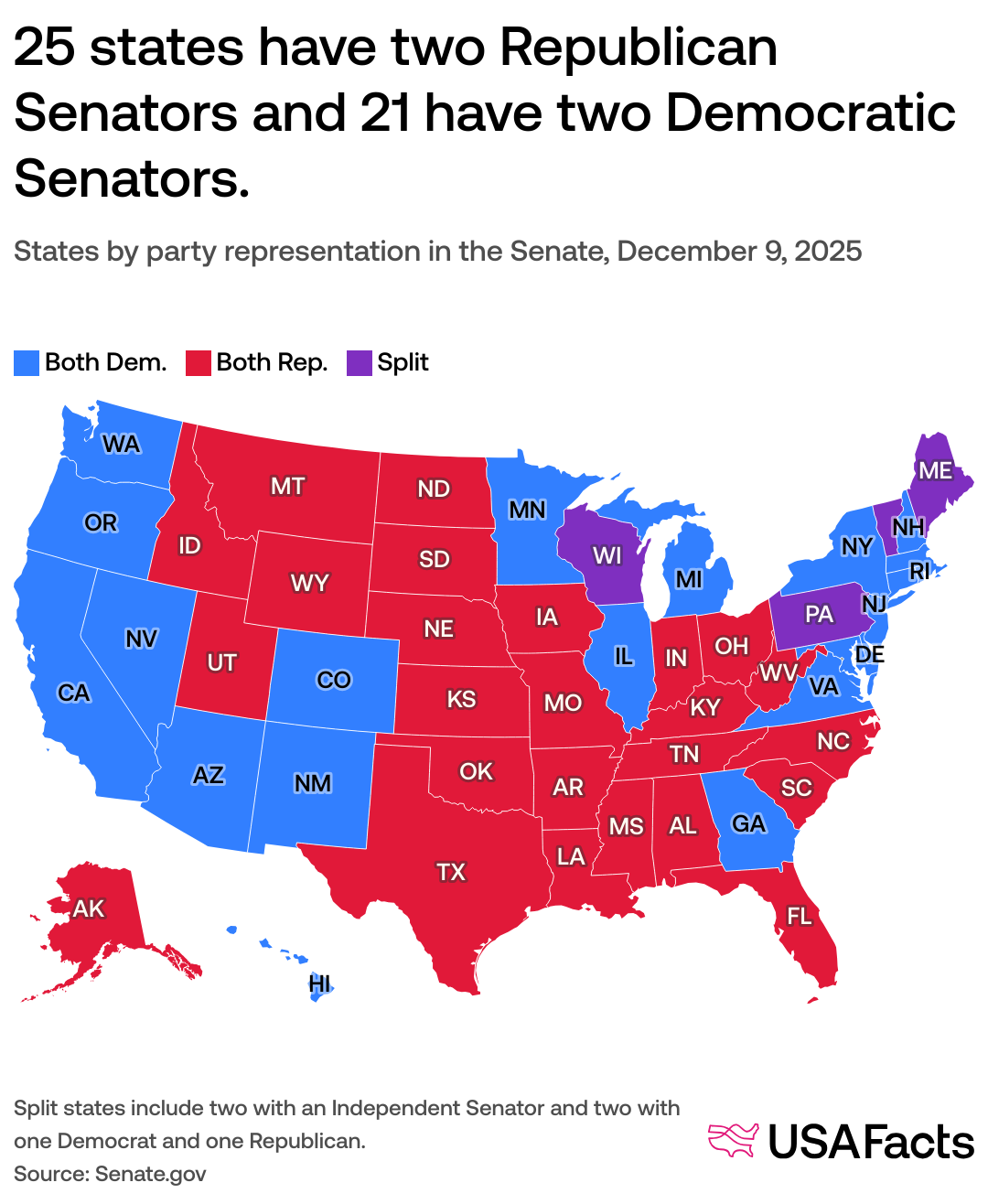
Ultimately, Maine is a destination that transcends simple political classifications. It’s a place where tradition meets modernity, where rugged wilderness borders sophisticated coastal towns, and where independent spirits find common ground in their appreciation for their unique home. Whether you’re seeking a luxury resort experience, a budget-friendly family trip amidst nature, or a deep dive into local culture and food, Maine promises a rich and memorable journey for all who visit, proving that its true colors are far more varied and beautiful than just red or blue.
LifeOutOfTheBox is a participant in the Amazon Services LLC Associates Program, an affiliate advertising program designed to provide a means for sites to earn advertising fees by advertising and linking to Amazon.com. Amazon, the Amazon logo, AmazonSupply, and the AmazonSupply logo are trademarks of Amazon.com, Inc. or its affiliates. As an Amazon Associate we earn affiliate commissions from qualifying purchases.