
Hawaii, the archipelago of unparalleled beauty and diverse landscapes, beckons travelers year-round. However, for those meticulously planning their escape to the Pacific Ocean paradise, the question of the best time to visit often arises. March, in particular, presents a compelling case for consideration. This month, nestled between the peak winter holiday season and the summer rush, offers a unique confluence of favorable weather, fewer crowds, and a vibrant cultural tapestry. Let’s delve into why March might just be the ideal time for your Hawaiian adventure.
The Allure of March: Weather and Crowd Dynamics
March in Hawaii offers a sweet spot for many travelers seeking optimal conditions without the overwhelming throngs of peak tourist seasons. Understanding the nuances of its climate and the ebb and flow of visitor numbers will help paint a clearer picture of its appeal.
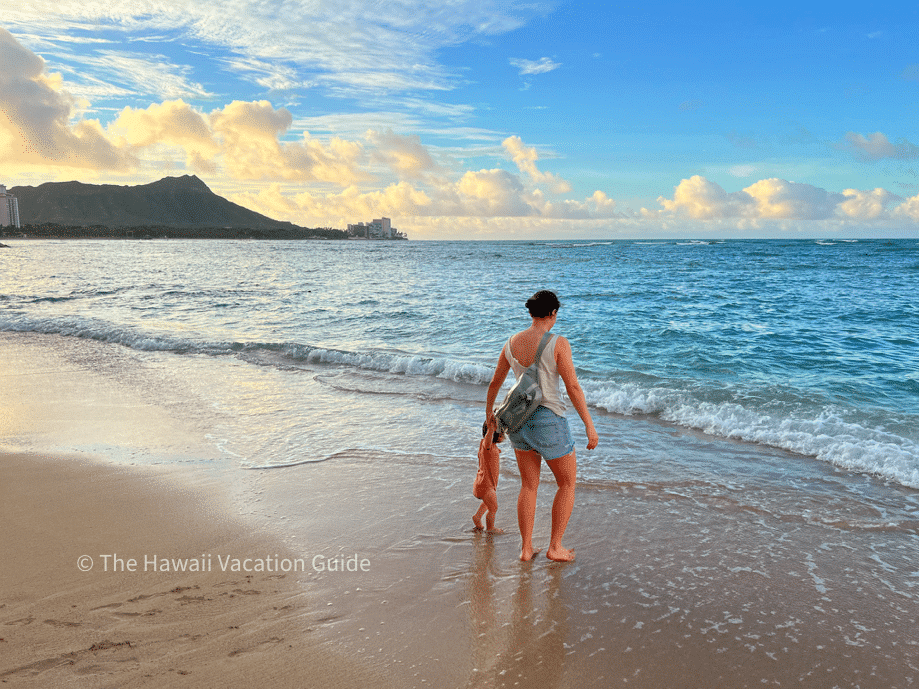
Pleasant Climate Conditions
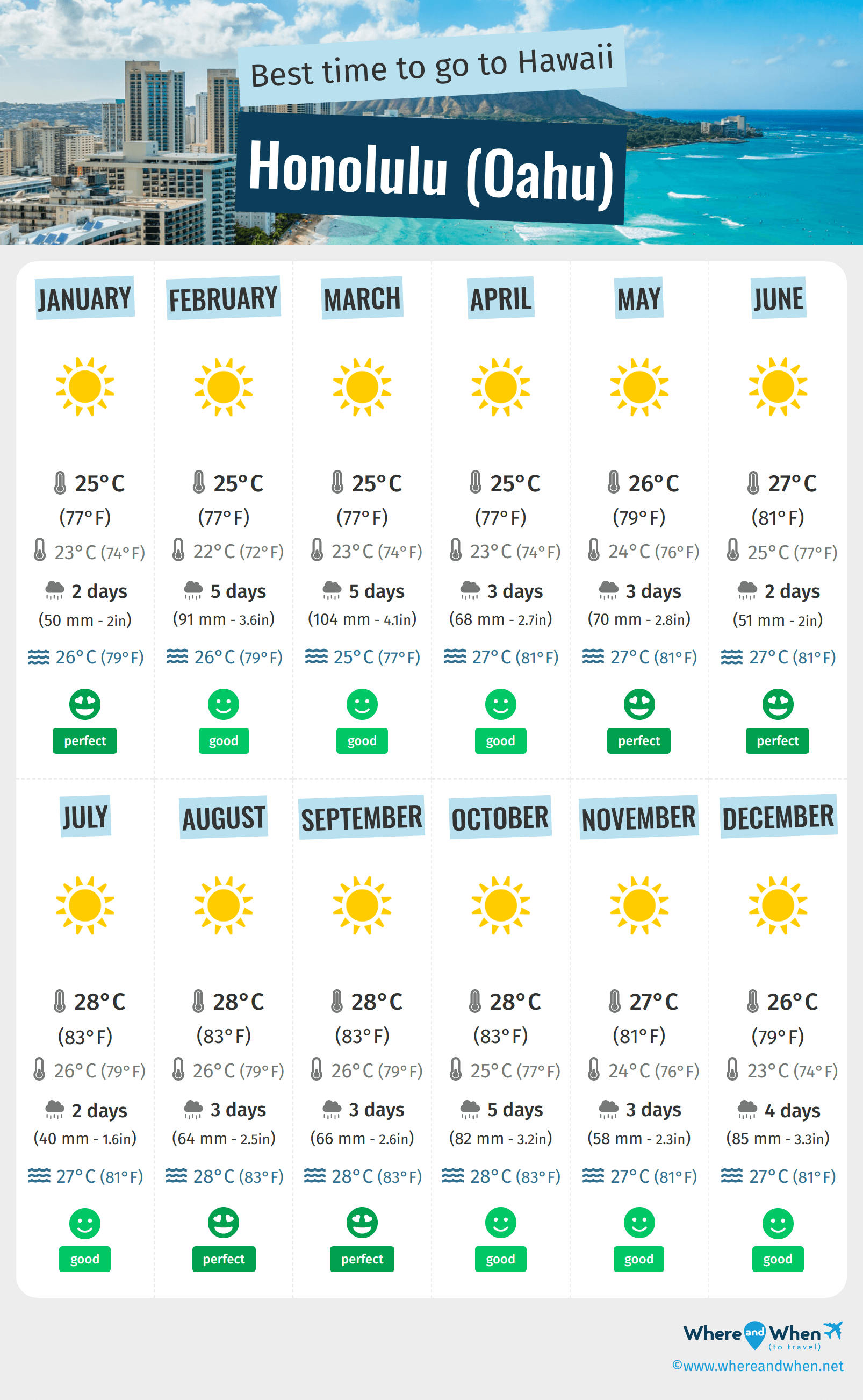
Hawaii experiences a tropical climate, meaning it’s generally warm and pleasant throughout the year. However, March falls within the drier season, which typically runs from April to October. This translates to lower humidity and less rainfall across most of the islands. While brief, localized showers are always possible in the tropics, March generally boasts abundant sunshine, making it perfect for outdoor activities.
The average temperatures in March hover in the comfortable mid-70s to low-80s Fahrenheit (around 24-28 degrees Celsius). The ocean temperatures are also refreshingly warm, typically in the mid-70s Fahrenheit, ideal for swimming, snorkeling, and surfing. This period avoids the more intense heat and humidity of the summer months and the slightly higher chance of rain in the winter. For those sensitive to extreme heat or humidity, March provides a wonderfully temperate environment to explore the islands’ natural wonders.
Navigating Tourist Crowds
The period immediately following the New Year holidays and preceding the spring break surge typically sees a dip in visitor numbers. While Hawaii is a perennially popular destination, March often offers a more relaxed experience compared to December and January, which are peak times for holidaymakers. This means potentially shorter wait times at popular attractions, easier access to sought-after restaurants, and a greater sense of tranquility as you explore beaches and natural sites.
The lull before the spring break crowds allows for a more intimate connection with the islands. You’re more likely to find secluded spots on beaches and experience the local rhythm of life without feeling overwhelmed by fellow tourists. This can be particularly appealing for travelers seeking a more authentic and less hurried Hawaiian experience.
Unveiling March’s Unique Offerings
Beyond the favorable weather and manageable crowds, March in Hawaii is punctuated by specific events and natural phenomena that enhance its allure, offering unique experiences that might be missed at other times of the year.
Whale Watching Season Peaks
March is a prime month for whale watching in Hawaii. The majestic humpback whales, which migrate from the colder waters of Alaska to breed and calve in Hawaii’s warm, protected waters, are at their most active during the winter months. Their migration typically begins in December and extends through April, with March often considered the peak of the season.
On islands like Maui, particularly along the West Maui coast and near the island of Molokai, sightings of these magnificent creatures are exceptionally common. Boat tours dedicated to whale watching depart from various harbors, offering unparalleled opportunities to witness mothers and calves playing, and bulls engaging in competitive displays. Even from shore, particularly from elevated viewpoints, it’s possible to spot the telltale blowholes and breaching of these gentle giants. This is a truly unforgettable natural spectacle that makes March a standout month for nature enthusiasts.
Cultural Festivals and Local Celebrations
While Hawaii celebrates its rich culture year-round, March often brings a variety of festivals and events that offer deep dives into the islands’ heritage. These celebrations provide visitors with authentic glimpses into Hawaiian traditions, music, dance, and cuisine.
For example, Merrie Monarch Festival, a world-renowned hula competition, is typically held in Hilo on the island of Hawaii in late March or early April. This prestigious event showcases the artistry and dedication of hula troupes from across the islands and beyond, celebrating the ancient and modern forms of this sacred dance. Attending the Merrie Monarch Festival offers an immersive cultural experience, highlighting the importance of hula in Hawaiian identity.
Throughout the month, various islands may host smaller community events, farmers’ markets brimming with local produce, and craft fairs. These occasions offer wonderful opportunities to interact with local artisans, taste regional delicacies, and learn more about the vibrant Hawaiian culture.
Island-Specific Considerations for March Travel
While March offers a generally excellent travel window across the archipelago, each island possesses its unique characteristics that can influence your decision. Understanding these nuances will help you choose the perfect island for your March Hawaiian escape.

Oahu: The Gathering Place
Oahu, known as “The Gathering Place,” offers a dynamic blend of city life, historical sites, and natural beauty. In March, the weather on Oahu remains consistently pleasant, with sunny days and comfortable temperatures. This makes it ideal for exploring world-famous beaches like Waikiki Beach, visiting historical landmarks such as Pearl Harbor, and hiking to the iconic Diamond Head crater for panoramic views of Honolulu.
The surfing conditions on Oahu‘s North Shore are typically calmer in March compared to the winter months, though skilled surfers might still find good waves. For beginners or those seeking gentler ocean activities, the south shore remains ideal. The cultural scene is also vibrant, with various live music performances and art exhibitions. The manageable crowds in March allow for a more relaxed exploration of the bustling city and its surrounding natural attractions.
Maui: The Valley Isle
Maui, often lauded for its romantic ambiance and stunning scenery, is particularly attractive in March. As mentioned, it’s a prime time for humpback whale watching, with the waters off West Maui teeming with these marine mammals. The island’s renowned beaches, like those in Ka’anapali and Wailea, offer sun-drenched relaxation and opportunities for water sports.
The scenic Road to Hana is less likely to be impacted by heavy rains in March, making the journey through lush rainforests and past cascading waterfalls more enjoyable. The famous sunrise at Haleakala National Park is another must-do, and March offers clear skies for a truly breathtaking spectacle. The island’s charming towns, such as Lahaina and Paia, are perfect for leisurely strolls and exploring local shops and restaurants.
Kauai: The Garden Isle
Kauai, the “Garden Isle,” is celebrated for its dramatic cliffs, verdant valleys, and pristine natural beauty. March weather on Kauai is generally favorable, with less rainfall than in the winter months. This allows for excellent exploration of its natural wonders.
The breathtaking Na Pali Coast can be explored via boat tours or helicopter rides, offering unparalleled views of its majestic sea cliffs and hidden beaches. Hiking opportunities abound, from the lush trails of Waimea Canyon (the “Grand Canyon of the Pacific”) to the coastal paths. The beaches, such as Poipu Beach and Hanalei Bay, are ideal for swimming, snorkeling, and simply soaking up the sun. The tranquil atmosphere of Kauai is amplified in March, offering a peaceful retreat for nature lovers.
The Island of Hawaii (Big Island): Volcanoes and Diverse Landscapes
The Island of Hawaii, affectionately known as the Big Island, presents an incredibly diverse range of landscapes, from active volcanoes to black sand beaches and lush rainforests. March offers a great window to explore these varied environments.
Hawaii Volcanoes National Park, home to the active Kilauea volcano, is accessible year-round, but March’s drier weather can enhance the experience of hiking and exploring the park’s unique geological features. The island’s diverse climate zones mean you can experience warmth on the Kona coast and cooler temperatures at higher elevations. Whale watching is also a possibility along the Kohala Coast. The island’s sheer size and variety mean there’s something for every traveler, and March provides ideal conditions for seeing it all.
Planning Your March Hawaiian Getaway
To make the most of your trip to Hawaii in March, a bit of strategic planning will ensure a seamless and memorable experience. From booking accommodations to packing appropriately, these tips will help you navigate your journey.
Booking Accommodations and Flights
As March generally falls outside the absolute peak seasons, you can often find more competitive pricing on flights and accommodations compared to the winter holidays or summer vacation months. However, it’s still advisable to book well in advance, especially if your travel dates coincide with spring break. Popular resorts on Maui and Oahu can still fill up quickly.
Consider booking your accommodations through reputable sites that offer a range of options, from luxury resorts like the Grand Hyatt Hotel to charming boutique hotels and vacation rentals. Flexibility with your travel dates, even by a few days, can sometimes lead to significant savings. Keep an eye on flight deals and consider setting up fare alerts.
Packing for the Tropics
The weather in March is typically warm and sunny, but it’s always wise to be prepared for a range of conditions. Lightweight, breathable clothing is essential, including shorts, t-shirts, and sundresses. Don’t forget a swimsuit, sun hat, sunglasses, and high-SPF sunscreen to protect yourself from the strong tropical sun.
While rain is less frequent in March, packing a light rain jacket or poncho is a good idea, especially if you plan to explore the rainforests of Kauai or Maui. Comfortable walking shoes or sandals are a must for exploring, and hiking boots might be necessary if you plan on tackling more strenuous trails. A light sweater or long-sleeved shirt can be useful for cooler evenings or for air-conditioned interiors.
Embracing the Aloha Spirit
The Aloha Spirit is more than just a greeting; it’s a way of life in Hawaii, encompassing love, peace, compassion, and respect. In March, with fewer crowds, you have a wonderful opportunity to truly immerse yourself in this spirit. Engage with local communities, be mindful of the environment, and approach your interactions with a sense of openness and gratitude. Learning a few basic Hawaiian phrases can also be a rewarding experience. Respecting the local culture and customs will undoubtedly enhance your journey and contribute to a more meaningful travel experience.
LifeOutOfTheBox is a participant in the Amazon Services LLC Associates Program, an affiliate advertising program designed to provide a means for sites to earn advertising fees by advertising and linking to Amazon.com. Amazon, the Amazon logo, AmazonSupply, and the AmazonSupply logo are trademarks of Amazon.com, Inc. or its affiliates. As an Amazon Associate we earn affiliate commissions from qualifying purchases.