
Florida, the Sunshine State, beckons millions of travelers each year with its pristine beaches, vibrant cities, and world-renowned attractions. From the magical theme parks of Orlando to the art deco splendor of Miami and the relaxed charm of the Florida Keys, it offers an unparalleled diversity of experiences. However, as cannabis laws continue to evolve across the United States, many visitors and prospective residents find themselves asking a crucial question: “Is marijuana illegal in Florida?” The answer, like much of the state’s landscape, is nuanced and requires careful understanding, especially for those planning their next trip or considering a long-term stay.
For anyone traveling to or living in Florida, comprehending the current legal framework surrounding marijuana is essential to avoid legal complications and ensure a smooth, enjoyable experience. The situation is not as straightforward as a simple “yes” or “no” because it involves distinctions between medical and recreational use, varying product types, and the interplay of state and Federal Law. This comprehensive guide aims to demystify Florida’s cannabis regulations, providing travelers and residents alike with the knowledge needed to navigate this evolving legal landscape responsibly, ensuring their focus remains on enjoying all the incredible travel, accommodation, and lifestyle opportunities the state has to offer.
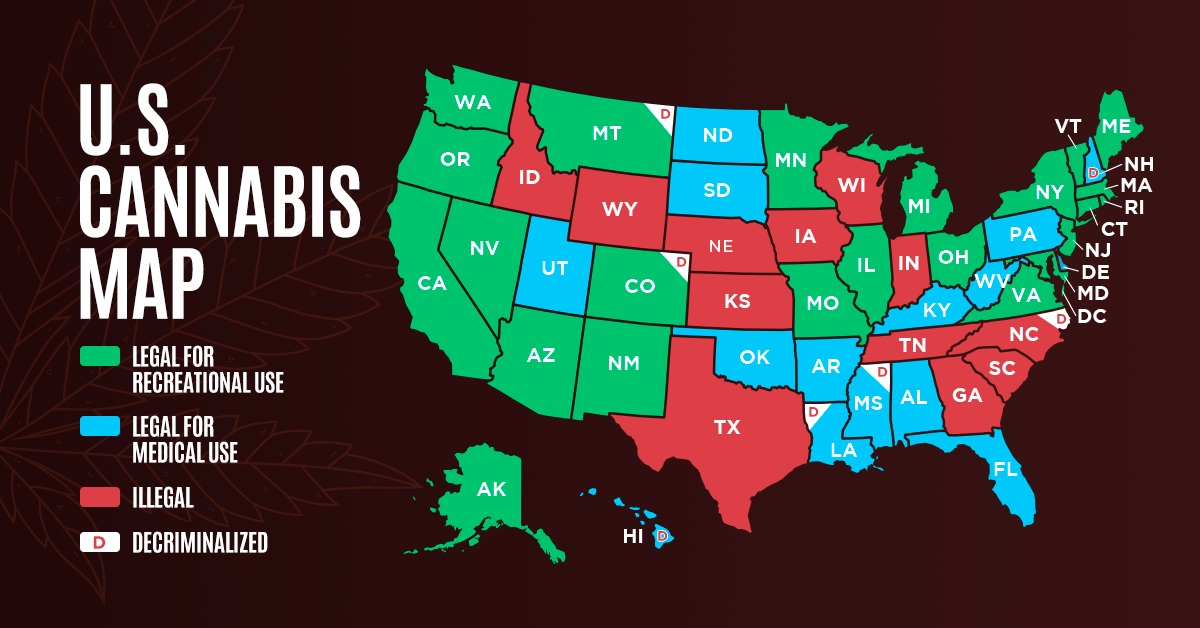
The Evolving Landscape of Cannabis in Florida
Florida has been at the forefront of cannabis reform in the Southeast, though its journey has been characterized by incremental steps rather than sweeping changes. Historically, marijuana was strictly prohibited, but the tides began to turn with the overwhelming public support for medical cannabis. Understanding the current state of affairs requires a clear distinction between medical and recreational use, as these two categories operate under entirely different legal frameworks. This distinction is crucial for travelers planning their itineraries, as well as for those seeking specific types of accommodation or aiming to partake in particular activities during their visit.
Medical Marijuana: A Path to Legal Access
In 2016, Florida voters overwhelmingly approved Amendment 2, legalizing medical marijuana for patients with specific debilitating conditions. This landmark decision paved the way for the establishment of the state’s medical cannabis program, overseen by the Office of Medical Marijuana Use (OMMU) within the Department of Health. Under this program, qualifying patients can obtain a medical marijuana card, allowing them to purchase and possess cannabis products from licensed dispensaries.
To qualify for a medical marijuana card, a patient must be a permanent or seasonal resident of Florida and be diagnosed with at least one of the state’s qualifying conditions by a certified physician. These conditions include cancer, epilepsy, glaucoma, HIV/AIDS, PTSD, ALS, Crohn’s disease, Parkinson’s disease, multiple sclerosis, or other comparable debilitating medical conditions. Once approved, patients can purchase various forms of medical cannabis, including edibles, tinctures, oils, vaporizers, and low-THC cannabis products. The program strictly regulates possession limits, which are typically based on a 70-day supply recommended by the physician.

For travelers, it’s important to note that Florida does not currently have medical marijuana reciprocity with other states. This means that a medical marijuana card from another state is not recognized in Florida. Consequently, visitors, regardless of their medical status elsewhere, cannot legally purchase or possess medical cannabis in Florida unless they become a qualifying patient and obtain a Florida medical marijuana card, which is generally not feasible for short-term tourism. This distinction is vital for those planning their travel experiences and considering health-related accommodations.
Recreational Marijuana: The Current Legal Standing
Despite the robust medical marijuana program, recreational marijuana remains illegal in Florida. Possession, sale, or cultivation of cannabis for non-medical purposes carries legal penalties, which can range from misdemeanors to felonies depending on the amount involved. Even small amounts of recreational marijuana can lead to significant fines, jail time, and a criminal record, which can have long-lasting implications for travel, accommodation bookings, and general lifestyle.
Possession of 20 grams or less is typically a misdemeanor, punishable by up to one year in jail and a $1,000 fine. Possession of more than 20 grams escalates to a felony charge, carrying much harsher penalties. These laws are strictly enforced across the state, from bustling urban centers like Tampa and Fort Lauderdale to the quieter coastal towns. For individuals looking to enjoy the diverse attractions and vibrant culture of Florida, understanding and respecting these prohibitions is paramount. While some local municipalities have adopted “cite and release” policies for minor possession offenses, these are local ordinances and do not change the underlying state law that recreational marijuana is illegal. Therefore, reliance on such policies would be a risky gamble for any traveler or resident.
Navigating Florida’s Cannabis Laws as a Visitor or Resident
Understanding the nuances of Florida’s cannabis laws is particularly critical for anyone visiting the state or considering making it their home. The implications extend beyond just the legal aspect, touching upon personal safety, travel planning, and the choice of accommodation. For those exploring destinations like Clearwater Beach or St. Petersburg, or perhaps engaging in business stays, awareness is key.
For Travelers: What You Need to Know Before Your Trip
Travelers to Florida must exercise extreme caution regarding cannabis. Even if you arrive from a state where recreational marijuana is legal, bringing it into Florida or purchasing it there without a valid Florida medical marijuana card is illegal. This includes cannabis products of any kind, whether flower, edibles, or concentrates. The risk of legal trouble is not worth jeopardizing your travel experience or facing criminal charges.
- Transportation: Crossing state lines with any form of cannabis, even medical, is a federal offense, as marijuana remains illegal under Federal Law. This applies to air travel, driving, and even boating. Avoid attempting to bring cannabis into Florida from other states.
- Public Consumption: Even for medical marijuana patients, public consumption is strictly prohibited. This means no smoking or vaping cannabis in public places, including beaches, parks, streets, or within the grounds of famous landmarks like Walt Disney World or Universal Studios Florida. Violating these rules can lead to fines and legal consequences.
- Federal Lands: Florida is home to several National Parks and federal properties, such as the Everglades National Park. On these lands, federal law takes precedence, making all forms of marijuana illegal, regardless of state medical marijuana laws. This is a crucial detail for travelers incorporating nature excursions into their trips.
- Purchase and Possession: Without a Florida medical marijuana card, purchasing or possessing any amount of cannabis (excluding legal CBD products, discussed later) for recreational use is illegal. Do not attempt to buy marijuana from illicit sources, as this can expose you to legal risks and potentially unsafe products.
For a hassle-free trip focused on Florida‘s unique attractions and experiences, the best advice for visitors is to completely abstain from marijuana. Focus on the stunning beaches, vibrant nightlife, delicious cuisine, and the myriad of activities that make Florida a top travel destination.
Accommodation and Cannabis: Hotel Policies and Your Stay
When planning your stay in Florida, whether in a luxury resort in Miami, a family-friendly villa in Orlando, or a boutique hotel in Key West, understanding accommodation policies regarding cannabis is essential. Even if you are a registered medical marijuana patient in Florida, hotels and other lodging establishments have the right to set their own rules.
- Smoking Policies: The vast majority of hotels and vacation rentals in Florida are non-smoking establishments. This policy almost universally extends to cannabis, even for vaporizing. Many properties enforce strict no-smoking policies in rooms, balconies, and common areas, with hefty cleaning fees for violations, often ranging from hundreds to over a thousand dollars.
- Discreet Consumption: If you are a medical marijuana patient, discreet consumption methods like edibles or tinctures might be permissible, but it’s always best to check directly with your chosen accommodation provider before consuming any product. Transparency is key to avoiding issues.
- Vacation Rentals and Apartments: Platforms for vacation rentals often have property-specific rules set by individual owners. Some might be more lenient, while others might explicitly forbid any cannabis use. Always review the terms and conditions carefully before booking and, if in doubt, contact the owner or property manager. For long-term stays, this becomes even more critical, impacting your lifestyle and potential lease agreements.
- Resorts and Luxury Travel: High-end resorts, often catering to families or business travelers, tend to be particularly strict about maintaining a family-friendly or professional environment. Their policies on cannabis use are typically zero-tolerance, aligning with their luxury travel branding.
- Amenities: Some hotels might offer cannabis-related amenities in states where it’s fully legal, but this is not the case in Florida. Expect no such services or allowances, even at hotels designed for a relaxed atmosphere.
For any traveler or resident, the safest approach is to assume that cannabis use, even medical, is generally prohibited within hotel rooms and common areas unless explicitly stated otherwise by the establishment. Respecting these policies ensures a smooth stay and avoids potential conflicts or additional charges.
Beyond THC: The Legality of CBD and Delta-8 Products
While the laws surrounding THC-rich marijuana are stringent, the cannabis market has diversified, introducing other cannabinoids that exist in a different legal space. For tourists and residents seeking the potential benefits of cannabis without the psychoactive effects or legal risks associated with THC, understanding these distinctions is vital for informed choices about wellness and lifestyle in Florida.
CBD: Widely Available and Legal
Cannabidiol (CBD) is a non-intoxicating compound found in the cannabis plant. Unlike THC, CBD does not produce a “high.” Following the 2018 Farm Bill, which federally legalized hemp and its derivatives, CBD products derived from hemp (containing less than 0.3% Delta-9 THC) became legal in the United States, including Florida.
This means that CBD products are widely available across Florida. You can find CBD oils, tinctures, edibles, topicals, and even CBD-infused beverages in health food stores, pharmacies, specialty CBD shops, and even some supermarkets. Many businesses catering to tourism, from wellness centers in Miami to souvenir shops near Orlando theme parks, openly sell these products. For travelers seeking relaxation or therapeutic benefits without legal concerns, CBD offers a fully legal alternative. When purchasing CBD, always ensure it is from a reputable source that provides third-party lab testing to confirm its THC content is below the legal limit and that it is free from contaminants.
Delta-8 and Other Hemp-Derived Cannabinoids: A Grey Area
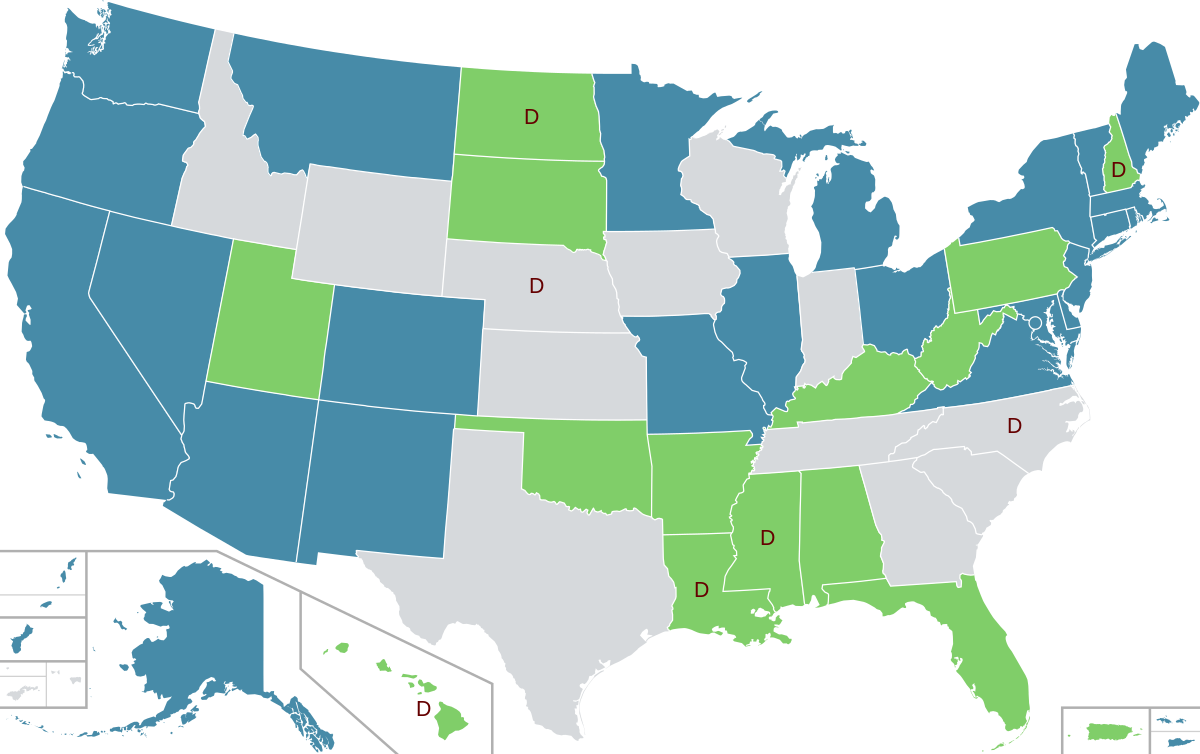
The rise of other hemp-derived cannabinoids, such as Delta-8 THC, Delta-10 THC, HHC, and THCa, has introduced a more complex “grey area” into Florida’s cannabis landscape. These compounds are typically derived from hemp and are chemically distinct from Delta-9 THC (the primary psychoactive component of marijuana), but they can produce intoxicating effects, albeit often milder than traditional Delta-9 THC.
Initially, due to the wording of the 2018 Farm Bill and subsequent Florida legislation on hemp, these cannabinoids were considered legal as long as their Delta-9 THC content remained below 0.3%. This led to a boom in shops selling Delta-8 products across Florida, from head shops in Tallahassee to tourist-heavy areas in Tampa.
However, the legal status of these products has been contentious and subject to ongoing legislative efforts. There have been proposals within the State Legislature to ban or severely restrict these “alt-noids” due to concerns about their intoxicating effects, lack of robust regulation, and potential appeal to minors. While they may still be found for sale, their legal future is uncertain, and consumers should be aware that laws could change rapidly. For visitors, it’s generally safer to avoid these products unless they are fully informed about the very latest local regulations, as enforcement can vary and the legal landscape is prone to sudden shifts. Prioritizing safety and legality is always the best travel tip.
The Future of Cannabis in Florida: What’s on the Horizon?
The narrative of cannabis in Florida is far from complete. The state continues to grapple with the tension between its conservative legislative tendencies and a growing public appetite for broader cannabis reform. This ongoing debate has significant implications for both residents and future visitors, shaping the lifestyle, tourism, and even accommodation sectors.
Currently, there are active movements to put recreational marijuana legalization on the ballot. Advocates for adult-use cannabis have been gathering signatures for proposed constitutional amendments that, if passed, would allow Floridians aged 21 and older to possess and use marijuana for non-medical purposes. These initiatives face significant hurdles, including legal challenges to ballot language and the high threshold for voter approval (60%). If such an amendment were to pass, it would dramatically alter the landscape, likely leading to the establishment of a regulated recreational market similar to those in other states. This would, in turn, influence tourism by potentially drawing a new demographic of travelers and impacting the types of activities and accommodations available.
Beyond ballot initiatives, the State Legislature frequently considers various bills related to cannabis, ranging from stricter regulations on hemp-derived products to adjustments in the medical marijuana program. These legislative efforts reflect the continuous evolution of public health, economic, and social considerations surrounding cannabis.
For anyone planning a trip or considering relocating to Florida, staying informed about these potential legislative and ballot changes is crucial. A shift to recreational legalization would undoubtedly influence travel guides, tourism experiences, and even the hospitality industry, potentially leading to cannabis-friendly accommodations or new types of attractions. However, until such changes are definitively enacted, the current laws — medical cannabis is legal for qualifying patients, recreational cannabis is illegal — remain in full effect.
In conclusion, while Florida offers a vast array of unforgettable experiences, from the sun-drenched beaches to the vibrant cultural hubs, understanding its specific and evolving cannabis laws is paramount. For visitors, the safest and most legally sound approach is to focus on enjoying the state’s natural beauty and attractions without engaging in recreational marijuana use. For medical patients, adhering strictly to the guidelines of the Florida OMMU program and respecting private property rules for consumption is essential. By staying informed and acting responsibly, everyone can ensure their time in the Sunshine State is truly golden and free from legal complications.
LifeOutOfTheBox is a participant in the Amazon Services LLC Associates Program, an affiliate advertising program designed to provide a means for sites to earn advertising fees by advertising and linking to Amazon.com. Amazon, the Amazon logo, AmazonSupply, and the AmazonSupply logo are trademarks of Amazon.com, Inc. or its affiliates. As an Amazon Associate we earn affiliate commissions from qualifying purchases.