
Florida, the Sunshine State, beckons millions of travelers each year with its pristine beaches, world-famous theme parks, vibrant cities, and unique natural landscapes. From the magical enchantment of Walt Disney World in Orlando to the bustling nightlife of Miami, the historic charm of St. Petersburg, and the laid-back vibe of Key West, there’s an endless array of experiences awaiting every visitor. As more states across the United States embrace various forms of cannabis legislation, a common question arises for both prospective tourists and those considering a longer stay: Is medical marijuana legal in Florida? And, perhaps more importantly, how do these laws impact travel, accommodation, and the overall lifestyle experience in this popular destination?
The short answer is yes, medical marijuana is legal in Florida for qualifying patients. However, the legal framework is stringent, distinct from states with recreational legalization, and comes with specific rules and regulations that travelers, residents, and those seeking accommodation options need to understand. Navigating this landscape requires careful attention to detail to ensure a smooth and enjoyable visit to the state known for its endless summer and diverse attractions.
Understanding Florida’s Medical Marijuana Laws
Florida’s journey into the realm of medical marijuana began with strong public support, leading to the establishment of a tightly regulated program. This program is a crucial aspect for anyone considering its implications for their travel or lifestyle in the state.
The Compassionate Use Act and Beyond
The path to medical marijuana legalization in Florida was largely paved by the Florida Medical Marijuana Legalization Initiative, Amendment 2, which was overwhelmingly approved by voters in 2016. This constitutional amendment authorized the use of marijuana for debilitating medical conditions, setting the stage for the creation of a comprehensive regulatory framework. Following the vote, the Florida Legislature enacted specific laws, most notably Senate Bill 8A, to implement the amendment, defining qualifying conditions, establishing patient registries, and regulating dispensaries.
The program is overseen by the Office of Medical Marijuana Use (OMMU), which operates under the Florida Department of Health. The OMMU is responsible for issuing patient and caregiver identification cards, licensing medical marijuana treatment centers (MMTCs), and maintaining the state’s Compassionate Use Registry. This centralized oversight ensures that all aspects of the medical marijuana program adhere to strict state guidelines, differentiating it significantly from the more relaxed environments found in states with recreational use.
Who Qualifies for a Medical Marijuana Card in Florida?
Qualifying for a medical marijuana card in Florida is a precise process that requires specific conditions and steps. Unlike some states where a doctor’s recommendation might be sufficient, Florida demands a robust doctor-patient relationship and a state-issued identification card.
To become a qualified patient, an individual must:
- Be a permanent or seasonal resident of Florida. This is a critical point for travelers, as it generally excludes out-of-state visitors.
- Be diagnosed by a qualified physician with one or more of the state’s qualifying medical conditions. These conditions include cancer, epilepsy, glaucoma, HIV/AIDS, PTSD, ALS, Crohn’s disease, Parkinson’s disease, multiple sclerosis, or other debilitating medical conditions of the same kind or class as those enumerated, as determined by a qualified physician.
- Be entered into the Compassionate Use Registry by their qualified physician.
- Obtain a Medical Marijuana Use Authorization Card from the OMMU.
The process involves an initial consultation with a qualified physician who has completed specific training requirements. The physician must determine that the medical use of cannabis would outweigh potential health risks for the patient. After the physician certifies the patient, an application is submitted to the OMMU for the official card. This structured approach underscores the medical, rather than recreational, intent of the program in Florida.
Permitted Forms and Dispensaries
Florida’s medical marijuana program allows for various forms of cannabis products, catering to different patient needs and preferences. Initially, smoking flower was prohibited, but this restriction was later lifted after legal challenges and legislative changes.
Currently, qualified patients can access:
- Edibles: A popular option, offering precise dosing and a smoke-free consumption method.
- Vaporization products: Cannabis oil for vape pens, allowing for rapid onset of effects without combustion.
- Tinctures: Liquid extracts typically administered sublingually.
- Topicals: Creams and balms applied to the skin for localized relief.
- Capsules and oral solutions: Convenient and discreet methods for consumption.
- Flower: Whole-flower cannabis for smoking or vaporization, available in sealed containers.
These products can only be purchased from licensed Medical Marijuana Treatment Centers (MMTCs), often referred to as dispensaries. These dispensaries are regulated to ensure product quality, safety, and compliance with state regulations. They are widespread across major cities and tourist hubs like Orlando, Miami, Tampa, and Jacksonville, making access relatively convenient for registered patients. However, strict purchasing limits are in place to prevent diversion and ensure patients receive appropriate dosages.

Navigating Medical Marijuana as a Traveler in Florida
For those planning a trip to Florida, understanding the nuances of its medical marijuana laws is paramount, especially if you are a patient in your home state. The rules around residency and card reciprocity are particularly important.
For Florida Residents with a Card
For Florida residents who hold a valid medical marijuana card, traveling within the state generally poses fewer issues. They can legally purchase and possess their prescribed medical cannabis products. However, specific guidelines still apply to ensure compliance:
- Possession Limits: Patients must adhere to the possession limits specified by their physician’s recommendation and state law.
- Safe Storage: Products should be kept in their original packaging, clearly labeled, and out of reach of minors.
- Transportation: When driving, medical marijuana should be stored in a secure, inaccessible area of the vehicle, such as the trunk, to avoid any perception of impairment while driving. While not explicitly illegal to have it in the cabin, exercising caution is always advisable.
- Public Consumption: Despite having a card, public consumption (smoking or vaping) of medical marijuana is generally prohibited. This includes common tourist areas, beaches, parks, and sidewalks.
Understanding these rules ensures that residents can enjoy their travels within Florida without encountering legal complications related to their medical cannabis use.

For Out-of-State Visitors
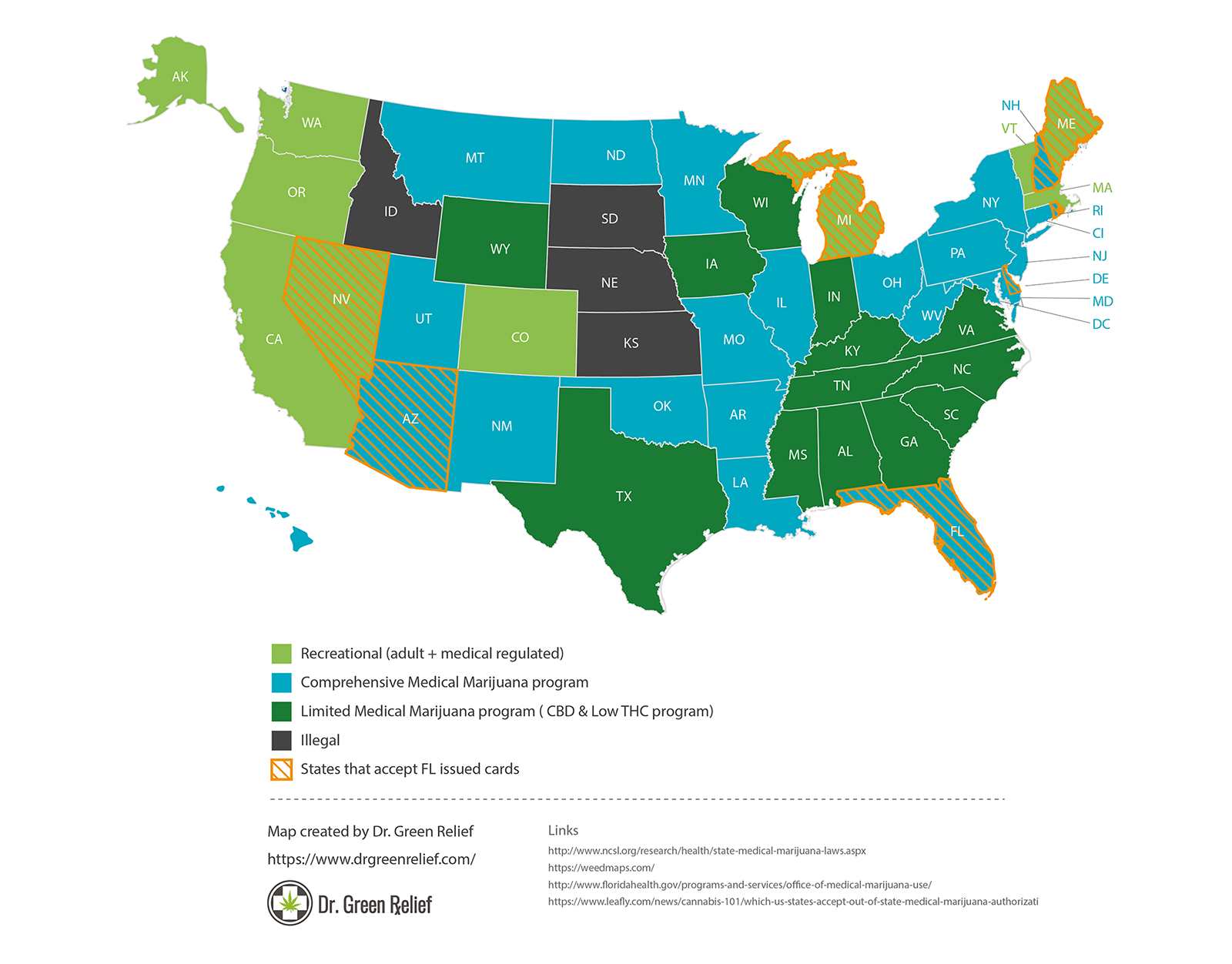
This is where the distinction becomes critically important for the majority of travelers. Florida does NOT offer reciprocity for out-of-state medical marijuana cards. This means that even if you possess a valid medical marijuana card from another state like California, Colorado, or New York, it will not be recognized in Florida. As such, you cannot legally purchase medical marijuana from Florida dispensaries or possess it within the state.
The only way for a non-Florida resident to potentially qualify for medical marijuana in the state is to establish “seasonal residency.” This typically requires living in Florida for at least 31 consecutive days each calendar year and demonstrating an intent to return, such as having a lease, utility bills, or a deed to property. For most tourists on short trips, meeting this requirement is simply not feasible. Attempting to bring medical marijuana from another state into Florida is illegal and carries significant risks, as you would be subject to Florida’s laws concerning illicit cannabis possession.
Transporting Medical Marijuana
Transporting medical marijuana, even for qualified Florida patients, presents a complex legal landscape due to the ongoing conflict between state and federal government laws. While medical marijuana is legal at the state level in Florida, it remains illegal under federal law across the United States.
- Air Travel: This is perhaps the riskiest form of transport. Airports and airspace fall under federal jurisdiction. The Transportation Security Administration (TSA) states that while their primary focus is on security threats, if they discover marijuana during screening, they are obligated to refer the matter to law enforcement. Even if flying between two states where medical marijuana is legal, crossing state lines or using federal airspace with cannabis remains a federal offense. Therefore, flying with medical marijuana, even with a valid Florida card, is strongly advised against.
- Driving Across State Lines: Similar to air travel, driving across state lines with medical marijuana is illegal under federal law. Even if you’re traveling from a state with legal medical cannabis to Florida (which doesn’t recognize your card) or vice-versa, you risk federal charges.
- Within Florida: For Florida residents with a card, transporting within the state by car is permissible, provided the products are securely stored, out of reach, and you adhere to possession limits. It’s always best to keep products in their original, sealed packaging with the dispensary label visible.
Given these complexities, travelers and residents must exercise extreme caution and adhere to the strictest interpretation of the law to avoid potential legal repercussions.
Medical Marijuana and Your Florida Vacation Experience
The presence of medical marijuana laws in Florida undoubtedly adds another layer of consideration for planning a vacation, impacting accommodation choices and how you experience the state’s many attractions.
Accommodation Policies
When it comes to accommodation, the rules around medical marijuana use are largely determined by individual property policies, even for registered patients.
- Hotels and Resorts: Most hotels and resorts in Florida maintain strict non-smoking policies, which often extend to vaping. While a non-smoking patient might use edibles or tinctures discreetly in their room, openly using or smoking medical marijuana is almost universally prohibited and can lead to fines, eviction, or even legal trouble. Always check with the specific hotel’s policy before booking, especially if you plan to use non-smokable forms of medical cannabis.
- Vacation Rentals (Apartments, Villas): Policies for apartments, villas, and other vacation rentals (booked via platforms like Airbnb or VRBO) vary widely. Some property owners may explicitly forbid any cannabis use, while others might be more lenient towards non-smoking forms for registered patients. It is crucial to review the rental agreement carefully and, if necessary, communicate directly with the owner or management company about their specific rules regarding medical marijuana use on their property. Transparency is key to avoiding misunderstandings or penalties.
- Long-Term Stays: For those considering a long-term stay in Florida, perhaps as a snowbird or for an extended business trip, understanding these accommodation rules becomes even more pertinent. If you plan to establish seasonal residency and obtain a Florida medical marijuana card, ensure your chosen accommodation aligns with your needs regarding discreet and legal consumption.
Public Consumption and Tourist Attractions
The prohibition on public consumption of medical marijuana is a steadfast rule in Florida that directly impacts tourists and residents alike. This means:
- No Public Smoking/Vaping: Smoking or vaping medical marijuana is strictly forbidden in public places, including beaches along the Atlantic Ocean or Gulf of Mexico, parks, sidewalks, restaurants, bars, and any federal property.
- Theme Parks and Attractions: World-renowned theme parks like Walt Disney World and Universal Studios Florida have zero-tolerance policies for cannabis use on their premises, regardless of medical status. Similarly, state parks, national parks (like Everglades National Park), and other public attractions strictly prohibit cannabis use due to federal law (on federal lands) or state law regarding public consumption.
- Cruise Ships: For travelers embarking on cruises from Florida ports, it’s vital to remember that cruise lines operate under strict maritime laws and often have their own comprehensive policies prohibiting cannabis on board, even if you possess a medical card. Furthermore, international waters and foreign ports of call will have their own distinct laws, and carrying cannabis can lead to severe penalties.
Essentially, for those with a Florida medical marijuana card, consumption is generally restricted to private residences or properties where the owner explicitly permits it and is used discreetly. For out-of-state visitors, any possession or use of cannabis remains illegal, irrespective of their medical status in their home state.
Avoiding Legal Pitfalls
To ensure a stress-free and enjoyable Florida experience, especially concerning medical marijuana:
- Educate Yourself: Be thoroughly familiar with Florida’s specific laws. Do not assume your home state’s rules apply.
- Don’t Bring It With You: If you are an out-of-state visitor, do not attempt to bring any cannabis products, medical or otherwise, into Florida.
- Maintain Discreet Use: If you are a qualified Florida patient, ensure your use is private and discreet, adhering to all public consumption bans.
- Verify Accommodation Rules: Always confirm the cannabis policy of your chosen hotel, resort, or vacation villa well in advance of your arrival.
- Understand Federal vs. State Law: Remember that federal law still classifies marijuana as an illegal substance, impacting travel through airports, national parks, and across state lines.
The Future Landscape: Recreational Marijuana and Tourism
While medical marijuana is firmly established in Florida, the conversation around recreational legalization continues to evolve, holding significant implications for the state’s tourism and lifestyle sectors.
Current Efforts and Potential Changes
Activists and organizations in Florida have consistently worked towards placing recreational cannabis initiatives on the ballot. One prominent effort, led by the Smart & Safe Florida campaign, successfully gathered enough signatures to put a recreational marijuana amendment before voters. The Florida Supreme Court has reviewed and approved the ballot language, clearing the way for a potential vote on recreational legalization.
If such an amendment were to pass, it would fundamentally change the landscape of cannabis in the state, potentially allowing adults 21 and older to possess and consume marijuana for non-medical purposes. This would require the state legislature to create a regulatory framework for sales, cultivation, and consumption, likely expanding the role of existing MMTCs to serve both medical and recreational markets.
What Recreational Legalization Could Mean for Florida Tourism
Should recreational marijuana become legal in Florida, the implications for tourism and the state’s broader economy could be substantial, drawing parallels with states like Colorado, California, and Nevada (Las Vegas).
- New Travel Niche: Florida could become a destination for “cannabis tourism,” attracting visitors specifically interested in exploring legal cannabis products and experiences. This could lead to the emergence of cannabis-friendly accommodations, tours, and events, adding another dimension to Florida’s already diverse tourism offerings.
- Economic Impact: Legalization would likely generate significant tax revenue for the state, which could be allocated to public services or further infrastructure development beneficial to tourists. It could also spur job growth in cultivation, retail, and hospitality sectors.
- Evolved Lifestyle: For residents and those considering long-term stays, recreational legalization would mean greater accessibility and fewer restrictions on personal use, subject to new state regulations. This would contribute to a more open and modern lifestyle atmosphere, mirroring trends seen in other progressive states and even countries like Canada or parts of Mexico.
- Challenges and Regulations: However, even with recreational legalization, Florida would likely implement its own set of rules regarding public consumption, impaired driving, and advertising, similar to how alcohol is regulated. Theme parks and family-oriented destinations would probably maintain strict prohibitions on use within their premises.
The prospect of recreational legalization remains a dynamic topic, but it holds the potential to significantly reshape how medical marijuana is perceived and integrated into the overall travel and lifestyle experience in Florida.
In conclusion, medical marijuana is indeed legal in Florida for qualified residents with a state-issued card, offering relief for a range of debilitating conditions. However, for the vast majority of tourists, particularly those from out of state, the current laws present strict limitations, including no reciprocity for out-of-state cards and federal prohibitions on transporting cannabis across state lines or through airports. Whether you’re planning a thrilling adventure to Orlando, a relaxing beach getaway, or a vibrant experience in Miami, understanding and adhering to Florida’s specific medical marijuana regulations is crucial for a compliant and enjoyable trip. As the state continues to evolve its cannabis policies, staying informed will be key to navigating this aspect of the Sunshine State experience.
LifeOutOfTheBox is a participant in the Amazon Services LLC Associates Program, an affiliate advertising program designed to provide a means for sites to earn advertising fees by advertising and linking to Amazon.com. Amazon, the Amazon logo, AmazonSupply, and the AmazonSupply logo are trademarks of Amazon.com, Inc. or its affiliates. As an Amazon Associate we earn affiliate commissions from qualifying purchases.