
The question of medical marijuana legality in Texas is a complex one, particularly for those accustomed to more liberal cannabis laws in other states or countries. For travelers planning a visit to the Lone Star State, or individuals considering a move for lifestyle reasons, understanding these regulations is paramount. While some form of medical cannabis is legal, Texas maintains one of the most restrictive programs in the United States, a nuanced approach that significantly impacts accessibility for patients and raises questions for tourism and accommodation providers alike. This article delves into the specifics of Texas’s medical marijuana laws, shedding light on what patients, residents, and visitors need to know when navigating this unique legislative landscape.
Navigating the Lone Star State’s Cannabis Landscape: The Texas Compassionate Use Program
Texas’s journey into medical marijuana began in 2015 with the enactment of the Texas Compassionate Use Program, commonly known as TCUP. Unlike broad medical marijuana programs found in states like California or Colorado, TCUP was initially designed with a highly limited scope, reflecting the state’s conservative stance on cannabis. Over the years, the program has seen some expansions, but it largely remains focused on low-THC cannabis products for a specific list of debilitating conditions.
The Genesis of TCUP: A Conservative Approach
When TCUP was first signed into law, it authorized the prescription of low-THC cannabis (defined as cannabis with no more than 0.5% tetrahydrocannabinol, or THC, by weight) for patients suffering from intractable epilepsy or other seizure disorders. This initial legislation was a significant step for Texas, yet it left many patient advocacy groups and individuals disappointed due to its narrow focus and the restrictive THC cap. The intent was clear: to provide a very specific, non-euphoric therapeutic option for severe neurological conditions, rather than a wide-ranging medical cannabis program.
The conservative genesis of TCUP meant that, for years, only a handful of patients qualified. The program explicitly excludes smokable forms of cannabis, recreational use, or even high-THC medical cannabis products that are common in other states. This distinction is crucial for anyone researching medical cannabis in Texas, as it immediately differentiates the state’s approach from those that have legalized full-spectrum medical or recreational marijuana. It underscores a cautious, evidence-based legislative strategy, where expansions have been incremental and condition-specific. The state’s Department of Public Safety oversees the Compassionate Use Registry, ensuring strict adherence to the program’s guidelines from both patients and dispensing organizations.
Eligibility and Covered Conditions: Who Qualifies?
Over subsequent legislative sessions, TCUP has seen modest but meaningful expansions to its list of qualifying conditions. As of recent updates, the program now covers:
- Epilepsy or other seizure disorders: The original qualifying condition.
- Multiple sclerosis (MS): A chronic disease affecting the brain and spinal cord.
- Spasticity: Often associated with conditions like MS or cerebral palsy.
- Autism: Including pervasive developmental disorders.
- Terminal cancer: With a life expectancy of less than one year.
- Incurable neurological diseases: Such as Parkinson’s or ALS, as determined by a physician.
To qualify for TCUP, a patient must be a permanent resident of Texas and be diagnosed with one of the listed conditions by a physician registered with the Compassionate Use Registry. Crucially, the physician must determine that the medical benefits of low-THC cannabis outweigh the risks. This means that a simple doctor’s recommendation is not enough; the prescribing doctor must be specially certified, and the patient’s information is then entered into a state registry that pharmacies use to verify eligibility.
This rigorous process ensures that access to medical cannabis in Texas is tightly controlled and medically supervised. The available products are typically in the form of oils, tinctures, or edibles, with THC content carefully regulated to remain below the 0.5% threshold. Patients cannot simply walk into a dispensary; they must have a valid prescription from a registered doctor, which is then filled by one of the state’s licensed dispensing organizations, such as Texas Original Compassionate Care, goodblend Texas, or Fluent. This system is designed to prevent recreational use and ensure the program serves its intended medical purpose.
Medical Marijuana and Texas Travel: What Visitors Need to Know
For those traveling to Texas, the state’s restrictive medical marijuana laws present a significant consideration. Unlike states where medical cards from other jurisdictions are recognized, or where recreational sales are permitted, Texas’s TCUP creates distinct challenges for visitors. Understanding these limitations is crucial for a hassle-free trip, whether you’re exploring the vibrant culture of Austin, the historic sites of San Antonio, or the bustling cityscape of Dallas and Houston.
Accessibility for Tourists: A Clear “No”
The most important takeaway for tourists and temporary visitors to Texas is that the Texas Compassionate Use Program is not accessible to non-residents. To qualify for a low-THC cannabis prescription under TCUP, an individual must be a permanent resident of Texas. This immediately disqualifies travelers from out-of-state or international visitors from legally obtaining medical marijuana within the state, even if they have a medical marijuana card from their home state or country, and even if their condition is on Texas’s approved list.
Furthermore, the transportation of cannabis across state lines, even from states where it is legal, remains a federal offense in the United States. This means that bringing medical marijuana (or any cannabis product) into Texas, regardless of its legality in the originating state, carries significant legal risks. Federal law enforcement agencies, including those at airports and border crossings, operate under federal statutes where cannabis is classified as a Schedule I controlled substance. Travelers found with cannabis products could face federal charges, which are far more severe than state-level infractions.
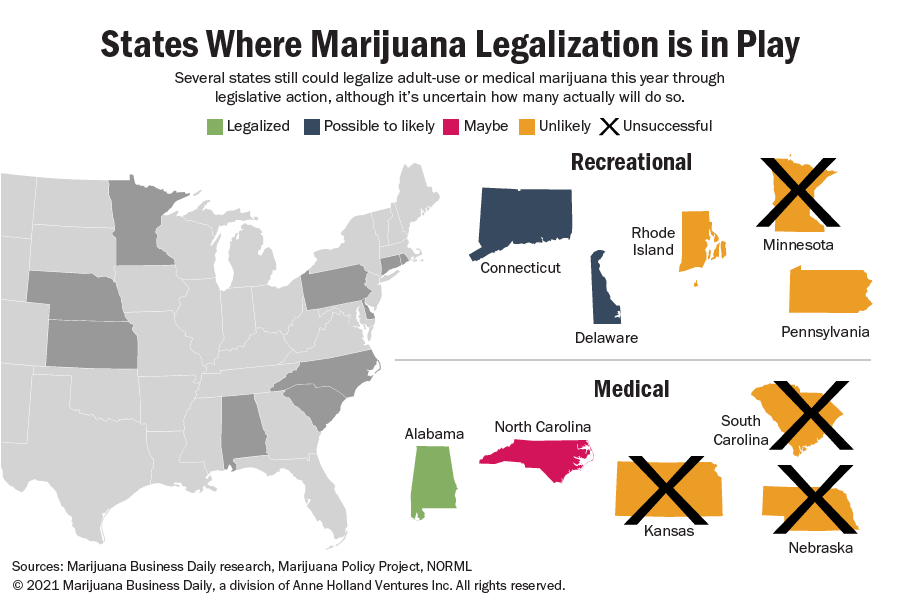
Therefore, for visitors, the advice is unequivocal: do not attempt to bring cannabis products into Texas, and do not expect to legally obtain medical marijuana while visiting. The state’s strict residency requirements and conservative approach mean that tourists needing cannabis for medical purposes should plan their travel to states with more accommodating laws, or seek alternative, non-cannabis-based treatments during their stay in Texas.
Accommodation Policies and Public Use: Planning Your Stay
Even if Texas had a more open medical marijuana program, visitors would still need to consider accommodation policies and public use laws. For the time being, these considerations are primarily relevant to permanent residents who are TCUP patients. However, they highlight a broader aspect of travel and lifestyle within the state.
Most hotels, resorts, apartments, and villas in Texas, like in many other states, maintain strict no-smoking policies, often extending to vaping. Since smokable forms of cannabis are illegal under TCUP, this primarily applies to the use of cannabis in any form (even edibles, if the smell or residue is detectable) on their premises. Guests caught violating these policies could face fines, immediate eviction, or even legal repercussions if the substance is illegal. For TCUP patients, using low-THC cannabis products in discreet forms like tinctures or edibles would generally not pose an issue with most accommodation providers, provided it doesn’t violate specific property rules regarding medication or controlled substances, and importantly, is not being consumed in a manner that disturbs other guests.
Public consumption of any cannabis product, regardless of its legal status under TCUP, is generally illegal and strongly discouraged throughout Texas. Law enforcement maintains a vigilant stance against public intoxication and illicit drug use. Even for those legally prescribed low-THC cannabis, discretion is key. Consumption should be limited to private residences, away from public view, and in a manner that adheres to all local ordinances and property rules.
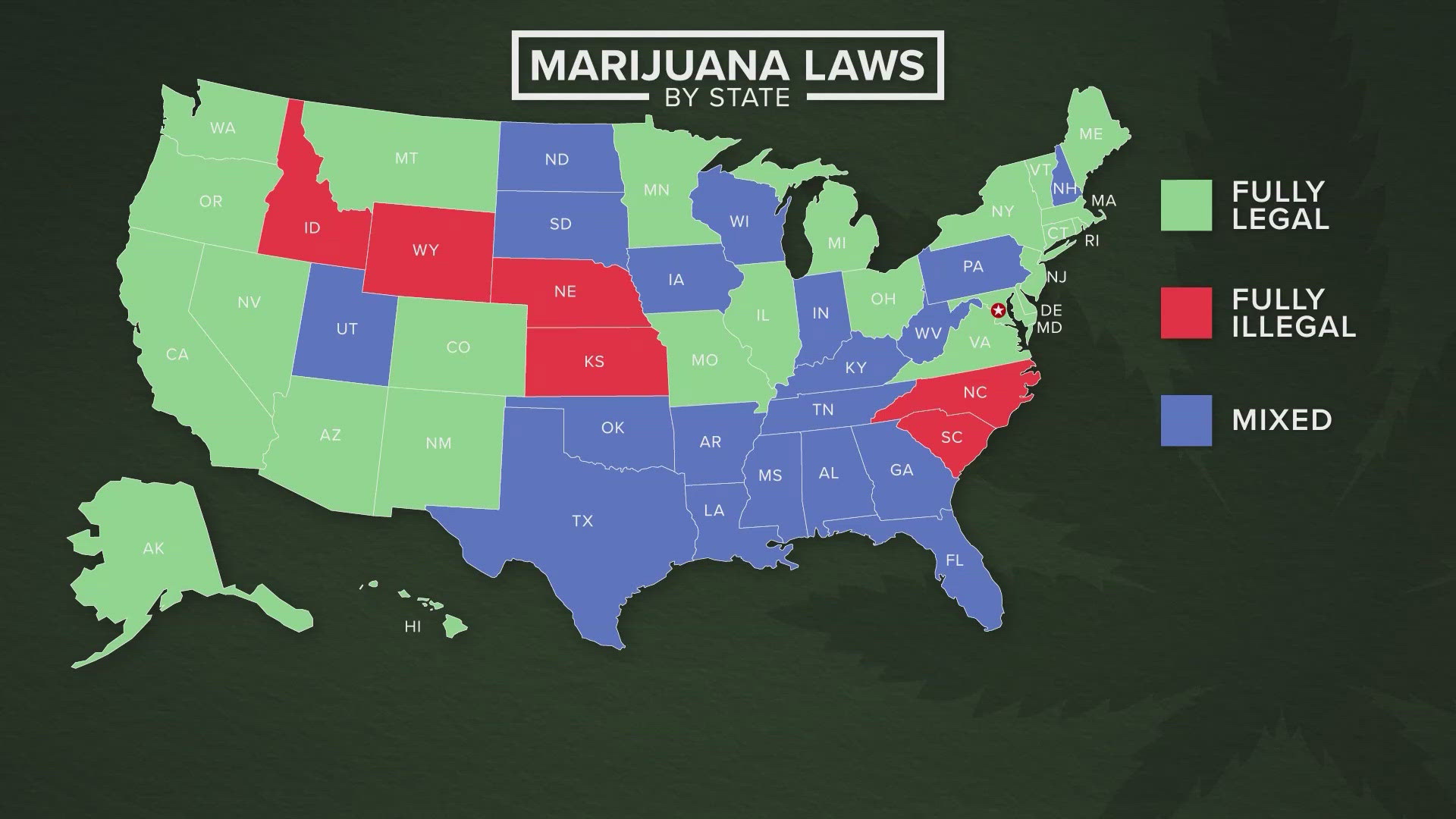
For travelers, this means that even if you legally obtained cannabis elsewhere, consuming it in public or within a rental property could lead to significant legal trouble. When planning your Texas trip, these regulations underscore the need to focus on the myriad other attractions the state offers, from its vibrant music scenes and culinary delights to its stunning natural landmarks like Big Bend National Park or the beaches of South Padre Island, without involving cannabis in your itinerary.
Lifestyle and Investment in Texas: Beyond the Medical Scope
The evolving legal status of medical marijuana in Texas extends beyond immediate patient access; it has broader implications for lifestyle choices, economic development, and the future of tourism within the state. As patient numbers grow and public opinion shifts, the conversation around cannabis in Texas touches upon everything from local culture and healthcare to potential new industries.
The Economic and Social Ripple Effect
While Texas’s medical marijuana program is narrow, it has nonetheless spawned a nascent industry within the state. Licensed dispensing organizations like Texas Original Compassionate Care, goodblend Texas, and Fluent operate under strict state regulations, cultivating and processing low-THC cannabis. These operations create jobs, contribute to the local economy, and establish a foundational infrastructure that could potentially support a larger cannabis market should laws evolve. For those interested in economic investment or career opportunities within the cannabis sector, Texas represents a challenging but potentially fertile ground, albeit one heavily constrained by current legislation.
The social impact is also significant. For thousands of Texas residents with debilitating conditions, TCUP offers a legal and regulated pathway to relief, improving their quality of life. This access, though limited, contributes to a broader understanding and destigmatization of cannabis as medicine. Patient advocacy groups continue to push for expansions, citing the benefits seen in states with more comprehensive programs.
Looking ahead, an expansion of TCUP or even decriminalization could open doors for new forms of tourism, particularly medical or wellness tourism. Imagine specialized resorts catering to patients, or unique “cannabis-friendly” accommodation options that comply with evolving regulations. States like Colorado and California have seen significant boosts to their tourism sectors from cannabis legalization, attracting visitors interested in exploring this aspect of local culture and lifestyle. While Texas is a long way from this scenario, the potential economic boon could become a powerful argument for future legislative changes. For now, however, Texas remains a destination focused on its traditional attractions, separate from cannabis-related tourism.
The Road Ahead: Future Legislation and Advocacy
The landscape of cannabis law in Texas is not static. Each legislative session brings new bills aimed at expanding TCUP, decriminalizing possession of small amounts of marijuana, or even moving towards full recreational legalization. Public support for broader cannabis reform has been steadily growing, mirroring national trends. Cities like Austin and Houston have even taken local action to reduce penalties for low-level marijuana possession, demonstrating a growing disconnect between local sentiment and state law.
Advocacy groups are continually working to educate lawmakers and the public about the medical benefits of cannabis and the economic opportunities associated with a more open market. Should Texas choose to expand its program, it would have profound effects on various aspects of life and travel. Increased access could lead to a surge in medical tourism, attracting patients from other conservative states. It could influence lifestyle choices for individuals and families considering relocation, particularly those prioritizing holistic health options.
For now, travelers and prospective residents must operate within the current framework. But the ongoing dialogue, coupled with the potential for future legislative shifts, makes Texas a state to watch in the evolving national conversation around cannabis. The unique blend of conservative policy and a burgeoning desire for reform positions Texas on a dynamic path, the trajectory of which will significantly shape its future as a travel destination and a place to live.
In conclusion, while medical marijuana is indeed legal in Texas, its availability is highly restricted through the Texas Compassionate Use Program. This program serves a specific, limited patient population with low-THC cannabis products and is strictly inaccessible to tourists or non-residents. For anyone planning a visit to the Lone Star State, it is crucial to understand these stringent regulations to ensure a lawful and enjoyable experience. As Texas continues to evolve, the future of cannabis legality remains a dynamic issue with significant implications for healthcare, tourism, and the overall lifestyle of the state.