
Florida, the Sunshine State, is renowned for its pristine beaches, vibrant theme parks, and a diverse array of attractions that draw millions of visitors each year. From the bustling energy of Miami to the tranquil beauty of the Florida Keys, and the family-friendly fun of Orlando, there’s something for every type of traveler. Whether you’re seeking luxury resorts, budget-friendly stays, family adventures, or sophisticated business accommodations, Florida offers it all. But for some travelers, a specific question arises: how does the state’s legal landscape regarding medical cannabis impact their visit?
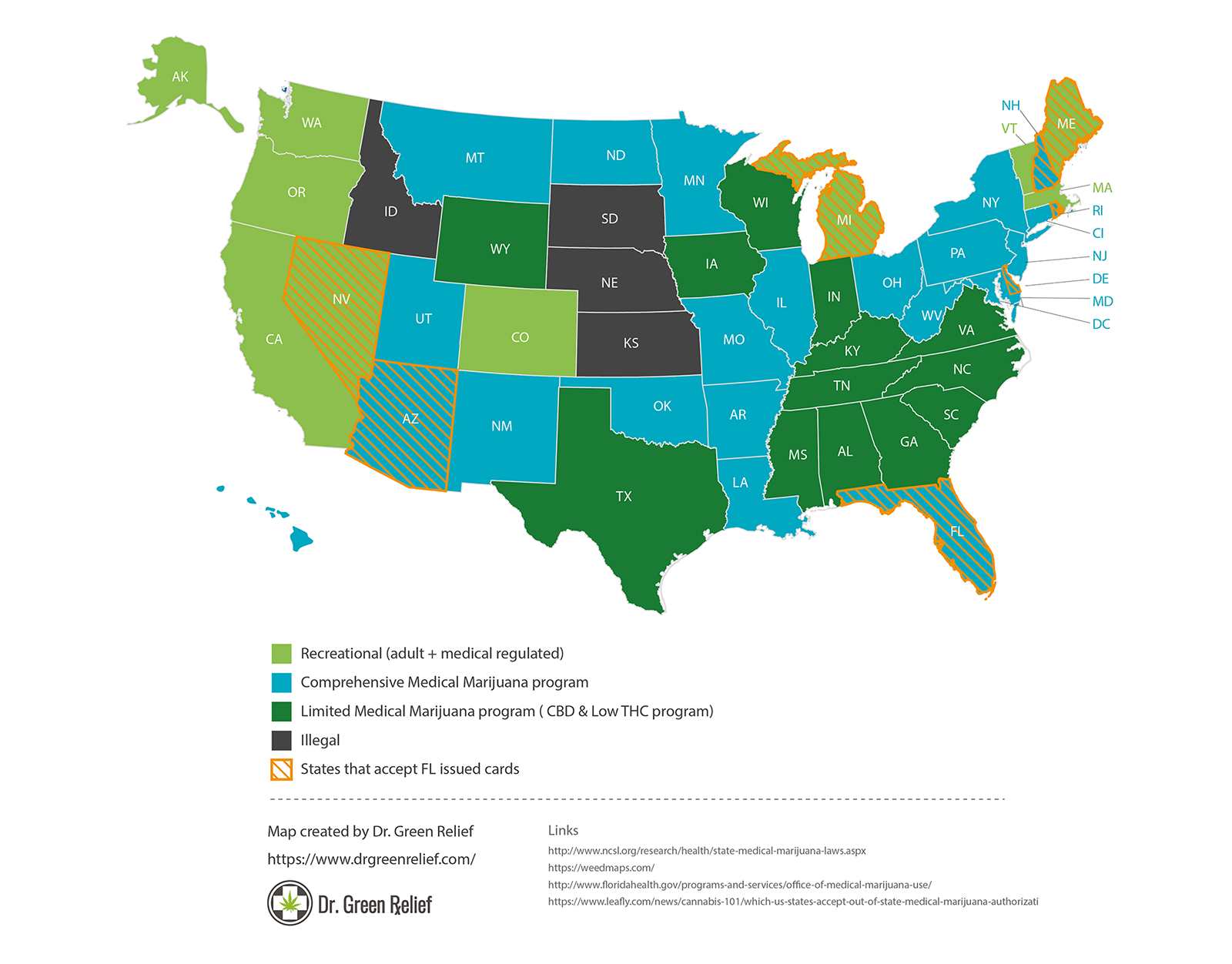
This guide aims to provide clarity for those wondering about the legality of medical marijuana in Florida, focusing on how it might relate to your travel experience. We’ll explore the current regulations, what you need to know if you are a qualified patient, and how these laws are generally applied to tourists and residents alike. Understanding these nuances can help ensure a smooth and informed trip to this popular destination.
Navigating Florida’s Medical Marijuana Laws for Travelers
Florida has a well-established medical marijuana program, allowing qualified patients to access cannabis for therapeutic purposes. For travelers, understanding the basic framework of these laws is crucial, especially if you are a registered patient in another state or considering obtaining temporary access.
The Legal Framework of Medical Marijuana in Florida
In 2016, Florida voters overwhelmingly approved Amendment 2, which legalized medical marijuana for a broad range of debilitating medical conditions. This amendment was later codified into law by the Florida Legislature. The program is overseen by the Florida Department of Health (FDOH), which establishes the rules and regulations for patient registration, physician certification, and the operation of medical marijuana treatment centers (dispensaries).
To be eligible for a Florida Medical Marijuana Use Registry (MMUR) identification card, an individual must:
- Be a permanent resident of Florida.
- Have a qualifying medical condition as defined by state law.
- Be evaluated by a qualified Florida-licensed physician who has completed the required medical marijuana course.
The list of qualifying conditions is extensive and includes, but is not limited to, cancer, glaucoma, epilepsy, chronic pain, muscle spasms, ALS, and HIV/AIDS. The law also allows for physicians to recommend cannabis for other conditions they believe would benefit from its use.
Qualifying Medical Conditions and Physician Certification
The process for obtaining medical marijuana in Florida for residents involves a thorough evaluation by a certified physician. This physician will assess the patient’s medical history and determine if their condition meets the state’s criteria. If it does, the physician can then submit a certification to the FDOH, which allows the patient to apply for their MMUR card. Once the card is obtained, patients can purchase low-THC cannabis or full-strength medical marijuana products from licensed dispensaries.
The types of products available typically include tinctures, capsules, edibles, topicals, and smokable flower, all of which are regulated for quality and safety by the state. The law specifies possession limits and dictates how medical cannabis can be administered.
Medical Marijuana Reciprocity for Out-of-State Patients
A common question for visitors to Florida is whether their medical marijuana card from another state will be honored. As of now, Florida does not have a formal medical marijuana reciprocity program. This means that if you are a registered medical cannabis patient in a state other than Florida, your out-of-state identification card is generally not recognized.
This presents a challenge for patients who are traveling to Florida for an extended period and rely on medical cannabis for their treatment. While possessing medical cannabis obtained legally in another state is still a complex issue under federal and state laws, attempting to purchase it in Florida without a Florida MMUR card is not permissible.
Temporary Access and Florida’s MMUR Card
For individuals who are not Florida residents but have a qualifying condition and plan to stay in the state for an extended period, obtaining a temporary Florida MMUR card is not currently an option. The program is strictly designed for permanent residents.
This means that if you are visiting Florida for a vacation, even if you have a medical marijuana prescription or card from your home state, you will not be able to legally purchase medical cannabis from a Florida dispensary.

Important Considerations for Travelers:
- Possession of Out-of-State Medical Marijuana: While Florida has legalized medical marijuana, possessing cannabis purchased in another state is still subject to federal and state laws, which can be stringent. It is generally advisable to avoid bringing any cannabis products into Florida.
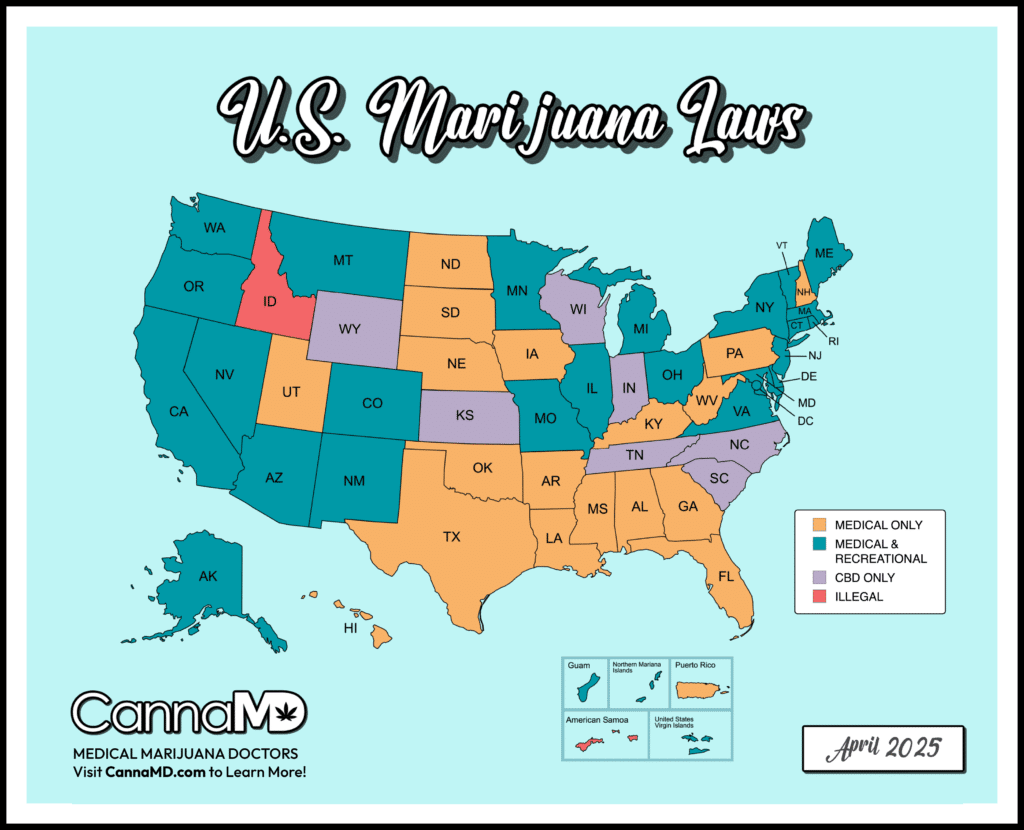
- Recreational Marijuana: As of my last update, recreational marijuana is not legal in Florida. Possessing or using marijuana without a valid Florida MMUR card, regardless of its intended use, can lead to legal penalties.
- Discreet Consumption: Even for registered patients in Florida, public consumption of medical marijuana is prohibited. It is essential to be aware of and adhere to the state’s laws regarding where and how medical cannabis can be used. This typically means consumption should be limited to private residences.
What Does This Mean for Your Florida Vacation?
For most tourists visiting Florida for typical vacation lengths (a few days to a couple of weeks), the state’s medical marijuana laws are unlikely to directly impact their experience. The focus of tourism in Florida is, and remains, on its natural beauty, entertainment venues, and diverse cultural offerings.
Whether you are planning a family trip to visit Walt Disney World and Universal Orlando Resort, exploring the art deco district of Miami Beach, or enjoying the luxury accommodations in places like Palm Beach, your travel plans can proceed as usual. The legal status of medical cannabis does not generally interfere with the enjoyment of these attractions or the availability of various hotel options, from charming boutique hotels to sprawling resorts like the Ritz-Carlton Orlando.
For registered medical marijuana patients from other states visiting Florida, the primary takeaway is that you will not be able to access medical cannabis legally during your stay unless you meet the criteria for becoming a Florida resident and obtaining a local MMUR card, which is a more involved process. It is crucial to plan your health needs accordingly before your trip.
Traveling to Florida: Lifestyle and Accommodation Considerations
Florida’s appeal as a travel destination is undeniable, offering a vast range of experiences tailored to every budget and lifestyle. From the opulence of luxury travel to the practicalities of family trips and the efficiency of business stays, the state provides a comprehensive hospitality sector.
A Spectrum of Accommodations and Experiences
When planning your trip, the options for accommodation are as diverse as the state itself. You can choose from luxurious suites in South Beach high-rises, family-friendly resorts with extensive amenities in Clearwater, charming apartments in historic districts, or private villas offering secluded getaways. Websites and booking platforms compare numerous options, providing reviews and details on amenities ranging from private pools and spa services to kid’s clubs and pet-friendly policies.
Activities abound, catering to all interests. Nature lovers can explore the Everglades National Park, history buffs can delve into the past in St. Augustine, and thrill-seekers can find their adrenaline rush at world-renowned theme parks. Foodies can indulge in diverse culinary scenes, from fresh seafood along the coast to the distinct flavors of Tampa and Key West.
Lifestyle Travel in the Sunshine State
Florida caters to various travel lifestyles:
- Luxury Travel: Experience the high life in exclusive resorts like the Boca Raton Resort & Club, enjoy fine dining, and explore upscale shopping districts.
- Budget Travel: Discover affordable hotels, charming guesthouses, and plenty of free attractions like beaches and state parks. Many cities offer budget-friendly accommodation options and dining experiences.
- Family Trips: Florida is a perennial favorite for families, with its numerous theme parks, aquariums, and kid-focused resorts offering endless entertainment.
- Business Stays: Major cities like Jacksonville and Fort Lauderdale boast extensive business infrastructure, including convention centers and hotels equipped for corporate travelers.
The overarching message for travelers remains clear: Florida’s tourism industry is robust and accessible, offering a wealth of experiences irrespective of the state’s specific cannabis regulations for residents. The legal framework for medical marijuana is a specific aspect that primarily concerns Florida residents or those intending to establish residency, rather than the general tourist population.
Conclusion: Enjoying Florida Responsibly
Florida continues to be a premier destination for travelers seeking sun, fun, and a wide array of activities and accommodations. The state’s commitment to its booming tourism sector ensures that visitors from around the globe can enjoy its attractions, landmarks, and unique cultural experiences.
For those who are qualified medical marijuana patients from other states, it’s essential to be aware of Florida’s specific laws, which do not currently offer reciprocity. This means you will not be able to legally purchase or use medical cannabis in Florida without a valid Florida MMUR card, which is typically reserved for residents.
Always prioritize understanding and adhering to the local laws and regulations of any destination you visit. Florida offers a wealth of entertainment and relaxation without needing to engage with its medical marijuana program. Enjoy the beaches, explore the cities, indulge in the local cuisine, and make the most of your Sunshine State adventure!