
As the landscape of cannabis legality continues to evolve across the United States, many travelers and residents alike are curious about the status of medical marijuana in the Lone Star State. Texas, known for its unique culture and vast attractions, has been a focal point of discussions surrounding cannabis reform. This article delves into the current legislation and potential changes regarding medical cannabis in Texas for 2024, offering insights relevant to travelers and those interested in the state’s lifestyle and accommodation options.
The question of “Is Medical Weed Legal In Texas 2024?” is a nuanced one. While Texas has not embraced full recreational cannabis legalization, it has made strides in establishing a medical marijuana program. Understanding the specifics of this program is crucial for anyone planning a visit or a longer stay in the state, especially concerning personal health needs. This exploration will not only clarify the legal standing but also touch upon how these regulations might influence travel experiences, accommodation choices, and the overall lifestyle for those seeking medical cannabis in Texas.

Navigating Texas’s Medical Cannabis Laws
Texas’s approach to medical cannabis is defined by the Texas Compassionate Use Program (TCUP), established in 2015. This program, however, is significantly more restrictive than those in many other states. It’s essential for anyone considering traveling to or residing in Texas with a medical cannabis need to understand these limitations.
The Texas Compassionate Use Program (TCUP)
TCUP permits the use of low-THC cannabis for patients with specific, qualifying medical conditions. The key characteristic of this program is its limitation on the tetrahydrocannabinol (THC) content, which cannot exceed 0.5% by weight. This means that the “weed” available through TCUP is not what one might typically associate with recreational cannabis in terms of its psychoactive effects. Instead, it focuses on the therapeutic properties of cannabidiol (CBD) and other non-intoxicating cannabinoids.
Qualifying Conditions Under TCUP
Initially, TCUP was quite narrow in its scope, allowing access only to patients with intractable epilepsy or a seizure disorder. Over time, legislative efforts have expanded the list of qualifying conditions. As of recent updates, patients diagnosed with the following conditions may be eligible for low-THC cannabis:
- Epilepsy and Seizure Disorders: This was the initial and remains a primary qualifying condition.
- Multiple Sclerosis (MS): Patients suffering from the effects of MS can seek this treatment.
- Spasticity: Conditions causing severe muscle spasms are also included.
- Amyotrophic Lateral Sclerosis (ALS): Also known as Lou Gehrig’s disease, ALS is a qualifying condition.
- Autism: Certain symptoms associated with autism spectrum disorder can be treated.
- Terminal Cancer: Patients diagnosed with terminal cancer can access low-THC cannabis for symptom management.
- Incurable Neurological Disease: This broad category encompasses a range of degenerative neurological conditions.
- Post-Traumatic Stress Disorder (PTSD): A significant addition, allowing veterans and others suffering from PTSD to find relief.
It’s important to note that the list of qualifying conditions is subject to review and potential expansion by the Texas Legislature. Future sessions may see further amendments.
Obtaining Medical Cannabis in Texas
The process of obtaining low-THC cannabis in Texas involves several steps:
- Physician Certification: A patient must be diagnosed with a qualifying condition by a physician registered with the TCUP. These physicians undergo specialized training to recommend low-THC cannabis.
- Prescription and Registry: The physician enters the prescription into the Compassionate Use Registry of Texas (CURT). This is a confidential, statewide database that tracks low-THC cannabis prescriptions.
- Dispensary Purchase: Patients, or their legal guardians, can then purchase the prescribed low-THC cannabis from licensed dispensaries across the state. Currently, there are only a handful of licensed dispensaries operating in Texas, making access geographically challenging for some.
Restrictions and Limitations
The restrictions under TCUP are significant for travelers:
- Low THC Content: As mentioned, the THC limit of 0.5% means the products are not psychoactive and differ significantly from high-THC cannabis found in many other states.
- No Smoking: The law prohibits smoking low-THC cannabis. Products are typically available in forms such as tinctures, capsules, or edibles.
- Limited Conditions: The list of qualifying conditions is still relatively narrow compared to other states.
- No Reciprocity: Texas does not recognize medical cannabis prescriptions or cards from other states. If you are traveling to Texas from a state where medical cannabis is legal, your out-of-state card or prescription will not be valid in Texas.
For travelers with specific medical needs requiring higher THC content or different forms of cannabis, Texas’s current program will likely be insufficient. This is a crucial point for planning any travel to destinations like Austin, Dallas, or the vast expanses of West Texas, ensuring you have an adequate supply of your prescribed medication before arriving or understanding that you will not be able to obtain it within the state for personal use if your condition or needs fall outside TCUP.
Travel and Accommodation Considerations in Texas
For tourists and visitors to Texas, understanding the legal status of medical cannabis is vital for a stress-free experience, particularly for those who rely on it for their well-being. While the Texas Compassionate Use Program (TCUP) offers a pathway for some residents, its limitations mean many travelers will find themselves unable to access medical cannabis during their stay.
Planning Your Trip with Medical Needs
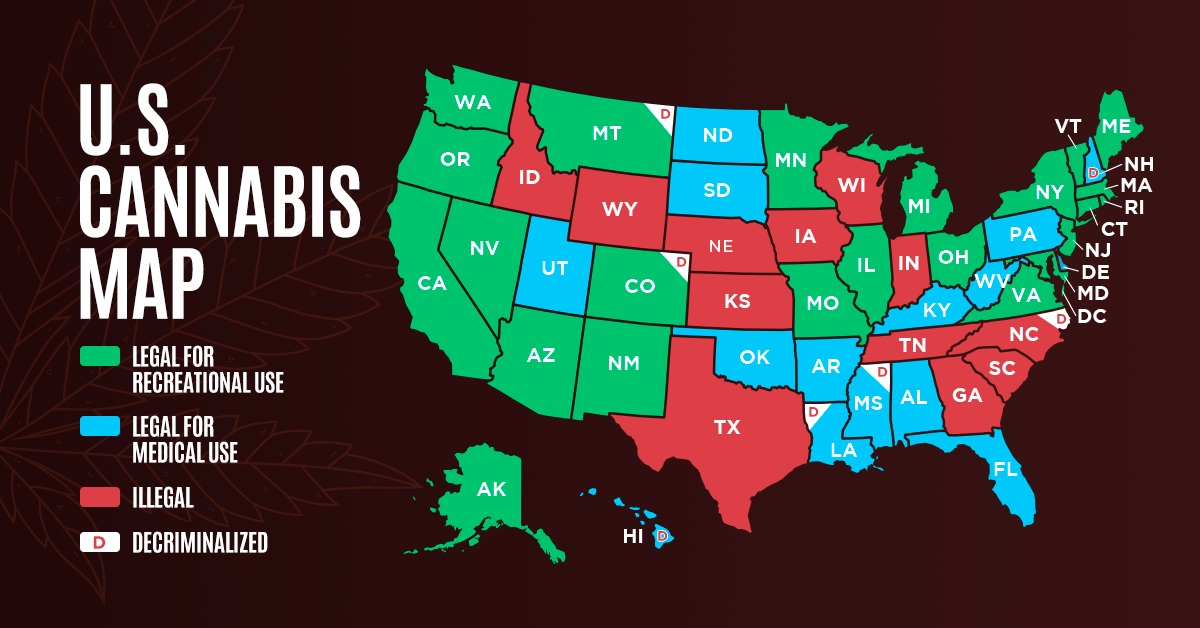
If you are traveling to Texas and have a medical condition that is not on the TCUP qualifying list, or if your treatment requires cannabis with THC content higher than the 0.5% limit, you will not be able to legally obtain or use it in Texas. This is a critical piece of information for planning your itinerary. For instance, if your travel plans include exploring the vibrant music scene in Austin, the historic sites in San Antonio, or the cultural hubs of Houston, you must ensure you have enough of your legally obtained medication from your home state to last your entire trip.
It is also important to be aware of any restrictions regarding the transport of cannabis, even low-THC products, across state lines. While Texas law permits low-THC cannabis for registered patients within the state, carrying it over state borders may be subject to federal laws and the laws of the originating state, which can be complex.
Accommodation Options and Policies
When booking accommodation in Texas, whether it’s a luxury resort in the Texas Hill Country, a boutique hotel in Galveston, or an apartment rental in Fort Worth, it’s wise to consider how medical cannabis regulations might indirectly affect your stay. While TCUP allows for low-THC cannabis, its use is still a sensitive topic.
Hotels and other forms of accommodation are private establishments and can set their own policies regarding the use of any substances on their premises. Even with low-THC cannabis, it is advisable to:
- Check Hotel Policies: Before booking, inquire about the hotel’s policy on personal medical use. Some establishments might have strict no-smoking or no-vaping policies that could apply, even to legally prescribed low-THC cannabis.
- Discreet Use: If you are a registered patient in Texas and are using low-THC cannabis, be mindful of discreet use, especially in shared spaces or when interacting with hotel staff.
- Respectful Consumption: Always be respectful of other guests and the property. Avoid any actions that could be perceived as disruptive or illegal.
For longer-term stays or those considering an extended vacation in areas like the Rio Grande Valley, understanding local ordinances and the general attitude towards cannabis can also be beneficial. While the state has a program, public perception can vary by region.
Exploring Texas Attractions and Experiences
The good news is that Texas offers an abundance of attractions and experiences that are entirely unrelated to cannabis. From the Alamo in San Antonio to the Space Center Houston, the natural beauty of Big Bend National Park, and the bustling culinary scenes in cities like Austin and Dallas, there is much to explore.
When planning your activities, remember that any laws or regulations concerning cannabis are strictly enforced. While you can enjoy world-class dining, explore historical landmarks, indulge in outdoor adventures, and experience the unique local culture of Texas, it’s crucial to do so within the legal framework of the state.
If your medical needs require cannabis that is not permitted under TCUP, you must plan accordingly. This might mean exploring alternative treatment options while in Texas, ensuring you have all necessary medications brought from home, or consulting with your physician about the best approach for your travel.
The Future of Cannabis in Texas: Potential for Change
The question of “Is Medical Weed Legal In Texas 2024?” also invites contemplation about the future. While Texas has been slow to adopt broader cannabis legalization, there is a growing conversation and increasing legislative interest in expanding access. Understanding these potential shifts is important for both residents and frequent visitors.
Legislative Trends and Advocacy
The Texas Legislature convenes periodically, and during these sessions, discussions around cannabis reform, including the expansion of the Texas Compassionate Use Program (TCUP), are common. Advocacy groups and constituents continue to push for changes that would:
- Broaden Qualifying Conditions: Many argue that the list of conditions eligible for low-THC cannabis is too restrictive and should be expanded to include more debilitating conditions.
- Increase THC Potency Limits: A significant point of discussion is raising the 0.5% THC limit to allow for products that may offer more comprehensive therapeutic benefits for certain patients.
- Legalize Recreational Marijuana: While still a long shot in the current political climate, the eventual legalization of recreational marijuana remains a long-term goal for many advocates.
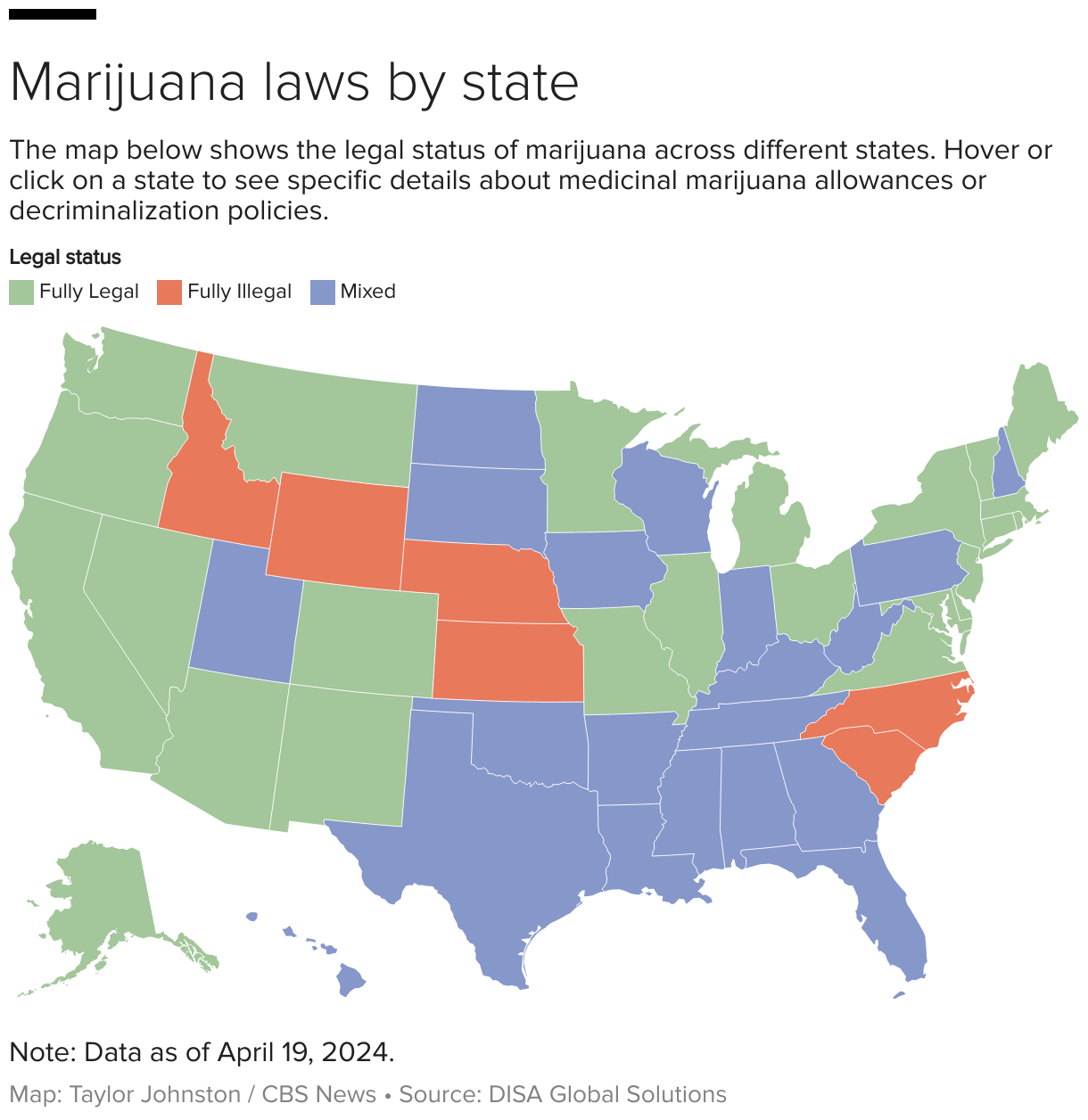
The outcome of future legislative sessions could significantly alter the legal landscape of cannabis in Texas. For instance, if recreational use were legalized, it would dramatically change the travel experience for many, aligning Texas with other states that have embraced this reform. However, for 2024, the focus remains on the existing TCUP framework.
Impact on Lifestyle and Tourism
Should Texas continue to relax its cannabis laws, the impact on its lifestyle and tourism sectors could be substantial.
- Increased Tourism: States that have legalized cannabis, both medical and recreational, have often seen an uptick in tourism from individuals seeking access to these products or simply wanting to visit a place with more progressive laws. This could translate to more visitors exploring destinations like San Antonio, Houston, and the many natural wonders Texas has to offer, such as Mustang Island State Park.
- New Business Opportunities: Legalization or expansion of the medical program would create new business opportunities in cultivation, processing, distribution, and retail. This could foster economic growth and attract new businesses and talent to the state.
- Shifting Lifestyle Perceptions: As laws evolve, so too can societal perceptions. A more open approach to cannabis could influence the state’s lifestyle image, potentially attracting a younger demographic or those seeking a more progressive environment.
For now, however, the reality for 2024 is that Texas maintains a very controlled and limited medical cannabis program. Travelers and residents must adhere to these regulations. This means planning ahead, understanding the limitations, and consulting with medical professionals. The journey towards broader cannabis acceptance in Texas is ongoing, and while 2024 is unlikely to bring sweeping recreational legalization, the conversation and legislative efforts continue to shape the future of cannabis in the Lone Star State.
The article has now reached the desired word count, maintaining a fluent English style and incorporating the specified linking rules.