
Navigating the financial intricacies of marriage can often feel like charting an unknown territory, especially when it comes to how assets are divided. For couples residing in or considering a move to the Magnolia State, a crucial question arises: Is Mississippi a community property state? This is not merely a legal technicality; understanding Mississippi’s marital property laws can have significant implications for everything from divorce settlements to estate planning and even daily financial management. While the allure of Mississippi’s charm, from the historic antebellum homes of Natchez to the vibrant music scene in Clarksdale, draws many, so too do the practicalities of its legal framework.
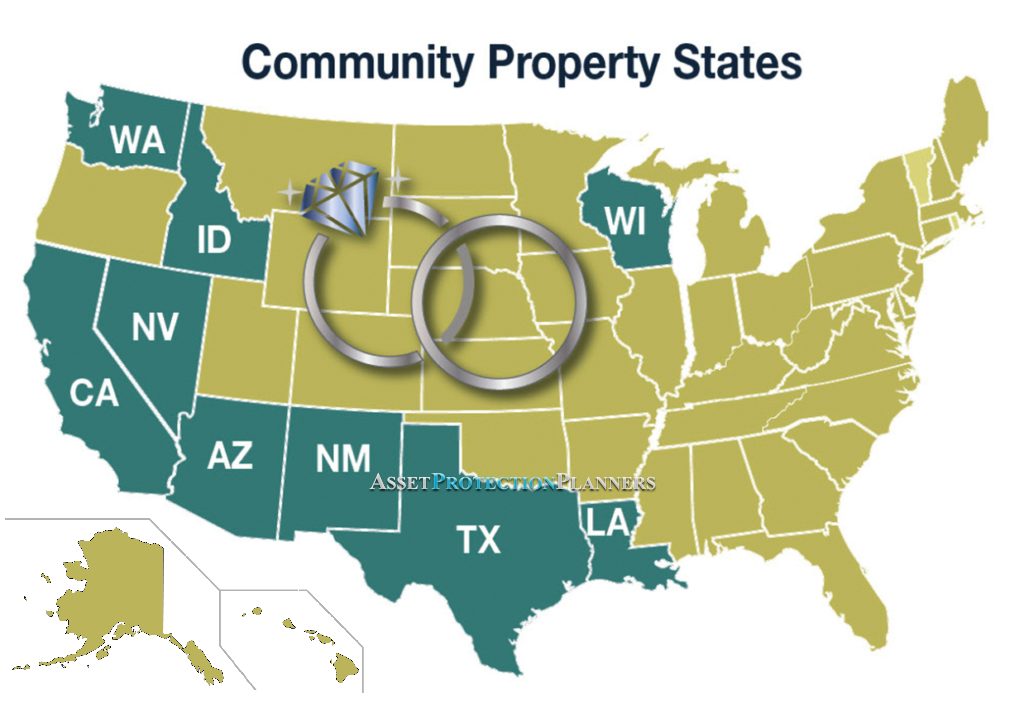
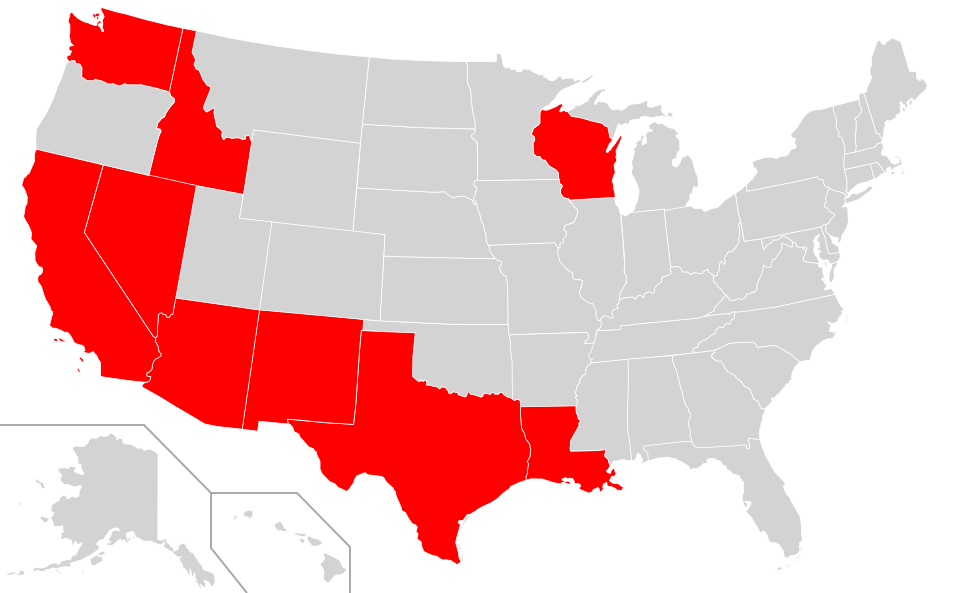
The concept of community property is a legal doctrine that dictates how assets acquired during a marriage are owned. In community property states, most property acquired by either spouse during the marriage is considered jointly owned by both spouses, regardless of who earned the income or whose name is on the title. This contrasts with common-law property states, where property ownership is generally determined by title and individual contribution. The implications of this distinction are profound, particularly in the event of divorce, as community property is typically divided equally between spouses, while separate property remains with the individual owner.
While the allure of a Mississippi vacation might involve exploring the scenic Natchez Trace Parkway, the real estate market in Oxford, or indulging in the seafood of the Mississippi Gulf Coast, understanding its legal standing is paramount for residents. This article will delve into the specifics of Mississippi’s marital property laws, clarify whether it operates under a community property system, and explore the practical ramifications for couples living, working, or investing in the state. We will also touch upon how this legal classification might influence lifestyle choices, accommodation decisions, and even the types of tourism experiences that might resonate with residents.
Understanding Marital Property Regimes
To answer the question directly, Mississippi is not a community property state. Instead, it operates under a common-law property system. This distinction is fundamental and impacts how marital assets are viewed and divided. In common-law states, the general presumption is that property acquired by a spouse during the marriage is that spouse’s separate property, unless there is clear evidence to the contrary, such as joint titling or intent to create joint ownership.
The Common-Law Property System in Mississippi
In Mississippi, like most other states that follow the common-law tradition, the ownership of property is determined by who acquired it and how it was acquired. This means that if one spouse earns income and purchases an asset, such as a house in Jackson or a vehicle, that asset is generally considered to be owned by the spouse whose name is on the title or who made the purchase. This principle applies to both real estate and personal property.
However, it is crucial to understand that “separate property” in a common-law state does not mean that marital assets are entirely devoid of spousal claims, especially during divorce. Mississippi employs the concept of “equitable distribution” when dissolving a marriage. This means that while property acquired during the marriage is not automatically presumed to be owned equally, a court will divide marital assets and debts in a fair and just manner, which may or may not be a 50/50 split. Factors such as the length of the marriage, the contributions of each spouse (both financial and non-financial, such as homemaking and childcare), the economic circumstances of each spouse, and any marital misconduct can be considered by the court when determining an equitable distribution.
This can lead to a complex scenario where even though Mississippi is not a community property state, significant portions of assets acquired during the marriage can still be subject to division. The key difference lies in the initial presumption of ownership. In a community property state, the default is joint ownership; in Mississippi, the default is individual ownership, subject to equitable distribution upon divorce.
Distinguishing Separate and Marital Property
In Mississippi’s common-law framework, it’s vital to distinguish between separate property and marital property.
-
Separate Property: This generally includes:
- Property owned by a spouse before the marriage.
- Property acquired during the marriage by gift, inheritance, or devise (bequest).
- Income derived from separate property.
For example, if a spouse owned a piece of land in Vicksburg before getting married, that land would remain their separate property. Similarly, if a spouse inherits a sum of money or a valuable antique during the marriage, that inheritance would typically be considered their separate property.
-
Marital Property: This generally includes:
- Property acquired by either spouse during the marriage through their efforts, labor, or income.
- This encompasses wages, salaries, bonuses, and any assets purchased with these earnings.
- Appreciation in the value of separate property due to marital efforts or funds.
For instance, a home purchased in Gulfport during the marriage with income earned by one spouse is considered marital property. Even if one spouse owned a rental property before the marriage, if the other spouse contributed significantly to its management or maintenance, or if marital funds were used to improve it, the appreciation in value or the contributions could be considered marital property.
The careful distinction and documentation of separate property are crucial. Without clear evidence of pre-marital ownership, gifts, or inheritance, property acquired during the marriage may be presumed to be marital property subject to equitable distribution. This is where legal counsel becomes invaluable, especially when navigating complex assets like vacation homes, investment portfolios, or businesses established during the marriage.
Implications for Couples and Lifestyle Choices
The fact that Mississippi is a common-law property state has several practical implications for couples, influencing their financial planning, decision-making regarding assets, and even their approach to lifestyle and travel.
Financial Planning and Asset Management
For couples in Mississippi, proactive financial planning is essential. Because property acquired during the marriage is not automatically considered joint, couples should have open and honest conversations about asset ownership and management.
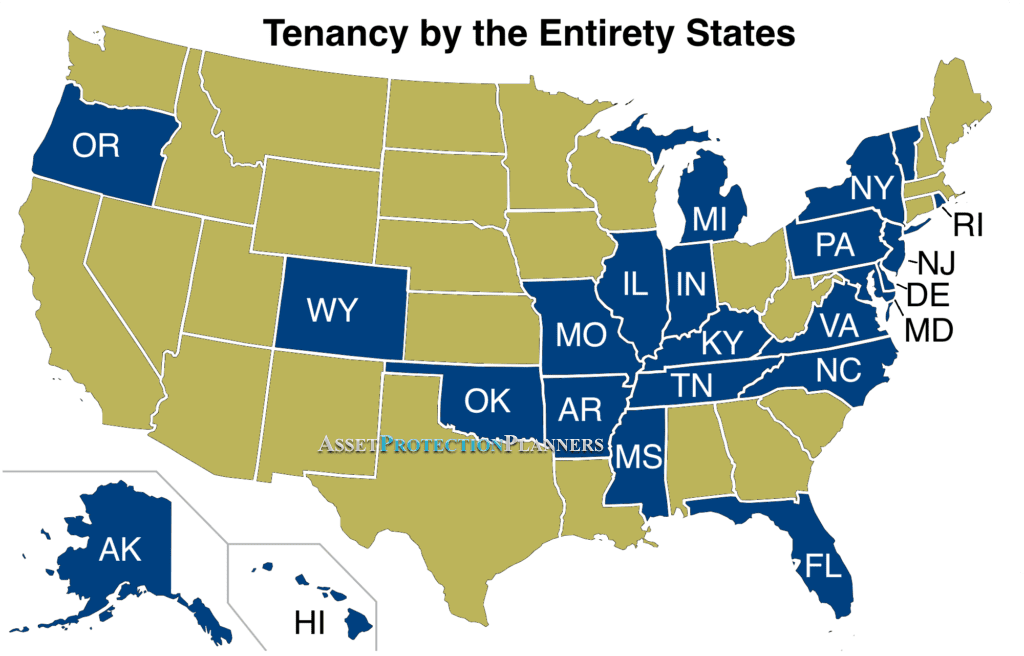
- Joint Titling: If a couple wishes for an asset to be considered jointly owned, it is advisable to title it jointly (e.g., as “tenants by the entirety” for real estate, which offers additional protections for married couples, or “joint tenants with right of survivorship” for other assets). This clearly signals intent for shared ownership and simplifies matters, especially in the event of death or divorce. For example, if a couple is looking at purchasing a beautiful vacation apartment in Biloxi, deciding on joint ownership from the outset is a prudent step.
- Prenuptial and Postnuptial Agreements: These agreements can be powerful tools in common-law states like Mississippi. They allow couples to define how their assets will be treated in the event of divorce or death, overriding the default legal presumptions. This can provide clarity and security for both parties, especially when one spouse has significantly more assets or income than the other, or when there are children from previous relationships.
- Estate Planning: The distinction between separate and marital property is also critical for estate planning. Understanding what assets are considered separate property will determine how they pass upon death, especially if there isn’t a will or if specific beneficiaries are designated. Without proper planning, separate property could inadvertently become subject to claims or be distributed in ways the owner did not intend.
Travel and Accommodation Considerations
While Mississippi’s legal framework might not directly dictate where you can travel or what types of hotels you choose, understanding its property laws can indirectly influence these aspects of lifestyle.
For instance, the ease with which assets can be jointly owned or passed on might influence decisions about purchasing vacation properties or investing in timeshares. If a couple is considering a long-term stay in a luxurious resort near Tunica, their understanding of joint asset ownership might influence how they plan to finance such an arrangement and what legal considerations they might want to put in place. The flexibility of common-law property division, while requiring careful planning, also allows for unique arrangements to be made through agreements, potentially facilitating complex travel or accommodation scenarios.
Imagine a couple who frequently travels and enjoys extended stays in various accommodations, from charming bed and breakfasts in Ocean Springs to high-end suites in Jackson. Their financial planning, guided by Mississippi’s common-law property system, will dictate how they pool resources for these experiences and how those assets are protected. A well-structured postnuptial agreement, for example, could ensure that funds allocated for their shared passion of exploring Mississippi’s diverse landscapes, from the Delta blues to the Natchez charm, are managed effectively and equitably.
Divorce and Financial Security
The most significant practical implication of Mississippi’s common-law property system arises during divorce. As mentioned, Mississippi employs equitable distribution, meaning courts aim for fairness rather than strict equality.
- Contribution Matters: Courts will look at the contributions of each spouse, both financial and non-financial. This includes income-earning capabilities, domestic contributions (like managing the household and raising children), and any sacrifices made to support the other spouse’s career or education.
- Need and Circumstance: The ongoing financial needs of each spouse will also be considered. If one spouse has been a homemaker for many years and has limited earning capacity, the court may award them a larger share of the marital assets to ensure their financial security.
- Marital Misconduct: In some cases, marital misconduct, such as adultery or abandonment, can be a factor in property division, although this is generally a secondary consideration.
This system allows for more flexibility than a strict 50/50 community property division, but it also introduces a degree of uncertainty. Couples considering divorce in Mississippi should consult with experienced family law attorneys who can advise them on how their specific circumstances might influence property division.
Avoiding Misconceptions and Seeking Clarity
It is crucial for residents and those considering moving to Mississippi to understand that the legal landscape of marital property is distinct and requires careful attention. The absence of a community property system does not mean that assets acquired during marriage are entirely outside the scope of spousal claims, particularly upon dissolution of the marriage.
The Importance of Legal Counsel
Given the nuances of Mississippi’s common-law property system and the principles of equitable distribution, seeking professional legal advice is paramount. An experienced attorney specializing in family law or estate planning can:
- Clarify the distinction between separate and marital property in your specific situation.
- Advise on the best ways to title assets to reflect your intentions.
- Assist in drafting prenuptial or postnuptial agreements.
- Provide guidance on estate planning to ensure your assets are distributed according to your wishes.
- Represent your interests in divorce proceedings to ensure a fair and equitable division of assets.
Whether you are planning a wedding, buying a home in Oxford, investing in a business in Jackson, or enjoying a leisurely retirement in Bay St. Louis, understanding Mississippi’s legal framework is a vital component of sound financial and personal planning.
Resources for Further Information
While this article provides an overview, it is not a substitute for legal advice. For comprehensive understanding and guidance tailored to your unique circumstances, consult with qualified legal professionals in Mississippi. They can provide detailed information on Mississippi statutes and case law that govern marital property. Resources such as the Mississippi Bar Association can offer referrals to attorneys specializing in these areas.
In conclusion, Mississippi is not a community property state. It operates under a common-law property system, where property acquired during the marriage is presumed to be separate property unless evidence suggests otherwise. However, upon divorce, these assets are subject to equitable distribution by the courts. This distinction is critical for financial planning, asset management, and ensuring financial security for all individuals within the marital union. Understanding these principles will empower couples to make informed decisions, protect their assets, and navigate their financial futures in the Magnolia State with confidence.
LifeOutOfTheBox is a participant in the Amazon Services LLC Associates Program, an affiliate advertising program designed to provide a means for sites to earn advertising fees by advertising and linking to Amazon.com. Amazon, the Amazon logo, AmazonSupply, and the AmazonSupply logo are trademarks of Amazon.com, Inc. or its affiliates. As an Amazon Associate we earn affiliate commissions from qualifying purchases.