
The question “Is Moana from Hawaii?” is one often asked by fans of Disney’s beloved animated film. While the lush landscapes, vibrant culture, and oceanic setting of the movie bear a striking resemblance to the paradise many associate with Hawaii, the truth is a little more nuanced and deeply rooted in a broader tapestry of Pacific island cultures. The film itself goes to great lengths to represent the rich and diverse heritage of Polynesia as a whole, rather than pinpointing a single island nation. For anyone with a love for travel, local culture, and breathtaking natural beauty, understanding Moana’s true origins opens up a world of incredible destinations and experiences across the Pacific.

The filmmakers of Moana engaged extensively with cultural experts, historians, and navigators from across the Pacific islands, forming what they called the “Oceanic Story Trust.” This collaborative effort was crucial in ensuring authenticity and respect for the diverse traditions, mythologies, and seafaring histories that inspired the story. The resulting narrative is a celebration of the ancestral navigation, oral traditions, and unique connection to the ocean that characterize many Polynesian societies. While Hawaii is indeed part of Polynesia, the movie intentionally avoids specifying one island to encompass the broader spirit of the entire region. This approach not only broadens the film’s appeal but also highlights the incredible diversity found within the vast expanse of the Pacific. For travelers seeking to connect with these captivating cultures, this knowledge serves as an invitation to explore beyond the familiar, venturing into an array of islands, each with its distinct charm and story.
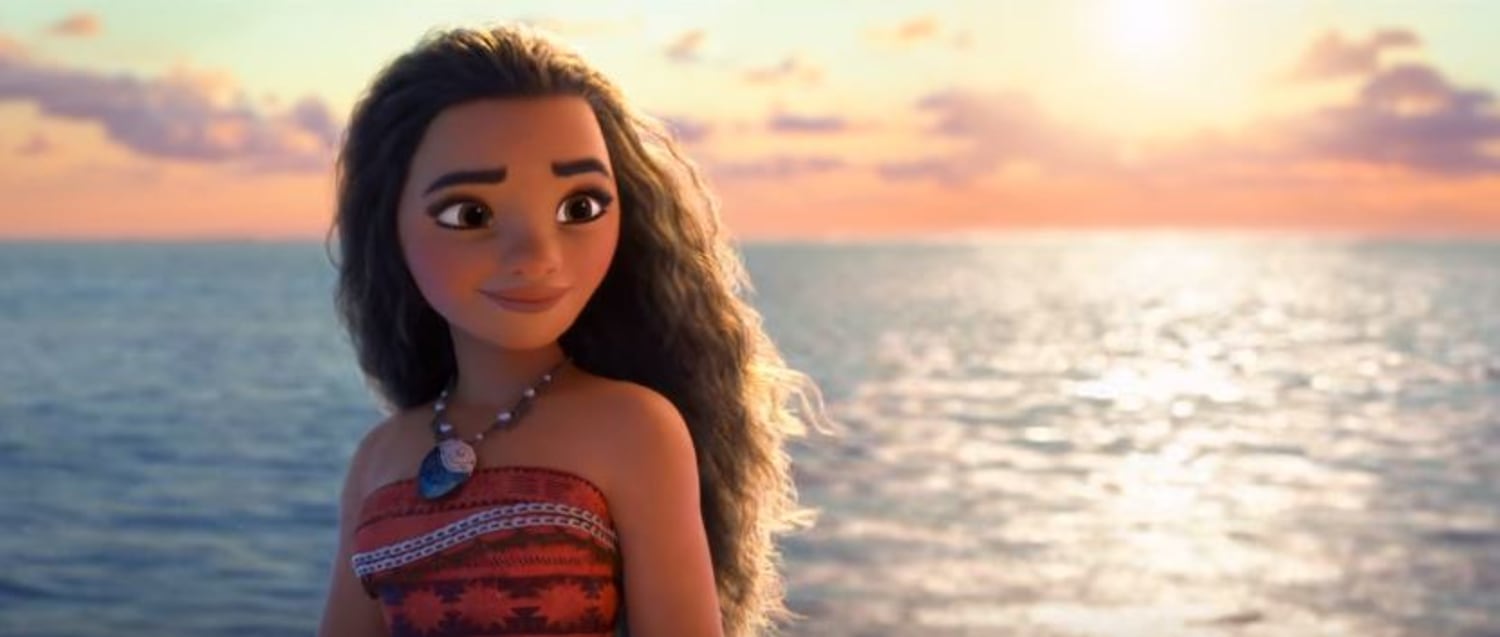
The Origin Story: Unpacking Moana’s Pacific Roots
The enduring appeal of Moana lies not just in its compelling narrative and unforgettable songs, but in its deep respect for the vibrant cultures that inspired it. To truly understand where Moana comes from, one must delve into the heart of Polynesia, a region characterized by its common linguistic roots, shared cultural practices, and an unparalleled history of oceanic exploration. The film’s creative team meticulously researched the mythologies, art forms, and seafaring traditions of islands spanning thousands of miles, ensuring that the fictional island of Motunui was a composite, an homage to many nations rather than a direct representation of just one. This careful crafting means that while elements might resonate with those familiar with Hawaii, such as the concept of aloha (though not explicitly used, the spirit of welcome and connection is omnipresent) or the importance of the ocean, the film draws from a much wider pool of inspiration. This expansive approach makes the film a gateway for audiences worldwide to appreciate the rich tapestry of Pacific island heritage and ignites a desire to explore these incredible destinations.

Dispelling the Hawaiian Myth
Many people initially assume Moana is from Hawaii due to the island setting, the characters’ appearance, and perhaps the general Western understanding of “tropical paradise” often associated with the state. However, the filmmakers explicitly stated that Motunui is not a specific, existing island, nor is it intended to represent Hawaii alone. The rich cultural details, from the traditional voyaging canoes (wa’a or vaka) to the distinct styles of tattooing and weaving, are a synthesis of elements found across various Polynesian islands. While Hawaii possesses its own unique and beautiful traditions, including the hula dance, the art of making a lei, and the communal feast known as a luau, the film incorporates broader Polynesian elements that extend far beyond the Hawaiian archipelago. This distinction is crucial for travelers and cultural enthusiasts who wish to experience the authentic roots of Moana’s story. It encourages a deeper dive into the specific histories and present-day realities of places like Samoa, Tonga, Fiji, and French Polynesia, all of which contribute to the magnificent mosaic of Polynesian culture. Understanding this helps travelers appreciate the unique nuances of each destination rather than approaching them as interchangeable tropical getaways.
The Rich Lore of Polynesia
The core of Moana’s narrative is deeply embedded in the ancient myths and legends of Polynesia. The demigod Maui, a central figure in the film, is a legendary hero found in the oral traditions of numerous Pacific cultures, revered for his strength, trickery, and monumental feats like fishing islands from the sea or snaring the sun. His stories are told with variations across Hawaii, New Zealand (Aotearoa to the Maori), Samoa, Tonga, and beyond, reflecting a shared mythological heritage that transcends geographical boundaries. The film also emphasizes the Polynesian people’s incredible history as master navigators, using sophisticated knowledge of stars, currents, and wildlife to traverse vast stretches of the Pacific Ocean in double-hulled canoes. This historical accuracy underpins the film’s message of rediscovering ancestral traditions and reconnecting with a profound maritime identity. For travelers, understanding this rich lore enriches any visit to the Pacific, allowing for a deeper appreciation of local customs, storytelling, and the enduring spirit of exploration that defines these island nations. Engaging with local guides, visiting cultural centers, and participating in traditional ceremonies are powerful ways to immerse oneself in the living history that inspired Moana’s world.
A Tapestry of Islands: Exploring Polynesian Diversity
While Moana celebrates the overarching spirit of Polynesia, the region itself is a vast expanse of diverse islands, each offering its own unique blend of natural beauty, cultural heritage, and travel experiences. From the volcanic peaks of Hawaii to the pristine atolls of French Polynesia and the rugged landscapes of New Zealand, the Pacific islands present a kaleidoscope of opportunities for every type of traveler. This diversity is precisely what makes the region so captivating, moving beyond any singular “tropical paradise” stereotype to reveal a collection of distinct worlds. When planning a trip inspired by the film, understanding these differences is key to choosing the perfect destination, whether one seeks adventure, relaxation, or deep cultural immersion. Each island group, while sharing some common threads of Polynesian culture, has evolved its own traditions, languages, and artistic expressions, shaped by its unique environment and history. Exploring these variations is not just a geographical journey, but a profound cultural odyssey, offering insights into ancient ways of life and the vibrant communities that thrive today.
Iconic Destinations: From Fiji to Tahiti
For those eager to follow in the wake of Moana’s voyaging ancestors, a multitude of iconic destinations await. Fiji, often considered the heart of the South Pacific, offers luxurious resorts, world-class diving on coral reefs, and a warm, welcoming culture. Islands like Viti Levu boast bustling markets in Nadi and the serene beauty of the Mamanuca and Yasawa Islands, popular for their pristine beaches and overwater bungalows. Travelers can experience a traditional kava ceremony, a significant part of Fijian social life, or explore the vibrant marine life around Denarau Island. French Polynesia, home to islands like Tahiti, Bora Bora, and Moorea, epitomizes the ultimate romantic escape, with stunning turquoise lagoons, dramatic volcanic peaks, and some of the world’s most exclusive resorts, such as the Four Seasons Resort Bora Bora. Here, activities range from snorkeling with manta rays to hiking up Mount Otemanu and indulging in gourmet French-Polynesian cuisine.
Beyond these well-known gems, Samoa offers a more untouched experience, with its pristine beaches, waterfalls, and rich fa’a Samoa (the Samoan way of life). Visitors can explore the To Sua Ocean Trench or relax on the shores of Lalomanu Beach on Upolu. Tonga, the only remaining Polynesian monarchy, boasts stunning volcanic landscapes, incredible whale watching opportunities (especially around the Vava’u group), and a deeply preserved culture. Even New Zealand, though further south, is an integral part of Polynesia and offers a wealth of natural wonders and Maori cultural experiences, from the geothermal wonders of Rotorua to the majestic fjords of Milford Sound and hiking trails near Aoraki Mount Cook. Each of these destinations provides a unique lens through which to appreciate the vastness and beauty of Moana’s world, offering diverse options for accommodation, activities, and cultural immersion.
Cultural Immersion: Food, Dance, and Tradition
A journey through the Pacific islands is incomplete without deep cultural immersion. The vibrant traditions of Polynesia are expressed through various art forms, culinary delights, and community rituals. Food plays a central role in island life, with each destination offering its own specialties. In Hawaii, a luau is a must, featuring dishes like kalua pig cooked in an imu (underground oven), poi, and fresh seafood. In Fiji, the lovo feast, similar to an imu, offers delicious root crops and meats. Across the region, fresh tropical fruits, coconut, and abundant seafood are staples. Dance and music are equally significant. The graceful hula of Hawaii, the energetic siva of Samoa, the powerful haka of the Maori in New Zealand, and the rhythmic ote’a of Tahiti all tell stories of history, mythology, and daily life. Attending these performances offers a profound connection to the local culture.
Furthermore, traditional crafts like weaving, wood carving, and tattooing (tatau) are living art forms passed down through generations. Visiting local markets or workshops provides an opportunity to appreciate the intricate skills and even purchase authentic souvenirs. Respect for local customs, known as fa’a Samoa in Samoa or mana in other cultures, is paramount for travelers. This includes dressing modestly, especially when visiting villages, and participating respectfully in ceremonies like the kava ritual. Many resorts and hotels, from luxury villas to charming guesthouses, offer cultural evenings or activities led by local villagers, providing accessible ways to engage with these traditions. For instance, the Hilton Hawaiian Village Waikiki Beach Resort in Honolulu often hosts authentic luaus, allowing guests to experience Hawaiian culture first-hand. This deep dive into local culture not only enriches the travel experience but also fosters a greater understanding and appreciation for the people and traditions that inspired the world of Moana.
Embarking on Your Own Oceanic Adventure: Travel to the Pacific Islands
For those captivated by the spirit of Moana and eager to experience the wonders of Polynesia firsthand, embarking on an oceanic adventure is a dream within reach. The Pacific islands offer a diverse range of travel styles, from luxurious honeymoons to adventurous family trips and budget-friendly explorations. Whether you envision staying in an opulent overwater bungalow in Bora Bora, exploring ancient ruins in the Marquesas, or surfing world-class waves off the coast of Fiji, there’s an island paradise tailored to your desires. Planning such a trip involves considering various factors, including the best time to visit, the type of activities you wish to pursue, and your preferred level of accommodation. The sheer geographical spread of Polynesia means that each destination has its own unique peak seasons and events, offering travelers a year-round opportunity to discover their personal slice of paradise. From bustling capital cities like Papeete in Tahiti or Apia in Samoa to secluded, untouched atolls, the possibilities for creating a truly unforgettable journey are limitless.
Planning Your Island Getaway
Successful planning for a Pacific island adventure begins with choosing the right destination that aligns with your travel goals. If luxury and romance are priorities, French Polynesia with its iconic resorts like the St. Regis Bora Bora Resort or the Conrad Bora Bora Nui offers unparalleled experiences. For family-friendly resorts and a good mix of adventure and relaxation, Fiji or Hawaii (Maui or Kauai) are excellent choices, offering everything from kids’ clubs to exciting water sports. Adventurers might gravitate towards the rugged beauty of New Zealand for hiking and extreme sports, or the untouched landscapes of Samoa and Tonga for authentic cultural encounters and pristine natural environments. Researching the best time to visit for specific activities, such as whale watching in Tonga (July to October) or surfing in Fiji (May to October), is crucial.
Accommodation options range from high-end hotels and exclusive villas to charming boutique guesthouses and budget-friendly apartments, catering to diverse lifestyles and preferences. Many islands offer unique lodging experiences, like traditional fales in Samoa or beachfront bungalows in Fiji. Booking flights well in advance, especially for inter-island travel, is advisable, as connections can sometimes be limited. Consider travel insurance, vaccinations, and currency exchange before departure. For a truly immersive experience, engaging with local tour operators and guides can provide deeper insights into the culture and hidden gems of each island. Leveraging travel guides and comparison websites to find the best deals on hotels and activities can also optimize your trip, ensuring a memorable and hassle-free journey through the stunning landscapes and rich cultures that inspired Moana’s epic tale.
Sustainable Tourism in Paradise
As travelers flock to these breathtaking destinations, practicing sustainable tourism becomes paramount to preserve the delicate ecosystems and vibrant cultures that make the Pacific islands so special. The natural beauty of these islands, from their coral reefs and marine life to their pristine beaches and lush rainforests, is incredibly fragile. Responsible travel means minimizing your environmental footprint by conserving water and energy, properly disposing of waste, and choosing eco-friendly tour operators. Many hotels and resorts, recognizing the importance of environmental stewardship, have implemented green initiatives, such as The Brando in French Polynesia, which is renowned for its commitment to sustainability. Supporting local businesses, including artisans, restaurants, and guides, directly benefits the communities and helps sustain their unique traditions. This approach ensures that tourism contributes positively to the local economy and culture rather than detracting from it.
Engaging respectfully with local customs and traditions is another cornerstone of sustainable tourism. This includes asking for permission before taking photographs of people, dressing appropriately, and learning a few basic phrases in the local language. By being mindful and respectful guests, travelers can foster positive interactions and contribute to the preservation of the rich cultural heritage that inspired Moana’s story. Many islands have established marine protected areas and national parks, like Fiji’s Bouma National Heritage Park on Taveuni, which offer opportunities to experience nature while supporting conservation efforts. Choosing accommodations and activities that prioritize responsible practices ensures that these idyllic destinations remain beautiful and vibrant for future generations of travelers and locals alike. By embracing sustainable tourism, you not only embark on an unforgettable adventure but also become a guardian of the paradise that inspired one of Disney’s most culturally resonant films.
In conclusion, while Moana is not specifically from Hawaii, her story is deeply entwined with the collective heritage of Polynesia. This understanding opens up a world of travel possibilities, inviting you to explore the diverse and magnificent islands of the Pacific Ocean, each offering its own unique adventure, cultural richness, and breathtaking beauty. Whether you seek luxury, adventure, or a deeper connection to ancient traditions, the spirit of Moana lives on in every wave, every island, and every welcoming smile across this incredible region.
LifeOutOfTheBox is a participant in the Amazon Services LLC Associates Program, an affiliate advertising program designed to provide a means for sites to earn advertising fees by advertising and linking to Amazon.com. Amazon, the Amazon logo, AmazonSupply, and the AmazonSupply logo are trademarks of Amazon.com, Inc. or its affiliates. As an Amazon Associate we earn affiliate commissions from qualifying purchases.