
Montana, often referred to as the “Big Sky Country,” evokes images of vast open spaces, majestic mountains, and unparalleled natural beauty. For many, the idea of relocating to such a pristine environment is incredibly appealing, promising a lifestyle far removed from the hustle and bustle of urban centers. But beyond the picture-perfect postcards, what does living in Montana truly entail? When considering a move, especially through the lens of travel, tourism, and lifestyle – the core pillars of our website – Montana presents a unique blend of opportunities and challenges. This article will delve into whether Montana is a good place to live, examining its draw as a permanent residence for those who cherish adventure, tranquility, and a connection to the wild, while also considering practical aspects like accommodation and community.
The Allure of Big Sky Country: Nature & Outdoor Lifestyle
One of the most compelling reasons people are drawn to Montana is its breathtaking natural landscape and the outdoor lifestyle it fosters. From the jagged peaks of the Rocky Mountains to the expansive plains, Montana offers a diverse topography that caters to every kind of nature enthusiast. This natural endowment isn’t just for temporary travel; it’s a fundamental aspect of daily life for residents. The state’s commitment to preserving its wild spaces means that incredible landmarks and wilderness areas are often just a short drive from residential communities, making outdoor adventure an everyday possibility rather than an occasional vacation.
Unrivaled Destinations and Attractions
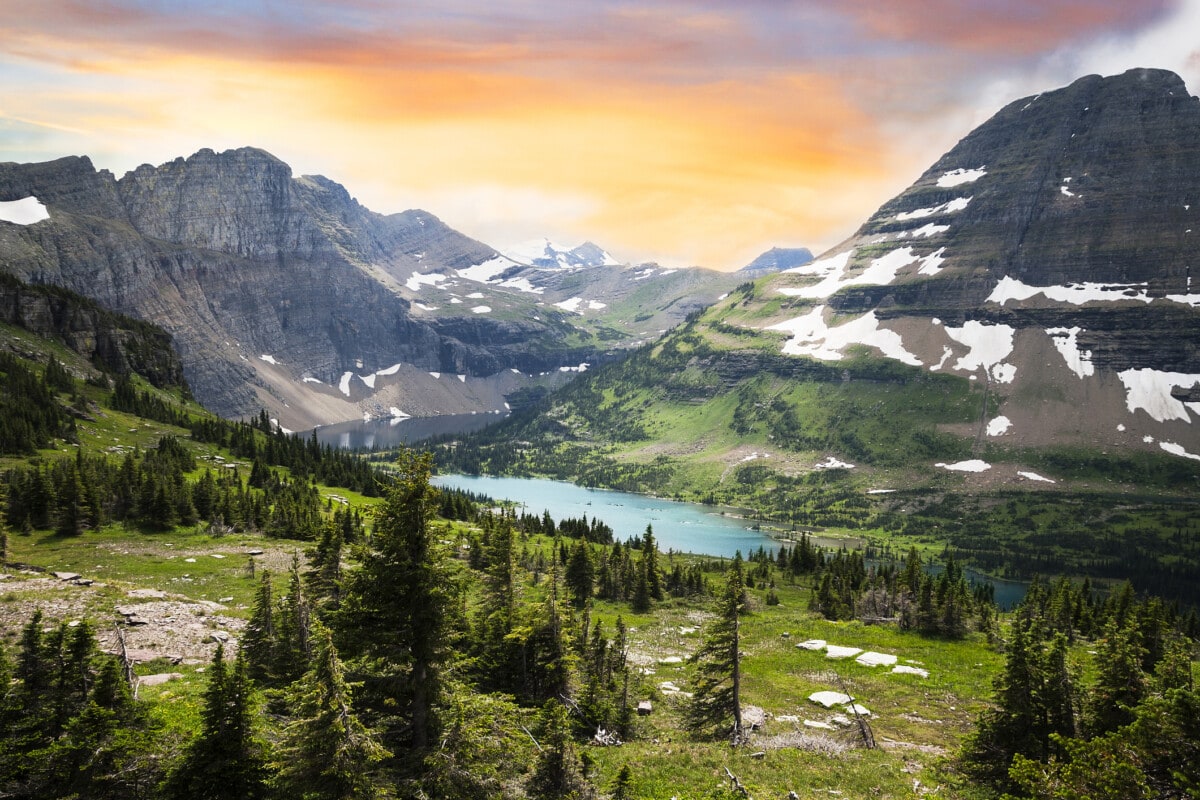
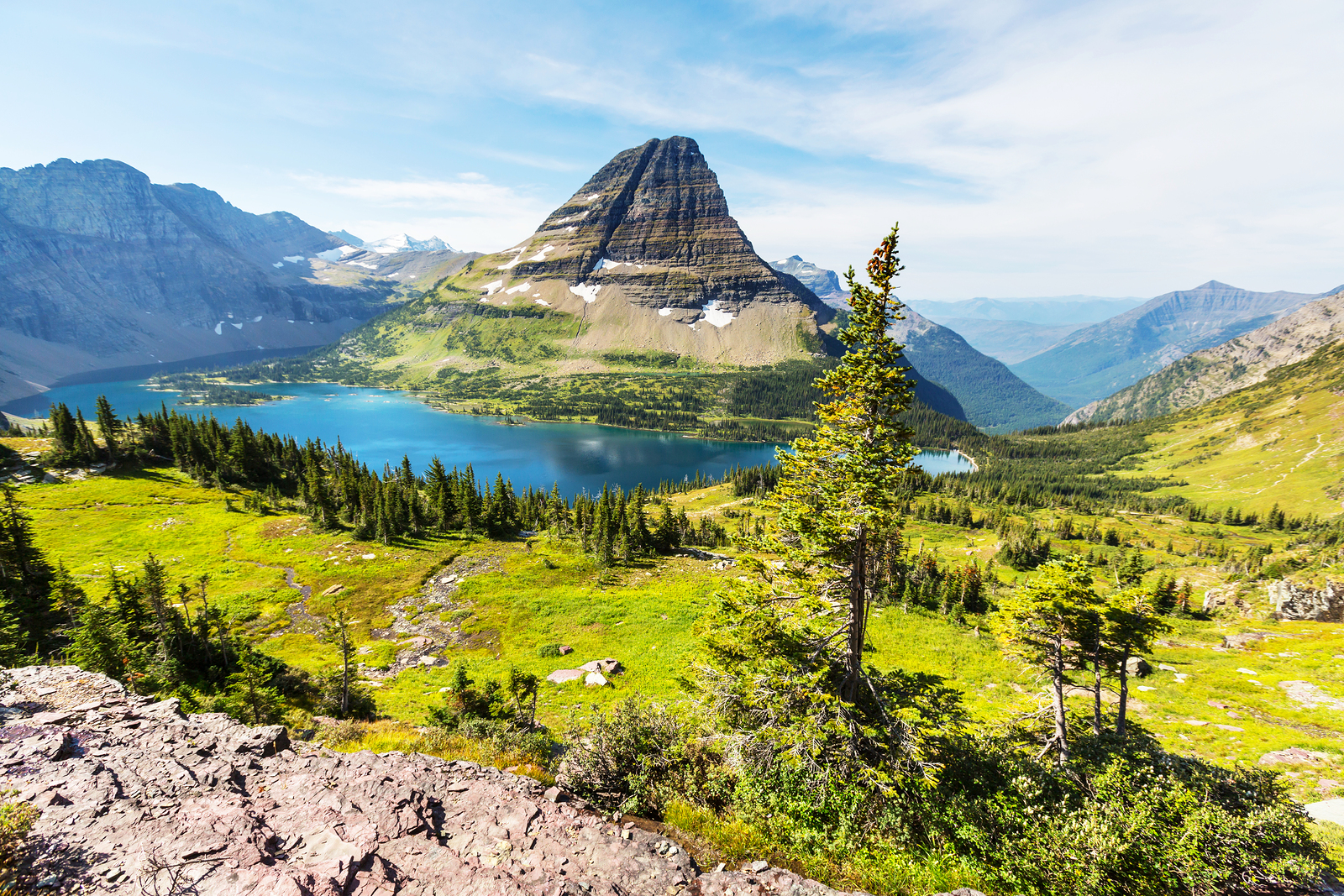
Montana is home to some of the nation’s most iconic natural destinations, offering an endless playground for residents. Glacier National Park, often called the “Crown of the Continent,” provides residents with unmatched access to pristine forests, alpine lakes, and dramatic glacial peaks. Imagine having the opportunity to hike its famed Going-to-the-Sun Road or explore its backcountry trails whenever the mood strikes. Similarly, the northern entrances to Yellowstone National Park are situated in Montana, primarily through towns like Gardiner and West Yellowstone. Living nearby means year-round access to geysers, hot springs, and abundant wildlife, offering residents unique experiences that most only dream of on a rare vacation. These parks are not merely attractions for visitors but serve as vital components of the local lifestyle, influencing everything from employment opportunities in tourism to recreational pursuits.
Beyond the national parks, Montana boasts numerous state parks, national forests, and wilderness areas. Flathead Lake, the largest freshwater lake west of the Mississippi River in the contiguous United States, is a hub for boating, fishing, and swimming, particularly around towns like Polson and Bigfork. The Bitterroot Valley offers a picturesque blend of agricultural land and mountain backdrops, attracting those seeking a quieter, more rural lifestyle with easy access to hiking and fishing. Even less frequented spots, such as the Bighorn Canyon National Recreation Area, provide stunning natural beauty without the crowds, showcasing the breadth of Montana’s natural attractions that can become part of a resident’s everyday life.
Adventure and Recreation: A Lifestyle Choice
For those considering moving to Montana, the sheer variety of outdoor activities available year-round is a major draw. The concept of “living” here is intrinsically tied to a life of adventure. In winter, world-class skiing and snowboarding are accessible at resorts like Big Sky Resort, Whitefish Mountain Resort, and Bridger Bowl, offering extensive terrain for all skill levels. Cross-country skiing, snowshoeing, and ice fishing are also popular pursuits, turning the cold months into an opportunity for unique recreation.
When the snow melts, the state transforms into a haven for hiking, mountain biking, rock climbing, and backpacking. Montana’s rivers, including the Gallatin River, Madison River, and Missouri River, are legendary for fly fishing, drawing anglers from across the globe and offering a serene yet challenging pastime for residents. Whitewater rafting, kayaking, and paddleboarding are popular on many of these waterways as well. The state’s vast network of trails, including sections of the Continental Divide Trail and the Lewis and Clark National Historic Trail, means that exploration is always at your doorstep. This active, outdoor-centric lifestyle not only promotes physical well-being but also fosters a strong sense of community among those who share a passion for nature.
Communities and Culture: Finding Your Place in Montana
Beyond the majestic landscapes, the fabric of Montana is woven with unique communities, each offering its own character and charm. When considering living in Montana, it’s crucial to explore the local culture, available food, and the types of people who call this state home. The population density is low, fostering a sense of spaciousness and often a close-knit community feel, particularly in smaller towns. This aspect greatly contributes to the overall lifestyle experienced by residents.
Vibrant Cities and Quaint Towns
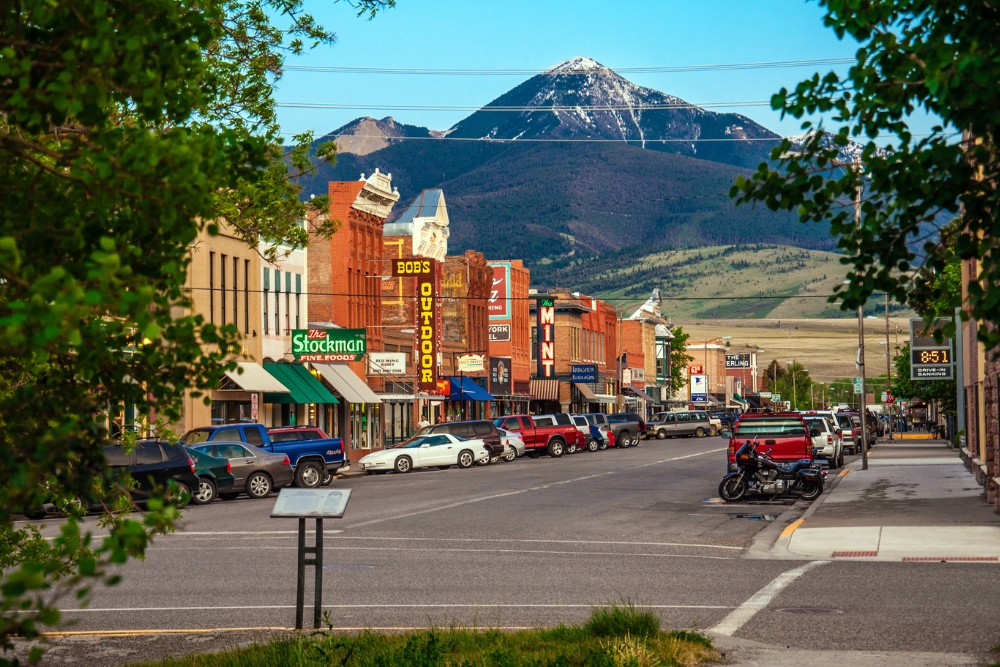
Montana’s urban centers, though modest in size compared to national averages, are vibrant hubs offering amenities, attractions, and services. Bozeman, often cited as one of the fastest-growing cities in the United States, combines outdoor access with a lively downtown, a university presence (Montana State University), and a burgeoning tech and arts scene. It’s a prime example of a Montana city that caters to a diverse range of residents, from young professionals to families seeking a high quality of life. Missoula, home to the University of Montana, has a more laid-back, progressive vibe, known for its strong arts community, craft breweries, and riverfront parks. It’s a great choice for those seeking a balance between natural beauty and cultural engagement.
Billings, the state’s largest city, serves as a regional economic hub, offering more diverse job opportunities and a wider range of services, hospitals, and retail options. For a more historical feel, Helena, the state capital, provides a blend of historic architecture, government employment, and proximity to outdoor recreation. Smaller towns like Whitefish, Livingston, Ennis, and Philipsburg offer quieter, more authentic Montana experiences, often centered around specific outdoor pursuits or local industries. These communities are where the strong sense of local identity and camaraderie truly shines, attracting those who value close community ties and a slower pace of life.
A Rich Tapestry of Local Culture and Food
Montana’s local culture is deeply rooted in its frontier history, Native American heritage, and the rugged individualism of its people. This is reflected in various aspects of daily life, from community events to the local food scene. Many towns host rodeos, county fairs, and music festivals that celebrate this unique heritage. Native American tribal nations, such as the Blackfeet Nation and the Crow Nation, contribute a rich cultural tapestry, with powwows and cultural events offering insights into their enduring traditions.
The food scene in Montana emphasizes local, fresh ingredients, with a particular focus on wild game, beef, and regionally sourced produce. Restaurants often feature dishes incorporating bison, elk, and fresh trout, alongside classic American comfort food with a Western twist. Craft breweries and distilleries have also flourished, particularly in cities like Missoula and Bozeman, becoming popular gathering spots for locals and a significant part of the social lifestyle. Farmers’ markets are popular during warmer months, providing residents with access to fresh, seasonal produce and handcrafted goods, fostering a connection to local agriculture and entrepreneurship. Living here means immersing yourself in a culture that values authenticity, resilience, and a deep appreciation for the land.
Practicalities of Living: Accommodation and Cost
While the romantic appeal of Montana is undeniable, practical considerations such as accommodation and cost of living are crucial for anyone evaluating it as a permanent home. Like any desirable location, the cost of living, especially for housing, has been on an upward trend, influenced by increasing popularity and the remote work phenomenon. Understanding these factors is essential for making an informed decision about whether Montana aligns with your financial and lifestyle goals.
Housing and Long-term Stay Options
The real estate market in Montana is diverse, ranging from luxury villas and sprawling ranches to more modest single-family homes and apartments. Popular areas like Bozeman, Missoula, Kalispell, and the communities around Flathead Lake have seen significant appreciation in recent years. This can make entry into the housing market challenging for some, particularly in prime locations close to major attractions or outdoor hubs. Rent for apartments and long-term stay accommodation has also increased, mirroring national trends for desirable destinations.
However, opportunities for more affordable housing can still be found in smaller towns further from major tourist centers, or in cities like Great Falls and Butte, which offer their own unique charm and sense of community. For those considering a move, careful research into specific neighborhoods and towns is paramount. Options also exist for building custom homes on larger plots of land, catering to those who dream of a more expansive and private residence. The demand for properties suitable for long-term stay and even for tourism-related rentals (like villas or suites in resorts) means that real estate can also be an investment opportunity for some residents, contributing to the broader accommodation landscape.
Economic Outlook and Opportunities
While Montana is famed for its natural resources and tourism, its economy is diversifying. Major industries include agriculture, mining, timber, and increasingly, technology, healthcare, and professional services. The strong tourism sector provides numerous jobs in hotels, resorts, restaurants, and outdoor guiding services, particularly in areas surrounding national parks and ski resorts. For example, a significant portion of employment in Bozeman and Kalispell is linked to these travel and hospitality sectors.
Entrepreneurship also thrives in Montana, driven by a spirit of independence and a desire to serve niche markets. The state offers various incentives for small businesses, and the burgeoning remote work trend has brought new residents and economic vitality to many communities, allowing individuals to maintain higher-paying jobs while enjoying a Montana lifestyle. While wages in some traditional sectors may be lower than national averages, the lower cost of living in some areas (excluding the most sought-after cities) and the unparalleled quality of life can offset this. For job seekers, a careful assessment of available positions in their field and the local economic landscape is critical.
Travel & Accessibility: Montana as a Hub
For residents, Montana’s appeal extends beyond its immediate natural attractions to its accessibility as a base for further travel. While geographically vast and sometimes remote, the state is well-connected for both domestic and international travel, which is an important consideration for a modern lifestyle.
The state features several regional airports that offer direct flights to major hubs across the United States. Bozeman Yellowstone International Airport (BZN) is particularly well-connected, with direct routes to cities like Denver, Salt Lake City, Seattle, Chicago, and Dallas. Similarly, Missoula International Airport (MSO), Glacier Park International Airport (FCA) in Kalispell, and Billings Logan International Airport (BIL) provide essential links for residents. This connectivity means that while you can enjoy the serenity of Montana, you’re not entirely isolated from the rest of the world for business stays or more distant travel experiences.
For road travel, Interstates 15, 90, and 94 crisscross the state, providing crucial arteries for exploring Montana’s own destinations and accessing neighboring states and Canadian provinces. This makes it convenient for residents to take family trips to local attractions or embark on longer road trips beyond the state borders. The infrastructure supports a lifestyle that values both staying local and venturing afar, ensuring that residents can balance their desire for wilderness with the practicalities of modern travel and connection.
Conclusion: Is Montana Right for You?
So, is Montana a good place to live? The answer largely depends on individual priorities and what one seeks in a home. For those who prioritize an active outdoor lifestyle, unparalleled natural beauty, a strong sense of community, and a slower pace of life, Montana offers an exceptional living experience. The sheer abundance of landmarks and opportunities for outdoor adventure makes it an ideal destination for those who wish to integrate nature into their daily routine. The growing cultural scene, distinctive local culture, and emerging economic opportunities further enhance its appeal.
However, prospective residents must be prepared for some challenges. The cost of accommodation in popular areas can be high, and job markets in some sectors may be limited. The vast distances between towns mean a reliance on personal transportation, and the long, cold winters require a certain level of resilience and preparation. For those accustomed to the amenities and fast pace of major metropolitan areas, the adjustment to Montana’s quieter, more nature-centric lifestyle might be significant.
Ultimately, if you dream of a life where majestic mountains are your backyard, where national parks are your playgrounds, and where community values run deep, then Montana could indeed be an excellent place to live. It offers not just a home, but a unique lifestyle rich in adventure, natural wonder, and authentic experiences – a true “Big Sky” existence that many find utterly captivating and deeply fulfilling.
LifeOutOfTheBox is a participant in the Amazon Services LLC Associates Program, an affiliate advertising program designed to provide a means for sites to earn advertising fees by advertising and linking to Amazon.com. Amazon, the Amazon logo, AmazonSupply, and the AmazonSupply logo are trademarks of Amazon.com, Inc. or its affiliates. As an Amazon Associate we earn affiliate commissions from qualifying purchases.