
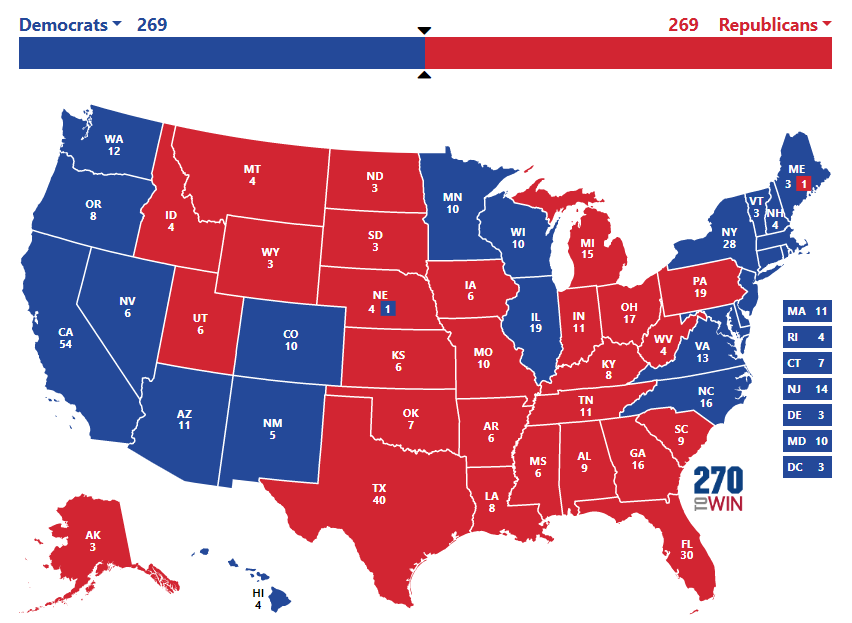
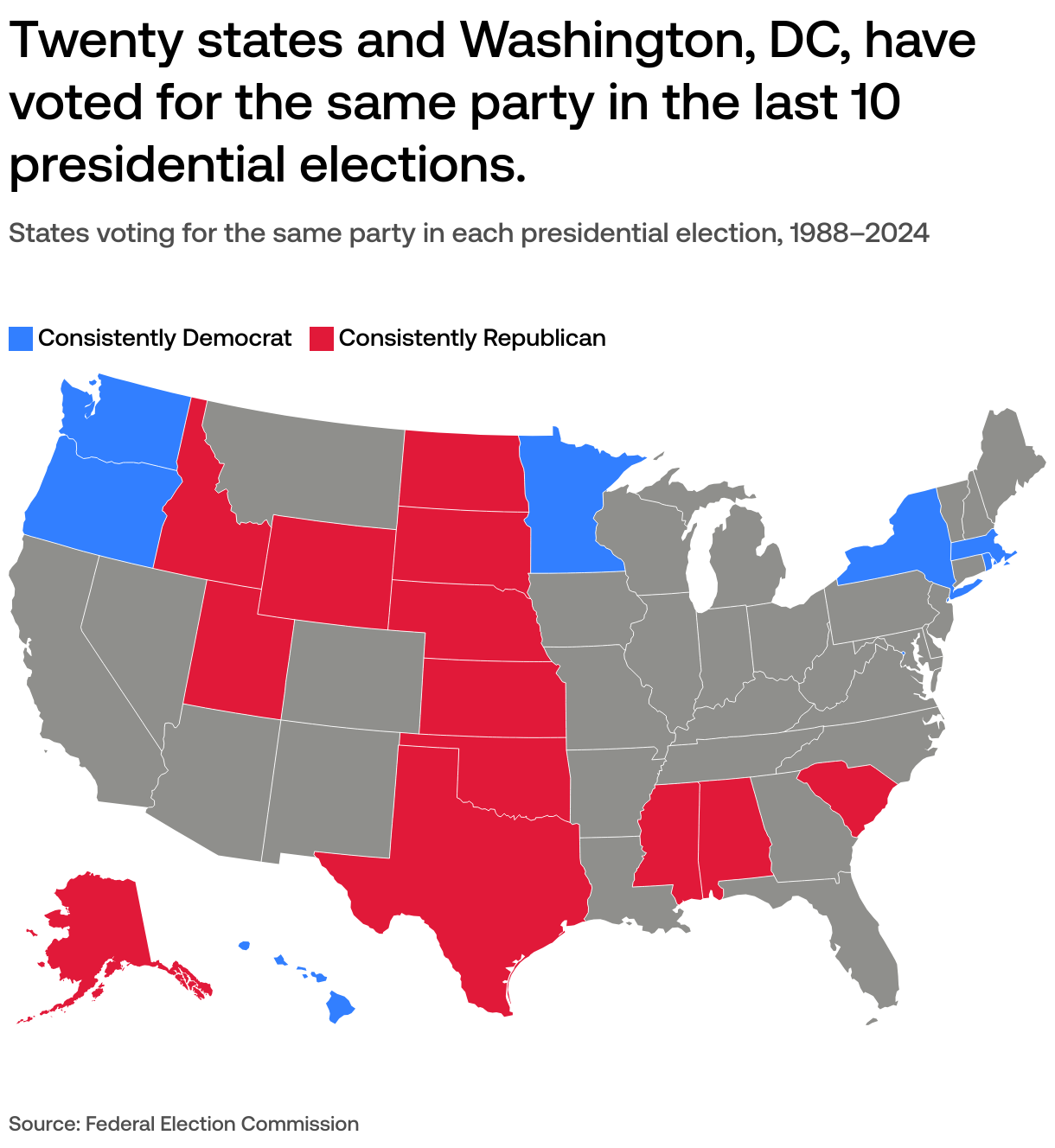
Montana, often referred to as the “Treasure State,” holds a unique and increasingly defined position in the American political landscape. For travelers planning a visit or considering a longer stay, understanding the socio-political currents of a region can offer valuable insights into its local culture, lifestyle, and even the types of experiences one might encounter. While the question “Is Montana a Red or Blue state?” might seem straightforward, the answer, especially in 2024, is nuanced, reflecting both its historical roots and evolving demographics. Primarily, Montana has cemented its status as a reliably red state, consistently voting Republican in presidential elections and often electing Republican officials to state and federal offices. However, this overarching political identity doesn’t tell the whole story, as pockets of blue influence and a complex interplay of factors contribute to its distinctive character.
For those interested in travel, tourism, and experiencing the authentic lifestyle of a destination, delving into these political leanings can illuminate everything from local attitudes towards conservation and development to the vibrant pulse of its urban centers versus its vast rural expanses. From grand landmarks like Glacier National Park to the bustling streets of Bozeman, the political fabric subtly weaves into the visitor experience.
Montana’s Shifting Political Landscape: A Historical Overview
To truly grasp Montana’s current political identity, it’s essential to look back at its journey. Historically, Montana was considered more of a swing state, with strong populist and labor movements in its early days, particularly due to the prevalence of mining and railroad industries. This led to periods where Democratic candidates found significant support. However, over the past few decades, a clear shift has occurred, moving the state firmly into the Republican column.
From Swing State to Conservative Stronghold?
The early 20th century saw Montana as a battleground, often reflecting national trends or responding to the influence of powerful industrialists. The legacy of mining towns and railroad hubs meant a strong union presence, which historically leaned Democratic. However, as the economy diversified away from heavy industry and towards agriculture, resource extraction, and increasingly, tourism and recreation, the political landscape began to transform.
The latter half of the 20th century and the early 21st century witnessed a gradual but decisive swing towards the Republican Party. Factors contributing to this include a strong emphasis on individual liberties, gun rights, property rights, and a skepticism towards federal government intervention – values deeply resonant with a significant portion of the rural population. This has translated into consistent victories for Republican candidates in presidential, senatorial, and gubernatorial races. For instance, the state has not voted for a Democratic presidential candidate since 1992, solidifying its “red” reputation on the national stage. Understanding this history provides context for travelers engaging with local communities and observing cultural norms.
Key Demographics and Electoral Trends
The demographic makeup of Montana plays a crucial role in its political leanings. The state is sparsely populated, with vast rural areas that tend to be overwhelmingly conservative. These communities often prioritize traditional values, local control, and industries like agriculture and ranching, which align well with the Republican platform. The population density outside of a few key cities is very low, meaning that the sheer geographic spread of conservative voters often outweighs the more concentrated liberal votes in urban centers.
However, the picture isn’t entirely monolithic. Urban centers and university towns like Missoula, Bozeman, and to a lesser extent, the capital Helena, exhibit more liberal tendencies. These areas attract a younger, more educated populace, often involved in technology, arts, or service industries, and tend to lean Democratic. For example, Missoula is often considered the most liberal city in the state, while Bozeman has seen rapid growth and an influx of new residents, creating a more dynamic political environment, though still with a notable progressive contingent. Billings, the state’s largest city, is more politically balanced but generally leans conservative, reflecting its role as a regional hub for commerce and energy.
The influx of new residents, particularly into areas like Bozeman and Whitefish, has introduced some demographic shifts. Many new Montanans are drawn by the state’s stunning natural beauty and outdoor lifestyle, but they also bring diverse political viewpoints. While this might suggest a future softening of the state’s red hue, the impact has been gradual and often balanced by growth in more conservative-leaning areas or the established voter base. For visitors, recognizing these regional political nuances can enhance their experience, whether they are looking for progressive cultural events in Missoula or immersing themselves in the ranching heritage near Great Falls.
The Red and Blue Divide: Understanding Montana’s Regions for Travelers
For visitors, the political leaning of a region can subtly influence the atmosphere, local customs, and even the types of attractions or experiences available. In Montana, this divide is often clearest between its expansive rural areas and its more compact urban centers.
The Conservative Core: Rural Montana’s Enduring Values

The vast majority of Montana’s landmass is rural, characterized by ranches, small towns, and breathtaking natural scenery. These areas form the conservative core of the state. Here, you’ll find a strong emphasis on self-reliance, community bonds, outdoor recreation, and traditional values. The lifestyle often revolves around agriculture, hunting, fishing, and an appreciation for the unspoiled wilderness.
Travelers venturing into these regions will experience a deep sense of connection to the land. Accommodation options might range from rustic cabins to charming bed and breakfasts, often run by multi-generational local families. Landmarks in these areas are often natural wonders, such as parts of Yellowstone National Park (which extends into Montana), the Missouri River breaks, or countless national forests. Visitors can expect genuine hospitality, but also a culture that values privacy and independence. Conservation efforts, while widely supported, are often viewed through the lens of private property rights and sustainable resource use rather than extensive federal regulation. Destinations like Kalispell and Whitefish in the northwest, while popular for tourism and increasingly vibrant, are surrounded by and draw heavily from this conservative rural ethos.
Blue Pockets and Progressive Enclaves: Urban Centers and University Towns
In stark contrast to the rural expanses are Montana’s “blue pockets.” These are primarily its larger cities, especially those with significant university populations. Missoula, home to the University of Montana, is widely recognized as the state’s most liberal city. Its lifestyle embraces environmentalism, arts and culture, social justice, and a vibrant local food scene. Here, you’ll find more progressive businesses, diverse culinary options, and a generally more urban, less traditional atmosphere.
Bozeman, while experiencing rapid growth and an influx of wealthier residents from out of state, also leans more blue than the surrounding rural areas. It’s home to Montana State University and has become a hub for technology, outdoor recreation industries, and a more cosmopolitan lifestyle. The political discourse in these cities tends to be more aligned with national Democratic platforms, particularly concerning environmental protection, social services, and public lands.
For travelers, these urban centers offer a different flavor of Montana. You’ll find a wider array of hotels, boutique shops, gourmet restaurants, and cultural events. Accommodation can range from luxury resorts and modern suites to charming apartments and boutique hotels. While the political differences exist, they rarely impede a visitor’s ability to enjoy either type of setting. Instead, they highlight the diverse character of the state, offering a spectrum of experiences.
Beyond Politics: Montana’s Appeal for Every Traveler
Despite its clear “red” political leanings, Montana’s allure transcends political boundaries. The state’s natural beauty, vast open spaces, and rich cultural heritage draw visitors from all walks of life, regardless of their political affiliations. The primary reasons people visit Montana — its incredible national parks, world-class outdoor recreation, and authentic Western charm — remain universal magnets.
Tourism, Economy, and Conservation: Bridging the Divide
Tourism is a vital part of Montana’s economy, creating jobs and supporting local businesses across the state. The preservation of its natural landmarks and wilderness areas, like Glacier National Park, Yellowstone National Park, and Flathead Lake, is therefore of paramount importance to virtually all Montanans, albeit sometimes with different approaches to achieving that goal. While political ideologies may differ on the specifics of environmental regulation or land management, there’s a broad consensus on the value of Montana’s pristine environment.
The economic impact of destinations like Big Sky Resort, which draws luxury travelers and outdoor enthusiasts year-round, is undeniable. Such ventures, along with smaller, locally owned businesses, contribute significantly to the state’s prosperity, often bridging political divides through shared economic interest. Accommodation providers, from sprawling resorts to cozy villas, depend on a steady stream of visitors. This common ground ensures that, regardless of political rhetoric, the infrastructure for tourism remains robust and welcoming. Travelers will find excellent guides, well-maintained attractions, and a commitment to showcasing the best of what Montana has to offer.
Lifestyle and Local Culture: Experiencing Authentic Montana
The true essence of Montana lies in its diverse lifestyle and rich local culture, which can be experienced irrespective of the state’s political leanings. Whether you’re seeking a luxury travel experience at a high-end resort or a budget travel adventure camping under the stars, Montana caters to all. The state is renowned for its welcoming spirit, and Montanans are generally friendly and proud to share their home with visitors.
From the vibrant arts scene in Missoula and the growing tech industry in Bozeman to the traditional ranching heritage near Lewistown and the rugged independence of communities along the Continental Divide, the state offers a mosaic of experiences. Family trips can involve exploring dinosaur fossils, fly fishing on pristine rivers, or horseback riding through open ranges. Business stays often find amenities that blend modern convenience with rustic charm. The common threads throughout Montana are a profound respect for nature, a love for the outdoors, and a strong sense of community. These aspects of local culture are far more impactful on a traveler’s experience than any specific election result.
In conclusion, while Montana firmly establishes itself as a red state in 2024, this political designation is just one layer of its complex identity. For travelers, this understanding provides context but should not overshadow the myriad of attractions, the warmth of its people, and the unparalleled beauty that awaits. The “Treasure State” offers a rich tapestry of experiences, where traditional values coexist with progressive ideas, and where the majestic landscapes unify its diverse population. Whether you’re drawn by the call of the wild, the charm of a small town, or the vibrancy of an urban hub, Montana promises an unforgettable journey.
LifeOutOfTheBox is a participant in the Amazon Services LLC Associates Program, an affiliate advertising program designed to provide a means for sites to earn advertising fees by advertising and linking to Amazon.com. Amazon, the Amazon logo, AmazonSupply, and the AmazonSupply logo are trademarks of Amazon.com, Inc. or its affiliates. As an Amazon Associate we earn affiliate commissions from qualifying purchases.