
Planning your next adventure often involves a flurry of details, from booking the perfect resort to mapping out your itinerary. But have you considered a crucial detail that might impact your travel plans: your identification? For residents of the Lone Star State, a common question arises, particularly as federal regulations evolve: “Is my Texas driver’s license a Real ID?” Understanding this distinction is vital for seamless travel, especially for domestic flights and access to certain federal facilities.
The concept of a “Real ID” stems from the Real ID Act of 2005, a post-9/11 federal law designed to establish minimum security standards for state-issued driver’s licenses and identification cards. These enhanced security features aim to prevent individuals from obtaining fraudulent identification documents and bolster national security. In essence, a Real ID-compliant license is a government-issued credential that meets these federal standards, making it universally accepted for specific purposes.

Understanding the Real ID Requirements
So, what makes a Texas driver’s license a “Real ID”? It’s not simply about having a license; it’s about the specific features and the verification process that went into its issuance. The Texas Department of Public Safety (DPS) is responsible for issuing these compliant cards. To obtain a Real ID, you’ll need to present specific documentation proving your identity, Social Security number, lawful status, and Texas residency. This often involves bringing original or certified copies of documents such as your birth certificate, passport, Social Security card, and utility bills or lease agreements.
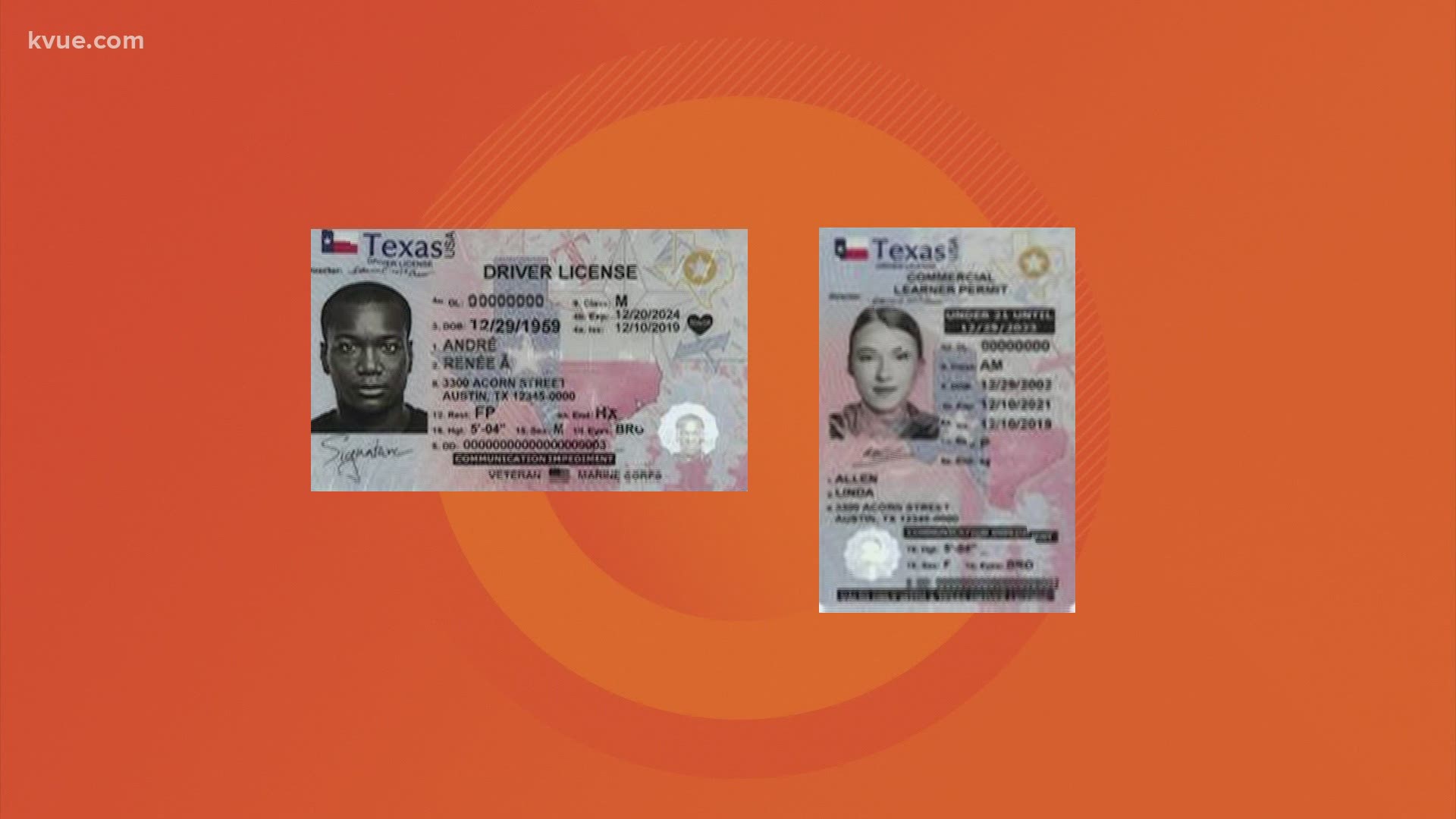
The physical appearance of a Real ID-compliant license also provides a clue. While the exact design can vary slightly, a key indicator is the presence of a star symbol in the upper right corner of the card. This star signifies that the license meets the federal requirements. If your Texas driver’s license does not have this star, it is likely not Real ID-compliant. This distinction becomes particularly important as the federal enforcement date approaches. Starting May 7, 2025, federal agencies, including the Transportation Security Administration (TSA), will require all air travelers aged 18 and older to present a Real ID-compliant license or another acceptable form of identification to board domestic flights.
What if My Texas License Isn’t a Real ID?
If you’ve checked your Texas driver’s license and it doesn’t bear the telltale star, or if you obtained it before the Real ID requirements were fully implemented, you’ll need to take action. The good news is that obtaining a Real ID-compliant license is a straightforward process, albeit one that requires some preparation. You’ll need to visit a Texas Department of Public Safety (DPS) driver license office. It’s highly recommended to schedule an appointment in advance to minimize wait times.
When you visit the DPS office, be sure to bring all the necessary documentation. A complete list is available on the Texas DPS website, but generally, you’ll need:
- Proof of Identity: This could be a certified birth certificate or a U.S. passport.
- Proof of Social Security Number: Your Social Security card or a W-2 form.
- Proof of Lawful Presence: If you’re not a U.S. citizen, this would be documents like a visa or permanent resident card.
- Proof of Texas Residency: Typically, two documents are required, such as utility bills, bank statements, or lease agreements, showing your current Texas address.

The process involves presenting these documents to a DPS representative, who will verify them. You will also have your photo taken and your thumbprint captured. Once the verification is complete, your new Real ID-compliant Texas driver’s license will be mailed to you.
Alternatives to a Real ID for Travel
While a Real ID-compliant license is the primary identifier for domestic air travel starting May 7, 2025, it’s not the only acceptable form of identification. The TSA will continue to accept other federally approved documents. This is crucial information for travelers, especially those who may not be able to obtain a Real ID in time or who prefer to use alternative forms of identification.
Here are some common alternatives that will be accepted for domestic flights after the enforcement date:
- U.S. Passport: A valid U.S. passport is a universally accepted form of identification for domestic and international travel.
- DHS Trusted Traveler Cards: This includes programs like Global Entry, NEXUS, and SENTRI.
- U.S. Permanent Resident Card: Often referred to as a “green card.”
- An original or certified copy of a birth certificate (though this is often used in conjunction with other forms of ID for verification).
- A Social Security card (again, often used as a supporting document).
- Identification issued by a federally recognized Tribal nation.
- A PIV card (Personal Identity Verification card).
- A HSPD-12 card (Homeland Security Presidential Directive-12 card).
It’s important to note that while some of these documents can be used as primary identification, others might be required in conjunction with another form of ID to meet the TSA’s verification standards. The most straightforward approach for frequent domestic travelers is to ensure their Texas driver’s license is Real ID-compliant. However, knowing these alternatives provides peace of mind and ensures you won’t be unexpectedly denied boarding.
Why Real ID Matters for Your Texas Adventures
The significance of having a Real ID-compliant Texas driver’s license extends beyond just air travel. It’s about ensuring smooth access to various federal facilities and activities. Imagine planning a trip to explore national parks, visit federal courthouses, or even enter certain government buildings. Without a Real ID, you might encounter obstacles.
For example, if you’re a Texan planning a family trip to a national park like Big Bend National Park, and your driver’s license is not Real ID-compliant, you might need to present an alternative form of identification to enter certain areas or access specific services within the park if federal identification is required. Similarly, if you’re a business professional attending a conference in Washington D.C. and need to access federal buildings, a Real ID will simplify the entry process.
The Real ID Act is designed to create a more secure and standardized system of identification across the United States. For residents of Texas, understanding whether your driver’s license meets these standards is a crucial step in ensuring your travel plans, whether for leisure or business, go off without a hitch. The lifestyle of many Texans involves travel, and having the correct identification is as fundamental as booking a good hotel or discovering new attractions. Whether you’re seeking luxury travel experiences or exploring budget travel options, a Real ID-compliant license will be your key to unlocking seamless entry.
Navigating the requirements for a Real ID can seem daunting, but with a little preparation, it’s a manageable process. The Texas DPS has worked to make this transition as accessible as possible. By gathering the necessary documents and understanding the implications of compliance, you can ensure that your Texas driver’s license serves not only as proof of your ability to drive but also as a secure and universally accepted form of identification for all your future travels and endeavors. So, take a moment to examine your license, and if it doesn’t have the star, start planning your visit to the DPS to upgrade. Your future travels, from weekend getaways to exploring landmarks across the country, will thank you for it.