
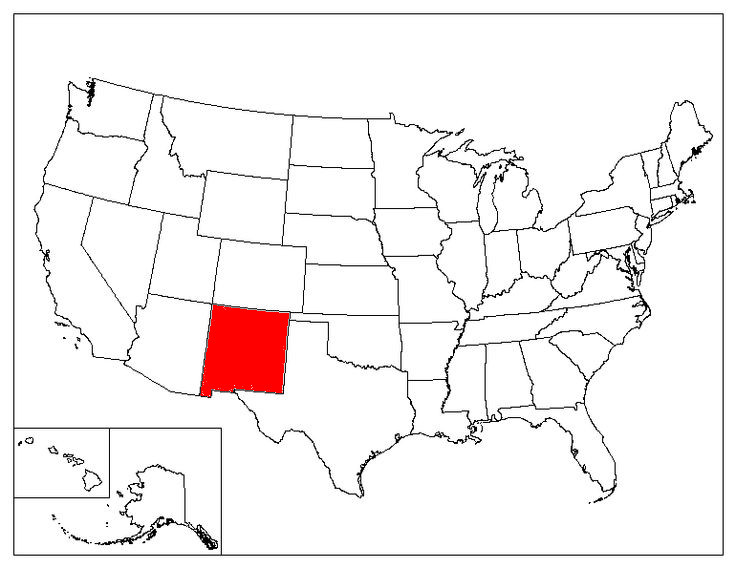
For many, the question “Is New Mexico a state?” might seem perplexing, yet it’s a query that echoes across curious minds more often than one might expect. Perhaps it’s the name, which often leads to confusion with the country of Mexico, or perhaps it’s a lingering misconception from an earlier era. However, let us settle this unequivocally: New Mexico is indeed a proud and integral state within the United States of America, officially admitted to the Union on January 6, 1912, as the 47th state. Far from being a foreign land, a territory, or a part of its southern neighbor, New Mexico is a vibrant tapestry of history, culture, and natural beauty, offering a wealth of experiences for every traveler.
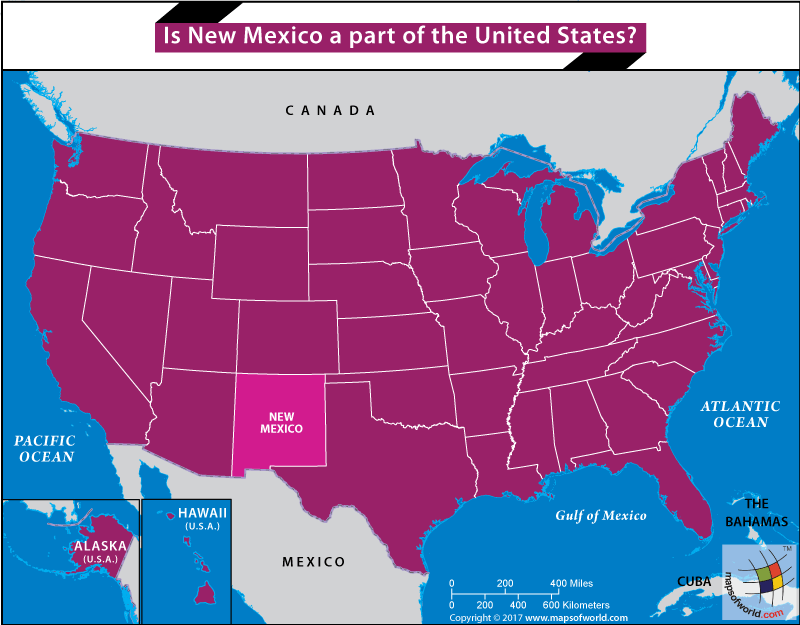
This “Land of Enchantment” beckons with unique attractions, rich heritage, and diverse landscapes that defy easy categorization. From ancient Pueblo dwellings to futuristic spaceports, and from pristine white sand dunes to majestic mountain peaks, New Mexico presents an unparalleled journey into the heart of the American Southwest. This article will not only dispel any lingering doubts about its statehood but also dive deep into what makes New Mexico an extraordinary destination for tourism, accommodation, and a truly unforgettable lifestyle experience.
The Identity of the Land of Enchantment
The uniqueness of New Mexico’s identity is precisely what sometimes leads to the delightful confusion surrounding its status. Its name, a direct translation of “Nuevo México,” harkens back to its deep Spanish roots, which predate the formation of the United States itself. This rich historical lineage is palpable in every adobe wall, every fiery chile, and every cultural celebration.
Dispelling the Myth: A Proud Member of the Union
The misconception that New Mexico might not be a state is largely a historical anachronism. For centuries, the region was a distant province of Spain and then, following its independence, of Mexico. It was only after the Mexican-American War in the mid-19th century that it became a U.S. territory. Its path to statehood was long and complex, marked by debates over language, culture, and political alignment. However, by the early 20th century, these issues were resolved, and New Mexico officially joined the United States.
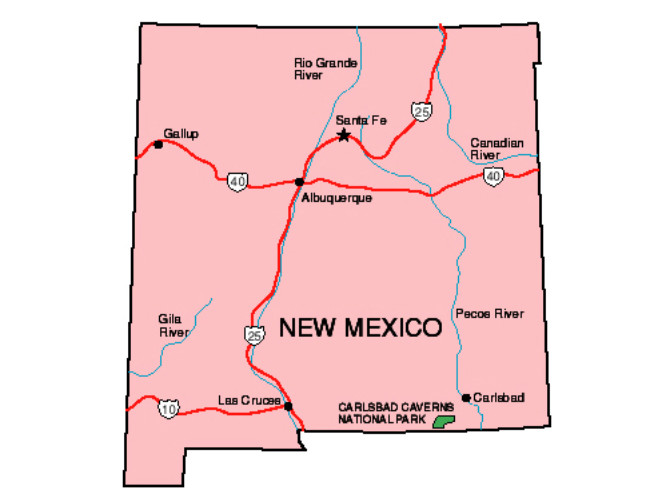
Today, New Mexico operates with all the rights and responsibilities of any other U.S. state, contributing to the nation’s economy, culture, and political landscape. Its capital, Santa Fe, is the oldest state capital in the United States, founded in 1610, offering a tangible link to its profound past. The state is represented in Congress, participates in presidential elections, and is home to a diverse population of citizens who proudly call it home. Visitors arriving at its airports or crossing its borders will find themselves firmly within the jurisdiction and infrastructure of the United States, ready to explore its wonders with ease.
A Glimpse into New Mexico’s Unique Heritage
What truly sets New Mexico apart and contributes to its almost mystical allure is its profound cultural amalgamation. It is one of the few places in the United States where Native American, Hispanic (Spanish and Mexican), and Anglo cultures have converged and coexisted for centuries, creating a vibrant and distinct heritage.
The influence of the indigenous Pueblo people is evident in the ancient architecture, traditional arts, and spiritual practices that still thrive today. Sites like Chaco Culture National Historical Park and Petroglyph National Monument offer windows into civilizations that flourished millennia ago, while contemporary communities like Taos Pueblo, a UNESCO World Heritage Site, provide living examples of enduring traditions.
The Spanish colonial legacy is woven into the very fabric of the state, visible in the adobe churches, the Spanish language spoken by many residents, and the culinary traditions centered around red and green chile. Santa Fe’s historic Santa Fe Plaza and the Palace of the Governors stand as testaments to this era, offering a glimpse into the oldest continuously occupied public building in the United States.
Finally, the influx of Anglo settlers, artists, and adventurers, particularly in the 19th and 20th centuries, added another layer to this cultural mosaic. Their influence is seen in the art colonies of Taos and Santa Fe, the cattle ranching traditions, and the independent spirit that characterizes many New Mexicans. This rich blend results in a tourism experience unlike any other, where visitors can immerse themselves in festivals, art markets, and a unique culinary scene that celebrates these intertwined histories.
Exploring New Mexico’s Diverse Landscapes and Attractions
Beyond its unique cultural identity, New Mexico is a land of stunning natural beauty and fascinating human-made attractions. Its diverse geography ranges from arid deserts to alpine mountains, offering an endless array of activities for outdoor enthusiasts and culture seekers alike.
Natural Wonders and Outdoor Adventures
The sheer variety of natural landscapes in New Mexico is breathtaking. For those seeking otherworldly beauty, White Sands National Park is an absolute must-see. Here, vast dunes of gypsum crystals stretch as far as the eye can see, creating a surreal landscape perfect for sledding, photography, and simply marveling at nature’s artistry. A stark contrast awaits at Carlsbad Caverns National Park, where visitors descend into a colossal underground world of stalactites, stalagmites, and ancient formations that inspire awe and wonder.
The state’s mountains, particularly the Sangre de Cristo range, provide exceptional opportunities for hiking, mountain biking, and skiing. Taos Ski Valley, Ski Santa Fe, and Angel Fire Resort offer world-class slopes in winter, while in warmer months, the trails winding through the Santa Fe National Forest and the Cibola National Forest become havens for hikers and nature photographers. The Rio Grande, one of North America’s longest rivers, carves dramatic canyons and provides opportunities for rafting, fishing, and scenic drives.
For history and archaeology buffs, Chaco Culture National Historical Park reveals the sophisticated architecture and spiritual practices of ancestral Puebloans within its ancient Great Houses. Similarly, Bandelier National Monument allows visitors to explore cliff dwellings and mesa top sites. Further south, the remote Gila Cliff Dwellings National Monument offers a glimpse into the lives of nomadic people who sought shelter in natural caves. These landmarks are not just historical sites but destinations that transport visitors back in time, offering profound experiences of connection to the land and its earliest inhabitants.
Cities Rich in History and Art
New Mexico’s cities serve as vibrant cultural hubs, each with its distinct character and an abundance of attractions.
Santa Fe, the state capital, is a spiritual and artistic mecca. Its historic center, surrounding the Santa Fe Plaza, is filled with adobe buildings housing art galleries, boutiques, and world-class restaurants. Visitors can explore the Palace of the Governors, the San Miguel Chapel (the oldest church in the United States), and the miraculous staircase of the Loretto Chapel. The city is also home to the Georgia O’Keeffe Museum, celebrating the iconic artist who found inspiration in New Mexico’s landscapes, and the immersive art experience of Meow Wolf. A stroll down Canyon Road, lined with over a hundred art galleries and studios, is an essential Santa Fe experience.
Albuquerque, the state’s largest city, blends urban sophistication with rich historical roots. Its Historic Old Town Albuquerque preserves the charm of its Spanish colonial past with adobe architecture, quaint shops, and authentic New Mexican restaurants. The city is globally renowned for the Albuquerque International Balloon Fiesta, an annual event where hundreds of hot air balloons fill the sky, creating an unforgettable spectacle. Beyond its cultural attractions like the Indian Pueblo Cultural Center, Albuquerque also offers natural beauty with the Sandia Peak Tramway, providing panoramic views of the city and surrounding mountains.
Taos, nestled in the Sangre de Cristo Mountains, is another significant cultural and artistic hub. Famous for Taos Pueblo, its vibrant art community, and its proximity to world-class skiing, Taos offers a more intimate experience. The town’s historic Taos Plaza is a focal point, surrounded by galleries, shops, and restaurants. Artists like D.H. Lawrence and Ansel Adams were drawn to Taos’s unique light and landscape, a legacy that continues to inspire.
Even smaller towns contribute to New Mexico’s allure. Roswell, famously associated with a supposed UFO incident, attracts visitors to the International UFO Museum and Research Center. Las Cruces, in the southern part of the state, offers historical sites like Mesilla and serves as a gateway to the nearby Organ Mountains-Desert Peaks National Monument and Spaceport America, the world’s first purpose-built commercial spaceport.
Planning Your New Mexico Adventure: Accommodation and Lifestyle
Embarking on a journey through New Mexico is an adventure for all senses, and thoughtful planning regarding accommodation and understanding the local lifestyle will greatly enhance the experience.
Where to Stay: Hotels, Resorts, and Unique Accommodations
New Mexico’s diverse offerings extend to its accommodation options, catering to every preference and budget, from luxurious resorts to charming bed and breakfasts and convenient long-term stays. For those seeking opulence and unparalleled service, Santa Fe boasts properties like the Four Seasons Resort Rancho Encantado Santa Fe, offering adobe-style casitas, exquisite dining, and rejuvenating spa services amidst stunning high-desert vistas. The Rosewood Inn of the Anasazi in the heart of Santa Fe provides a boutique experience rooted in Southwestern elegance, while the historic La Fonda on the Plaza offers a blend of tradition, comfort, and prime location. The Inn and Spa at Loretto, inspired by the Taos Pueblo, is another iconic Santa Fe choice, known for its unique architecture and serene atmosphere.
In Albuquerque, the Hotel Albuquerque at Old Town combines modern amenities with traditional charm, making it an excellent base for exploring the city. For a tranquil escape, destinations like Ojo Caliente Mineral Springs Resort & Spa offer therapeutic hot springs and a serene environment, perfect for relaxation and rejuvenation.
Beyond traditional hotels, visitors can find unique accommodations such as historic B&Bs in Taos, vacation rentals for family trips, or even glamping experiences near national parks. For longer stays, apartments and villas offer a home-away-from-home feel, often equipped with kitchens and more living space, ideal for immersing oneself in the local rhythm. Booking platforms and traveler reviews are invaluable resources for comparing options, ensuring the chosen accommodation aligns perfectly with one’s travel style, whether it’s luxury travel, budget travel, or something in between.
The New Mexico Lifestyle: From Culinary Delights to Cultural Immersion
The lifestyle in New Mexico is as vibrant and eclectic as its landscapes. At the heart of the culinary experience is the iconic New Mexican chile. Visitors are often asked, “Red or Green?” – referring to the choice of chile sauce that smothers everything from enchiladas to breakfast burritos. The distinctive flavors of New Mexico cuisine, including dishes like posole, sopaipillas, and green chile cheeseburgers, are a true highlight. Exploring local markets, participating in a cooking class, or simply dining at a family-run establishment offers an authentic taste of the state.
Cultural immersion extends beyond food. Attending a traditional Pueblo dance, visiting an art festival on Canyon Road, or exploring the spiritual sanctuaries like El Santuario de Chimayó provides deep insights into the local culture. The annual Albuquerque International Balloon Fiesta is not just an attraction but a massive community celebration, embodying the spirit of joy and wonder that defines the state.
For those interested in specific lifestyle pursuits, New Mexico offers a range. Adventure seekers can explore the Continental Divide Trail, raft the Rio Grande, or embark on a multi-day trek through the Gila Wilderness. Art lovers will find endless inspiration in the galleries of Santa Fe and Taos, while history buffs can trace the footsteps of Billy the Kid at Fort Sumner or travel parts of historic Route 66 through Gallup and Tucumcari. The state’s natural beauty also fosters a deep appreciation for nature and solitude, with opportunities for stargazing in its unpolluted night skies or finding spiritual reflection at places like Ghost Ranch.
Whether planning a luxurious getaway, a budget-conscious road trip, a family-friendly adventure, or even a business stay that incorporates some unique local flavor, New Mexico offers tips and experiences tailored to every preference. Its warm hospitality, coupled with a landscape that constantly surprises, ensures that visitors leave with lasting memories and a profound appreciation for this extraordinary American state.
In conclusion, the answer to “Is New Mexico a state?” is a resounding yes. It is not only a state but a destination that defies expectations, offering a rich tapestry of history, culture, and natural wonders. For travelers seeking authentic experiences, diverse accommodations, and a chance to explore a truly unique corner of the United States, the Land of Enchantment awaits. Pack your bags, prepare your palate for chile, and get ready to be captivated by the magic of New Mexico.
LifeOutOfTheBox is a participant in the Amazon Services LLC Associates Program, an affiliate advertising program designed to provide a means for sites to earn advertising fees by advertising and linking to Amazon.com. Amazon, the Amazon logo, AmazonSupply, and the AmazonSupply logo are trademarks of Amazon.com, Inc. or its affiliates. As an Amazon Associate we earn affiliate commissions from qualifying purchases.