
When planning a journey to the Land of Enchantment, a seemingly simple question can arise: “Is New Mexico on Mountain Time?” This question, while straightforward, opens the door to a deeper understanding of the state’s unique temporal and geographical positioning. For travelers, knowing the time zone is not just about punctuality; it’s about synchronizing with local rhythms, planning activities, and ensuring smooth transitions between destinations. New Mexico, with its rich history, diverse landscapes, and vibrant culture, offers an experience that is deeply connected to its place in the American Southwest. Understanding its time zone is a small but essential piece of the puzzle for any explorer aiming to fully immerse themselves in what this captivating state has to offer.
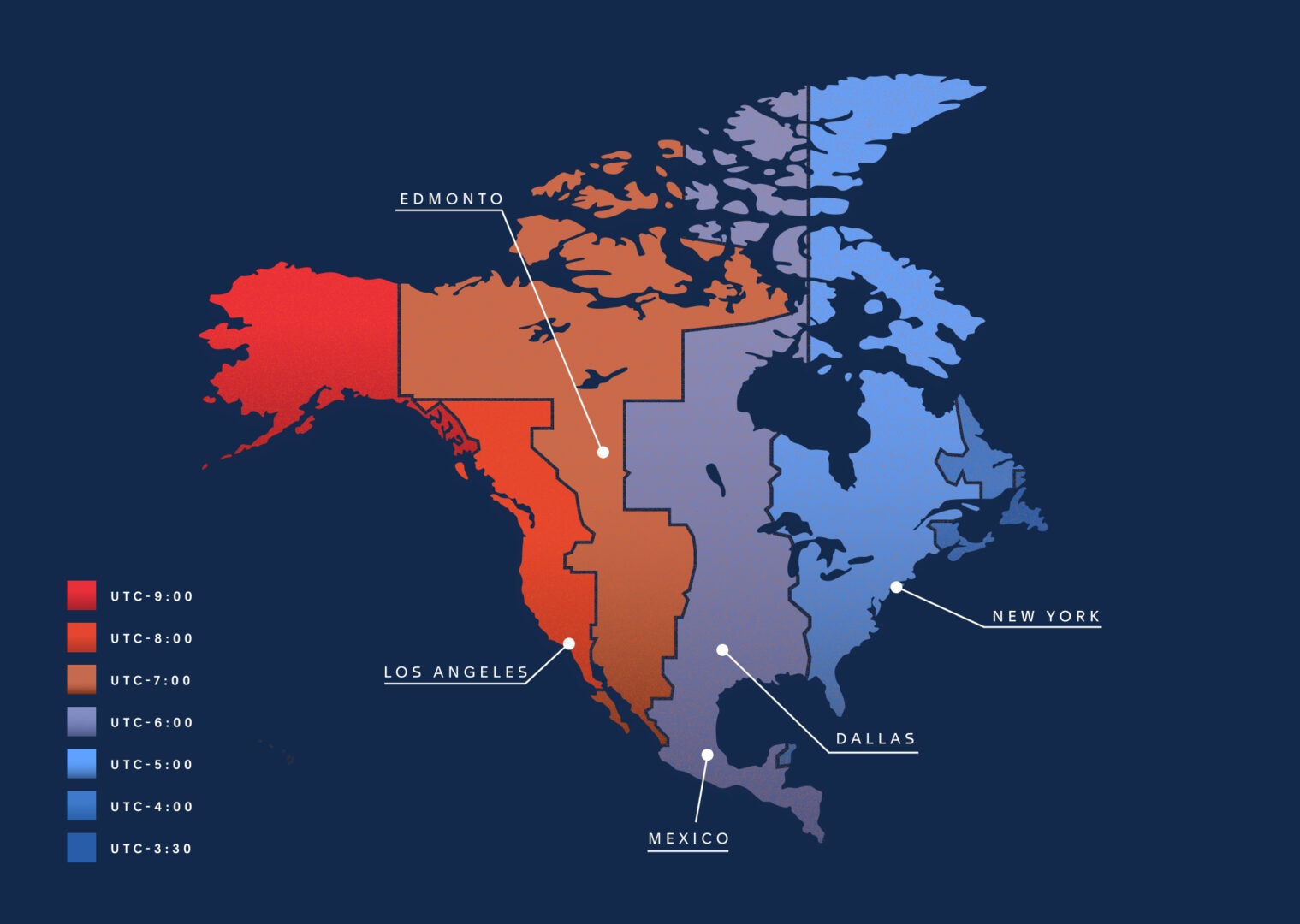
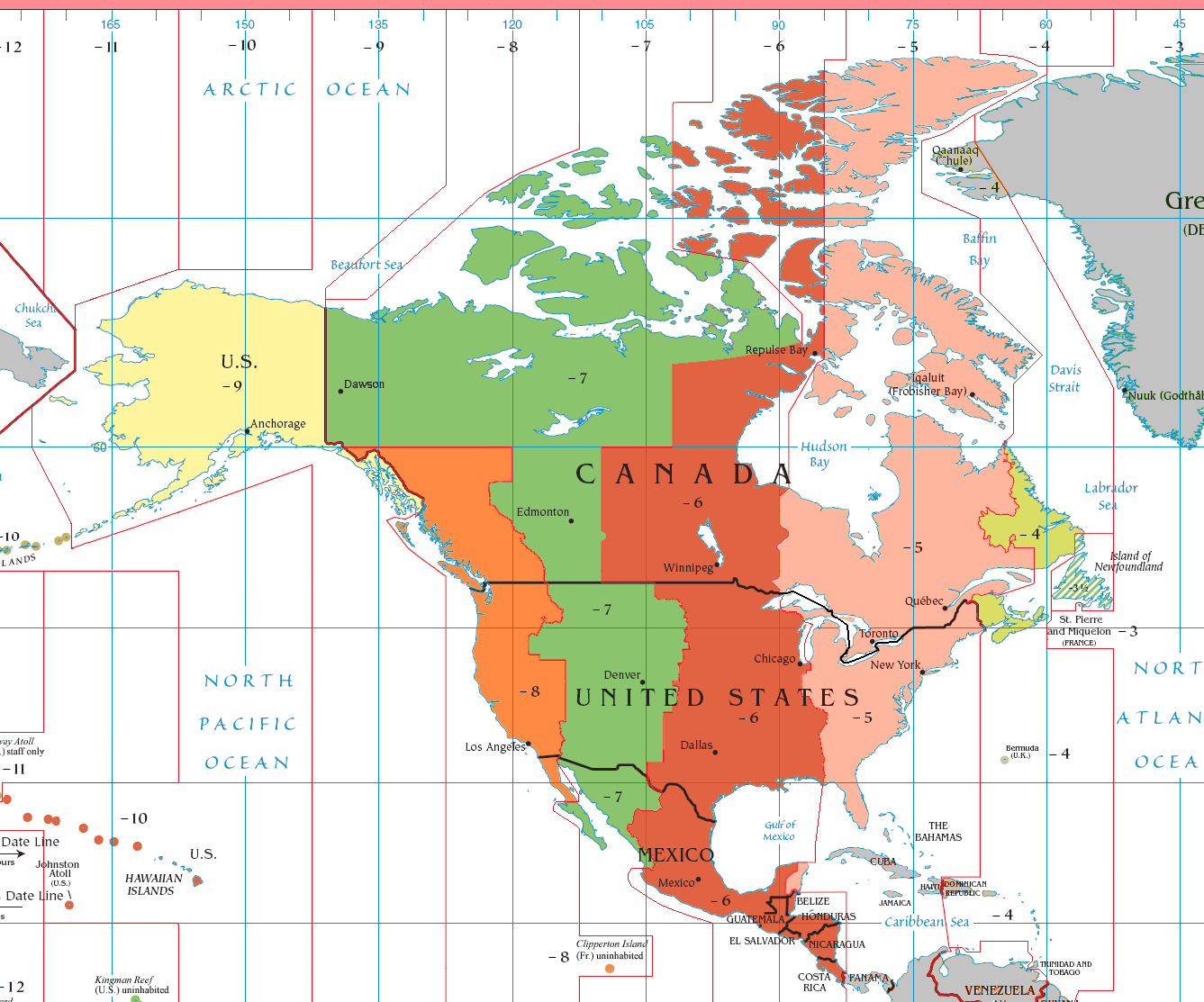
The answer to whether New Mexico observes Mountain Time is a resounding yes. However, the intricacies of time zones in the United States are rarely as simple as a single designation. New Mexico observes Mountain Standard Time (MST) during the winter months and Mountain Daylight Time (MDT) during the warmer periods, aligning with the majority of the Mountain Time Zone. This means that for a significant portion of the year, New Mexico is two hours behind Eastern Standard Time (EST) and one hour behind Central Standard Time (CST). This temporal placement has implications for everything from booking flights and hotels to coordinating with local businesses and understanding daylight hours for outdoor adventures.
Navigating the Temporal Landscape of New Mexico
Understanding New Mexico’s time zone is crucial for a seamless travel experience. This section delves into the specifics of Mountain Time and its implications for visitors.
The Nuances of Mountain Time
The United States is divided into several time zones, each reflecting the sun’s position across the vast continental expanse. The Mountain Time Zone, which encompasses New Mexico, spans a significant portion of the western United States. It is defined by its offset from Coordinated Universal Time (UTC). During standard time, it is UTC-7, and during daylight saving time, it shifts to UTC-6. This temporal alignment means that New Mexico shares its time with states like Colorado, Arizona (with a notable exception), Montana, Idaho, Wyoming, Utah, and parts of North Dakota, South Dakota, and Nebraska.
Daylight Saving Time and its Impact
Like most of the United States, New Mexico observes Daylight Saving Time (DST). This means that clocks are typically advanced by one hour in the spring and set back by one hour in the fall. For travelers, this transition is important to note. Flights scheduled to depart or arrive during the DST switch can be affected, and it’s always wise to confirm local times when making reservations or planning activities. The period of DST generally runs from the second Sunday in March to the first Sunday in November. During DST, New Mexico operates on MDT, which is UTC-6.
Arizona’s Unique Time Zone Exception
A fascinating point of temporal geography arises when considering Arizona. While most of Arizona lies within the Mountain Time Zone, the Navajo Nation in northeastern Arizona does observe DST. This creates a peculiar situation where different parts of the same state can be on different times during the DST period. However, for the vast majority of travelers visiting popular destinations like Phoenix, Tucson, or the Grand Canyon National Park, Arizona observes MST year-round and does not switch to MDT. This means that for most of the year, Arizona remains on the same time as New Mexico’s MST. During DST, when New Mexico switches to MDT, Arizona (outside the Navajo Nation) will be one hour behind New Mexico. This is a detail that can sometimes cause confusion for those traveling between these neighboring states. For those exploring the iconic Sedona or the artistic hub of Santa Fe, understanding this subtle difference, while perhaps not directly impacting their New Mexico itinerary, adds a layer of appreciation for the complexities of regional timekeeping.
Practical Implications for Travelers
For anyone planning a trip to New Mexico, understanding its time zone, Mountain Time, is essential for a smooth and enjoyable experience.
Planning Your Itinerary
When mapping out your adventures, knowing the local time is paramount. Whether you’re aiming to catch the sunrise over the White Sands National Park, explore the historic Plaza in Santa Fe, or visit the otherworldly landscapes of Carlsbad Caverns National Park, having the correct time ensures you don’t miss a moment. Booking tours, making restaurant reservations, or scheduling visits to attractions like the International Balloon Fiesta in Albuquerque all require accurate timekeeping. Consider that many of New Mexico’s most breathtaking natural wonders, such as Bandelier National Monument or the Gila Cliff Dwellings National Monument, are best experienced during daylight hours, making time zone awareness crucial for maximizing your exploration.
Accommodation and Booking
When booking your stay at a charming boutique hotel in Taos, a family-friendly resort in Ruidoso, or a luxurious suite in Albuquerque, always confirm the local time for check-in and check-out. If you’re comparing accommodation options on platforms like Booking.com or Expedia, ensure that any listed times are in sync with New Mexico’s current time. For those considering longer stays, understanding the time zone can also help with managing daily routines and scheduling activities outside of typical tourist hours. Whether you choose the historic charm of the La Fonda on the Plaza in Santa Fe or the modern amenities of a hotel near Sunport International Airport, punctuality is key.
Communication and Connections
Staying connected with friends, family, or business associates back home often involves navigating different time zones. If you’re on a business trip, attending meetings, or simply want to call home, knowing that New Mexico is typically two hours behind the East Coast can prevent miscommunications. Similarly, if you’re coordinating with others in different states or countries, having a clear understanding of Mountain Time will ensure smooth communication and prevent any scheduling conflicts. This is particularly important for business travelers utilizing services like Delta Air Lines or American Airlines for their travel to and from New Mexico.
Experiencing New Mexico: Timely Adventures and Cultural Immersion
Beyond the practicalities of time zones, New Mexico’s temporal alignment with Mountain Time influences the very rhythm of its cultural experiences and the timing of its natural spectacles.
Embracing the Daylight: Outdoor Activities and Landmarks
The vast, open skies and dramatic landscapes of New Mexico are best savored under the sun. From the sweeping vistas of the Bisti/De-Na-Zin Wilderness to the dramatic geological formations of Kasha-Katuwe Tent Rocks National Monument, daylight hours are your greatest asset for exploration. Planning your hikes in the Sangre de Cristo Mountains or your scenic drives along the Turquoise Trail to coincide with optimal daylight allows for the richest visual experiences and the safest journeys.
Sunrises and Sunsets
The “Land of Enchantment” truly lives up to its name during the golden hours. Witnessing a sunrise paint the desert skies or a sunset cast long shadows across ancient pueblo ruins is a quintessential New Mexico experience. Locations like Chaco Culture National Historical Park, a UNESCO World Heritage Site, offer profound moments of reflection as the day begins or ends. Similarly, the views from the Angel Fire ski resort area or the high desert plains near Roswell can be particularly stunning at dawn and dusk. Knowing the local time is crucial for being in the right place at the right moment to capture these natural spectacles.
Cultural Rhythms and Local Time
New Mexico’s culture is deeply intertwined with its history and its landscape. The pace of life in many of its towns and cities, particularly outside of Albuquerque, can be more relaxed than in bustling metropolises. Understanding Mountain Time helps travelers attune themselves to these local rhythms.
Festivals and Events
Many of New Mexico’s vibrant festivals and events are scheduled to take advantage of the daylight and the cultural calendar. The Santa Fe Indian Market, the Taos Pueblo Powwow, or the numerous local fiestas and agricultural fairs often have schedules that begin in the morning and extend into the early evening. Being aware of Mountain Time ensures you don’t miss the opening ceremonies, parades, or key performances. For those interested in the state’s rich artistic heritage, visiting galleries in Santa Fe or attending workshops in Taos can be seamlessly integrated into your schedule with careful time planning.
Culinary Delights
New Mexico’s renowned cuisine, characterized by its use of red and green chile, is best enjoyed at any hour, but knowing local dining times is essential. Many restaurants operate on standard lunch and dinner service hours, and while some may cater to tourists with extended hours, it’s always wise to confirm. Whether you’re seeking authentic enchiladas at a roadside diner or fine dining experiences in Santa Fe or Albuquerque, understanding the local schedule, influenced by Mountain Time, will guide your culinary explorations.
Beyond the Clock: Embracing the Spirit of New Mexico
While the practicalities of time zones are important for travel logistics, the true essence of New Mexico lies in its unique spirit and enduring charm. Its alignment with Mountain Time is just one facet of its identity.
The Allure of the Southwest
The Southwestern allure of New Mexico extends beyond its temporal coordinates. The state’s captivating blend of Native American, Hispanic, and Anglo cultures has shaped its architecture, art, music, and way of life. From the ancient cliff dwellings of Mesa Verde National Park (though technically in Colorado, its cultural influence is felt) to the modern art scene in Santa Fe, there is a timeless quality to this region. The vastness of its landscapes, from the Rio Grande Valley to the mountainous terrain, instills a sense of perspective and wonder that transcends the ticking of a clock.

Planning Your Enchanting Escape
When planning your adventure to New Mexico, whether it’s a luxury retreat at a resort like the Inn of the Five Graces in Santa Fe, a budget-friendly family trip exploring the Petroglyph National Monument, or a business stay in Albuquerque, remember that the Mountain Time zone is your temporal guide. Embrace the slower pace in some areas, marvel at the extended daylight for exploration, and savor the unique cultural experiences that the Land of Enchantment has to offer. By understanding the simple question of “Is New Mexico on Mountain Time?”, you unlock a deeper appreciation for how this state connects with the larger world, all while maintaining its own distinct and enchanting rhythm.
The exploration of New Mexico is an invitation to immerse yourself in a land of contrasts and enduring beauty. From the stark grandeur of the Belen desert to the artistic enclaves of Taos, every corner of this state offers a unique narrative. As you plan your travels, whether it’s a short visit to Las Cruces or an extended stay to explore the Jemez Mountains, keeping track of Mountain Time will serve as your reliable compass. This ensures that your journey is not only memorable but also seamlessly executed, allowing you to fully absorb the magic that makes New Mexico so exceptionally captivating.