
The allure of New York is undeniable. It’s a city that pulsates with energy, a melting pot of cultures, and a global hub for arts, finance, and fashion. From the iconic skyline punctuated by the Empire State Building to the vibrant streets of Times Square, it’s a destination that beckons travelers from every corner of the globe. Yet, for many, a persistent question lingers: Is New York a dangerous city? This article delves into the perception versus the reality of safety in the Big Apple, drawing upon insights related to travel, tourism, and lifestyle to provide a comprehensive overview for prospective visitors and residents alike.

Navigating Perceptions: Crime Statistics and Media Portrayal
The narrative surrounding crime in New York is often a complex one, shaped by historical trends, media sensationalism, and personal anecdotes. While the city has undeniably faced challenges with crime throughout its history, particularly in the latter half of the 20th century, the prevailing perception can sometimes lag behind the present reality. Understanding this dynamic is crucial for anyone considering a visit or a longer stay.
The Evolution of Safety in New York
It’s important to acknowledge that like any major metropolis, New York experiences crime. However, the city has undergone a significant transformation in its safety landscape over the past few decades. Data from the New York City Police Department (NYPD) consistently shows a dramatic reduction in crime rates from their peaks in the 1970s and 1990s. Major cities around the world, including London, Paris, and Tokyo, experience their own unique crime patterns and statistics, and New York is no exception. The perception of danger is often amplified by news cycles that tend to focus on isolated incidents, rather than the broader, statistically safer environment that New York offers for the vast majority of its visitors.
Understanding Crime Data: Nuance and Context
When examining crime statistics, context is paramount. New York is a city of over eight million people, with millions more visiting annually. The sheer volume of people and the diversity of its neighborhoods mean that crime, while present, is not evenly distributed. Understanding the types of crime that do occur and the areas where they are more prevalent can help travelers make informed decisions. For instance, petty theft, such as pickpocketing, can occur in crowded tourist areas, but these are largely opportunistic crimes that can be mitigated with basic precautions. More serious crimes are statistically far less common, especially for those who adhere to general safety guidelines. The New York Police Department’s proactive policing strategies and community engagement efforts play a significant role in maintaining public safety.
Experiencing New York Safely: Practical Travel and Tourism Tips
The vast majority of visitors to New York have safe and enjoyable experiences. The key lies in approaching the city with awareness and utilizing practical tips that apply to travel in any major urban center. From choosing accommodations to exploring its world-renowned attractions, a mindful approach can enhance your trip.
Accommodation Choices and Safety
When it comes to accommodation, New York offers a spectrum of options catering to every budget and travel style, from luxury resorts and boutique hotels to budget-friendly apartments and villas. The location of your chosen hotel or accommodation can play a role in your perception of safety. Staying in well-trafficked, tourist-friendly neighborhoods often means greater visibility and a stronger police presence. For example, hotels in areas like Midtown Manhattan, near attractions like Times Square and Rockefeller Center, generally benefit from constant activity and security.
Choosing Your Base: Neighborhoods and Amenities
When booking a stay at a place like the Grand Hyatt Hotel or considering apartments for a long-term stay, researching the specific neighborhood is advisable. While New York is incredibly diverse, some areas are more residential and less accustomed to heavy tourist foot traffic, which might contribute to a different feel. However, this doesn’t automatically equate to danger. Many neighborhoods outside the immediate tourist hubs offer authentic local experiences, vibrant food scenes, and unique attractions, such as the historic charm of Greenwich Village or the artistic enclaves of Bushwick. Ultimately, safety is often more about individual behavior than the specific neighborhood, provided you avoid genuinely high-risk areas late at night without good reason. Always check reviews regarding safety and the general atmosphere of the accommodation and its surroundings.
Exploring Attractions and Activities
New York is brimming with world-famous landmarks, cultural institutions, and unique experiences. From marveling at the architecture of the Chrysler Building to immersing yourself in art at the Metropolitan Museum of Art, the city offers endless possibilities. Most major tourist attractions are in safe, well-maintained areas with a strong police presence.
Navigating the City: Public Transport and Walking
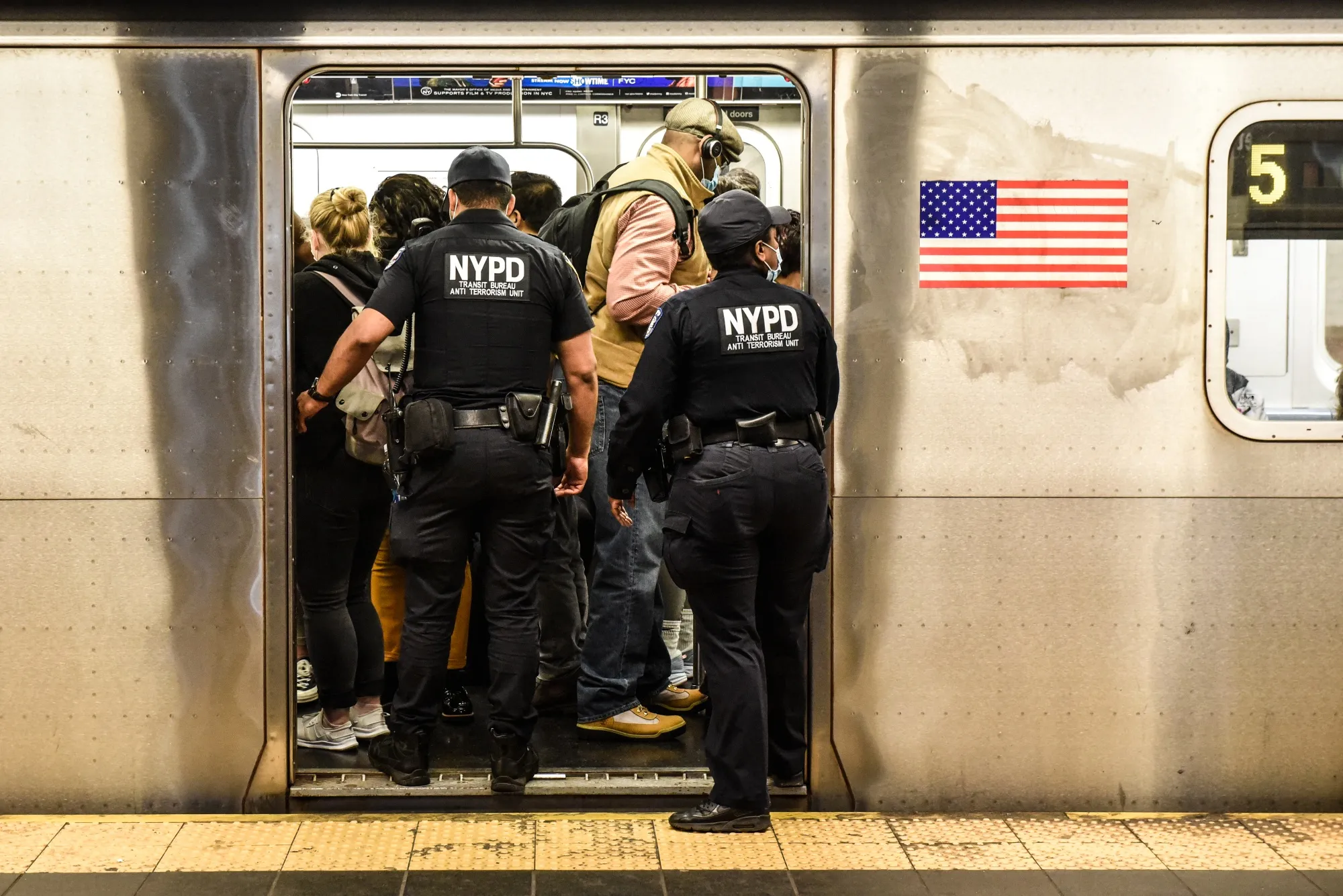
New York’s public transportation system, including the subway, is extensive and generally safe, especially during daytime hours. It’s a crucial part of the New York experience, allowing you to access diverse neighborhoods and attractions like the Statue of Liberty and Central Park efficiently. While the subway can sometimes feel crowded, particularly during peak hours, it’s a reliable mode of transport. As with any urban transit, it’s wise to be aware of your surroundings, keep valuables secure, and avoid walking alone in dimly lit or deserted subway stations late at night. Walking is also a fantastic way to discover the city, but it’s always advisable to stick to well-lit, populated streets, especially after dark.
Lifestyle and Safety: A Balanced Perspective
The perception of New York as dangerous can also be influenced by its portrayal in popular culture and its association with a fast-paced, sometimes gritty urban lifestyle. However, for many who live and visit, New York offers a rich and fulfilling lifestyle, with safety being an manageable aspect of city living.
The “Luxury” vs. “Budget” Divide in Safety Perceptions
There’s a common misconception that safety is a concern exclusive to certain demographics or budget levels. In reality, safety is a universal concern in any large city. Whether you are opting for luxury travel, staying in a high-end resort like the Plaza Hotel, or traveling on a budget and staying in hostels or affordable apartments, basic safety precautions remain the same. The New York Police Department serves all residents and visitors, and the city’s infrastructure is designed to support public safety across all boroughs. Understanding the local culture and adapting to the city’s rhythm can significantly enhance your sense of security.

Embracing the New York Experience
Ultimately, New York is a city that thrives on its energy and diversity. While it’s prudent to be aware of your surroundings, as you would be in any major city, the narrative of New York being an inherently dangerous place is largely outdated. Millions of tourists visit New York each year without incident, enjoying its world-class attractions, unparalleled dining, and vibrant cultural scene. From the grandeur of Central Park to the artistic vibrancy of the Metropolitan Museum of Art, New York offers a safe and unforgettable experience for those who approach it with common sense and a spirit of adventure. The city’s continuous efforts in maintaining public order, combined with informed personal vigilance, ensure that the Big Apple remains a captivating and largely safe destination for all.
LifeOutOfTheBox is a participant in the Amazon Services LLC Associates Program, an affiliate advertising program designed to provide a means for sites to earn advertising fees by advertising and linking to Amazon.com. Amazon, the Amazon logo, AmazonSupply, and the AmazonSupply logo are trademarks of Amazon.com, Inc. or its affiliates. As an Amazon Associate we earn affiliate commissions from qualifying purchases.