
For anyone considering a move to the Empire State, embarking on a long-term business trip, or simply exploring the vibrant job market in places like New York City, understanding the fundamental principles of employment law is crucial. Whether you’re a seasoned professional looking to transition into a new role or an aspiring individual dreaming of working amidst the iconic Manhattan skyline, the legal framework governing your employment can significantly impact your professional journey and overall lifestyle. The question “Is New York an at-will employment state?” is often among the first inquiries for those navigating its dynamic economic landscape. The straightforward answer is yes, New York is an at-will employment state, meaning that, in most circumstances, an employer can terminate an employee for any reason, no reason, or even a morally objectionable reason, as long as it’s not an illegal reason. Conversely, an employee is also free to leave their job at any time for any reason without fear of legal repercussions.
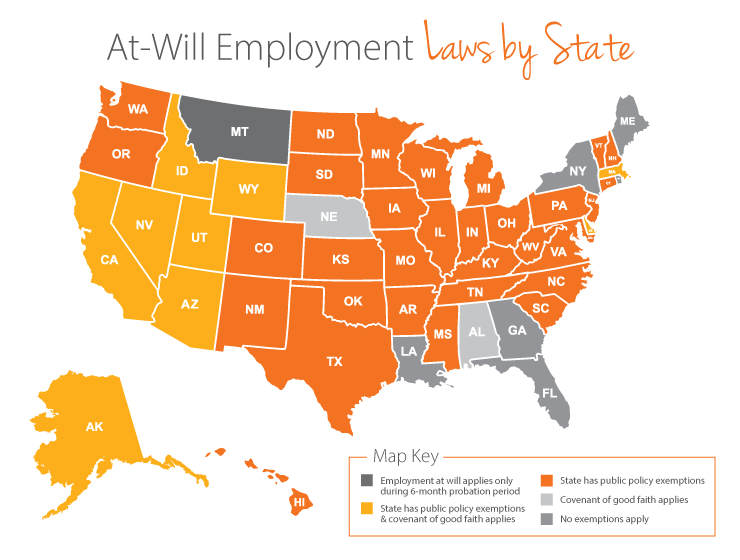
This principle, while seemingly simple, carries profound implications for both employers and employees across various sectors, from the bustling tourism and hospitality industries to the high-stakes world of finance and technology. For those drawn to New York’s allure, whether for a temporary work assignment or a permanent relocation, grasping the nuances of at-will employment is as essential as knowing the best accommodation options or the most captivating landmarks. It influences everything from how job offers are structured to the security (or lack thereof) of a position and the strategies one might employ when facing termination. While at-will employment is the default rule, it’s not without its exceptions, which are vital for anyone working or planning to work in this global hub to understand.
Understanding At-Will Employment in New York
The concept of at-will employment is a cornerstone of labor law in most of the United States, and New York adheres firmly to this doctrine. This fundamental principle shapes the relationship between employers and employees, offering flexibility but also requiring a clear understanding of rights and responsibilities.
The Basic Principle of At-Will Employment
At its core, at-will employment means that an employer can fire an employee, and an employee can quit their job, at any time and for any reason, without advance notice or cause, unless there’s an explicit contract or law stating otherwise. This grants immense flexibility to businesses operating in New York, allowing them to adjust their workforce dynamically to market demands, seasonal shifts in tourism, or evolving business strategies. For example, a hotel chain might scale down staff during an off-peak season, or a startup might let go of an employee whose skills no longer align with the company’s direction. From the employee’s perspective, it means they are not bound to a job and can pursue better opportunities, relocate, or simply choose to leave without penalty, fostering a sense of personal freedom in career choices.
This default rule assumes no duration for employment, contrasting with contractual employment where a specified term or condition for termination is often present. The rationale behind at-will employment is often cited as promoting economic efficiency and individual liberty. It allows businesses to quickly adapt to changing economic conditions and performance issues, which is particularly relevant in a fast-paced environment like New York, where industries like finance, tech, and entertainment are constantly evolving. However, it also places a significant burden on employees to understand their rights and protections, especially when navigating potential disputes.
Implications for Employees and Employers in a Dynamic Market
The at-will doctrine has significant implications for both parties. For employers, it simplifies the termination process, reducing administrative burdens and potential legal challenges associated with “just cause” requirements found in other jurisdictions or union contracts. This flexibility can be a boon for New York’s diverse economy, allowing businesses, from small boutiques in Brooklyn to multinational corporations in Manhattan, to manage their human capital effectively. However, it also demands that employers act ethically and legally, as wrongful termination lawsuits, while challenging, are still possible if the termination falls under one of the exceptions.
For employees, especially those new to New York or the United States employment system, the at-will nature of their job can feel precarious. It means that even after securing a dream job in New York City, job security is not guaranteed beyond the duration of a specific contract. This encourages individuals to continuously perform well, maintain professional relationships, and perhaps even to consider how their skills translate across different roles and industries. For those in fields that support tourism and travel, such as tour guides, concierges, or culinary staff, understanding the seasonal nature of some roles and the at-will principle can help them plan their careers and finances more effectively, perhaps even exploring opportunities for temporary work or extended stays in popular destinations.
The dynamic nature of New York’s job market, characterized by intense competition and rapid innovation, makes understanding at-will employment even more critical. Individuals considering long-term stays or relocation for work should thoroughly research potential employers, understand company policies, and perhaps seek professional advice to ensure they are well-prepared for the realities of the New York job landscape.
Key Exceptions to At-Will Employment in New York
While at-will employment is the general rule in New York, it’s not an absolute one. Several important exceptions exist that provide crucial protections for employees, limiting an employer’s ability to terminate staff arbitrarily. These exceptions are critical safeguards, particularly in a diverse and highly regulated state like New York, where legal protections are often more robust than in other parts of the United States.
Contractual Agreements
The most straightforward exception to at-will employment is the existence of an employment contract. When an employer and employee enter into a written or even an implied contract that specifies the duration of employment or the conditions under which termination can occur (e.g., “for cause only”), the at-will doctrine is superseded. These contracts typically outline terms such as job duties, compensation, benefits, and, critically, the grounds for termination, which might include specific performance failures, violations of company policy, or other stipulated reasons.
Such contracts are common for executives, highly specialized professionals, unionized workers, or in specific industries where long-term commitments are desirable. For instance, a general manager of a luxury hotel or a lead architect working on a major landmark development project might have an employment contract. Union agreements, pervasive in sectors like transportation, hospitality, and construction throughout New York City and beyond, also establish “just cause” requirements for termination, effectively removing union members from at-will status. It’s crucial for employees to carefully review any employment agreement before signing, as it will dictate their rights and obligations far more specifically than the general at-will rule.
Public Policy Exception

Although New York does not explicitly recognize a broad public policy exception that protects employees from termination for performing actions beneficial to the public good, certain statutes do provide protection in specific scenarios. These statutory protections act as a de facto public policy exception. The most prominent example is whistleblower protection laws. If an employee is terminated for reporting an employer’s illegal, unethical, or dangerous activities to the proper authorities (e.g., reporting health code violations at a restaurant or financial fraud at a corporation), such a termination could be deemed illegal under various state and federal laws, like the Whistleblower Protection Act or specific provisions within the New York Labor Law. These protections are vital for upholding transparency and accountability, particularly in a state that hosts major financial institutions and highly regulated industries.
Discrimination and Retaliation
Perhaps the most significant and widely invoked exceptions to at-will employment stem from anti-discrimination and anti-retaliation laws. Both federal and New York State laws prohibit employers from terminating employees based on protected characteristics or for engaging in protected activities.
- Discrimination: Employers cannot fire, refuse to hire, or discriminate against an individual with respect to compensation, terms, conditions, or privileges of employment because of race, color, religion, sex (including sexual orientation, gender identity, and pregnancy), national origin, age, disability, genetic information, or veteran status. New York has some of the strongest anti-discrimination laws in the nation. The New York State Human Rights Law and the even more expansive New York City Human Rights Law protect a wider range of characteristics, including creed, arrest or conviction record, domestic violence victim status, marital status, partnership status, sexual and reproductive health decisions, and unemployment status, among others. A termination motivated by any of these discriminatory factors is illegal, regardless of the at-will status.
- Retaliation: It is also illegal for an employer to terminate an employee in retaliation for exercising their legal rights. This includes filing a discrimination complaint, participating in an investigation, requesting a reasonable accommodation for a disability or religion, taking protected leave (like family or medical leave), or engaging in concerted activities with co-workers under the National Labor Relations Act (NLRA). For instance, if an employee working at a resort in the Catskills or a hotel in Queens complains about sexual harassment and is subsequently fired, that termination would likely be deemed illegal retaliation. These protections are critical in fostering a fair and equitable workplace environment, essential for attracting and retaining talent in a competitive global market like New York’s.
Implied Covenant of Good Faith and Fair Dealing (Limited Application)
While some states recognize an implied covenant of good faith and fair dealing in employment contracts, New York courts generally do not apply this exception to at-will employment. This means that, in New York, employers are not typically required to demonstrate “good faith” in terminating an at-will employee, nor are they generally prohibited from firing an employee to avoid paying commissions, bonuses, or other benefits unless there is a specific contract term addressing such. The interpretation of this covenant is very narrow in New York, usually limited to situations where an employer’s actions effectively deprive an employee of earned compensation. Therefore, employees should not rely on a broad “good faith” argument when challenging an at-will termination in New York.
Navigating Employment in the Empire State: Tips for Travelers, Expats, and Locals
Understanding the legal landscape of employment in New York is not just for lawyers; it’s a practical necessity for anyone looking to make a life or a career in the state, whether for a short-term business stay or a long-term relocation. The state’s unique blend of bustling urban centers like New York City and serene upstate regions around Albany means a diverse range of work environments and opportunities, each with its own set of nuances.
For Those Considering a Move to New York
For individuals from other states or countries considering a move to New York for work, understanding at-will employment is paramount. It affects how you negotiate a job offer, what questions you ask during interviews, and your overall career planning.
- Due Diligence: Before accepting a job, thoroughly research the company’s reputation, culture, and employee reviews. While at-will employment allows for easy termination, a company with high turnover or a history of disputes might signal a less stable environment.
- Negotiate Terms: If possible, especially for senior roles or those requiring specialized skills, try to negotiate an employment contract that outlines specific terms for termination. This might include severance packages, notice periods, or “for cause” termination clauses. This is a common strategy for individuals seeking greater security than the default at-will status provides.
- Know Your Rights: Familiarize yourself with the New York State Human Rights Law and, if applicable, the New York City Human Rights Law. Knowing the protected classes and activities can empower you to recognize and address potential discrimination or retaliation. Resources are available through the New York State Department of Labor and local legal aid societies.
- Professional Advice: For significant moves or complex employment situations, consulting with an employment law attorney in New York can provide invaluable guidance. They can help review contracts, explain your rights, and advise on potential challenges.
- Networking and Community: Building a strong professional network in New York can also provide a safety net. In an at-will environment, having connections can facilitate quicker transitions to new roles if a current position ends unexpectedly. This is particularly relevant for expats who might be navigating a new cultural and legal system simultaneously.
Impact on New York’s Diverse Industries
New York’s economy is incredibly diverse, encompassing everything from financial services and technology to arts, entertainment, tourism, and hospitality. The at-will employment doctrine impacts each of these sectors differently.
- Hospitality and Tourism: These sectors, especially robust in New York City, Niagara Falls, and the Hamptons, often experience seasonal fluctuations. At-will employment provides employers (e.g., hotels, resorts, attractions, tour operators) with the flexibility to staff up during peak travel seasons and scale back during quieter times. This dynamic demands adaptability from employees and an understanding that some roles may inherently be temporary or subject to fluctuating demand. For those pursuing a lifestyle centered around travel and exploring new destinations, this flexibility can be a double-edged sword, offering opportunities for diverse experiences but requiring constant readiness for change.
- Finance and Tech: In highly competitive and rapidly evolving industries like finance and technology, at-will employment allows companies to quickly adapt to market changes, pivot strategies, and manage talent. High-performance cultures often leverage this flexibility, making it essential for employees to continuously develop skills and prove their value. While compensation in these sectors can be very attractive, the trade-off often includes less explicit job security.
- Arts and Entertainment: This sector in New York, particularly in New York City (think Broadway, film production), heavily relies on project-based or contract work, which by its nature often includes specific termination clauses that override at-will. However, for administrative and support staff, at-will principles might still apply, necessitating a clear understanding of their employment status.

The Role of Employee Handbooks and Policies
Even in an at-will state, employee handbooks and company policies play a crucial role. While they typically reiterate the at-will nature of employment, certain clauses within them can sometimes create implied contracts or at least establish expectations that employers are expected to follow. For example, if a handbook outlines a progressive disciplinary policy, an employer might face challenges if they terminate an employee without adhering to those steps.
- Read Carefully: Always read and understand your employer’s handbook. It often contains vital information regarding conduct, benefits, and internal complaint procedures.
- Understand Internal Processes: If you believe you’ve been subjected to unfair treatment, discrimination, or retaliation, follow your company’s internal grievance procedures as outlined in the handbook. Document everything.
- Not a Contract, But Informative: While a handbook generally isn’t considered an employment contract that negates at-will status, its contents can provide valuable insight into company culture and expected practices.
In conclusion, New York is indeed an at-will employment state, a principle that underpins much of its vibrant and competitive job market. However, a nuanced understanding of its significant exceptions—including employment contracts, statutory public policy protections, and robust anti-discrimination and anti-retaliation laws—is essential for anyone working, living, or even just planning a lifestyle around career opportunities in this dynamic state. By being informed, proactive, and aware of legal protections, individuals can navigate the Empire State’s professional landscape with greater confidence and security.
LifeOutOfTheBox is a participant in the Amazon Services LLC Associates Program, an affiliate advertising program designed to provide a means for sites to earn advertising fees by advertising and linking to Amazon.com. Amazon, the Amazon logo, AmazonSupply, and the AmazonSupply logo are trademarks of Amazon.com, Inc. or its affiliates. As an Amazon Associate we earn affiliate commissions from qualifying purchases.