
The iconic skyline of New York City, a testament to human ambition and engineering prowess, stands tall against the backdrop of the Hudson River and the Atlantic Ocean. For millions, it’s a dream destination, a hub of culture, finance, and unparalleled experiences. Yet, a recent scientific study has cast a shadow over this glittering metropolis, posing a provocative question that resonates with urban planners, residents, and prospective travelers alike: Is New York City sinking? The answer, while nuanced, is a resounding yes, to a degree. This phenomenon, driven by a combination of geological factors and rising sea levels, presents a unique challenge for one of the world’s most vibrant urban centers. Understanding this complex issue is crucial not only for the city’s long-term sustainability but also for how we perceive and engage with its enduring allure as a global travel and lifestyle destination.
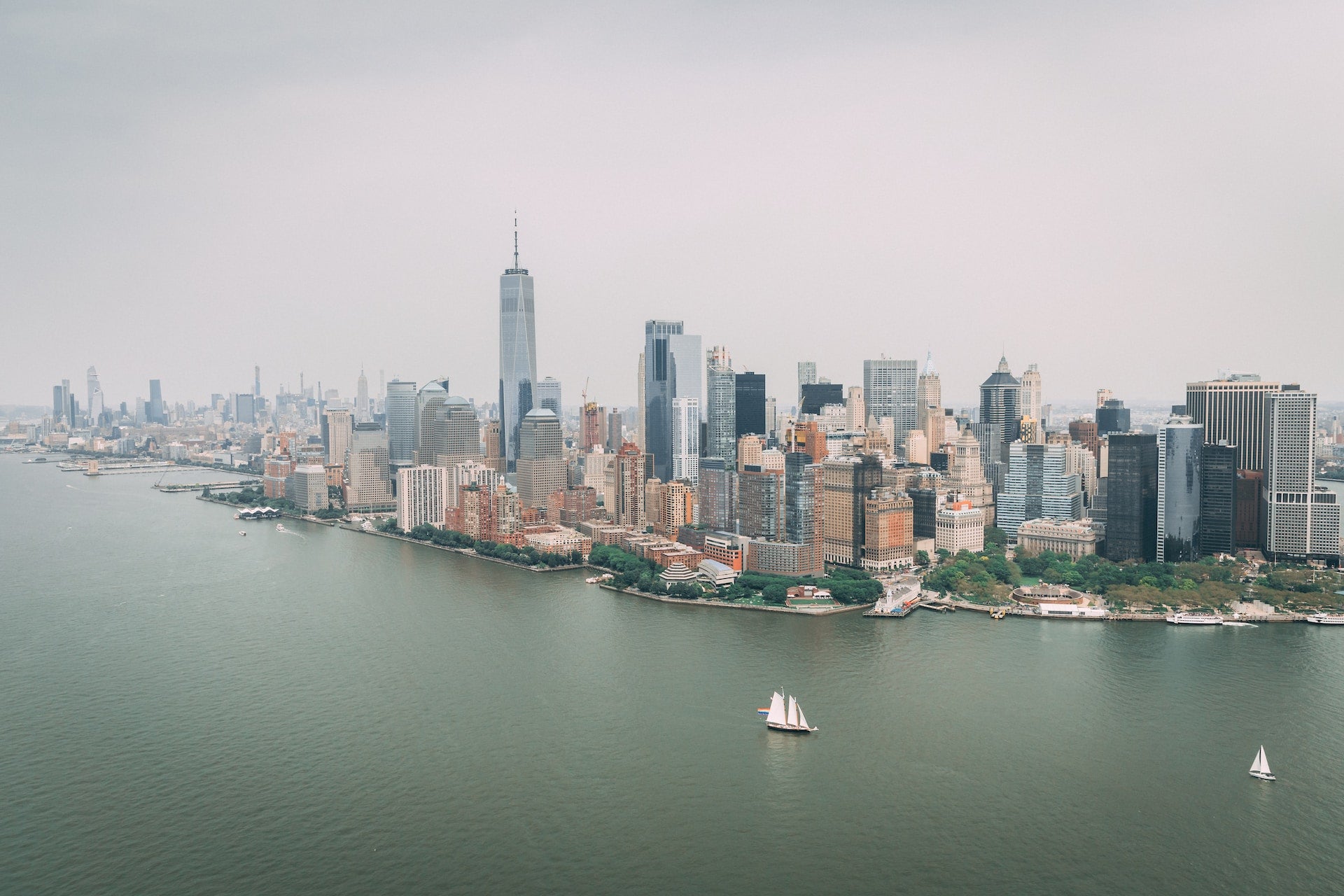
This groundbreaking research, which captured global headlines, highlights that the sheer weight of New York City’s colossal skyscrapers and expansive infrastructure is causing the land beneath it to subside. This subsidence, coupled with the accelerating pace of global sea-level rise, paints a picture of a city facing a dual environmental threat. For travelers planning their next unforgettable trip, or for those considering long-term accommodation, it prompts important questions about the future of this beloved locale. Despite these environmental considerations, New York City remains an unparalleled destination, continuously adapting and innovating. This article delves into the science behind the headlines, explores the city’s proactive measures, and reaffirms why the Big Apple continues to shine as a beacon for tourism, diverse accommodations, and an unrivaled lifestyle.
The Shifting Sands Beneath the Skyline: Understanding the Science
The notion of a city as formidable as New York City succumbing to the forces of nature might seem like a dystopian fantasy, but scientific inquiry suggests a tangible reality at play. Researchers at the U.S. Geological Survey, among others, have meticulously studied the dynamics of the land beneath the city, revealing a gradual but persistent subsidence. This isn’t merely an abstract geological concept; it’s a measurable process that has profound implications for a city built at the confluence of major rivers and an ocean. The unique geological makeup of the region, combined with the staggering anthropogenic load, creates a delicate balance that is slowly tipping.
A City Built on Sand and Steel: The Weight of Urbanization
At the heart of New York City’s subsidence lies the enormous mass of its built environment. Manhattan, the densest borough, is home to over 1.6 million people and an astounding number of skyscrapers, each weighing hundreds of thousands of tons. From the towering Empire State Building to the modern marvel of One World Trade Center, these structures exert immense pressure on the underlying soil and bedrock. While a significant portion of Manhattan sits on solid bedrock, particularly midtown and downtown, other areas, especially in Brooklyn, Queens, and parts of lower Manhattan, are built on softer, more compressible sediments like sand, clay, and artificial fill.
The study estimated that New York City’s infrastructure weighs approximately 1.7 trillion pounds – roughly equivalent to 140 million adult elephants. This immense weight causes the underlying ground to compact and settle, a process known as consolidation. Different areas of the city are subsiding at varying rates, depending on the composition of the subsurface. Some parts are sinking by a millimeter or two per year, while others, particularly those on less stable, unconsolidated sediments, are experiencing faster rates. This differential sinking can lead to localized stress on infrastructure and increased vulnerability to inundation. Understanding this geological reality is fundamental to planning future urban development and safeguarding the city’s iconic landmarks and burgeoning neighborhoods.
Rising Tides and Submerging Shores: The Climate Change Nexus
Compounding the issue of subsidence is the undeniable reality of global sea-level rise, a direct consequence of climate change. As polar ice caps melt and oceans warm and expand, sea levels around the world are steadily climbing. For New York City, situated at the mouth of a major estuary system, this rise is particularly critical. Over the past century, sea levels in the New York region have risen by nearly a foot, and projections indicate an accelerated increase in the coming decades. This means that even if the land were perfectly stable, the city would still face increasing threats from coastal flooding and storm surges.
When subsidence is combined with sea-level rise, the effective rate at which the city is losing elevation relative to the ocean doubles. Low-lying coastal areas, such as parts of Queens (Rockaway Beach), Brooklyn (Coney Island), and even critical transportation hubs like LaGuardia Airport, are increasingly vulnerable. The frequency and intensity of extreme weather events, exacerbated by climate change, further magnify these risks, as storm surges can now reach higher inland areas. This dual threat poses significant challenges for tourism infrastructure, waterfront accommodations, and the overall lifestyle of millions of New Yorkers, prompting urgent calls for robust resilience strategies and sustainable urban planning.
Navigating the Future: Urban Planning and Resilience Efforts
Recognizing the multifaceted challenges posed by subsidence and sea-level rise, New York City has embarked on an ambitious journey to fortify its defenses and adapt to a changing environment. This proactive approach is critical for preserving its status as a premier global destination for travel and a desirable place for diverse lifestyles. The city’s resilience strategies integrate cutting-edge engineering with community engagement, aiming to protect not just infrastructure but also the unique cultural fabric that makes New York so special. These efforts showcase a forward-thinking urbanism that balances development with environmental stewardship, ensuring that the city remains accessible and enjoyable for visitors seeking exceptional experiences and accommodation.
Building Stronger Foundations: Infrastructure Projects and Adaptive Strategies
New York City is investing billions of dollars in a comprehensive suite of infrastructure projects designed to mitigate the impacts of flooding and subsidence. One of the most prominent initiatives is the East Side Coastal Resiliency Project, a large-scale undertaking to create a new park and flood protection system along 2.4 miles of the East River coastline in Manhattan. This project includes floodwalls, elevated parkland, and deployable barriers that will protect thousands of homes and businesses, as well as critical infrastructure. Similar projects are planned or underway in vulnerable areas across the boroughs, including enhanced seawalls in Staten Island and green infrastructure development in Brooklyn.
Beyond physical barriers, the city is also exploring “soft” engineering solutions. These include the restoration of wetlands and oyster reefs in the New York Harbor, which naturally absorb storm surges and protect coastlines. Permeable surfaces, green roofs, and expanded parklands are being implemented to better manage stormwater runoff, reducing pressure on aging drainage systems and minimizing localized flooding. Building codes are being updated to require new constructions in flood zones to be elevated, and existing buildings are being retrofitted to enhance their resilience. These adaptive strategies are not just about protection; they’re about reimagining urban living in harmony with nature, creating more sustainable and enjoyable spaces for both residents and tourists.
A Call for Sustainable Development: Investing in a Resilient Future
The long-term vision for New York City’s resilience extends beyond immediate flood protection. It encompasses a broader commitment to sustainable development, recognizing that environmental challenges demand a holistic approach. This involves a sustained investment in renewable energy, improved public transportation, and waste reduction initiatives, all aimed at reducing the city’s overall carbon footprint and contributing to global efforts to combat climate change. Urban planners are increasingly incorporating climate resilience into every aspect of design, from new residential developments to hotel properties and major public spaces.
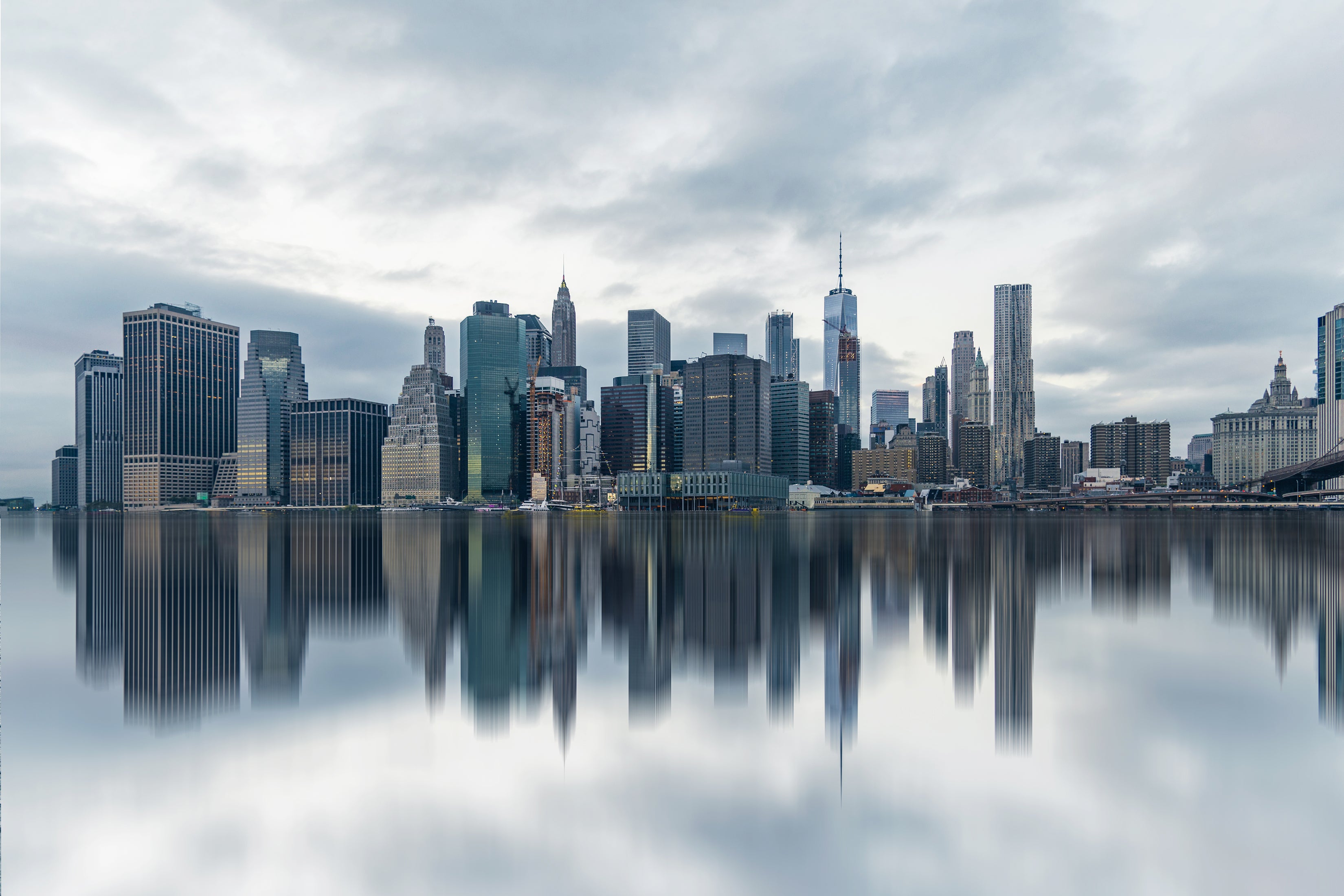
This commitment to sustainability also influences the tourism and hospitality sectors. Many hotels and accommodation providers are adopting greener practices, from energy-efficient operations to local sourcing of food, aligning with the growing demand for eco-conscious travel. Tourists visiting New York City can find numerous opportunities to engage with this sustainable ethos, whether by utilizing the extensive public transit system, visiting green spaces, or choosing environmentally responsible tours and activities. The city’s resilience planning is not just about survival; it’s about pioneering a model for urban sustainability that inspires other global cities and ensures New York City remains an iconic, welcoming, and vibrant destination for generations to come.
Experiencing the Enduring Appeal of the Big Apple: A Tourist’s Perspective
Despite the scientific discussions around subsidence and sea-level rise, New York City’s spirit remains undimmed, and its appeal as a global tourism hotspot is as strong as ever. Millions flock here annually, drawn by its magnetic energy, diverse culture, and unparalleled array of attractions. For travelers, the city continues to offer a wealth of experiences, from historic landmarks to cutting-edge art, world-class dining, and vibrant nightlife. The focus on resilience and sustainable development only adds another layer to the city’s narrative, showcasing its ability to adapt and thrive. Visitors can confidently plan their trips, knowing that the city is actively working to safeguard its future while delivering unforgettable moments.
Iconic Landmarks and Unforgettable Experiences Remain
The very landmarks that define New York City continue to stand proudly, offering the same breathtaking views and inspiring experiences. A visit to the Statue of Liberty and Ellis Island remains a poignant journey through American history. The bustling energy of Times Square, with its dazzling billboards and Broadway shows, is as captivating as ever. Central Park provides an urban oasis, perfect for leisurely strolls, picnics, or simply escaping the city’s hustle and bustle. Museums like The Metropolitan Museum of Art and the Museum of Modern Art continue to house world-renowned collections, while neighborhoods like Greenwich Village and Harlem offer rich cultural tapestries, live music, and diverse culinary adventures.
The city’s vibrant food scene, ranging from Michelin-starred restaurants to beloved street food vendors, offers endless possibilities for culinary exploration. Shopping enthusiasts will find everything from luxury boutiques on Fifth Avenue to unique independent shops in SoHo and the Lower East Side. For those interested in architecture, guided tours provide insights into the city’s iconic buildings and historic districts. The resilience efforts themselves can be seen as a testament to the city’s enduring spirit, becoming a part of its ongoing story that visitors can observe and appreciate.
Accommodation Choices and Travel Tips in a Changing City
New York City’s accommodation landscape is as diverse as its population, catering to every budget and travel style. From opulent luxury suites in world-renowned hotels like the St. Regis New York or the Plaza Hotel, to charming boutique hotels in Brooklyn, serviced apartments for longer stays, and budget-friendly hostels, there is truly something for everyone. When choosing accommodation, it’s wise to consider locations that are well-connected by public transport, offering easy access to attractions while potentially being less exposed to coastal vulnerabilities. Many modern hotels are also incorporating sustainable practices, providing eco-conscious travelers with options that align with their values.
For prospective visitors, booking in advance is always recommended, especially during peak seasons, to secure preferred hotels and favorable rates. Utilizing comparison websites and checking reviews can help in finding the best deals and ensuring a comfortable stay. Exploring the city on foot, by subway, or using ride-sharing services is efficient and environmentally friendly. Engaging with local tourism guides can provide deeper insights into the city’s culture, history, and even its ongoing resilience efforts. Embracing the diversity of New York City by venturing beyond Manhattan to explore neighborhoods in Brooklyn, Queens, and the Bronx offers a richer, more authentic experience of New Yorker life.
The Economic and Lifestyle Ripple Effects
The implications of a sinking city extend far beyond environmental concerns, rippling through its economic structure and influencing the everyday lifestyle of its residents. While New York City has always been a place of high costs and dynamic markets, the added layer of climate vulnerability introduces new complexities. Understanding these impacts is crucial for anyone considering living, investing, or even booking a long-term stay in the city, providing context to the ongoing evolution of New York City’s unique lifestyle.
Real Estate, Insurance, and the Cost of Living
The real estate market in New York City, already one of the most competitive and expensive globally, faces new pressures from climate-related risks. Properties in low-lying coastal areas, or those prone to regular flooding, could see adjustments in value over time. While the demand for New York City real estate remains incredibly high, especially for luxury apartments and prime Manhattan locations, potential buyers and renters are becoming increasingly aware of flood zones and resilience measures. This awareness can influence decisions regarding everything from purchasing a family home to investing in hotels or commercial properties.
Insurance costs are also directly impacted. As the frequency and severity of weather-related events increase, so too do the premiums for flood and property insurance, particularly in vulnerable areas. This adds to the already substantial cost of living in New York City, affecting everything from residential rents to operating costs for businesses, including hotels and tourism-related enterprises. However, the city’s proactive investment in resilience infrastructure aims to mitigate these risks, potentially stabilizing insurance markets and protecting property values in the long run. The balancing act between development, protection, and affordability is a continuous challenge for the city’s leadership.
Preserving New York City’s Unique Culture and Community
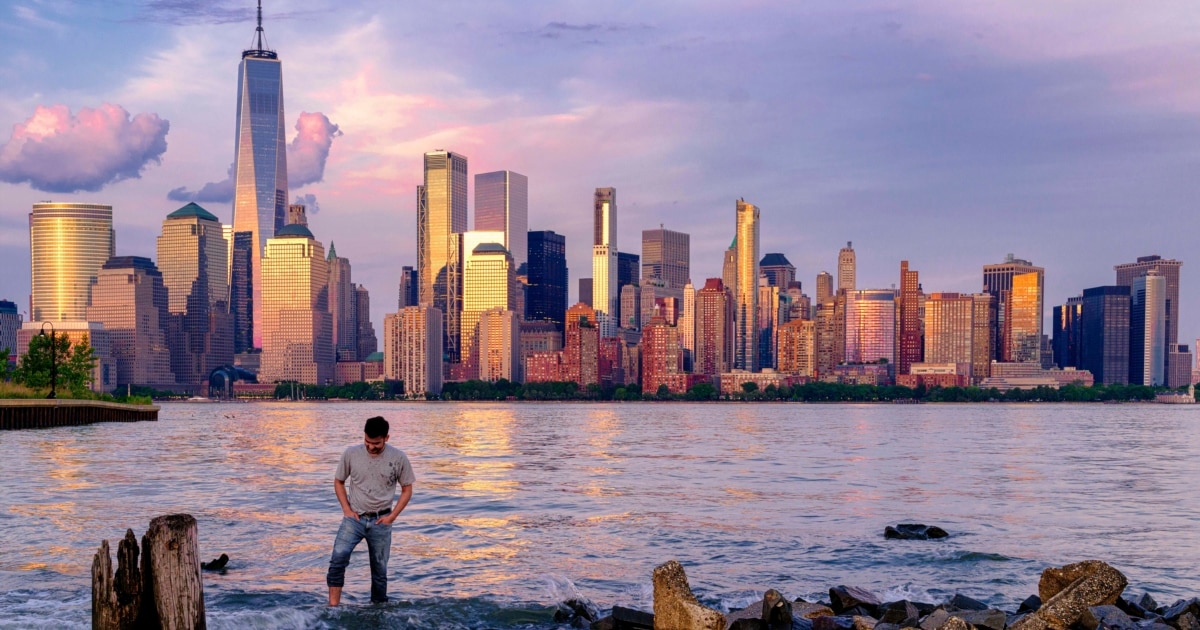
Beyond the economics, the potential for parts of New York City to experience increased flooding impacts the unique culture and community spirit that defines it. Many of the city’s most beloved neighborhoods, particularly those with vibrant local cultures, street art, and small businesses, are located in areas that may be more susceptible to environmental changes. Preserving these communities, their local culture, and their distinct lifestyle is a priority in the city’s resilience planning. This involves not only physical protection but also community engagement, ensuring that adaptation strategies are inclusive and support the social fabric.
The resilience of New Yorkers is legendary, often showcased in their ability to bounce back from adversity. This spirit is a vital component in navigating the challenges of a changing environment. Community-led initiatives, urban gardening projects, and local art installations often weave themes of sustainability and resilience into the everyday life of the city. For visitors, engaging with this vibrant community spirit, whether through local markets, cultural festivals, or simply enjoying a meal in a neighborhood restaurant, offers a deeper appreciation of what makes New York City truly special. The ongoing commitment to preserving its heritage and adapting for the future ensures that the city remains an unparalleled destination for travel, culture, and an inimitable lifestyle.
In conclusion, the question “Is New York City sinking?” receives a nuanced affirmative from science, confirming a gradual subsidence exacerbated by global sea-level rise. However, this scientific reality does not diminish the enduring allure and vibrant future of the Big Apple. Instead, it underscores the city’s remarkable capacity for adaptation and innovation. Through extensive infrastructure projects, a commitment to sustainable development, and the indomitable spirit of its residents, New York City is actively confronting these environmental challenges head-on. For travelers worldwide, New York City remains an unrivaled destination, offering a plethora of iconic landmarks, diverse accommodations, and rich cultural experiences. Its ongoing efforts to build a more resilient future ensure that the bright lights of Times Square, the serene beauty of Central Park, and the boundless energy of its streets will continue to captivate and inspire for generations to come. New York City isn’t merely surviving; it’s evolving, making it an even more fascinating and meaningful place to visit, explore, and live.
LifeOutOfTheBox is a participant in the Amazon Services LLC Associates Program, an affiliate advertising program designed to provide a means for sites to earn advertising fees by advertising and linking to Amazon.com. Amazon, the Amazon logo, AmazonSupply, and the AmazonSupply logo are trademarks of Amazon.com, Inc. or its affiliates. As an Amazon Associate we earn affiliate commissions from qualifying purchases.