
The question “Is New York New England?” is one that often sparks debate among travelers and history enthusiasts alike. While geographically proximate and sharing a rich tapestry of American history, the definitive answer is no: New York is not part of New England. This common misconception often arises from their shared colonial heritage, the picturesque landscapes of the Northeastern United States, and their collective appeal as premier travel destinations. However, a deeper dive into their distinct histories, cultural identities, economic drivers, and tourism offerings reveals why they are fundamentally separate regions, each with its own unique charm and allure.
For anyone planning a trip to this vibrant corner of the world, understanding these distinctions is crucial for crafting the perfect itinerary, whether you’re seeking the bustling urban energy of New York City or the quaint historical villages and rugged coastlines of New England. This article will explore the geographical, historical, cultural, and experiential differences that firmly establish New York as its own distinct entity, while also acknowledging the points of connection that might lead to confusion.
The Geographical and Historical Divide
To truly understand why New York stands apart from New England, we must first look at the official definitions and the foundational stories that shaped these regions. These distinctions go far beyond mere lines on a map; they represent centuries of differing developments and identities.
Defining New England’s Borders
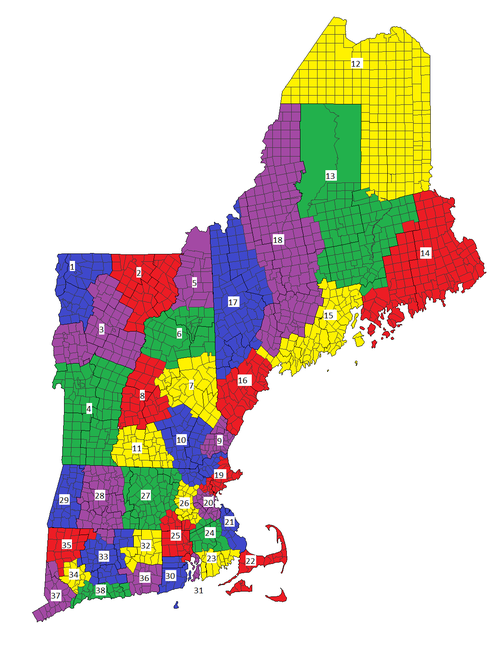
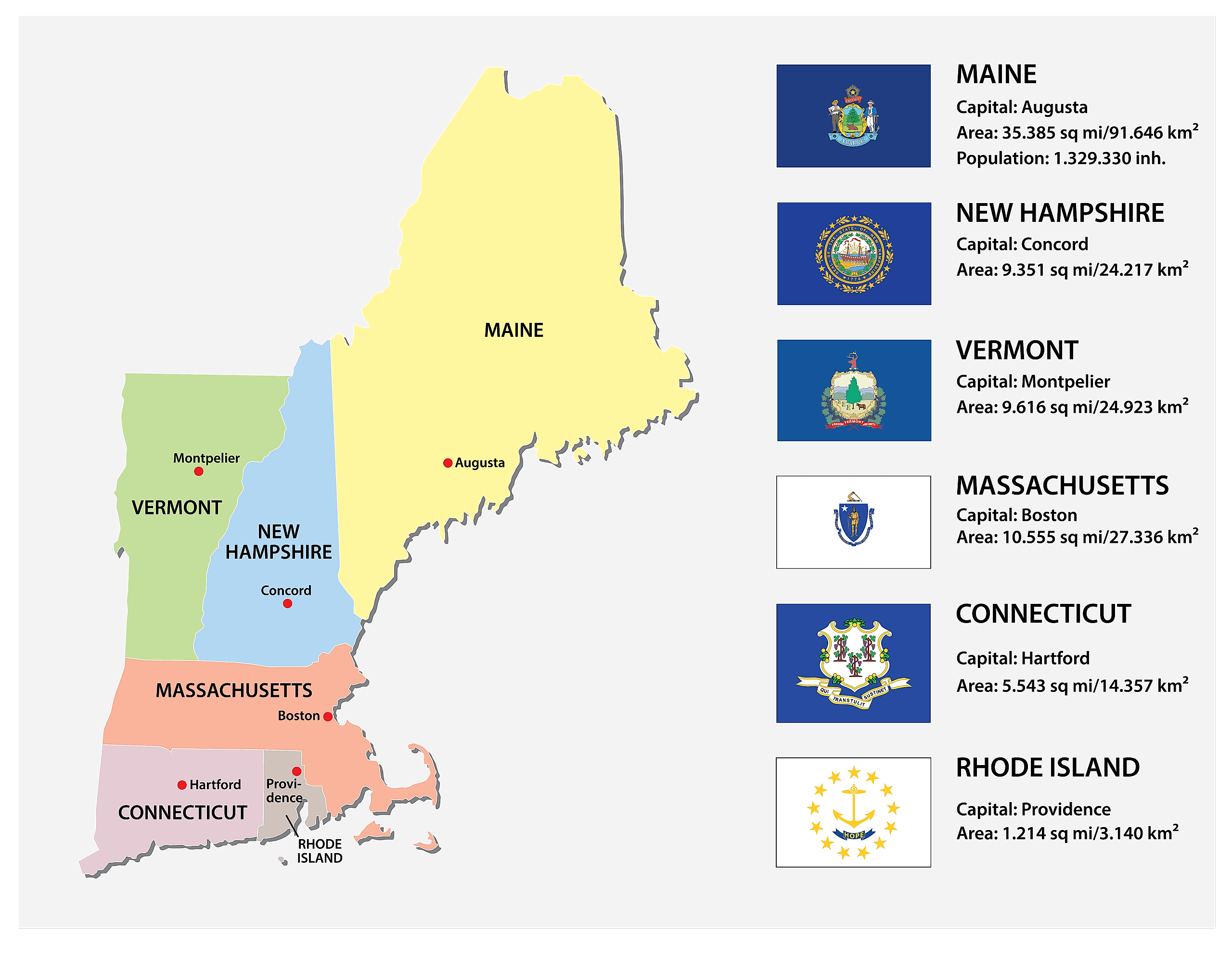
New England is a well-defined historical and geographical region composed of six states: Connecticut, Maine, Massachusetts, New Hampshire, Rhode Island, and Vermont. These states share a deep-rooted cultural identity, often characterized by their colonial architecture, strong community ties, and a unique dialect. From the rocky shores of Maine to the rolling Green Mountains of Vermont, and the historic intellectual hubs of Massachusetts, the region boasts a cohesive identity.
New York State, while bordering Connecticut, Massachusetts, and Vermont to its east, is not included in this traditional grouping. Instead, New York is considered part of the Mid-Atlantic region, or sometimes more broadly, the Northeast. Its vast and diverse landscape stretches from the bustling global metropolis of New York City in the south, through the scenic Hudson Valley and the Catskill Mountains, up to the majestic Adirondacks and the breathtaking Niagara Falls on its western border. This expansive geography already hints at a broader scope than its New England neighbors.
A Tale of Two Colonial Histories
The foundational histories of New York and New England represent perhaps the most significant divergence. New England’s roots are deeply entwined with the Puritan settlers who established the Plymouth Colony in 1620 and the Massachusetts Bay Colony in 1630. Their vision of a “city upon a hill” fostered a unique social, religious, and political culture that permeated the entire region. This Puritan influence is still visible today in the region’s town planning (village greens, meeting houses), emphasis on education (leading to institutions like Harvard University and Yale University), and a certain stoic independence.
In stark contrast, New York’s origins are distinctly Dutch. It was initially colonized as New Netherland by the Dutch West India Company in the early 17th century, with its capital, New Amsterdam, located on present-day Manhattan Island. The Dutch, primarily focused on trade and commerce, fostered a much more diverse and cosmopolitan society from its inception. Religious tolerance and a vibrant merchant class were hallmarks of New Netherland long before the English took control in 1664 and renamed it New York. This early emphasis on trade, diversity, and enterprise laid the groundwork for New York’s future as a global economic and cultural powerhouse, distinguishing it sharply from the more religiously homogeneous and agrarian initial settlements of New England.
Cultural Tapestry and Lifestyle Differences
The disparate historical foundations naturally led to vastly different cultural landscapes and lifestyles, offering distinct experiences for both residents and travelers. These differences are particularly evident in the urban fabric, culinary scene, and architectural styles.
Urban Dynamism vs. Quaint Charms
New York City, often simply referred to as NYC, is an unparalleled global metropolis, a melting pot of cultures, ideas, and ambitions. Its fast-paced, high-energy environment is defined by its iconic skyscrapers, 24/7 rhythm, and a constant influx of people from every corner of the globe. The lifestyle here is about ambition, diversity, and access to an overwhelming array of cultural experiences, from Broadway shows and world-class museums like the Metropolitan Museum of Art and the Museum of Modern Art (MoMA), to cutting-edge fashion and finance on Wall Street. Luxury travel experiences, high-end dining, and business stays are central to the New York experience.
In contrast, New England’s urban centers, while historically significant, are generally smaller and possess a more traditional, “quaint” charm. Boston, the largest New England city, is rich in American history with its Freedom Trail and colonial architecture, but it maintains a more measured pace than NYC. Other cities like Providence or Burlington (Vermont) offer vibrant arts scenes and excellent food, but on a more human scale. The New England lifestyle often emphasizes outdoor activities like skiing in Vermont or New Hampshire’s White Mountains, sailing off the coast of Maine, or exploring the idyllic countryside. Family trips and quieter, nature-focused getaways are popular, often offering more budget travel options than the Big Apple.
The culinary landscapes also diverge significantly. New York boasts an unparalleled international food scene, where you can find authentic cuisine from virtually every country in the world, often within a few blocks. From Michelin-starred restaurants to diverse street food vendors, it’s a paradise for foodies seeking global flavors. New England, while having excellent dining, is more renowned for its regional specialties: fresh lobster and seafood, clam chowder, maple syrup products, and classic comfort foods.
Architectural Styles and Landmarks
The visual identity of each region tells a compelling story. New York’s skyline is an architectural marvel, dominated by towering skyscrapers like the Empire State Building, the Chrysler Building, and the modern structures of the World Trade Center. Landmarks such as the Statue of Liberty, Ellis Island, and the Brooklyn Bridge symbolize immigration, ambition, and innovation. The city’s neighborhoods like Greenwich Village and SoHo offer historic brownstones and cast-iron architecture, but the overarching impression is one of verticality and modernity.
New England, on the other hand, is characterized by its colonial and Federal-style architecture. Historic towns feature charming white-steepled churches, clapboard houses, and picturesque village greens. Iconic landmarks include the Paul Revere House and Faneuil Hall in Boston, the elegant Newport Mansions in Rhode Island, and countless lighthouses dotting the dramatic coastline. Even its natural landmarks, such as the rugged beauty of Acadia National Park in Maine or the serene Lake Champlain between New York and Vermont, evoke a sense of timeless natural beauty, distinct from New York’s more urban-centric marvels.
Travel and Tourism: Distinct Experiences
When it comes to travel and tourism, both New York and New England are world-class destinations, yet they cater to different preferences and offer unique experiences. Understanding these differences helps travelers choose the ideal destination for their next adventure.
Destination Appeal
New York is often seen as a bucket-list destination for its unparalleled array of attractions and experiences. New York City alone offers a lifetime of exploration: catching a show on Broadway, strolling through Central Park, marveling at Times Square‘s dazzling lights, visiting world-renowned museums like the Guggenheim Museum or the American Museum of Natural History, or ascending to the Top of the Rock for panoramic views. Beyond NYC, Upstate New York draws visitors with the natural wonder of Niagara Falls, the pristine wilderness of the Adirondack Mountains, the charming wineries of the Finger Lakes, and the historical sites of the Hudson Valley. New York offers a comprehensive travel guide to urban sophistication, outdoor adventure, and historical significance.
New England shines with its distinct seasonal beauty and historical richness. It’s world-famous for its spectacular fall foliage, drawing millions to scenic routes like New Hampshire’s Kancamagus Highway or the backroads of Vermont. The coastal regions, including Cape Cod, Martha’s Vineyard, and Nantucket in Massachusetts, or the rocky coast of Maine, offer idyllic beach towns, fresh seafood, and maritime heritage. Winter sports enthusiasts flock to resorts in Vermont and New Hampshire. History buffs can explore the Freedom Trail in Boston, the historic whaling town of Mystic Seaport in Connecticut, or the site of the Boston Tea Party Ships & Museum. New England offers a tapestry of historical landmarks, natural beauty, and charming small-town experiences.
Accommodation and Hospitality
The lodging scene reflects the distinct character of each region. New York City is home to some of the world’s most iconic and luxurious hotels, from historic grand dames like the Plaza Hotel and St. Regis to sleek contemporary suites and trendy boutique properties in neighborhoods like the Flatiron District or SoHo. Accommodation options are vast, including serviced apartments for longer stays and a wide range of price points, though generally at a premium. For those seeking unique amenities or exclusive experiences, New York offers unparalleled choices.
New England’s hospitality sector often leans into its historical and natural strengths. Travelers can find charming bed and breakfasts in colonial homes, historic inns with period furnishings, cozy lakeside cabins, and elegant coastal resorts. Many accommodations offer a more personalized, intimate experience, often with a focus on local produce and rustic charm. Villas and vacation rentals are popular, especially in scenic areas like Cape Cod or the Berkshires. While there are luxury options, the overall vibe is often more about understated elegance and connection to the region’s heritage. Booking platforms frequently highlight unique properties that offer a taste of local culture and history, perfect for those seeking an authentic New England experience.
Bridging the Gap: Shared Connections and Misconceptions
Despite their fundamental differences, it’s easy to see why the question of New York’s relation to New England persists. There are undeniable points of intersection and shared heritage that contribute to this common misconception.
Proximity and Shared History
Geographical proximity is perhaps the most obvious reason for the confusion. New York physically borders three New England states, making it a natural extension for travelers exploring the Northeast. Many travelers combine a visit to New York City with a road trip through New England’s scenic countryside, blurring the lines of regional identity in their minds.
Furthermore, both regions played pivotal roles in the American colonial period and the Revolutionary War. While their origins were distinct, they ultimately united against British rule. Figures like Alexander Hamilton from New York and John Adams from Massachusetts shaped the nascent United States. This shared chapter in national history often leads to an oversimplification of their earlier, more divergent paths. The industrialization era also saw connections, with shared economic interests and migratory patterns across the Northeast.

Why the Confusion?
The “Northeast” as a broader geographical term can also contribute to the ambiguity. For many outside the region, the entire area from Pennsylvania up to Maine might be casually grouped together. This generalization overlooks the distinct cultural pockets within. Additionally, cultural influences sometimes cross borders; for example, some towns in eastern New York State, particularly in the Hudson Valley and along the Connecticut border, might exhibit architectural or community characteristics that feel somewhat similar to their New England neighbors, showcasing a natural cultural diffusion rather than a shared core identity.
Finally, marketing and tourism campaigns sometimes group “Northeast getaways” without making granular distinctions, leading travelers to believe that the experiences are interchangeable or part of a single, uniform region. This underscores the importance of a clear understanding of regional definitions for those seeking specific cultural insights or travel experiences.
In conclusion, while New York and New England are geographically neighbors and share elements of a broader American history, they are undeniably distinct regions. New York, with its Dutch origins and unparalleled global metropolitan character, stands apart from New England’s Puritan roots, quaint charm, and cohesive regional identity. Each offers an incredibly rich and unique tapestry of local culture, food, activities, and accommodations, inviting travelers to explore their individual splendors. Whether you’re drawn to the towering ambition of New York City or the serene historical beauty of a New England village, both promise unforgettable experiences for every type of traveler.
LifeOutOfTheBox is a participant in the Amazon Services LLC Associates Program, an affiliate advertising program designed to provide a means for sites to earn advertising fees by advertising and linking to Amazon.com. Amazon, the Amazon logo, AmazonSupply, and the AmazonSupply logo are trademarks of Amazon.com, Inc. or its affiliates. As an Amazon Associate we earn affiliate commissions from qualifying purchases.