
The question “Is New York City sinking?” sparks understandable curiosity and concern among prospective visitors and residents alike. For millions who journey to this global hub seeking unforgettable travel experiences, world-class accommodation, and iconic landmarks, the idea of the metropolis slowly subsiding into the Atlantic is a profound thought. New York City is a vibrant ecosystem of tourism, culture, and a captivating lifestyle. From the soaring heights of the Empire State Building to the bustling energy of Times Square and the tranquil expanse of Central Park, this city has long symbolized human ambition and resilience. Scientific studies confirm that it experiences gradual sinking, known as subsidence, a phenomenon exacerbated by the broader global challenge of sea level rise. This article delves into the complexities behind this intriguing question, exploring the geological forces at play, the human impact of urban development, and the proactive measures the city is undertaking to protect its future as a premier global destination. Understanding these dynamics is key to appreciating the enduring spirit and ongoing evolution of this extraordinary city.
The Unseen Forces: Understanding Subsidence Beneath the Metropolis
The notion of a city “sinking” might conjure images of mythical cities lost to the sea, but in New York City’s case, it refers to a measurable, albeit slow, geological process. This subsidence is a scientifically documented reality, driven by a combination of natural geological factors and the immense pressures of modern urban development. The bedrock upon which much of Manhattan and parts of the other boroughs sits is robust, but not uniformly so, and the sheer weight of its human-made environment exerts significant stress on the underlying earth. Understanding these forces is crucial for anyone interested in the long-term sustainability of such a vital global hub for travel, business, and culture.
Geological Factors and Post-Glacial Rebound
One primary natural driver of subsidence in the New York region dates back thousands of years to the last Ice Age. Massive ice sheets pressed down on the Earth’s crust, and as they retreated, the land began to rebound upwards (post-glacial rebound). However, regions on the periphery of these ancient ice sheets, like much of the Eastern Seaboard including New York, are experiencing a compensatory sinking. It’s a geological seesaw effect: as one area rises, another slowly subsides. This natural process contributes a background rate of sinking, independently of human activity. Furthermore, the varying geological composition beneath the city, including areas with softer sediments and landfill, means different parts of New York are more susceptible. For instance, Brooklyn and Queens, built on more compressible glacial deposits and marshlands, might experience different rates of subsidence compared to the more bedrock-dense areas of Manhattan.
The Weight of a City: Urban Development and Infrastructure
Beyond ancient geological forces, the modern city itself significantly contributes to its own subsidence. New York City is famously dense, packed with towering skyscrapers, sprawling infrastructure, and millions of residents and daily visitors. Each building, from a quaint Greenwich Village townhouse to the colossal World Trade Center complex, exerts immense gravitational pull downwards. Studies estimate the cumulative weight of New York City’s buildings alone amounts to trillions of pounds. This enormous weight compacts the underlying soil and sediments, particularly in areas built on softer ground or landfill. The construction of new high-rises and large-scale developments continues to add to this burden. For developers of hotels, resorts, and other accommodation options, foundation engineering becomes an ever more critical consideration, ensuring the stability of these structures in the face of ongoing geological shifts. The intricate network of subways, tunnels, and utilities further illustrates the complexity of building and maintaining a megalopolis that is slowly pressing itself deeper into the Earth.
Rising Waters: The Dual Threat of Sea Level Rise
While subsidence represents a lowering of the land, the parallel and arguably more immediate threat to New York City comes from the rising waters of the Atlantic Ocean. Sea level rise, a direct consequence of global climate change, magnifies the impact of the city’s sinking. For a city defined by its waterfronts, from the Hudson River to the East River and the expansive bays, rising sea levels pose significant challenges to urban planning, infrastructure, and the daily lifestyle of its inhabitants and visitors. The combination of land sinking and water rising creates a particularly precarious situation, one that demands innovative solutions and strategic foresight for the city’s future as a global tourism hotspot.
Global Climate Change and Coastal Vulnerability
Global sea level rise is primarily driven by two factors: the thermal expansion of ocean water as it warms, and the melting of glaciers and ice sheets worldwide. As a result, coastal cities globally face increasing risks of flooding, erosion, and storm surges. New York City’s geographic position, with its extensive coastline and numerous low-lying areas, makes it particularly vulnerable. Over the past century, local sea levels in the New York region have risen significantly, a rate expected to accelerate in the coming decades. This poses an existential threat to waterfront accommodation options, beloved attractions, and essential transportation networks. Travelers seeking to experience the city’s unique blend of history and modernity need to be aware that the landscape, particularly its interaction with water, is continuously evolving.
The Threat to New York’s Iconic Waterfronts and Infrastructure
The consequences of combined subsidence and sea level rise are profound for New York City. Iconic areas such as Lower Manhattan, the Financial District, and parts of Brooklyn and Queens are particularly susceptible to recurrent flooding. Critical landmarks like the Statue of Liberty and Ellis Island, both situated in New York Harbor, are at heightened risk, necessitating protective measures. The impact extends beyond visible landmarks to the city’s vital infrastructure: subway tunnels, power grids, and transportation routes are all vulnerable. The devastating effects of Hurricane Sandy in 2012 offered a stark preview of what could become more frequent occurrences, disrupting everything from hotel operations to local food experiences and the overall ability to enjoy the city’s vast offerings. The threat is not just to physical structures but also to the tourism economy, which relies heavily on accessibility and the seamless operation of city services. Future coastal defense projects, urban planning, and adaptive architecture will be key in mitigating these risks and preserving New York’s enduring appeal as a travel destination.
Building Resilience: Protecting New York’s Future
Despite the scientific realities of subsidence and sea level rise, New York City is far from resigned to its fate. As a city renowned for its adaptability and innovation, it is actively developing and implementing ambitious strategies to build resilience and safeguard its future. These efforts encompass wide-ranging initiatives, from groundbreaking engineering projects to progressive urban planning policies, all aimed at protecting its residents, its invaluable landmarks, and its thriving tourism industry. For those considering a visit, these ongoing endeavors highlight the city’s commitment to remaining a vibrant and accessible destination for generations to come.
Coastal Protection and Urban Adaptation Projects
New York City is investing billions of dollars in comprehensive coastal protection projects designed to mitigate the risks of flooding and storm surges. One of the most prominent examples is the East Side Coastal Resiliency (ESCR) project, an ambitious plan to create an integrated flood protection system along Manhattan’s East River waterfront, incorporating seawalls, elevated parks, and floodgates. Similar projects are underway or planned for vulnerable areas in Brooklyn, Queens, and Staten Island. These initiatives often blend hard infrastructure, like flood barriers, with green infrastructure solutions such as wetlands and permeable surfaces, which can absorb water and create natural buffers. The goal is not just to build walls but to integrate resilience into the urban fabric, enhancing public spaces while offering critical protection. These projects also present unique opportunities for visitors to observe the city’s commitment to sustainability and innovative design.
Ensuring a Resilient Future for Travel and Accommodation
The resilience efforts extend directly to the travel and accommodation sectors. Developers of new hotels and resorts, particularly those in waterfront locations or flood zones, are now incorporating advanced flood-proofing measures into their designs, including elevated mechanical systems, waterproof barriers, and resilient materials. Existing accommodation providers are likewise retrofitting their properties to meet updated building codes and enhance safety. This focus on resilience not only protects investments but also ensures that New York City remains a secure and attractive destination for all types of travelers, from those on luxury trips to budget-conscious visitors. The proactive approach to urban planning and infrastructure development demonstrates a clear commitment to maintaining the city’s status as a global leader in tourism, ensuring that its attractions and experiences are preserved for future generations.
Experiencing New York Today: A Timeless Allure
Despite the environmental challenges and the ongoing efforts to address them, New York City remains an undeniably vibrant, dynamic, and safe destination for travelers from around the globe. The scientific reality of subsidence and sea level rise does not diminish the city’s immediate appeal or its capacity to deliver extraordinary experiences. Instead, it highlights the enduring spirit of innovation and resilience that has always defined New York. Visitors can continue to explore its iconic landmarks, immerse themselves in its diverse culture, and indulge in its unparalleled culinary scene with confidence.
Navigating the City Safely and Responsibly
For those planning a trip to New York City, current environmental considerations do not pose an immediate threat to safety or enjoyment. The city’s extensive transportation network, including subways and buses, operates efficiently, connecting all boroughs and major attractions. Hotels and accommodation providers are well-prepared and maintain high standards of safety and service. Travelers are encouraged to stay informed about local weather forecasts, especially during hurricane season, as they would for any coastal destination. By choosing eco-friendly travel options, supporting local businesses, and minimizing their environmental footprint, visitors can also contribute to the city’s broader sustainability goals. Engaging with local culture, exploring neighborhoods like Harlem, or catching a Broadway show remains just as accessible and captivating as ever.
Embracing New York’s Enduring Spirit
What truly defines New York City is not just its towering structures but its indomitable spirit. This is a city that has faced countless challenges throughout its history and emerged stronger. The discussions around subsidence and sea level rise are part of an ongoing dialogue about how the city will continue to adapt and thrive. From the vibrant street life of Manhattan to the artistic enclaves of Brooklyn, and the diverse communities of the Bronx, Queens, and Staten Island, the energy, innovation, and resilience of New Yorkers are palpable. Visitors can witness firsthand the blend of historical preservation and futuristic vision, experiencing world-class museums, indulging in diverse food tours, and enjoying the unique pulse of a city that constantly reinvents itself. The question of whether New York is sinking is perhaps less about its physical descent and more about its incredible capacity to rise to meet any challenge, continuing to offer unparalleled travel experiences for everyone.
Conclusion
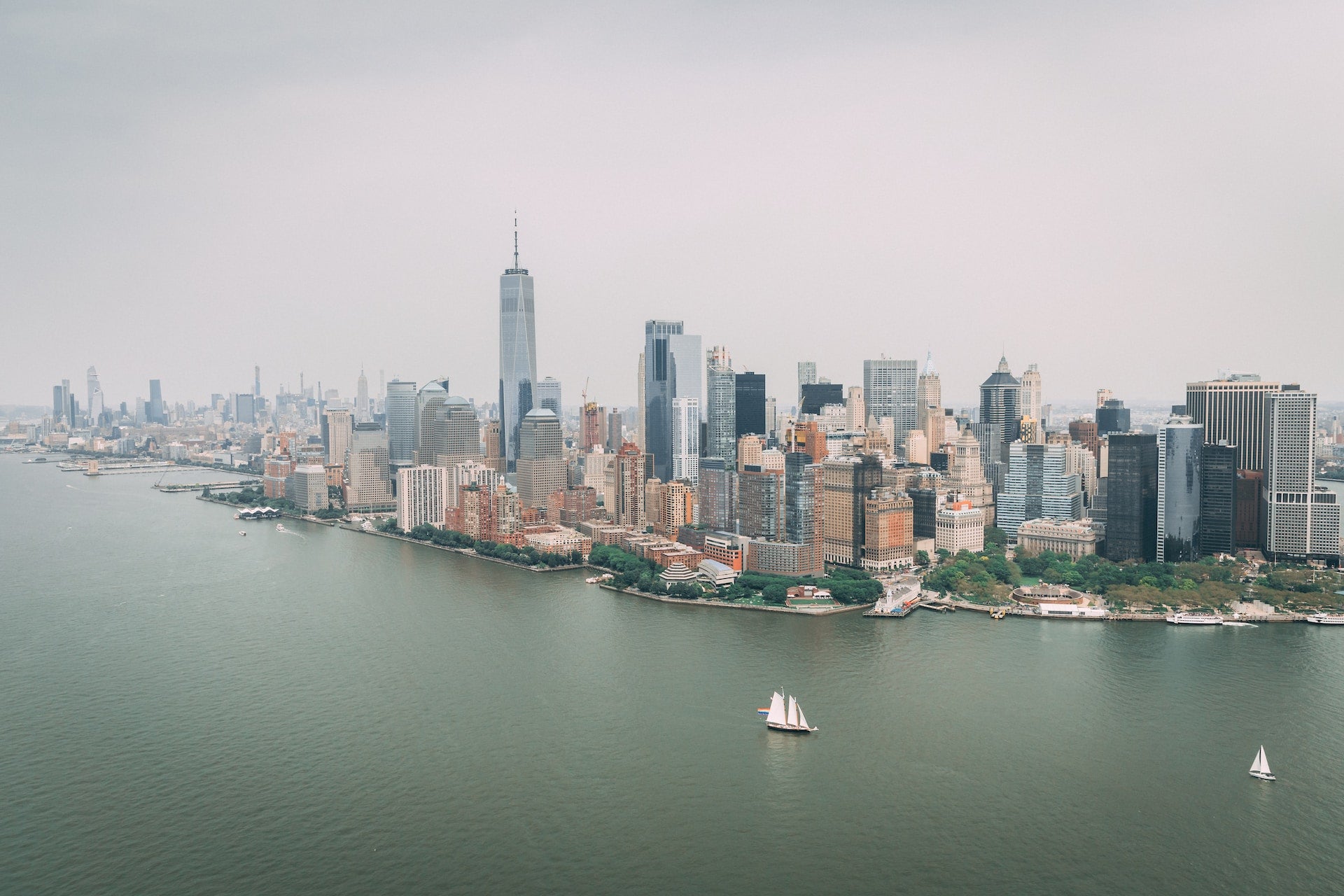
So, is New York City sinking? The scientific answer is yes, gradually, due to a combination of natural geological processes and the sheer weight of its colossal urban environment. This subsidence is compounded by the global threat of sea level rise, presenting a complex long-term challenge for this iconic travel destination. However, to frame the question purely in terms of descent would be to overlook the extraordinary resilience and foresight defining the city’s response. New York City is not passively sinking into the sea; it is actively fighting back, implementing ambitious coastal protection projects, fostering sustainable urban planning, and adapting its infrastructure to ensure a secure future. For travelers and residents alike, this means that the city’s enduring allure – its vibrant culture, world-renowned landmarks, diverse accommodation options, and unparalleled lifestyle – remains firmly intact. New York City continues to be an unmissable destination, a testament to human ingenuity in the face of environmental shifts, inviting everyone to experience its undiminished grandeur and spirit. The journey to the heart of the Big Apple is as compelling as ever, promising memories that will truly last a lifetime.